Desi pare schioapa, aceasta e traducerea din engleza a temei:Göbekli Tepe’s buildings are “so fair a house”.Si daca traducerea ar fi fost din chineza, tot ar fi sunat mai bine.Din cate stiu nu a existat un moment sau persoana direct interesata ce sunt exact incintele de la Gobekli Tepe, temple sau constructii pentru locuit. https://encrypted-tbn0.gstatic.com/images?q=tbn:ANd9GcR3-RhylpeHhARqfR27uL73lFhHW7F5ru8y6A&usqp=CAUDin amintirile mele,o discutie aplicata pe acest subiect a inceput cu ocazia disputei a ceea ce reprezinta gentutele de pe "pilonul vulturului"(vulture stone).Imaginea, din World History Encyclopedia Vulture Stone, Göbekli Tepe (Illustration) - World History Encyclopedia
Eu acord un foarte mare credit opiniilor regretatului profesor Klaus Schmidt, si cel putin tot atata cercetatorului Jens Notroff.Acesta din urma are o viziune larga,o mare mobilitate de gandire si o capacitate de analiza stiintifica pe masura.In opozitie cu opiniile acestora, consider ca nu au sustinere si nici valoare opiniile cercetatorului canadian E.B. Banning ... Although it seems lame, this is the English translation of the theme: Göbekli Tepe's buildings has "so fair a house". And if the translation were from Chinese,it would have sounded better. As far as I know there was no moment or person directly interested in what they are exactly the enclosures of Gobekli Tepe: temples or constructions for living. I am giving much credit to the opinions of regreted Klaus Schmidt, and at least as much to the researcher Jens Notroff. The latter has a broad vision, a great mobility of thought and a capacity for scientific analysis. In opposition to their views, I believe that if the views of Canadian researcher E.B. Banning have some value his conclusions have no support. ÷÷÷÷÷÷÷÷÷÷÷÷÷÷ Klaus Schmidt
: Din https://www.archaeology.org › issues Last Stand of the Hunter-Gatherers? - Archaeology Magazine "a team led by German Archaeological Institute (DAI) archaeologist Klaus Schmidt reached a stunning conclusion: The buildings and their multiton pillars, along with smaller, rectangular structures higher on the slope of the hill, were monumental communal buildings erected by people at a time before they had established permanent settlements, engaged in agriculture, or bred domesticated animals. Schmidt did not believe that anyone had ever lived at the site." O echipa condusă de arheologul Institutului German de Arheologie (DAI) Klaus Schmidt a ajuns la o concluzie uimitoare: clădirile și stâlpii lor multitonali, împreună cu structuri mai mici, dreptunghiulare, mai sus pe versantul dealului, erau clădiri monumentale comunale ridicate de oameni la un moment dat înainte au stabilit așezări permanente, s-au angajat în agricultură sau au crescut animale domestice. Schmidt nu credea că cineva ar fi trăit vreodată in sit. " E B Banning: Din https://www.dainst.blog › 2017/01/24 A Sanctuary … or so fair a House? – Tepe Telegrams "Recent, un coleg a contestat existența unor structuri rurale sau domestice pure pentru neolitic, susținând că arheologii tind să impună distincții occidentale moderne de sacru față de profan în preistorie, în timp ce antropologia arată în cele mai multe cazuri că aceste două sfere sunt inseparabil întrețesute (Banning 2011 , 624-627). În ochii lui, Göbekli Tepe era mai degrabă o așezare cu clădiri bogate în simbolism, dar totuși de natură domestică. Fig 4 - uploaded by Edward Bruce Banning https://www.researchgate.net/figure/Conjectural-reconstruction-of-the-roof-framing-of-structure-B-at-Goebekli-Tepe-with-a_fig2_259561913
Jens Notroff https://jensnotroff.com/curriculum-vitae/
: Din https://www.dainst.blog › 2017/01/24 A Sanctuary … or so fair a House? – Tepe Telegrams "De la descoperirea sa incoace, interpretarea surprinzatoarei arhitecturi a lui Göbekli Tepe s-a centrat în jurul termenilor „clădiri cu destinație specială” (Sondergebäude), „sanctuare” sau chiar „temple”. În mod firesc, această linie de interpretare a fost pusă sub semnul întrebării. După cum s-a discutat deja aici, este într-adevăr destul de dificil să folosești o terminologie istorică destul de strict definită și concepte spirituale complexe pentru a descrie rămășițele materiale ale fenomenelor preistorice. Chiar mai mult, în timp ce cultul, ritualul și în cele din urmă religia sunt concepte adesea citate, dar rareori clar definite de arheologi.Argumentele lui Banning conform cărora inhumările interne, cache-urile și picturile murale demonstrează că „sacrul” se scurge în mod clar în viața de zi cu zi în neoliticul din Orientul Apropiat (Banning 2011, 627-629) și că, prin urmare, o distincție clară este imposibil de definit, este valabil, de asemenea, desigur. De fapt, ideea manifestărilor sacrului în case sau părți ale caselor nu este nici nouă, nici surprinzătoare, așa cum a subliniat deja M. Eliade în lucrarea sa fundamentală despre încurcarea sacrului și profanului. .. Deci, chiar dacă nu putem ști dacă aceste clădiri au fost de fapt menite să găzduiască zei sau zeități, rolul specific al acestor imagini antropomorfe mai mari decât in realitate care formează centrul și elementul principal al incintelor de la Göbekli Tepe rămân în mod conștient disctincte fata de capetele de sculptate în mărime naturală care aparent au fost depuse cu grijă în implutura. ... Din punctul nostru de vedere, rezumam ca par să existe suficiente dovezi care să interpreteze Göbekli Tepe ca un loc aparte format din structuri cu scop special legate de cult și ritual, cu cicluri de viață distincte și fixe de construire, utilizare, de construcție și înmormântare. ... Toate aceste etape par a fi marcate de acte rituale specifice, dintre care ultimele, adică cele legate de înmormântare și depunere a obiectelor simbolice sunt în mod natural vizibile cel mai bine în evidența arheologică. ... Dacă „templul” este înțeles ca un termen tehnic pentru arhitectura cultului specializat, s-ar putea lua într-adevăr această etichetă pentru Göbekli Tepe. Dacă termenul este definit în percepția noastră occidentală ca un loc în care este prezent un zeu, poate „sanctuar” ar fi o descriere mai neutră; în mod alternativ, construcția auxiliară a „clădirilor cu destinație specială” (Sondergebäude) poate fi utilizată pentru a scăpa de orice capcană a confesiunilor legate cultural. DAR, ÎN ORICE CAZ, UN SINGUR LUCRU ESTE SIGUR: IDEEA CĂ CLĂDIRILE GOBEKLI TEPE SUNT „O CASĂ ATAT DE POTRIVITA” SE SE PARE CA NU ESTE CEA MAI CONVINGATOARE INTERPRETARE A EVIDENȚEI DISPONIBILE PÂNĂ ACUM." Imaginea, https://pbs.twimg.com/media/DhWe8qGW0AAvoE4.jpg
eugenrau: - este o impietate (si numai sa-i treaca cuiva prin cap,nemaivorbind sa exprime) ca pilonii T cu adanca semnificatie si purtand semne cu incarcatura simbolica ar fi putut fi stalpi care sustin un acoperis ! - locasele-postament ale pilonilor in roca de baza sunt gandite doar pentru sustinerea (si asa precara) a pilonilor in pozitie verticala. - pilonii reprezinta un simbol sacru perpetuat si reiterat CEL PUTIN 2000 de ani (9.600-7.600) -pilonii se pot rupe usor datorita rocii cu slaba consistenta si a grosimii mici.https://content.thriveglobal.com/wp-content/uploads/2020/06/mikeyperes2.jpg
- daca aveau in cap sustinerea, exista dovezi in sit ca existau pomi si era de 100x mai facila executia unor stalpi din lemn. - stalpii totemici nu se folosesc niciodata pentru a sprijini ceva sunt singulari, solitari. - chiar la vanturi de mica intensitate fortele transmise pilonilor i-ar fi tensionat si crapat foarte usor, pentru ca nu suporta indoire. -Simbolurile "gentute" au acel arce, "manere" deplasate (fortat asimetrice) pentru a face loc acelor simboluri. - Mr. Banning, pe langa niste afirmatii de bun simt si corecte, chiar unele de valoare, a impins in fata o enormitate care nicidecum nu-si gaseste locul.
Clădirile din Göbekli Tepe sunt „atât de convenabil, o casa”
August 30, 20219600 M.Ö. uygun tanrılar yoktu!
August 27, 2021Bilim adamları, Göbeli Tepe’nin T sütunlarının tanrıları temsil edip etmediğini kesin olarak bilmiyorlar. Birçoğu (özellikle kazma alanının dışında), sütunlar nedeniyle insansı özellikler tanrılara yönelir. Benim naçizane görüşüme göre, Göbekli Tepe’de tam da insanlığın inancını ruhlardan tanrılara tapmaya dönüştürdüğü ana tanık oluyoruz. Şuradan değiştiriliyor:

(bilinmeyen yaşta), belki biraz sonra? :

Tanrı? Ruh ? Ya da antropomorfik ruhlar var olabilir mi? Evet!: Wikipedia:” Antropomorfizm, insan özelliklerinin, duygularının veya niyetlerinin insan olmayan varlıklara atfedilmesidir. … Yaklaşık 40.000 yıl önce, Yukarı Paleolitik’te insan davranışsal modernitesinin başlangıcından itibaren, zoomorfik (hayvan- Antropomorfizmin bilinen en eski kanıtlarını temsil edebilecek sanat eserleri ortaya çıkar.
eugenrau: Animizmde ruhları olan veya ruhları olan birçok insan dışı varlık da vardır!
Itibaren, https://journals.sagepub.com › pdf – SAGE Journals’ <<(i) Uzak ve muğlak olarak tasarlanmış bölgelerde yaşadığı ve müdahale edilmesi çok güçlü olduğu düşünülen antropomorfik ruhlar vardır.>>
Itibaren, https://publishing.cdlib.org › viewStelae: The Emergence of Human Figuration – UC Press E-Books … <<Bu ilk figüratif temsillerin, gerçek bireylerden ziyade antropomorfik ruhları tasvir etmesi sadece tesadüf değildir. Bu yarı dünyada ahiret ile ahiret -yani beşeri ile ilahi olan arasında- süzülenler, ortaya çıkan bir dindarlığın ilk tezahürleridir. …. Sürekli büyüyen bu “öz-bilinç” içinde, kasten ilk mecazi, antropomorfik temsillerimizi oymaya başlardık. Bununla birlikte, en başta, tasvir ettiğimiz kendimiz değil, daha önce de belirtildiği gibi, o muhafızları, insani ve ilahi arasında yarı yolda duran figürleri.>>
Itibaren, https://mythology.stackexchange.com › … Are there any hunter gatherer gods? – Mythology Stack Exchange <<Avcı toplayıcı tanrılar var mı? – Mitoloji Yığın Takas << Avcı toplayıcılar döneminden tanrıları sorduğunuz gibi. Bugünkü gibi aktif yüksek tanrılar veya tanrılar yoktu. Örneğin Hinduizm perspektifinden Shiva-Vishnu-Devi veya ahlaki olarak cezalandıran Yunan tanrısı Zeus, Poseidon, Apollo vb. Bunun yerine Animizm’i izliyorlardı. Ruhlara veya ruhlara inanan bir yaşam tarzı. Bu ruhlar veya ruhlar sadece insanlarda değil, aynı zamanda hayvanlarda, bitkilerde, kayalarda, dağlar, nehirler gibi coğrafi özelliklerde ve rüzgar, ateş, buz, yağmur vb. gibi doğal çevrenin diğer varlıklarında bulunur. Onlara göre tüm bu unsurlar tutuyordu. güç. Başka bir deyişle, “doğal” dinleri takip ediyorlardı ” Bu doğal unsurlar, bugün bizim tanrı dediğimiz şekliyle onların tanrılarıydı. Genellikle bu güçler ya da Avcı-Toplayıcıların tanrıları çok sınırlı güçlere sahipti, her şeyi bilen, her şeye gücü yeten ve çok fazla ilgili değillerdi. insan ilişkileri ve ahlak hakkında. >>
Itibaren, https://www.encyclopedia.com › me… Mesopotamian Religions: History of Study | Encyclopedia.com “Antik Mezopotamya dinlerinin kapsamlı bir sunumuna yönelik ilk girişim, François Lenormant’ın La magie chez les Chaldéens et les Origines accadiennes (1874) adlı eseridir. Lenormant, büyücüler tarafından kontrol edilen ruhlara olan inancın erken Sümer (daha sonra Akad olarak adlandırılır) animistik bir aşamasını öne sürdü. Sümerlerin bir tıp adamları topluluğu tarafından kontrol edilen ruhlara olan inançları Sayce tarafından “organize animizm” olarak adlandırıldı. yaşamın tezahürü hareketti” (s. 327). İyi olarak kabul edilen bu büyük kozmik unsurlardaki ruhlar, yavaş yavaş tanrılara dönüştüler. Bir nesnenin veya bir doğa gücünün sahip olduğu hareket gücünün seviyesi, onun doğaüstücülüğü (yani, içinde bir ruhun varlığı). “
Itibaren, https://www.giffordlectures.org’dan › lec… Ders 3: Babil Tanrıları – Eski Mısır Dinleri … “…En-lil’in Sümerce başlığı, “hayaletlerin efendisi- Dünya.” Ama bu yalnızca bir unvandı; “hayaletlerin efendisi”, aralarında baş olmasına rağmen, kendisi de bir hayaletti. Gerçek dikkatle akılda tutulmalıdır. Henüz kelimenin tam anlamıyla bir tanrı yoktu. Korkulan ve yatıştırılan güçler, ölü adamların hayaletleri gibi yalnızca hayaletlerdi ve ikincisi gibi, mezarın ve yeraltı dünyasının sakinleriydiler. Geri çekildiklerinden ancak geceleri çıktılar ve yoldan geçenleri korkuttular. İlkel insan karanlıktan en az çocuk kadar korkar; işte o zaman kötülüğün güçleri etkinleşir ve ruhsal ya da doğaüstü düşmanlar her köşede onu yaralamaya ya da yok etmeye hazır pusuya yatmış olur.Gecenin hayaletleri buna göre nesnelerdir. her türlü hastalık ve deliliğin türediği zararlı varlıklardır.Fakat bu hayaletler bile, uymak zorunda oldukları sihirli kelimeleri veya mistik ayinleri bilenler tarafından kontrol edilebilir.Hayalet ile kurbanı arasında büyücü veya tıp adamı araya girebilir, ve büyüleri aracılığıyla ruhu, acı çekenin bedeninden çıkmaya veya bir düşmanın bedenine girmeye zorlar. Bu nedenle, hayaletin yanında, ruhlar dünyasının hem efendisi hem de hizmetçisi olan büyücü durur.”
eugenrau: büyücü, ruhlar dünyasının efendisi ve bakanı ŞAMAN’dır!
Itibaren, http://sss.trnava.sk adresinden › yüklemeler › gobe…gobekli tepe 2021 – SSS Trnava “Bir tanrıya gerek yok, ruhları vardı. Göbekli Tepe, Paskalya Adası ve Diğer Antik Yerler Arasında Açıklanamayan Benzerlikler.”
https://knotmagick101.wordpress.com › …Rezultate de pe webGobekli Tepe – my uninformed ramblings | Knot Magick <<Göbekli Tepe ilk olarak 1963 yılındaki bir araştırmayla fark edilmiş olsa da … neredeyse evrensel olarak sütunların daha yüksek manevi varlıkları temsil ettiğini öne sürdü. Yerli dinlerin ikinci unsuru ruhlara olan inançtır (çoğul olarak). Dünya ruhlarla doludur – hem ölü insanların ruhları hem de her zaman bedensiz olarak var olan “doğal” ruhlar. E.B olarak Idowu, geleneksel Afrika dini hakkında şöyle yazar: ‘Yeryüzünde kendine ait bir ruhu olmayan veya bir ruhun barınamayacağı hiçbir alan, hiçbir nesne veya yaratık yoktur’ (1975, s.174). Büyük Ruh’un kendisi gibi, bireysel ruhlar da tanrılar gibi kişilikleri olan antropomorfik varlıklar değildir. Onlar hiç bir varlık değiller. Idowu’nun yazdığı gibi, “bunlar çoğu zaman gölgeler veya buharlar gibi neredeyse soyut olan güçler olarak düşünülmez” (s. 173-4). Ve ruhlar, tanrıların olmadığı bir şekilde dünyaya karışırlar. Tanrılardan farklı olarak, ondan asla ayrı değiller, sürekli onun içinde hareket ediyorlar ya da kayaları, ağaçları ve nehirleri içinde yaşıyorlar.>>
Itibaren, Wikipedia/Divinity “Bir nitelik olarak Tanrısallığın iki farklı kullanımı vardır:
1.İlahi kuvvet veya güç – evrensel olan veya insan kapasitelerini aşan güçler veya kuvvetler
- Ölümlülere uygulanan İlahiyat ” Yani tanrısallık antropomorfik olabilir. İlahiyat=ilahi güç olarak, bu :ilahilik=ilahi güç, daha sonra Sümer proto-çivi yazısı sembolü “T”:”Ben”, “ilahi güçler” anlamına gelir.
Itibaren, https://www.worldhistory.org › article Enki in Ancient Literature – World History Encyclopedia “Enki Sümer mitolojisinin bir tanrısıdır ve daha sonra zaman içinde… O, me-s denilen ilahi güçlerin koruyucusuydu”
Itibaren, https://cdli.ucla.edu › tools › archsigns proto-cuneiform signs sign “Me”
SONUÇ: Löwenmensch antropomorfik özelliklere sahip olduğundan ve kesinlikle 32.000 yaşında. bir tanrı değildi, bu nedenle T-sütunları (biraz antropomorfik şekilli) Göbekli Tepe’nin en başında (kat III) henüz tanrılar değil, ruhlar olabilir. Tekrar pardon: tanrısallık=ilahi güçler=ruh(antropomorfik özelliklere sahip olabilir)=daha sonra Sümer Me :”ilahi güçler”ilaç çivi yazısı işaretiyle “T”=T-şekilli Göbekli Tepe sütunları
İnsan özelliklerine sahip başka bir ruh: Itibaren, Wikipedia: ‘Sihirbaz (mağara sanatı)’:”, Fransa, Ariège, Trois-Frères Mağarası’nda ‘Sığınak’ olarak bilinen mağarada bulunan esrarengiz bir mağara resminin bir adıdır. 13.000 civarında. Figürün önemi bilinmiyor, ancak genellikle bir tür büyük ruh veya hayvanların efendisi olarak yorumlanıyor.”

A D D I T I O N A L D O C U M E N T A T I O N
Itibaren, Wikipedia Deity “Modern arkeologlar artık genel olarak, tarih öncesi heykelcikleri, bırakın tanrıçaları, herhangi bir tür tanrının temsili olarak kesin olarak tanımlamanın imkansız olduğunu kabul ediyorlar. Yine de, antik temsilleri vaka bazında değerlendirmek ve nasıl olduğuna göre değerlendirmek mümkündür. muhtemelen tanrıları temsil edeceklerdir. Avrupa’da bulunan ve yaklaşık 25.000 BCE’ye tarihlenen Willendorf Venüsü, bazıları tarafından tarih öncesi bir kadın tanrının bir örneği olarak yorumlanmıştır. Ain Ghazaland, Çatalhöyük’te ortaya çıkarılan sanat eserleri, muhtemelen karmaşık bir mitolojiye göndermeler yapıyor.”
Itibaren, Of animals and a headless man. Göbekli Tepe, Pillar 43 “Ölümden sonra savaşçının ruhları büyük yeraltı dünyasına indi (Büyük “T” şeklindeki sütunların yaptığı işaret).
https://curiosmos.com › BlogGöbekli Tepe: Ancient Site That Predates The Pyramids Was Built … “Sitenin sütunları, koruyucu ruhları, ataları ve hatta takımyıldızları temsil eden eski totemler olabilir.”
https://a1.monographs.ru › …Masks of Exploit Göbekli Tepe & Pillars of the Pharaoh System “İşaretler, Göbekli Tepe’nin yeniden sömürülmesinin T şeklindeki sütunları, toprağı meydana getiriyor… belki de ölü ataların ruhlarına benzemek için.”
Itibaren https://www.rampagingdinosaur.com › …Göbekli Tepe, mankind’s first step towards civilization – Rampaging … “Sütunlardan birinin üzerindeki insan elinin yakın çekimi, onların ruhları temsil ettiğini ima ediyor.”
Itibaren https://books.google.ro › books Religion in the Emergence of Civilization: Çatalhöyük as a Case StudyIan Hodder — 2010 · Social Science “Paleolitik resimlerde ve ‘Venüs’te insan figürleri görünse de…ama hayvanlar üzerinde merkezi bir insan tanrılığına dair hiçbir kanıt yoktur.”
Itibaren http://ewa.home.amu.edu.pl › …PDFCreated using PDFonline.com , a Free PDF Creation service16 dec. 2005 http://ewa.home.amu.edu.pl adresinden › …PDFC, Ücretsiz bir PDF Oluşturma hizmeti olan PDFonline.com kullanılarak oluşturulmuştur16 ara. 2005 — “…insanların ruh dünyasına aracılık etmiş olabileceğini öne sürüyorum, ancak merkezi bir insan tanrılığına dair hiçbir kanıt yok.
İster inanın ister inanmayın, antik tarih ateizmin de doğal olduğunu öne sürüyor… *Yeni bir çalışma, antik dünyadaki insanların her zaman tanrılara inanmadıklarını öne sürüyor – dini inancın insanlar için “varsayılan bir ortam” olduğu fikrine şüphe düşürüyor. * 16 şubat 2016https://www.cam.ac.uk › haberler › dis…
Itibaren Wikipedia Prehistoric religion “Tarımı baskın yaşam tarzı olarak kuran Neolitik Devrim, MÖ 12.000 civarında meydana geldi ve Neolitik’i başlattı. Neolitik toplum, Paleolitik atalarına kıyasla hiyerarşik ve eşitsiz hale geldi ve onların dini uygulamaları muhtemelen buna uyacak şekilde değişti. Paleolitik’tekinden daha yapısal ve merkezileşmiştir ve muhtemelen hem kişinin bireysel atalarının hem de tüm grupların, kabilelerin ve yerleşimlerin atalarının atalarına tapınmayla meşguldür.”
Itibaren https://www.scribd.com › document Art and Religious Beliefs in The Neolithic and Aeneolithic From… “Bu vesileyle yayınlanan çanak çömlek, ritüel için özel olarak seçilmiş yerlerin mümkün olduğunu gösterdi; tanrıları değil ruhları tanırlar.”
Itibaren https://www.worldhistory.org › Kac…Kachina Cult – World History Encyclopedia de JB Wiener “Hopi’den MS 1300’ler ve 1400’lere tarihlenen çanak çömlek tasarımları…”
Itibaren https://www.scientificamerican.com › …Rezultate de pe webComplex Societies Evolved without Belief in All-Powerful Deity “Politik olarak gelişmiş toplumların ortaya çıkışı, doğaüstü ruhlara olan inançla desteklenebilir, ancak “büyük tanrı” gerektirmez.
Itibaren https://science.jrank.org › pages › R…Religion – Africa – Gods And Spirits – People, Divinities, Orisha, and … ” İlahi hiyerarşide, tanrılar ve ruhlar Tanrı’nın altında sıralanır.
La 9.600 î.e.n. nu erau zei propriu-zisi!
August 25, 2021Oamenii de știință nu știu sigur dacă stâlpii T ai lui Gobeli Tepe reprezentau sau nu zei. Mulți dintre ei (în special în afara câmpului săpat), datorită trăsăturilor umanoide ale stâlpilor, înclină spre zei. În umila mea părere, asistăm la Gobekli Tepe chiar momentul în care omenirea schimbă credința din spirite în închinarea la zei. Locuitorii au trecut de la:
Către (de vârstă necunoscută), poate puțin mai târziu? :
Zeu? Spirit? Sau ar putea exista spirite antropomorfe? Da !: Wikipedia: ”Antropomorfismul este atribuirea unor trăsături, emoții sau intenții umane entităților neumane. … De la începuturile modernității comportamentale umane în paleoliticul superior, cu aproximativ 40.000 de ani în urmă, apar exemple de opere de artă zoomorfe (în formă de animal) care pot reprezenta cele mai vechi dovezi cunoscute de antropomorfism.
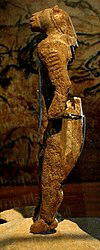
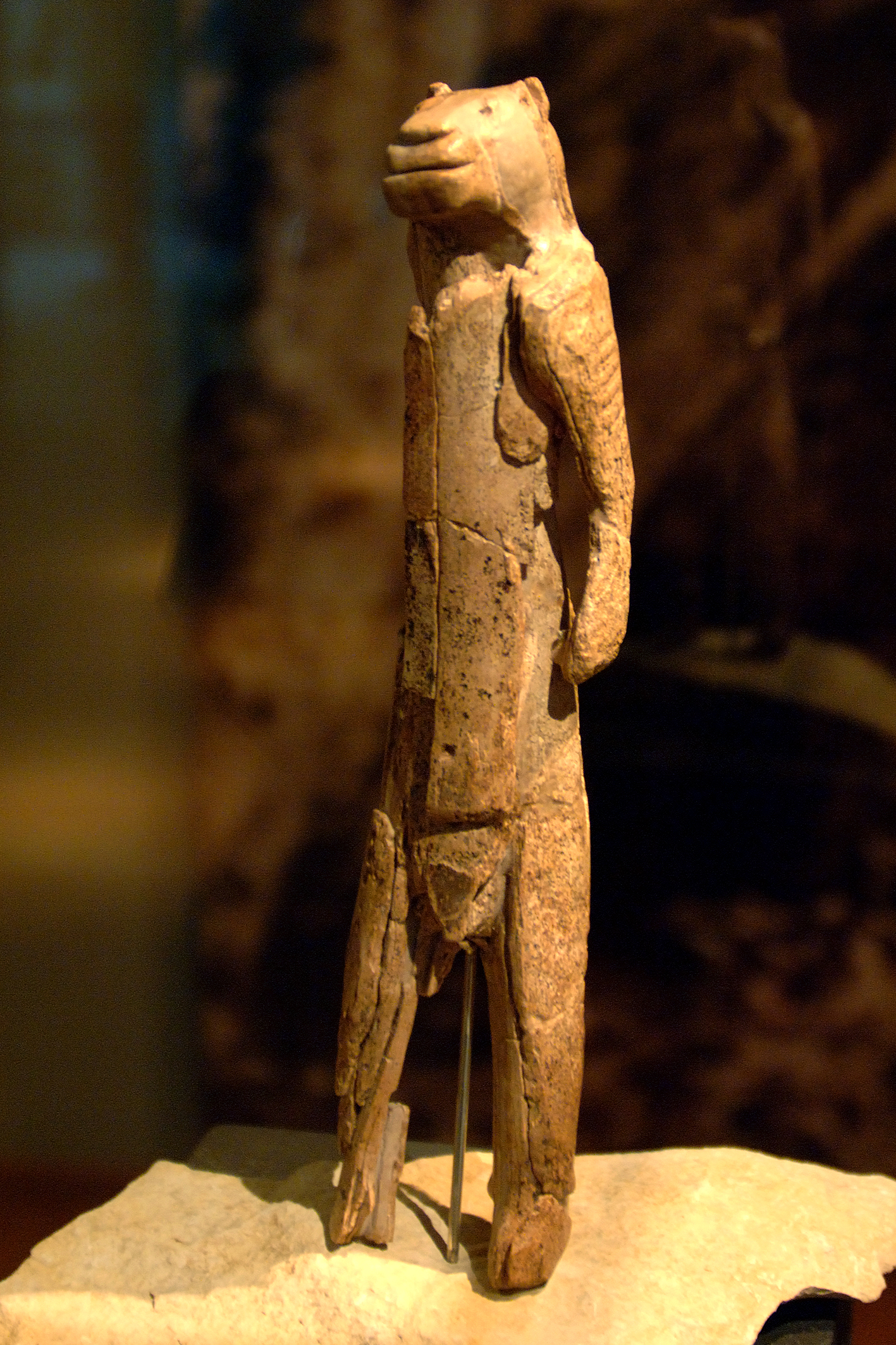
Una dintre cele mai vechi cunoscute este o sculptură în fildeș, figurina Löwenmensch, Germania, o figurină în formă de om cu cap de leoaică sau de leu, stabilită ca având aproximativ 32.000 de ani. ”
eugenrau: în animism există și o mulțime de entități non-umane care erau sau aveau spirite! De la https://journals.sagepub.com ›pdfRezultate de pe webLiterature. – Jurnalele SAGE <<’(i) Există spiritele antropomorfe, gândite ca locuind în regiuni îndepărtate și vag concepute și ca fiind foarte puternice pentru a interveni.>>
De la https://publishing.cdlib.org ›viewStelae: The Emergence of Human Figuration – UC Press E-Books … ” Nu este o simplă coincidență faptul că aceste prime reprezentări figurative descriu spiritele antropomorfe mai degrabă decât indivizii propriu-zisi.Plutind în aceasta jumătate de lume între aici și viitor – între, adică umanul și divinul – sunt primele manifestări ale unei religiozități emergente. …. În acea „conștiință de sine” în continuă creștere, am începe să ne sculptăm primele reprezentări antropomorfe în mod deliberat figurative. Totuși, de la bun început, nu suntem pe noi înșine, dar, așa cum am menționat deja, acei gardieni, acele figuri staționate la jumătatea distanței dintre uman și divin “.
Din https://mythology.stackexchange.com › … Are there any hunter gatherer gods? – Mythology Stack Exchange ”După cum ați întrebat despre zeii din perioada vânătorilor de culegători. Nu au existat zei sau zeități înalte active ca și noi astăzi. De ex. din perspectiva hinduismului, Shiva-Vishnu-Devi sau Zeus, Poseidon, Apollo etc. al zeului grec, care pedepsesc moral. În schimb, ei urmăreau animismul. Un mod de viață care crede în suflete sau spirite. Aceste suflete sau spirite există nu numai la oameni, ci și la animale, plante, roci, caracteristici geografice, cum ar fi munții, râurile și alte entități ale mediului natural, cum ar fi vântul, focul, gheața, ploaia etc. Potrivit acestora, toate aceste elemente dețineau puterea. Cu alte cuvinte, ei urmau religii „naturale”. Aceste elemente naturale erau zeii lor așa cum numim astăzi un zeu. Adesea aceste forțe sau zei ai Vânătorilor-Adunători aveau puteri foarte limitate nu erau atotștiutoare, atotputernice și nu prea se preocupă de problemele umane și de moralitate. ”
Din https://www.encyclopedia.com › me… Mesopotamian Religions: History of Study | Encyclopedia.com „Cea mai timpurie încercare de a prezenta o prezentare cuprinzătoare a vechilor religii mesopotamiene este in lucrarea La magie chez les Chaldéens et les origines accadiennes (1874) a lui François Lenormant. Lenormant a susținut o etapă animistă timpurie a credinței sumeriene (numită atunci akkadiană) în spirite care erau controlate de magi. Credințele sumeriene în spirite care erau controlate de un corp de oameni de medicină au fost denumite de Sayce „animism organizat”. Se credea că cuvântul sumerian pentru spirit era zi și „zi era pur și simplu ceea ce manifesta viața, iar testul manifestării vieții era mișcare” (p. 327). Spiritele din acele elemente cosmice majore care au fost considerate bune s-au dezvoltat treptat în zei. Nivelul puterii de mișcare posedat de un obiect, sau într-o forță a naturii, a fost testul supranaturalismului său (adică al existenței unui spirit în interiorul său). „
Din https://www.giffordlectures.org › lec… Lecture 3: The Gods of Babylonia – The Religions of Ancient Egypt …<<… Titlul sumerian al lui En-lil,„ stăpânul lumii-fantomă ”. Dar era doar un titlu; „stăpânul fantomelor” era el însuși o fantomă, deși șeful dintre ele. Faptul trebuie ținut cont cu atenție. Încă nu exista un zeu în sensul corect al termenului. Puterile supraomenești care erau temute și propice erau doar fantome, ca fantomele oamenilor morți; și, la fel ca aceștia din urmă, erau cetățeni ai mormântului și ai lumii subterane. Abia noaptea au ieșit din retragerea lor și au îngrozit trecătorul. Omul primitiv se teme de întuneric la fel de mult ca și copilul; Atunci puterile răului sunt active și dușmanii spirituali sau supranaturali se ascund în spatele fiecărui colț gata să-l rănească sau să-l distrugă. În consecință, fantomele nopții sunt obiecte de teroare, ființe dăunătoare din care provin toate formele de boală și nebunie. Dar chiar și aceste fantome pot fi controlate de cei care cunosc cuvintele magice sau riturile mistice pe care sunt obligați să le respecte. Între fantomă și victima sa, vrăjitorul sau medicul se pot interpune și, prin intermediul vrăjilor sale, forțează spiritul să părăsească corpul celui care suferă sau să intre în corpul unui dușman. Prin urmare, alături de fantomă se află vrăjitorul, care este în același timp stăpânul și slujitorul lumii spiritelor >> eugenrau: vrăjitor, stăpânul și ministrul lumii spiritelor este ȘAMANUL!
Din http://sss.trnava.sk › uploads › gobe…gobekli tepe 2021 – SSS Trnava „Nu era necesar un zeu, aveau spirite. Asemănări inexplicabile între Göbekli Tepe, Insula Paștelui și alte situri antice. ”
Din https://knotma gick101.wordpress.com › …Rezultate de pe webGobekli Tepe – my uninformed ramblings | Knot Magick <<Deși Gobekli Tepe a fost observat pentru prima dată într-un sondaj din 1963 … aproape universal a sugerat că stâlpii reprezintă ființe spirituale superioare. Al doilea element al religiilor native este credința în spirite (la plural). Lumea este plină de spirite – atât spiritele ființelor umane moarte, cât și spiritele „naturale” care au existat întotdeauna în mod incorporat. Așa cum E.B. Idowu scrie despre religia tradițională africană: „Nu există o zonă a pământului, niciun obiect sau creatură care să nu aibă un spirit propriu sau care să nu poată fi locuit de un spirit” (1975, p.174). La fel ca Marele Spirit în sine, spiritele individuale nu sunt ființe antropomorfe cu personalități, precum zeii. Nu sunt deloc ființe. După cum scrie Idowu, „de cele mai multe ori sunt gândite ca puteri aproape abstracte, ca nuanțe sau vapori” (pp. 173–4). Și spiritele sunt implicate în lume într-un mod în care zeii nu sunt. Spre deosebire de zei, ei nu sunt niciodată separați de el, ci se mișcă întotdeauna prin el sau trăiesc în stâncile, copacii și râurile sale.>>
Din Wikipedia / Divinitatea <<Divinitatea ca calitate are două utilizări distincte: 1.Forța sau puterea divină – puteri sau forțe care sunt universale sau transcend capacitățile umane
2.Divinitatea aplicată muritorilor >>
Deci divinitatea ar putea fi antropomorfă. Ca divinitate = putere divină, aceasta implică faptul că: divinitate = putere divină, mai târziu simbol proto-cuneiform sumerian „T”: „Eu”, „puteri divine”
Din https://www.worldhistory.org › article Enki in Ancient Literature – World History Encyclopedia <<Enki este un zeu al mitologiei sumeriene și, mai târziu în timp, … El a fost păstrătorul puterilor divine numite Me-uri”
Din https://cdli.ucla.edu › tools › archsigns proto-cuneiform signs sign “Me“
CONCLUZIE: Deoarece OmulLeu are trăsături antropomorfe și cu siguranță la 32.000 de ani. nu existau inca zei, așa că stâlpii T (ușor antropomorfi) la începutul sitului Gobekli Tepe (stratul III) nu ar fi putut fi încă zei, ci spirite. Scuzati-mă, revin din nou: divinitate = puteri divine = spirit (ar putea avea trăsături antropomorfe) = ulterior sumerian “Me”: „puteri divine” cu semn proto cuneiform „T“ = formă de T stâlpi Gobekli Tepe
Un alt spirit cu trăsături antropomorfe (omenesti): Wikipedia: ‘The Sorcerer (cave art)’: ”este un nume pentru o pictură rupestră enigmatică găsită în peștera cunoscută sub numele de„ Sanctuarul ”din Peștera Trei-Frati, Ariège, Franța, realizată în jurul anului 13.000 î.Hr. Semnificația figurii este necunoscută, dar este interpretată de obicei ca un fel de mare spirit sau stăpân al animalelor “.
Din Of animals and a headless man. Göbekli Tepe, Pillar 43 <<După moarte spiritele războinicului au coborât în marea lume subterană (semnul făcut de stâlpii în formă de„ T mari) ..>>
Din https://curiosmos.com › BlogGöbekli Tepe: Ancient Site That Predates The Pyramids Was Built … <<Stâlpii site-ului ar fi putut fi totemuri antice reprezentând fie spirite protectoare, strămoși sau chiar constelații.>>
Din https://a1.monographs.ru › …Masks of Exploit Göbekli Tepe & Pillars of the Pharaoh System— <<Semnele, stâlpii în formă de T ai Göbekli Tepe, reprezintă exploatarea, aducând solul … poate să semene cu spiritele strămoșilor morți.>>
Din https://www.rampagingdinosaur.com › …Göbekli Tepe, mankind’s first step towards civilization – Rampaging …— <<Apropierea mâinilor umane pe unul dintre stâlpi, ceea ce înseamnă că acestia reprezintă spirite.>>
At 9,600 B.C. there were not gods proper!
August 22, 2021Scientists not know for sure if Gobeli Tepe’s T-pillars represented gods or not. Many of them (especially outside of digging field), due of pillars humanoid traits incline toward gods. In my humble opinion, we witness at Gobekli Tepe the very moment when humankind change faith from spirits to gods-worshiping. Changing from:
To/toward (of unknown age), maybe little later ? :
God? Spirit ? Or could exist anthropomorphic spirits ? Yes!: Wikipedia:” Anthropomorphism is the attribution of human traits, emotions, or intentions to non-human entities. … From the beginnings of human behavioral modernity in the Upper Paleolithic, about 40,000 years ago, examples of zoomorphic (animal-shaped) works of art occur that may represent the earliest known evidence of anthropomorphism.
One of the oldest known is an ivory sculpture, the Löwenmensch figurine, Germany, a human-shaped figurine with the head of a lioness or lion, determined to be about 32,000 years old.” eugenrau: in animism there are also plenty of non-human entities wich were or had spirits ! From https://journals.sagepub.com › pdf – SAGE Journals’ << (i) There are the anthropomorphic spirits, thought of as dwelling in remote and vaguely conceived regions and as very powerful to intervene in.>> From https://publishing.cdlib.org › viewStelae: The Emergence of Human Figuration – UC Press E-Books … ” It’s no mere coincidence that these first figurative representations happen to depict anthropomorphic spirits rather than individuals proper. Hovering in that half-world between the here and the hereafter—between, that is, the human and the divine—they’re the first manifestations of an emergent religiosity. …. In that ever-growing “self-consciousness,” we’d begin carving our first deliberately figurative, anthropomorphic representations. At the very outset, however, it isn’t ourselves we portray but, as already mentioned, those guardians, those figures stationed halfway between the human and the divine.” From https://mythology.stackexchange.com › … Are there any hunter gatherer gods? – Mythology Stack Exchange << As you have enquired about the Gods from hunter gatherers period. There were no active high gods or deities as we have today. For e.g. from Hinduism perspective Shiva-Vishnu-Devi , or Greek god’s Zeus , Poseidon , Apollo etc. who are morally punishing. Instead they were following Animism. A way of life that believes in souls or spirits. These souls or spirits exists not only in humans, but also in animals, plants, rocks, geographic features such as mountains, rivers and other entities of natural environment like wind , fire , ice , rain etc. According to them all these elements were holding the power. In other words they were following “natural” religions ” These natural elements were their gods as we today call a god. Often these forces or gods of Hunter-Gatherers were having very limited powers were not omniscient ,omnipotent and they do not very much concerning about human affairs and morality. >> From https://www.encyclopedia.com › me… Mesopotamian Religions: History of Study | Encyclopedia.com “The earliest attempt at a comprehensive presentation of ancient Mesopotamian religions is François Lenormant’s La magie chez les Chaldéens et les origines accadiennes (1874). Lenormant posited an early Sumerian (then called Akkadian) animistic stage of belief in spirits that were controlled by magicians. The Sumerian beliefs in spirits that were controlled by a body of medicine men was termed by Sayce “organized animism.” The Sumerian word for spirit was thought to be zi, and “the zi was simply that which manifested life, and the test of the manifestation of life was movement” (p. 327). The spirits in those major cosmic elements that were considered good gradually developed into gods. The level of power of motion possessed by an object, or in a force of nature, was the test of its supernaturalism (that is, of the existence of a spirit within it). ” From https://www.giffordlectures.org › lec… Lecture 3: The Gods of Babylonia – The Religions of Ancient Egypt … “….Sumerian title of En-lil, “the lord of the ghost-world.” But it was a title only; the “lord of the ghosts” was himself a ghost, albeit the chief among them.The fact must be kept carefully in mind. As yet there was no god in the proper sense of the term. The superhuman powers that were dreaded and propitiated were ghosts only, like the ghosts of dead men; and, like the latter, they were denizens of the grave and the underground world. It was only at night that they emerged from their retreat, and terrified the passer-by. Primitive man fears the dark as much as does the child; it is then that the powers of evil are active, and spiritual or supernatural foes lurk behind every corner ready to injure or destroy him. The ghosts of the night are accordingly objects of terror, harmful beings from whom all forms of sickness and insanity are derived. But even these ghosts can be controlled by those who know the magic words or the mystic rites which they are compelled to obey. Between the ghost and his victim the sorcerer or medicine-man can interpose, and by means of his spells force the spirit to quit the body of the sufferer or enter the body of an enemy. By the side of the ghost, therefore, stands the sorcerer, who is at once the master and the minister of the spirit-world.” eugenrau: sorcerer, the master and the minister of the spirit-world is the SHAMAN ! From http://sss.trnava.sk › uploads › gobe…gobekli tepe 2021 – SSS Trnava “Not necessary needed a god, they had spirits. Inexplicable Similarities Between Göbekli Tepe, Easter Island, And Other Ancient Sites.” From https://knotmagick101.wordpress.com › …Rezultate de pe webGobekli Tepe – my uninformed ramblings | Knot Magick <<Although Gobekli Tepe was first noticed in a 1963 survey … almost universally suggested that the pillars represent higher spiritual beings.The second element of native religions is belief in spirits (in the plural). The world teems with spirits—both the spirits of dead human beings and ‘natural’ spirits which have always existed incorporeally. As E.B. Idowu writes of traditional African religion, ‘There is no area of the earth, no object or creature, which has not a spirit of its own or which cannot be inhabited by a spirit’ (1975, p.174). Like the Great Spirit itself, individual spirits are not anthropomorphic beings with personalities, like gods. They are not beings at all. As Idowu writes, ‘they are more often than not thought of as powers which are almost abstract, as shades or vapours’ (pp. 173–4). And spirits are involved in the world in a way that gods are not. Unlike gods, they are never separate from it, but always moving through it, or living within its rocks, trees and rivers.>> Wikipedia/Divinity “Divinity as a quality has two distinct usages: 1.Divine force or power – powers or forces that are universal, or transcend human capacities 2.Divinity applied to mortals So divinity could be antropomorphic. As divinity=divine power, this imply that :divinity=divine power, later sumerian proto-cuneiform symbol “T”:”Me”, “divine powers” From https://www.worldhistory.org › article Enki in Ancient Literature – World History Encyclopedia “Enki is a god of Sumerian mythology and, later in time, … He was the keeper of the divine powers called me-s” From https://cdli.ucla.edu › tools › archsigns proto-cuneiform signs sign “Me“
CONCLUSION: As Löwenmensch has anthropomorphic traits and for sure at 32,000 y.o. was not a god, so T-pillars (slightly anthropomorphic shaped ) could be at the Gobekli Tepe very begining (layer III) not yet gods but spirits. Excuse me, again: divinity=divine powers=spirit(could have anthropomorphic traits)=later sumerian Me :”divine powers“with proto cuneiform sign “T“=T-shape Gobekli Tepe pillars Another spirit with human traits: Wikipedia: ‘The Sorcerer (cave art)’:” is one name for an enigmatic cave painting found in the cavern known as ‘The Sanctuary’ at the Cave of the Trois-Frères, Ariège, France, made around 13,000 BCE. The figure’s significance is unknown, but it is usually interpreted as some kind of great spirit or master of animals.”
A D D I T I O N A L D O C U M E N T A T I O N From Wikipedia “Deity” “Modern archaeologists now generally recognize that it is impossible to conclusively identify any prehistoric figurines as representations of any kind of deities, let alone goddesses.Nonetheless, it is possible to evaluate ancient representations on a case-by-case basis and rate them on how likely they are to represent deities. The Venus of Willendorf, a female figurine found in Europe and dated to about 25,000 BCE has been interpreted by some as an exemplar of a prehistoric female deity.A number of probable representations of deities have been discovered at ‘Ain Ghazaland the works of art uncovered at Çatalhöyük reveal references to what is probably a complex mythology.” From Of animals and a headless man. Göbekli Tepe, Pillar 43 “After death the warrior’s spirits descended into the great underworld (the sign made by the Large “T” shaped pillars)..” From https://curiosmos.com › BlogGöbekli Tepe: Ancient Site That Predates The Pyramids Was Built … — “The site’s pillars may have been ancient totems representing either protective spirits, ancestors, or even constellations.” From https://a1.monographs.ru › …Masks of Exploit Göbekli Tepe & Pillars of the Pharaoh System— “Signs, the T-shaped pillars of Göbekli Tepe repre- exploitation, bringing about soil … perhaps to resemble the spirits of dead ancestors.” From https://www.rampagingdinosaur.com › …Göbekli Tepe, mankind’s first step towards civilization – Rampaging …— “Close up of human hands on one of the pillars, implying that they represent spirits. From https://books.google.ro › books Religion in the Emergence of Civilization: Çatalhöyük as a Case StudyIan Hodder — 2010 · Social Science “While human figures do appear in the Palaeolithic paintings and in the ‘Venus … but there is no evidence of a central human divinity over animals.” From http://ewa.home.amu.edu.pl › …PDFCreated using PDFonline.com , a Free PDF Creation service16 dec. 2005 — “…suggest humans may have mediated with the spirit world, but there is no evidence of a central human divinity. Disbelieve it or not, ancient history suggests that atheism is as natural … *People in the ancient world did not always believe in the gods, a new study suggests – casting doubt on the idea that religious belief is a “default setting” for humans.*16 feb. 2016
Cum a fost problema acum 11.600 de ani De la Sumerianul Me, meme, neurolingvistică și războiul informațional
August 20, 2021Cum a fost problema acum 11.600 de ani De la Sumerianul Me, meme, neurolingvistică și războiul informațional 22 aprilie 2007 de assuefazione https://assuefazione.wordpress.com/2007/04/22/sumerian-me-memes-and-neurolinguistics/?fbclid=IwAR0XLJVQcQxthLkfSMkGvAbfcEY9B_vnMKxYBYhYWWdHEGJu-Mhm6FhfH4g << Bine, inspirația pentru aceasta postare provine din clasicul cult Snow Crash (Stephenson, 1992), așa că este posibil ca majoritatea dintre voi să fi întâlnit deja aceste lucruri.Merge așa, mai mult sau mai puțin:
Sumerienii au dezvoltat un set de reguli și reglementări numite ME care cuprindeau fiecare aspect al vieții, credințe, tehnologie, comportament și condiții umane. Au fost coduri timpurii, meme codificate pentru examinarea umană și pentru a se transmite mai departe. A fost o încercare de a programa neurolingvistic o întreagă populație. Aveau o importanță socială extremă și fiecare aspect al vieții sociale sumeriene era reglementat de ele. De exemplu. brutarului i s-a cerut să meargă la templu (unde scenariile sau orice altceva erau acestea [Klein, 1997; Emelianov, 2003], au fost plasate în custodia zeului Enki, inventatorul civilizației) și să obțină un ME (un meme, sau mai corect un set de meme) pentru panificație. Acel ME special a inclus instrucțiuni despre cum, când, unde să-și desfășoare mestesugul.
Închinarea, starea, sexul, fiecare aspect al vieții sumeriene au fost tratate în mod similar.Zeii mitologiei lor au purtat războaie pentru a cuceri și a mă poseda cel mai mult, furându-i unul de celălalt. Zeul (regele?) Cu cele mai multe ME a putut apoi să adune (vorbim politic, dar tipii aceia nu erau pentru separarea bisericii de stat) un număr mai mare de sumeri sub egida sa. Inanna, care deține 50 ME, îi amintește lui Ningirsu de la Gudea Cylinders: este o zeitate de război căreia tatăl ei Enlil îi dă 50 ME. Este curios că textele lui Inanna din vechile sumeriene au un număr suficient de ME pentru a câștiga și uni țările vecine. O astfel de stare de fapt contrazice aspru datele imnurilor scrise ulterior în care Inanna se plânge de lipsa ME și chiar le ia de la tatăl ei («Enki și Ordinea Mondială», «Inanna și Enki»). De asemenea, nu găsim aici nicio mențiune despre călătoriile cu ME sau călătoriile pentru acestea. (Emelianov, 2003).S-ar putea deduce că ME erau armele distrugerilor în masă ale epocii lor, când comunicarea era practic inexistentă și regresia către o viață primitivă foarte ușoară, dacă balamalele vieții sociale se rupeau.Acum, putem spune că sumerienii au fost o cultură total diferită de cea de astăzi (vorbim despre 3/4000 de ani î.Hr.), că interacțiunile lor sociale au fost embrionare, deși rigid codificate, sau putem spune că nimic nu s-a schimbat cu adevărat la toate… Dar astăzi, după 6.000 de ani, situația este diferită, datorită cunoștințelor tehnologice, în special situația este dinamică, iar societățile și popoarele cresc sau scad mai mult sau mai puțin rapid. Și, desigur, se poate vedea cum astăzi au putere cei care dețin monopolul informației. Ca să nu mai vorbim de competiția acerbă, chiar și de războiul mai mult sau mai puțin invizibil dintre serviciile de informații din întreaga lume. În termeni sumerieni, ME sunt armele distrugerilor în masă din epoca noastră. >> …..eugenrau: Daca cei din Gobekli Tepe aveau si ei setul lor de cunostinte, prezenta si existenta acelor cunostinte ar fi fost mai mult decat vitala. =================== NOTA Extrem de interesant, titlul este Cum a fost problema acum 11.600 de ani De la Sumerianul Me,meme, neurolingvistică și războiul informațional. Pentru ca acest domn, cu porecla “assuefazione”, pe care l-am gasit: Rocco Poiago, vorbeste “de acum11.600 de ani“, dupa mine referirea fiind directa, explicita la Gobekli Tepe, dar nu spune ca : – acum 11.600 de ani, aceia de la Göbekli Tepe, nu erau nicidecum sumerieni, (aria Mesopotamiei nefiind inca populata) Erau altceva nu stiu ce, savantii le zic “proto Eufratici” – eu doar banuiesc ca a realizat ca forma in Tau a stelelor este semnul sumerian proto-cuneiform “ME”, devreme ce asociaza 11.600=Göbekli Tepe cu notiunea ME (? si presupun eu si cu semnul ME /forma Tau !?) dar probabil nu are curajul sa afirme asta avand in vedere alineatul meu imediat mai sus, si posibil ca om de stiinta se expune unui risc major. Alt om de stiinta, V.V.Yemelyanov, avand cunostinte vaste de sumerologie, dar nefiind de meserie sumerolog, ci specializat in genetica, in schimb face legatura intre notiunea Me si forma sa grafica, scrisa, dar nu face legatura cu Gobekli Tepe:
Din ON ТНЕ ORIGINAL МEANING OF SUМERIAN МЕ
(lmages of Weltanschauung and the Methods of Тheir Study) V.V. Yemelyanov
<<The article discusses the problem of translating and interpreting Sumerian МЕ bу means of the Old Babylonian cuneiform vocabularies and the Neo-Sumerian Gudea texts. The main supposition is that the word was derived from the verb МЕ «to bе apparent, visible» and its original meaning was «will to live».
The author understands МЕ as the first stage of the life-process: transition of а subject from the inner world to the outer space (as one can conclude from the cuneiform sign МE «tongue put out of mouth»).
This is why МЕ’s are so important in the New Year period of Sumero-Babylonian calender texts.>> In Lb.Romana: << Articolul discută despre problema traducerii și interpretării sumeriene a lui МЕ. Principala presupunere este că cuvântul a fost derivat de la verbul МЕ «a fi aparent, vizibil», iar semnificația sa originală era «voința de a trăi». Autorul înțelege МЕ ca fiind prima etapă a procesului de viață: tranziția unui subiect de la lumea interioara către spațiul exterior (așa cum se poate concluziona din semnul cuneiform МE «limba scoasă din gură»). Acesta este motivul pentru care МЕ sunt atât de importante în perioada de Anul Nou a textelor calendarului sumero-babilonian. >> Vladislav Vladimirovitch Yemelyanov Saint Petersburg State University | SPBU · Department of Genetics and Biotechnology PhD

Asa incat, dupa cate stiu eu, pana acum sunt singurul care am afirmat cu tarie ca forma pilonilor de la Göbekli Tepe este chiar simbolul vietii “ME”
Cercul, ciclul se inchide: de la Göbekli Tepe la prezent.
August 20, 2021Göbekli Tepe, atentie forma monumentului, stelei: Din https://anthropology.net/2010/02/22/gobekli-tepe-temple-in-turkey-predates-the-pyramids-of-giza/

Apoi, semnul sumerian proto-cuneiform “ME” Din https://cdli.ucla.edu/tools/SignLists/protocuneiform/archsigns.html https://cdli.ucla.edu/tools/SignLists/protocuneiform/archsigns/ME~a.jpg

===========================================

<< După ME a venit Legea sumeriană
Sumerienii au inventat jurisprudențe care acopereau problemele din societate. În acest eseu ne uităm la poziția femeii în societatea sumeriană și babiloniană conform legilor. Aceasta nu este întreaga poveste și ar trebui completată cu mituri și cântece de dragoste.
ME ca lege în vremurile arhaice
Unul dintre cititorii mei m-a întrebat despre drepturile și poziția femeilor în societatea sumeriană. Greu de dat un răspuns precis, deoarece au existat diferențe de cultură în orașele de state înainte de statele mai mari, cum ar fi Babilonul. Au găsit nouă mituri pe tablele cuneiforme și știm mai multe variante. Perioada de timp este de la mileniul al patrulea și poate mai devreme până la „mortul” oficial al Sumerului în jurul anului 1700 î.Hr. Trebuie să folosim Legea babiloniană a lui Hammurabi pentru a înțelege Legea sumeriană anterioară.
Pe site-ul meu am reconstruit mitul biologic manifestat în ritualul Inanna legat de anotimp. Sumerienii urbani târzii au scris miturile. Înainte de aceasta, preoția continuă a îndeplinit ritualurile și a legat-o de pământul și oamenii templului. Alte persoane au urmat conducerea. Sunt scrise ca melodii foarte sugestive. Cu siguranță, oamenii au fost ținuți în mister imediat ce au ascultat.
Chiar și uităm că Inanna este un idol animat de ploaie / apă care poartă fertilitatea. Ea a devenit model de agricultură și invenție. Este ca și cum ar fi ea într-o altă cameră făcând lucruri și făcând oamenii să lucreze. Ne imaginăm frumusețea ei și povestește despre rochia ei în același timp în care cântă „Vino bărbat, vino!” Mitul viu al lui Inanna a fost realizat la festivalul de primăvară, dar și la sărbătoarea lunară și poate unele între ele. Asta a ținut totul în utilizare și memorie.Un alt lucru este că nu putem folosi nomenclatura și cadrele timpului nostru și nici din epoca legală ulterioară pe care o cunoaștem.
Monumentele megalitice începând cu dolmeni și roți lunare deja în mileniul al V-lea și urmate de morminte de trecere din mileniul al IV-lea, ele manifestă cu siguranță „Zeița lunii goale mergând dedesubt”. Idolul simboliza fertilitatea ploii, iar miturile despre aceasta pur și simplu animează și analizează procesul din lumea subterana, care este învierea cerealelor/ plantelor.
Mai târziu, cu cultura orașului, sensul practic al mitului a dispărut în ritmul în care oamenii / templele au pierdut contactul cu agricultura. Mult timp a fost ca în epoca medievală, când majoritatea oamenilor își făceau agricultura în afară de profesie. Dar în oraș relația umană devine agenda … ceartă la spălătorie. Foști idoli specializați s-au căsătorit și s-au căsătorit cu arborele genealogic ca persoane reale și relațiile lor fac modele de care societatea are nevoie. Clasa superioară cunoaște miturile și se îmbracă și se comportă ca idolii, iar resetarea oamenilor ar trebui să urmeze … și ei urmează … Nu l-am urmat niciodată pe Elvis de când cânt prea tare.
O putem numi Epoca Arhaică atunci când literatura sumeriană vorbește despre Enki, „primul de pe Pământ” și Mames al Inventiei și mai ales Ninhursag „a dat lucrurilor nume” și Nimah „a încercat folosirea”. Enki este creatorul și există câteva poezii care descriu Ordinea Mondială și lucrurile practice de care are nevoie omenirea în societate. A fost un proces de natură aproape naturală și poeziile par a fi din a doua jumătate a mileniului 3. Există câteva metafore și logici care nu sunt atât de clare pentru noi. Așa cum, de obicei, actul sexual era metoda normală de inventare a lucrurilor și această metaforă este încă vie. Au existat mai multe „surori” și vedem că femeia a fost cealaltă parte a creației.Avem nevoie de poezie pentru a comprima ceea ce ei au văzut ca istorie timpurie a omenirii. Sumerienii erau specialiști în mituri scrise pe care chiar și copilul le putea înțelege. Eu sunt doar cuvinte, dar ritualurile și cântecele au dat explicații și model pentru viața din timpul epocilor rituale și ceva mai târziu.Cu siguranță statutul de femeie corespundea cu asta dacă putem crede în cuvinte scrise. Există semne că femeile din Elam / Persia erau proprietare ale caselor. În mileniul IV, Susa a fost poate partea dominantă a zonei din sudul Mesopotamiei, între Munții Zagros și deșertul din vest. Ei au facut comert cu Egiptul la acea vreme. Cel puțin avem cea mai bună arheologie din Susa, dar doar cu câteva sute de ani înainte de Eridu, Ur și Uruk. Așadar, simplific conectarea lui Elam la Sumer, dar au fost foarte asemănătoare din câte știm încă.
În funcție de activitatea de săpare, domină literatura orașelor-state Eridu și Uruk. Inanna din Uruk a devenit idolul feminin dominant, folosit și în nordul Mesopotamiei, dar observă că Ishtar nu este la fel în Babilon. Utilizarea a fost ușor divergentă în timp. În paralel și în timp, vedem idolul pe sculpturile în rocă scandinave. Inanna este adesea menționată împreună cu sora ei Ereshkigal, care are câteva mituri separate.Întrupările lor cerești erau Luna Nouă și Venus cu rozeta și o stea ca simboluri. Asta contează pentru vremurile sumeriene până la babilonieni în jurul anului 1700 î.Hr. Babilonianul Ishtar ar trebui comparat cu Ereshkigal / Venus și ea a fost Doamna Războiului. Variante ale acestora, cum ar fi Astarte, au fost, de asemenea, venerate în Levant, iar unele temple au fost fondate și în Egipt. Dominația masculină a crescut în timp și a atins apogeul în perioada asiriană la mijlocul mileniului trecut î.Hr.
Eu aparține mitului Inanna, deoarece le-a „furat” de la Enki în Eridu conform mitului. Nici zeii, nici oamenii nu au voie să fure (sau să violeze) și de aceea scriitorul mitului dramatizează povestea. Acum este mai bine să ne amintim că povestea este mit și ficțiune și că zeitățile nu fac lucruri.Într-un fel, Consiliul Bătrânilor din orașul Uruk a primit Ordinul Societății de la Eridu și a construit templul Inanei ca act simbol și monument ritual … A se vedea Inanna i-a ademenit pe băieți. Trebuie să ținem minte că ea a fost fertilitatea ploii și a apei, precum și a idolului / modelului pentru oraș. Este un mit foarte inteligent care combină toate motivele necesare pentru a face lucrurile. Întrucât orașul Uruk venera idolul feminin, statutul femeilor era ridicat. Din mituri aflăm că zeii / modelele au fost pedepsiți pentru viol. Pentru a obține ceva de la Underworld, era nevoie de un angajament, cum ar fi sora lui Inanna, Ereshkigal, în unele mituri și Dumuzi, în altele, pentru a menține echilibrul.Eu este doar o colecție de cuvinte care sunt ca o lege „pentru Cer și Pământ”. Raiul a fost ideile abstracte și modelele de urmat, iar pe Pământ omenirea a realizat faptele de rol ca picioare / instrumente ale idolilor. Trebuie să cunoaștem societatea sumeriană pentru a explica sensul și utilizarea “ME“. Sunt scrise în epoca ritualică pură, când regulile de viață erau atașate modelelor de idol / rol. Unele dintre idei le înțelegem și altele nu. În Mesopotamia au existat mai mulți zei lunari, după nume, dar funcțional, la fel. În general, ei sunt judecători între zei și asta rezultă cu siguranță de la prima dată când legea a fost condusă de lună în timpul sezonului. …………………
…………….. În majoritatea culturilor antice ritualul era condus pentru viața de zi cu zi. Preoția era mai importantă decât regatul = Lugal = Omul Mare și asta înseamnă liderul lumesc. Personalul pentru păstor, toiag și linie obișnuia să măsoare câmpurile … până în zilele noastre. Făcând părul când preoteasa se pregătește pentru băieții ispitiți la muncă. Erau deștepți acei bătrâni sumerieni!
Nu sunt atât de sigur că ar trebui să folosim cuvântul „prostituată” și să-l înlocuim cu „sora lui Dumnezeu” sau „înlocuiți” lumesc pentru Inanna în temple și ritualuri practice. Observați că violul și relațiile sexuale în afara căsătoriei nu erau permise. Relațiile rituale erau pentru preoție și poate pentru clasa superioară. Știința trebuie să o definească mai bine.În spatele tuturor acestor ME, existau reguli de practică nescrise. Evident, modul sumerian se bazează pe a face ceea ce este bine și bine – spre deosebire de ceea ce este permis de lege și / sau societate. Au trăit în numele zeiței și era firesc să se supună regulilor societății bune / zeului. Într-un fel ni se pare ochi albaștri, deoarece acest tip de lege are încredere în bunătatea omenirii. După cum vedem din lista mea, sumerienii erau conștienți de slăbiciunile omenirii și că există forțe distructive în viață. Le sugerez să creadă că atitudinea pozitivă ar trebui să se echilibreze și să prevină forțele distructive. Unele instrumente muzicale gusilim, lilis, ub, mesi și ala sunt nume sumeriene menționate ca ME. Simbolizau lucruri importante în ritualul care îi conducea pe oameni în pas cu luna și agricultura. Asta înseamnă sărbătoare de primăvară și sărbătoare a recoltei. Cel mai important a fost ritualul de primăvară și de însămânțare, dar se pare că au existat ritualuri lunare pentru a menține oamenii la linie, ca să spunem așa. Au fost hiper raționali și au folosit ritualul de însămânțare la început și la înmormântare, deoarece s-au gândit la înviere. Asta se afla în spatele ritualurilor grave din Egipt și din perioadele din alte culturi.
Mai jos privim locul femeii prin lege. Trebuie să citim miturile Inanei și toate cântecele de dragoste dacă vrem să înțelegem femeile sumeriene. În mod natural, aceste cântece din epoca sumeriană târzie sunt scrise de clasa superioară. Cu toate acestea, sumerienii erau oameni care gândeau și simțeau profund, astfel încât literatura reflectă mintea femeii sumeriene. În același timp, este legat de natură și fertilitatea de a intra sub și reînvie prin creștere. Asta înseamnă, de asemenea, că corpurile mor în Underworld și că aruncăm mult și păstrăm sămânța. Devine dureros odată ce animăm procesul cu idoli de tip uman.Sumerienii cunoșteau dublu aspect al vieții, atât cu forțele de construcție, cât și cu forțele distructive. Începe când mâncăm și transformăm alimentele ucise în energie. La fel vedem în simbolismul nordic din primul mileniu d.Hr. ca niște șerpi împletiți. Viața are zi și noapte, vară și iarnă și nu putem gândi nimic departe. Analiza ebraică-creștină are visul imposibil de a nega o jumătate din viață.
Legile sumeriene
Legea lunii sau a timpului era legea rituală și „crima” împotriva acestui lucru era un lucru pentru preoție. Pe pământ, regele deține responsabilitatea legii; el este judecătorul șef, ultima curte de apel și, dacă este necesar, legiuitorul. Regii se dezvoltă ulterior și, înainte de aceasta, poate Curtea vârstnicilor era judecător în lucrurile lumești. La fel ca în legile medievale timpurii, codurile erau „domas” / caz-judecată date atunci când problema se ridică și păstrate în memorie de către instanța locală sau de către cititorul legii.
Nu exista un termen universal pentru lege în Orientul Antic. „Di” sumeriană sau „Dinu” akkadiană desemnează cazul legal, decizia legală și procesul în sine. Nì-si-sá = misaru se referă la dreptate ca fiind cel mai înalt bun, care este completat de nì-gin-na = kittu „constanță”, „integritate”. Toți zeii erau responsabili pentru protecția legii și a justiției. Zeul soarelui Utu / Shamash a fost preeminent în această privință. În sens strict, nu există o lege doar laică, ci doar o lege religioasă, astfel încât deciziile referitoare la comerț ar fi putut avea o pondere mult mai mică decât principiile juridice centrale. Soarele, deoarece curtea era în ritmul orarului soarelui, adică în sferturile anului. În scandinavă avem și anul lunii trisectate care a dat trei termeni de curte cu caracter diferit. Curtea de toamnă a fost de multe mii de ani „instanța de judecată”Societatea este o chestiune de proces continuu până la dezvoltarea forței de muncă și a industriei și creșterea populației. Toate culturile din istorie urmează în mare parte același model de creștere și birocrație. Legile nu sunt inventate din cap, ci sunt întemeiate pe o practică obișnuită, cu scopul de a menține totul în pace în societate >>
Din Cum a fost problema acum 11.600 de ani De la Sumerianul Me, meme, neurolingvistică și războiul informațional 22 aprilie 2007 de assuefazione https://assuefazione.wordpress.com/2007/04/22/sumerian-me-memes-and-neurolinguistics/?fbclid=IwAR0XLJVQcQxthLkfSMkGvAbfcEY9B_vnMKxYBYhYWWdHEGJu-Mhm6FhfH4g << Bine, inspirația pentru acest post provine din clasicul cult Snow Crash (Stephenson, 1992), așa că este posibil ca majoritatea dintre voi să fi întâlnit deja aceste lucruri.Merge așa, mai mult sau mai puțin:
Sumerienii au dezvoltat un set de reguli și reglementări numite ME care cuprindeau fiecare aspect al vieții, credințe, tehnologie, comportament și condiții umane. Au fost coduri timpurii, meme codificate pentru examinarea umană și pentru a se transmite mai departe. A fost o încercare de a programa neurolingvistic o întreagă populație. Aveau o importanță socială extremă și fiecare aspect al vieții sociale sumeriene era reglementat de ele. De exemplu. brutarului i s-a cerut să meargă la templu (unde scenariile sau orice altceva erau acestea [Klein, 1997; Emelianov, 2003], au fost plasate în custodia zeului Enki, inventatorul civilizației) și să obțină un ME (un meme, sau mai corect un set de meme) pentru panificație. Acel ME special a inclus instrucțiuni despre cum, când, unde să-și desfășoare mestesugul.
Închinarea, starea, sexul, fiecare aspect al vieții sumeriene au fost tratate în mod similar.Zeii mitologiei lor au purtat războaie pentru a cuceri și a mă poseda cel mai mult, furându-i unul de celălalt. Zeul (regele?) Cu cele mai multe ME a putut apoi să adune (vorbim politic, dar tipii aceia nu erau pentru separarea bisericii de stat) un număr mai mare de sumeri sub egida sa. Inanna, care deține 50 ME, îi amintește lui Ningirsu de la Gudea Cylinders: este o zeitate de război căreia tatăl ei Enlil îi dă 50 ME. Este curios că textele lui Inanna din vechile sumeriene au un număr suficient de ME pentru a câștiga și uni țările vecine. O astfel de stare de fapt contrazice aspru datele imnurilor scrise ulterior în care Inanna se plânge de lipsa ME și chiar le ia de la tatăl ei («Enki și Ordinea Mondială», «Inanna și Enki»). De asemenea, nu găsim aici nicio mențiune despre călătoriile cu ME sau călătoriile pentru acestea. (Emelianov, 2003).S-ar putea deduce că ME eram armele distrugerilor în masă ale epocii lor, când comunicarea era practic inexistentă și regresia către o viață primitivă foarte ușoară, dacă balamalele vieții sociale se spargeau.Acum, putem spune că sumerienii au fost o cultură total diferită de cea de astăzi (vorbim despre 3/4000 de ani î.Hr.), că interacțiunile lor sociale au fost embrionare, deși rigid codificate, sau putem spune că nimic nu s-a schimbat cu adevărat la toate… Dar astăzi, după 6.000 de ani, situația este diferită, datorită cunoștințelor tehnologice, în special situația este dinamică, iar societățile și popoarele cresc sau scad mai mult sau mai puțin rapid. Și, desigur, se poate vedea cum astăzi au putere cei care dețin monopolul informației. Ca să nu mai vorbim de competiția acerbă, chiar și de războiul mai mult sau mai puțin invizibil dintre serviciile de informații din întreaga lume. În termeni sumerieni, ME sunt armele distrugerilor în masă din epoca noastră. >>
NOTA Extrem de interesant, titlul este Cum a fost problema acum 11.600 de ani De la Sumerianul Me,meme, neurolingvistică și războiul informațional. Pentru ca acest domn, cu porecla “assuefazione”, pe care l-am gasit: Rocco Poiago, vorbeste “de acum11.600 de ani“, dupa mine referirea fiind directa, explicita la Gobekli Tepe, dar nu spune ca : – acum 11.600 de ani, aceia de la Göbekli Tepe, nu erau nicidecum sumerieni, (aria Mesopotamiei nefiind inca populata) ci altceva nu stiu ce, savantii le zic “proto Eufratici” – eu doar banuiesc ca a realizat ca forma in Tau a stelelor este semnul sumerian proto-cuneiform “ME”, devreme ce asociaza 11.600=Göbekli Tepe cu notiunea ME (? si presupun eu si cu semnul ME /forma Tau !?) dar probabil nu are curajul sa afirme asta avand in vedere alineatul meu imediat mai sus, si posibil ca om de stiinta se expune unui risc major. Alt om de stiinta, V.V.Yemelyanov, avand cunostinte vaste de sumerologie, dar nefiind de meserie sumerolog, ci specializat in genetica, in schimb face legatura intre notiunea Me si forma sa grafica, scrisa, dar nu face legatura cu Gobekli Tepe:
Din ON ТНЕ ORIGINAL МEANING OF SUМERIAN МЕ
(lmages of Weltanschauung and the Methods of Тheir Study) V.V. Yemelyanov
<<The article discusses the problem of translating and interpreting Sumerian МЕ bу means of the Old
Babylonian cuneiform vocabularies and the Neo-Sumerian Gudea texts. The main supposition is that the
word was derived from the verb МЕ «to bе apparent, visible» and its original meaning was «will to live».
The author understands МЕ as the first stage of the life-process: transition of а subject from the inner
world to the outer space (as one can conclude from the cuneiform sign МE «tongue put out of mouth»).
This is why МЕ’s are so important in the New Year period of Sumero-Babylonian calender texts.>> In Lb.Romana:
<< Articolul discută despre problema traducerii și interpretării sumeriene a lui МЕ prin mijloacele vechilor Vocabulare cuneiforme babiloniene și textele neo-sumeriene Gudea. Principala presupunere este că cuvântul a fost derivat de la verbul МЕ «a fi aparent, vizibil», iar semnificația sa originală era «voința de a trăi». Autorul înțelege МЕ ca fiind prima etapă a procesului de viață: tranziția unui subiect de la lumea interioara către spațiul exterior (așa cum se poate concluziona din semnul cuneiform МE «limba scoasă din gură»). Acesta este motivul pentru care МЕ sunt atât de importante în perioada de Anul Nou a textelor calendarului sumero-babilonian. >> Vladislav Vladimirovitch Yemelyanov Saint Petersburg State University | SPBU · Department of Genetics and Biotechnology PhD
Asa incat, dupa cate stiu eu, pana acum sunt singurul care am afirmat cu tarie ca forma stelelor de la Göbekli Tepe este chiar simbolul vietii “ME”
T and H shaped doors, doorways, gates ?
August 18, 2021
Photo: T shaped doorway entrance into the Luxor temple with tourists inside egypt From Lion Character in the Petrogliphs of Syuniq and the Ancient World Hamlet Martirosyan https://www.academia.edu/12277907/Lion_Character_in_the_Petrogliphs_of_Syuniq_and_the_Ancient_World <<The picture of another Egyptian hieroglyph meaning “door” also helps us to find theintermediate link for the dissemination of that form of ideography from Syunik towardsMesopotamia and Egypt. This refers to a hieroglyph in the shape of a Latin capital letterT (), which also has the meaning “door, entrance, twin frames of door” and the rw/ru reading. There is no doubt that the Egyptian hieroglyph T=rw and the Sumerian glyph T=ME are identical both in their drawing and “passage, door, gateway”, meaning. However the aru reading of the Sumerian ME cuneiform sign has not yet been discovered in Sumerian sources. However if we look at it from the point of view of Armenian homonyms then the ME cuneiform sign must have such a reading. The thing is that the ME cuneiform sign has the meaning of “underworld, bowels of the earth” (Akk. erТetu), the Armenian of which is«ar, eri/ari”; it also has the meaning of “male” (Akk. zikaru), the Armenian of which isaru“male”. In particular the latter is an exact homonym of the word aru=“aperture,opening, door” the ideograph of which is the image of a lion and it must be amongst the readings of the ME cuneiform sign meaning “aperture, door” >>
================= The Gila Cliff Dwellings National Monument September 25, 2015A MYSTERY WRAPPED IN STONE
Many Questions, A Few Clues, Emerging Answers The Gila Cliff Dwellings National Monument, located 45 miles north of Silver City in the middle of the Gila Wilderness, is a unique cultural site in Southern New Mexico. Yet, despite 131 years of study and research since the great anthropologist Adolph Bandelier visited the Cliff Dwellings and the nearby TJ Ruins in 1884, and the subsequent discovery of many important clues as to its origin and abandonment, the site is still little understood, its mystery securely wrapped in the silent stones.
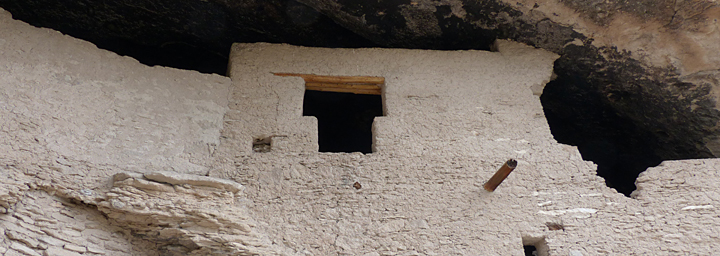
In Chaco, named for its location in Chaco Canyon, architecture was of two main types: 1) massive and magnificent Great Houses soaring up to 5 stories high, built of finely worked, thick stone masonry with unique T-shaped doors ——————– Is the significance of the “T” shape seen in ancient stonework windows and doors throughout the Americas understood? https://www.reddit.com/r/AskAnthropology/comments/2vtoez/is_the_significance_of_the_t_shape_seen_in/

I visited Mesa Verde 2 summers ago and was struck by the T-shaped windows. This shape is found in many places in the Americas, including Mexico, Ecuador, and Peru. (Mesa Verde, Chiapas Mexico, Gila National Park, Chaco Canyon) There are even T-shaped doors and monuments at Göbekli Tepe but these are on the other side of the planet and thousands of years older.I was wondering if we understood what the T-shape meant to these ancient peoples and if the significance differed from place to place? level 1RioAbajo·7y·edited 7yM.A. | Colonialism • Southwestern U.S. To my knowledge no one has proposed a satisfactory explanation for the T-shaped entries in the US Southwest. It pretty much falls out of the Pueblo architectural canon after about 1300 AD though, which corresponds with a lot of changes to religious practices. Makes me think it might have some religious significance, but that is purely speculative. This book would probably be the best place to start. It may also be relevant to note that is is a particularly Pueblo architectural feature. There aren’t any Hohokam or northern Mexican sites with T-shaped doors or windows (with the important exception of Paquime in Chihuahua). Even if there are one or two I’m not aware of, it definitely isn’t a common feature of those architectural styles like it is in some Pueblo areas. As for Mesoamerican, all I know is that in the Maya case it may have something to do with the written representation of the word ” ik’ ” which means wind, breath, or life. As to your last question, odds are the significance of the shape is different in all these locations. The US Southwest and Mesoamerica have a fairly involved history together, so the T-shape might have similar origins in both places. The prevalence of the shape at Paquime and at Chacoan sites hints at this, since the religious structure of both societies is probably heavily influenced by Mesoamerican religious thought. I would doubt they have the exact same meaning though. South America is an entirely different situation, and as you point out, it isn’t limited to the New World as a meaningful architectural shape. ————————–

=====================
From Significance of the“T” Shape to the Ancient Anasazi, and Possible Connection to India
Ray Urbaniak © 2003 https://naturalfrequency.net/Solstice/Significance%20of%20the%20Detailed.pdf ( “T” & “O” Shaped Spiritual & Dimensional Portals)
It is only recently that we can see the possibility of traveling into deep space via our
engineering achievements.
This will be the fulfillment of the mankind’s dream which has persisted for thousands of
years. However, this does not mean that no one has yet wished to visit the stars. Over
thousands of years, Shamans from around the world may have developed their own
“non technical” means of travel, since technology was not an option. Those with the
spiritual Development, Wisdom, & strongest desire may have already ventured to the
stars. A space ship was not an option, so they pursued the options available to them!
Spiritual Portals & Dimensional Portals were their vehicles.3
A “T” Shaped Doorway
According to Omeakaehekatl(Erick Gonzalez), An Aj Q’ij of the Cakchikel Maya (Mexico),
“The Symbol of I’q is drawn as a “T” ,representing a doorway into the Spirit World and
other Dimensions. The “T” forms half of a cross the other half lies in the Spirit World.
The Wind Spirit, is the half of the manifestation that we cannot see in the physical
realm. Many of the Mayan Temples have doorways and windows in the shape of a “T”.
They are not only physical doorways but also spiritual doorways. Air is the vehicle into
the Spirit that is controlled by the breath.”4
According to Alex Patterson in A Field Guide to Rock Art Symbols of the Greater
Southwest quotes on page 197, Mc Kern 1978:13,41 .. “The ‘T’ shaped doorways were
found to exclusively offer ingress and egress to and from rooms immediately adjoining
kivas and towers, or situated in towers(at Mesa Verde)(Attachment A).

In sum, there is some evidence to support an opinion that T-shaped doorways were
present only in ceremonial chambers or rooms used by shamans, priests or similar
personage.” 5 Patterson also quotes Dipeso(7) 1974:324-325…speaking about altar
stones found at Casas Grandes(photo 6), Mexico “Two of the slabs had centrally placed
T-shaped openings through them…The resemblance in the T-shape to those of actual
doorways…suggested that these holes were possibly made as “spirit entrances”.In fact “T” shaped dwellings are also found in Mexico & Peru as well as India.
….When we did reach our destination, there was at least a couple of “I” shaped
petroglyphs(Photo 1) which could be referred to as double “T” shapes…

https://road2ruins.com/photos-petroglyphs-and-pictographs-from-the-ancient-ancestors/

@@@@@@@@@@@@@@@@@@@@@@@@@@@@@@@@@@@@@@@@ Map of ancient Anatolia showing the locations of Luwian (Luwic)https://www.researchgate.net › figure › Map-of-ancient-A.. .Megalithic sites with T-shaped Pillars west and east of the Euphrates River are indicated in … “H“-shaped Luwian symbol is the logogram for PORTA (“gate“; From World’s First Known Written Word at Göbekli Tepe on T-Shaped Pillar 18 Means GodManu Seyfzadeh, Robert Schoch
Institute for the Study of the Origins of Civilization, College of General Studies, Boston University, Boston, MA, USA https://www.scirp.org/journal/paperinformation.aspx?paperid=90367 Further supporting a linguistic connection between Luwian hieroglyphs and images at Göbekli Tepe are to date untranslated Luwian symbols resembling the T-shape iconography of Göbekli Tepe and an H-like symbol which was the Luwian word for “gate”. We conclude that the T-shaped pillars at Göbekli Tepe were in fact built and symbolically marked to represent a god, possibly a bull-associated being, which guarded the entry to the human and animal afterlife. ……. The “H”-shaped Luwian symbol is the logogram for PORTA (“gate”; Petra Goedegebuure, personal communication) and is seen in detail for example in an inscription from Arslan Tepe (Figure 10). Figure 10. Luwian rock inscription from Arslan Tepe at the Anatolian Civilizations Museum in Ankara, Turkey; circa 1100-1000 B.C.E. The “H”-shaped symbol is shown marked in red. Image courtesy of Tayfun Bilgin, https://www.hittitemonuments.com, (v. 1.61), modified.
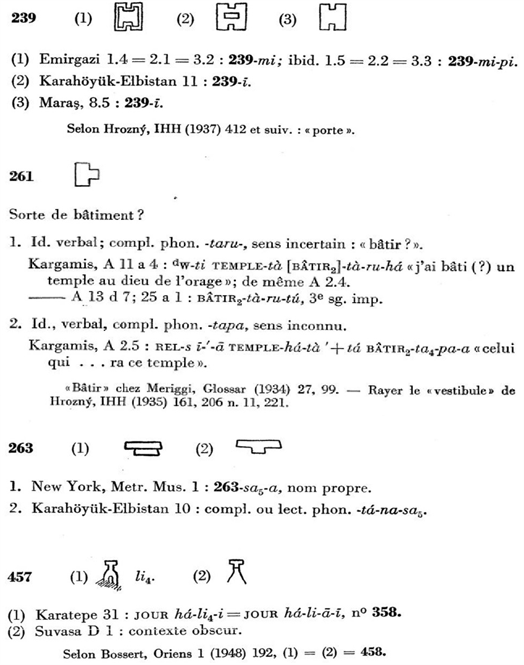
There are “T”-shaped Luwian symbols, the meaning of which still eludes translation. One such symbol, Laroche #457 (2) (Figure 11) shows a “T” on a steep mount. An example can be seen in situ at Sivasa (Figure 12). NOTE I allready sustained (as many others” that H SHAPE IS THE SCHEMATIZATION OF ORION CONSTELLATION SHAPE=ASTERISM, WICH IN PREHISTORY WAS SEEN AS GATEWAY TO HEAVEN !

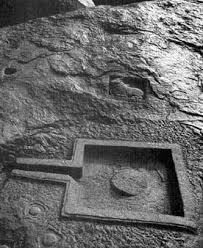
Gobekli Tepe’s stone porthole, in fact (soul) GATEWAY

C O N C L U S I O N S -I not dare to link Gobekli Tepe T-shaped pillars any further than with sumerian sign me::”being, divine powers”. – Hittite sign T is altar,temple. Gobekli portholes can be connected with luwian sign H :”gate”. – But further we cannot make any link between Anatolian T pillars and Egyptian gate, or much later Anasazi T-shaped doors. I wonder if some symbols could bd transmitted from generation to generation 6, 000 years (from 9 600 B.C/Gobekli Tepe tob3 600 B.C./sumerians) in a continous way. Thought possible IF the site of Gobekli Tepe it is not so old….as is sustained by schollar Dimitrios S. Dendrinos: https://www.researchgate.net › 3174…(PDF) Dating Gobekli Tepe – ResearchGate9 iun. 2017 — Dating Gobekli Tepe: the evidence doesn’t support a PPNB date, but instead a possibly much later one. Dimitrios S. Dendrinos Ph.D., …
Göbekli Tepe’den ayin merkezi/kutsal/ibadethanenin önemi. Pratik olarak ne için kullanıldılar.
August 12, 2021Araştırmacılar, merkezin hangi özel ritüel ihtiyaçları için inşa edildiğini bilmiyorlar veya kesin olarak söyleyemezler. Tesislerin genel işlevi gizemli kalır. Bazı kült anıtlar, kutsal alan, ev dışı ritüel yapılar mı? .. veya uygun tapınaklar? . Yani orada somut olarak ne tür ritüellerin veya faaliyetlerin uygulandığı kesin olarak bilinmemektedir: – çok yıllı toplantılar, bayramlar, festivaller, inisiyasyon ritüelleri veya ölüler ve atalar kültü ile ilgili, kült bayramları vb. Şamanlar tarafından yönetildikleri anlaşılır. Orada karmaşık ritüeller uyguladılar ve ritüel dediğimizde din deriz.
İtibaren https://www.academia.edu › Klaus_…(PDF) Klaus Schmidt Gobekli Tepe | Fatih Gumus – Academia.edu “Göbekli Tepe, toplulukların karmaşık ayinler yapmak için buluştuğu bölgesel bir merkez gibi görünüyor.”
Evet, bazı erken dönem dinlerin, animizm, totemizm, şamanizm türlerinin unsurlarını içeren karmaşık ayinler ve ritüeller. bugün din dediğimiz, şamanlar tarafından yönetilen ve koordine edilen ritüeller olan bölgeye özgü ortak bir üniter kült çatısı altında gerçekleşti.
İtibaren https://www.tellerreport.com › life Göbekli Tepe: Festivals and orgies paved the way for civilization … “Bilinmeyen tanrılarının anıtsal heykellerini dikerek, daha uzak mesafelerdeki sosyal ilişkilerin temellerini de attılar. Önemli kaynakları tüketen bu çalışma için bir ödül ve teşvik olarak, zaman zaman muhtemelen büyük ziyafetlere, hatta muhtemelen alemlere dönüşen “yemekler” vardı. Bu festivaller aynı zamanda temsil ve deneyim alışverişine de hizmet ettiğinden, medeniyetin ilerleyişi.”
Ayrıca bakınız, https://www.researchgate.net › 2357…(PDF) The role of cult and feasting in the emergence of Neolithic …
Araştırmam, bazı ön sonuçlara varmama neden olan bazı unsurlar ve fikirlerle tekrar tekrar ve hatta takıntılı bir şekilde karşılaşmama neden oldu:
• Göbekli Tepe’nin bitişiğindeki bölge sakinleri, yaşamanın ve hatta hayatta kalmanın son derece zor olduğu zaman dilimleri ve kriz ve kıtlık anları yaşadılar ve büyük krizler yaşadılar. Hayatta kalma, neslinin tükenmesinin eşiğindeydi, bu yüzden bir ölüm kalım meselesiydi. Anıtların gömülme anlarını böyle açıklıyorum.
• Aksiyon mükemmel bir şekilde organize edilmiş olsa bile avlanma, aynı zamanda avlanma rastgele bir sonuca yol açar. Çok sayıda sürü olsa bile avcılar büyük gruplar halinde hareket etmezler. Bu yüzden bazen birkaç tane toplamak hem gerekli hem de açıklanabilir.
Tekrar tekrar karşılaştığım, neredeyse saplantılı bir şekilde geri döndüğüm ve sunduğum ilke, fikir veya unsur HAYAT idi. Çünkü kaygılarda ve gündelik varoluşta hep vardı.
• Sonra o avcı-toplayıcıların hayatta kalmanın zorunlu olarak örgütlenme, işbirliği ve birlik gerektirdiğini anladıklarını anladım. Yani, çok erken bir zamanda, işbirliğinin gerekliliği ve zorunluluğu konusunda bir anlayış vardı. Sonuç olarak, ayrı, birbirine bağlı ve üniter bir topluluk bilincini kazandılar.
Kozmolojik anlayışları ne olursa olsun, Göbekli Tepe sakinleri karmaşık felsefeler yapmadılar. Muhtemelen herhangi bir ilah tipi varlığı icat etmediler veya yardımını beklemiyorlardı. Hayatı veya hayatın ruhunu doğrudan sorgulayan ve talep eden bir aracıya başvurmadılar. Doğrudan temas kurdukları doğayı evcilleştirmeye ve ona yaklaşmaya çalıştılar. Şamanlar aracılığıyla olsa bile. Doğa ruhlar aracılığıyla tezahür etti.
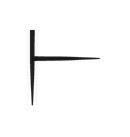
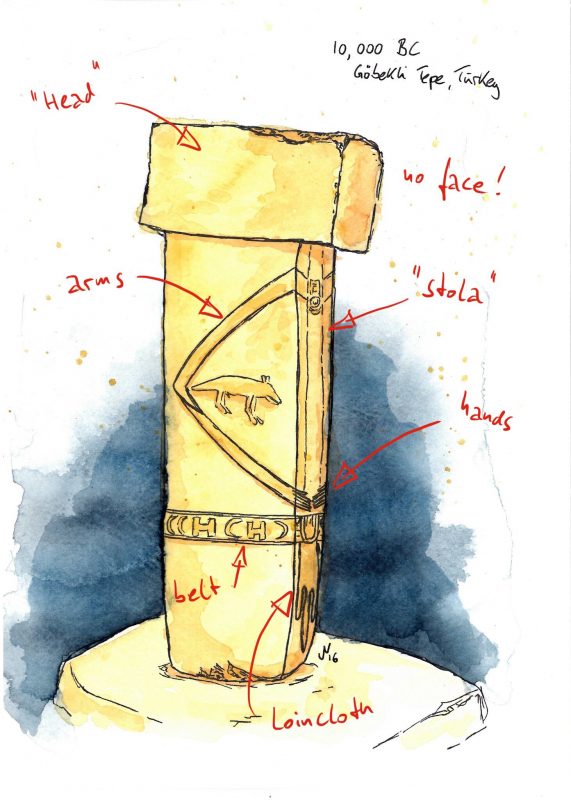
T-sütunlarının ve T-sembolünün, Göbekli Tepe’den (9.000 I.E.N.) 5500 yıl sonrasına kadar Sümerlere (3.500 I.E.N.) sürekli olarak varlığı, yaşama arzusunu, genel olarak HAYAT‘ı temsil ettiğini varsayıyorum.
Itibaren proto-cuneiform signs https://cdli.ucla.edu › tools › protocuneiform › archsigns
prepottery Instagram posts – Gramho.com https://encrypted-tbn0.gstatic.com/images?q=tbn:ANd9GcQokfGI0ZUEUfmaFOS-MrTfr3ua2Ug4CFbeBg&usqp=CAU
İtibaren http://oracc.museum.upenn.edu › te…Rezultate de pe webAncient Mesopotamian Gods and Goddesses – Technical terms11 feb. 2013 —<<Sümerce ME kelimesi (çoğul ME’ler), Mezopotamya dininin anahtar kavramını ifade eder. Genellikle “ilahi güçler” olarak tercüme edilir.>>
İtibaren http://www.academia.edu › The_ori…(PDF) The origin of Sumerian tongue | Sumerian Language … Sümer ben [VARLIK] (750x: ED IIIb, Eski Akadca, Lagash II, Eski Babilce) wr. me “Varlık, kozmik faaliyeti sağlayan ilahi özellikler; ofis;
Yani başlangıçta (9.600 I.E.N.) sadece T şeklindeki sütunlarda ikamet eden yaşam ruhu vardı. Bu şekilde, sütunun, taşın bir ruhu yoktu, ama ruhsal bir yükü vardı, ruhu.
İtibaren https://www.researchgate.net › 2700… (PDF) Göbekli Tepe – The Stone Age Sanctuaries. New results of … << Klaus Schmidt: “Bu dönemde tanrı kavramlarının var olup olmadığını kesin olarak söyleyemeyeceğimiz gibi, son derece şık T biçimli sütunlarla kimin temsil edildiği sorusu açık kalıyor. Bu muhafazaların ortasındaki sütun heykellerinin çok güçlü varlıkları temsil ettiği açıktır. Erken Neolitik insanların zihninde tanrılar varsa, T-şeklinin tanrıların bilinen ilk anıtsal tasviri olması çok büyük bir olasılıktır”>>
Anıtların bir sembolü, dönüm noktasını ve hayata saygıyı temsil ettiğini anladım. Birçok kez bölge sakinleri büyük kriz dönemlerinden geçtiler. Yaşamın gelişimi için azami zorluk koşullarında, faaliyetlerini kısıtladılar ve anıtları koruma altına aldılar. Sonra, mucizevi bir şekilde iyileştiler. İyimserlikle yeni güçler ve umutlar varlıklarını sürdürdüler. Yaşamın sembollerini yeniden inşa ettiler ve yeni umut ve inanç kaynakları buldular. T şeklindeki sütunlar, topluluğu, birliğini, dayanışmasını temsil eden totem sütunların işlevine sahiptir. Ama aynı zamanda sürekliliği ve gücü.
Not. 1. Doğurganlık, yaşamın yaratılması ve sürdürülmesidir, bu nedenle doğurganlık kutlaması bir şekilde yaşamdan biridir. 2. Ölüm, yaşam döngüsünün başka bir düzlemde devamıdır. Yaşam ve ölüm, doğal bir döngü içinde yakından bağlantılıdır. 3. Göbekli Tepe’de (Yukarı Mezopotamya’nın bir parçası), bazı höyüklerimiz var, yapay görünüyor ve aynı zamanda bir tapınak. Sümer edebiyatında “dağ tapınağı” Ekur’dan ve “kutsal höyük” Du-ku’dan söz edilir.
Ek belgeler / Ek belgeler / Ek belgeler
İtibaren https://www.sumerian.org › prot-sum <<Proto-Sümer Dili Buluş Süreci John Halloran “Diakonoff 1983’te yazdı, “Sözcüksel düzeyde, soyut fikirleri ifade etmek için hiç veya çok az gelişmiş araçlara sahip herhangi bir dili ‘arkaik’ olarak tanımlayacağım. düzeyde, muhalefetin ‘eylem vs devlet’ üzerine kuruludur.” “Arkaik bir dilde, ‘zaman’, ‘mekân’, ‘özne’, ‘nesne’, ‘neden’, ‘güzellik’, ‘özgürlük’ gibi soyut fikirleri ifade etmek için ne sözcüksel ne de dilbilgisel yeterli araç yoktur. “icat”, “çarpma”, “bölme” ve bazıları bize temel görünen, örneğin “karanlık”, “felaket”, “hastalık” ve “acı” vb. arasındaki ayrım gibi, diğerleri, veya ‘iyi’, ‘keyifli’, ‘nazik’, ‘mutlu’, ‘yararlı’, ‘şanslı’ vb. arasında. Ancak, tümevarımsal düşünme, yani belirli olgulardan bir genellemeye ilerleyen düşünce olmadan insan düşüncesi imkansızdır. ” “Genel fikirleri ifade etmek için sözcüksel ve dilbilgisel araçların geliştirilmesi, bir yandan amacı nesnelerin duygusal olmayan bir bilgisine sahip olan bilimsel düşüncenin ve diğer yandan amacı belirli olan sanatsal düşüncenin yolunu açar. insanın nesnelere karşı tutumunun ve nesnelerle ilişkisinin duygusal bilişidir.” Diakonoff devam ediyor, “Sümerce, soyut fikirlerin oluştuğu arkaik bir dildir: bu yüzden hem Sümer dili hem de Sümer mitolojisi çok ilginçtir. Bir özne-nesne ilişkisini ifade etmek için hiçbir aracı yoktur ve zaman fikrini vb. ifade etmek için çok yetersiz araçları vardır.” [“Sümer rakamlarını soyut düşüncenin gelişme yolundaki yeri açısından tartışacak olan” 1983 tarihli bir makaleden” >>
İtibaren, Görmek: https://www.britannica.com › topic Feast – The significance of seasonal renewal in ancient Mesopotamia … ================= Eğer sütunlarının hayatın özünü ve ruhunu temsil ettiğine dair fikrim biraz tuhafsa, bunun yerine tüm ritüel kompleksin rolü ve amacı hakkındaki vizyon, yani onun hayata bir haraç ve anıt olduğu görüşü başkaları tarafından paylaşılıyor:
İtibaren Neolithic House Party – Eastern Turkey Tours https://www.easternturkeytour.org › neolithic-house-party <<Peki, Nevali Çori’den taş kaplumbağa dansçılarımız, yaşam ve ölümün kutlanmasında mistik kaplumbağa varlıklarla farklı bilinç hallerinde şamanistik bir dans mı yoksa sadece akşam yemeği mi? >>
İtibaren, GOBEKLITEPE IN TURKEY: THE WORLD’S … – Nikola Benin https://www.turkeyhomes.com › post Gobeklitepe In Turkey: The World’s First Temple – from blog – Turkey … 24 ian. 2019 — << Temel kaygıları yiyecek bulmak olduğundan, avcıların burada yaşamın bir kutlaması olarak yemek ziyafetleri düzenlediğine dair teoriler ortaya çıktı. >>
İtibaren https://tr.pinterest.com › pin 2014/03/09 – YENİ: Göbekli Tepe Haber | Alman Arkeoloji – Pinterest 2014.03.09 – NEW:Göbekli Tepe Newsletter | Deutsches Archäologisches . … <<Onlar için cenaze, hayatın büyük bir kutlamasıdır, tıpkı bir ..>>
İtibaren, Göbekli Tepe: Neolithic Gathering and Feasting at the Beginning of Food Production By Jens Notroff & Oliver Dietrich https://www.asor.org/anetoday/2017/07/gobekli-tepe/ <<Göbekli Tepe’deki görünüşte sürekli inşaat faaliyetine yansıyan, toplu iş etkinlikleri olarak yürütülen büyük toplumsal görevler, insanların bir araya gelmesi için birleştirici bir neden sağladı. Ek olarak, etnografik çalışmalar, bu tür ortak projeler için gerekli işgücünün cömert ziyafetler beklentisiyle bir araya getirilebileceğini gösteren daha fazla örnek sunmaktadır. Göbekli Tepe’de durumun böyle olabileceği, çevrelemelerin kireçtaşı moloz, çakmaktaşı eserler, taş kap parçaları, diğer öğütme taş aletler ve özellikle oluşan devasa miktardaki dolgu malzemesine daha yakından bakıldığında daha da doğrulanmaktadır. etkileyici bir şekilde çok sayıda hayvan kemiği – özellikle ceylan ve yaban öküzü. Bu kalıntılar, büyük olasılıkla, anıt inşaatı da dahil olmak üzere bu büyük ölçekli toplantıları ve ortak faaliyetleri çerçeveleyen ziyafetler sırasında, muazzam miktarda et tüketimine işaret ediyor. Göbekli Tepe’de tekrarlanan ziyafetler, yalnızca orada buluşan bireyler ve gruplar arasında sosyal bağların oluşturulmasında ve güçlendirilmesinde önemli bir rol oynamamış olabilir, aynı zamanda bu avcı-toplayıcıların bu kadar büyük kalabalığı tekrar tekrar beslemek için ekonomik potansiyelini vurgulamış olmalıdır. Bu baskıya cevaben, yeni gıda kaynakları ve işleme teknikleri keşfedilmiş olabilir ve ardından geçim stratejisinde tam bir değişikliğin önünü açmış olabilir. Bu senaryoda, iş şölenlerini karmaşık, kolektif görevlerin yerine getirilmesi için mümkün olduğunca çok el çekmeye motive eden anıtsal dini mimarinin erken ortaya çıkışı, insanlık tarihinin en önemli anlarından birine ilişkin anlayışımızı değiştiriyor: tarım ve hayvancılığın ortaya çıkışı. – ve gıda üretiminin başlangıcı ve Neolitik yaşam biçimi>>
İtibaren What is a Celebration of Life Service? | Lassahn Funeral Homeshttps://www.lassahnfuneralhomes.com › celebration-of-… << İlginç; cenazeler ve yaşam kutlamalarının pek çok ortak noktası vardır >>.
Itibaren, Anthropomorphic Images in Rock Art Paintings and Rock CarvingsTerence Meaden, Herman Bender — 2020 · Social Science “Göbekli Tepe, Muhafaza C, Sütun 12, kaburgaları ve omurgası belirgin bir şekilde dışarı çıkıyor, bu da şunlardan bahsediyor: aşırı açlık ve açlık“
Unutmayalım: şimdiye kadar başkaları tarafından fark edilmeyen ilginç bir yön. Kutsal mahalleler gömüldükten sonra, bir süre sonra yeniden inşa edildi, ancak sütunların şeklini değiştirmediler, yani T’deki. işareti, o uygarlığı ve nüfusu tanımlayan işaret? Başlangıçtaki anlam zamanla bulanıklaşabilir. 2000 yıldır kullanılan haç sembolüne paralel çizmem gerekiyor. Burada 2.500 yılımız var (9.600-7000 B.C.) 2.500 yıl boyunca bir milimetre bile şekil değiştirmediler! Yukarıda neden benim fikrim var.
The significance of the ritual center/ sanctuary /place of worship from Göbekli Tepe. What they were practically used for.
August 10, 2021Researchers do not know or rather cannot say for sure what specific ritual needs the center was built for. The general function of the premises remains mysterious. Are they some cult monuments, sanctuary, non-domestic ritual buildings? .. or temples proper? . That is, it is not known for sure what kind of rituals or activities were practiced there in concrete terms: – multiannual gatherings, holidays, festivals, initiation rituals or related to the cult of the dead and ancestors, cultic feasts, etc. It is understandable that they were led by shamans. There they practiced complex rituals and when we say ritual we say religion. From https://www.academia.edu › Klaus_…(PDF) Klaus Schmidt Gobekli Tepe | Fatih Gumus – Academia.edu “Gobekli Tepe seems to have been a regional center where communities met to engage in complex rites.” Yes, complex rites and rituals that contain elements of some forms of early religions, animism, totemism, shamanism. they took place under the umbrella of a common unitary cult specific to the area, which today we would call religion, rituals led and coordinated by shamans. From https://www.tellerreport.com › life Göbekli Tepe: Festivals and orgies paved the way for civilization … “By erecting monumental statues of their unknown gods, they also laid the foundation for social contact over greater distances. As a reward and incentive for this work, which devoured considerable resources, there were “meals”, which at times probably degenerated into large feasts or possibly even orgies.Since these festivals also served for representation and the exchange of experiences, they also contributed to the progress of civilization.” See also, https://www.researchgate.net › 2357…(PDF) The role of cult and feasting in the emergence of Neolithic … My research has led me to repeatedly and even obsessively encounter some elements and ideas that led me to draw some preliminary conclusions: – The inhabitants of the area adjacent to Gobekli Tepe went through periods of time and moments of crisis and famine in which living and even survival were extremely difficult, so they went through major crises. Survival was on the verge of extinction, so a matter of life and death. This is how I explain the burial moments of the monuments. – Even if the action of hunting is perfectly organized, but also hunting leads to a random result. Even if there are many herds, hunters do not act in large groups. So sometimes gathering several is both necessary and explainable. – The principle, idea, or element that I met repeatedly, returning almost obsessively and present was LIFE. Because it was always present in the concerns and daily existence. – Then I understood that those hunter-gatherers realized that survival necessarily requires organization, cooperation and unity. That is, quite early there was an understanding of the need and obligation of collaboration. As a consequence they acquired the consciousness of a distinct, cohesive and unitary community. – Regardless of their cosmological conception, the inhabitants of Gobekli Tepe did not make complex philosophies. They probably did not invent or expect the help of any deity-type entity. They did not resort to an intermediary who directly questioned and implored life or the spirit of life. They tried to understand to tame and approach the nature with which they had direct contact. Even if intermediate by shamans. Nature was manifest through spirits. – I hypothesize that the T-pillars and the T-symbol continuously represented from Gobekli Tepe (9,000 I.E.N.) until after 5,500 years to the Sumerians (3,500 I.E.N.) the being, the will to live, LIFE in general. From https://cdli.ucla.edu › tools › archsigns proto-cuneiform signs sign “me”:
- From http://oracc.museum.upenn.edu › te…Rezultate de pe webAncient Mesopotamian Gods and Goddesses – Technical terms11 feb. 2013 — The Sumerian word ME (plural MEs) denotes a key concept of Mesopotamian religion. It is often translated as “divine powers”
- From http://www.academia.edu › The_ori…(PDF) The origin of Sumerian tongue | Sumerian Language …Sumerian me [BEING] (750x: ED IIIb, Old Akkadian, Lagash II, Old Babylonian) wr. me “Being, divine properties enabling cosmic activity; office; .
- So in the beginning, (9,600 I.E.N.) there was only the spirit of life that had the dwelling in the T-shaped pillars. In this way the pillar, the stone did not have a soul, but had a spiritual charge, the spirit.
- From https://www.researchgate.net › 2700… (PDF) Göbekli Tepe – The Stone Age Sanctuaries. New results of … << Klaus Schmidt: “The question of who is being represented by the highly styliside T shaped pillars remains open, as we can not say with certitude if concepts of gods existed at this time.So the general function of enclosures remains mysterious, but it is clear that the pillar statues in the centre of these enclosures represented very powerful beings.If gods existed in the minds of Early Neolithic people, there is an overwhelming probability that the T-shape is the first known monumental depiction of gods”>>
- I understood that the monuments represent a symbol, landmark and homage to life. Many times the inhabitants went through periods of major crises. In conditions of maximum adversity for the development of life, they restricted their activity and put the monuments in conservation. Then, miraculously, they seemed to recover. With optimism, new forces and hopes continued their existence. They rebuilt the symbols of life and found new resources of hope and faith. The T-shaped pillars have the function of totemic pillars that represent the community, its unity, its solidarity. But also its continuity and strength.
- Note. 1. Fertility is the creation and perpetuation of life, so a fertility celebration is somehow one of life. 2. Death is the continuation of the life cycle on another plane. Life and death are closely linked in a natural cycle. 3. At Gobekli Tepe (which is part of Upper Mesopotamia), we have some mounds, it looks artificial and also a temple. In Sumerian literature there is talk of Ekur, the “mountain temple,” and Du–ku, the “holy mound.”
Additional documentation / A d d i t i o n a l d o c u m e n t a t i o n
From https://www.sumerian.org › prot-sum The Proto-Sumerian Language Invention Process John Halloran << “Diakonoff wrote in 1983, “I shall define as ‘archaic’ any language which, on the lexical level, has no or only poorly developed means of expressing abstract ideas, and on the grammatical level, is based on the opposition ‘action vs. state’.” “In an archaic language there are no adequate means, either lexical or grammatical, to express such abstract ideas as ‘time’, ‘space’, ‘subject’, ‘object’, ’cause’, ‘beauty’, ‘liberty’, ‘invention’, ‘multiplication’, ‘division’ and many others, some of which appear to us elemental, as, e.g., the distinction between ‘darkness’, ‘calamity’, ‘illness’, and ‘pain’, etc., or between ‘good’, ‘enjoyable’, ‘kind’, ‘happy’, ‘useful’, ‘lucky’, etc. However, human thought is impossible without inductive thinking, i.e., thought which proceeds from particular facts to a generalization.” “The development of lexical and grammatical means to express general ideas opens the way, on the one hand, for scientific thought, which has as its goal a non-emotional cognition of objects, and on the other, for specifically artistic thought, whose goal is the emotional cognition of man’s attitude toward and relation to objects.” Diakonoff continues, “Sumerian is an archaic language in which abstract ideas were in the making: this is why both Sumerian language and Sumerian mythology are so interesting. It has no means to express a subject-object relation, and very inadequate means to express the idea of time etc.” [From a 1983 paper which, “will discuss the Sumerian numerals from the point of view of their place on the road of development of abstract thinking,” >>
From Neolithic House Party – Eastern Turkey Tours https://www.easternturkeytour.org › neolithic-house-party <<So, our stone turtle dancers from Nevali Çori, a shamanistic dance in altered states of consciousness with mystical turtle beings in a celebration of life and death, or just dinner? >>
See : https://www.britannica.com › topic Feast – The significance of seasonal renewal in ancient Mesopotamia … ================= If my opinion that the T-pillars represent the essence and the spirit of life is somewhat singular, instead the vision on the role and purpose of the whole ritual complex, namely that it is a tribute and memorial to life is shared by others: From GOBEKLITEPE IN TURKEY: THE WORLD’S … – Nikola Benin https://www.turkeyhomes.com › post Gobeklitepe In Turkey: The World’s First Temple – from blog – Turkey … 24 ian. 2019 — <<Theories arose that hunters held food feasts here, as a celebration of life, since finding food was their primary concern >> From https://tr.pinterest.com › pin 2014/03/09 – YENİ: Göbekli Tepe Haber | Alman Arkeoloji – Pinterest 2014.03.09 – NEW:Göbekli Tepe Newsletter | Deutsches Archäologisches . … <<For them, a funeral is a great celebration of life, much like a ..>>
From Göbekli Tepe: Neolithic Gathering and Feasting at the Beginning of Food Production By Jens Notroff & Oliver Dietrich https://www.asor.org/anetoday/2017/07/gobekli-tepe/ << Large communal tasks executed as collective work events, reflected in the apparently continuous construction activity at Göbekli Tepe, provided a unifying reason for people to come together. Additionally ethnographic studies provide more examples demonstrating that work forces necessary for such collaborative projects can be gathered with the prospect of lavish feasts. That this may have been the case at Göbekli Tepe is further corroborated by a closer look at the massive amount of filling material of the enclosures, which consists of limestone rubble, flint artefacts, fragments of stone vessels, other ground stone tools, and in particular an impressively large numbers of animal bones – above all gazelle and aurochs. These remains hint at the consumption of enormous amounts of meat, most likely during feasts framing these large-scale meetings and communal activities, including monument construction. Repetitive feasting at Göbekli Tepe may have played an essential role not only in creating and strengthening social bonds among the individuals and groups meeting there, but must also have stressed the economic potential of these hunter-gatherers to repeatedly feed such large crowds. In response to this pressure, new food resources and processing techniques may have been explored, subsequently paving the way for a complete change in subsistence strategy. In this scenario, the early appearance of monumental religious architecture motivating work feasts to draw as many hands as possible for the execution of complex, collective tasks is changing our understanding of one of the key moments in human history: the emergence of agriculture and animal husbandry – and the onset of food production and the Neolithic way of live.>>
From What is a Celebration of Life Service? | Lassahn Funeral Homeshttps://www.lassahnfuneralhomes.com › celebration-of-… Feasting, Social Complexity, and the Emergence of the Early Neolithic of Upper Mesopotamia: A View from Göbekli Tepe “The present contribution explores the possible role of feasting in the emergence of social complexity , hierarchical societies and the shift to the Neolithic way of life in Upper Mesopotamia ….Vast evidence for feasting at the site seems to hint at work feasts to accomplish the common, religiously motivated task of constructing these enclosures.” From https://books.google.ro › booksAnthropomorphic Images in Rock Art Paintings and Rock CarvingsTerence Meaden, Herman Bender — 2020 · Social Science “Gobekli Tepe, Enclosure C, Pillar 12 with her ribs and backbone conspicuously sticking out, which speaks of extreme hunger and starvation” Let’s not forget: an interesting aspect, unnoticed by someone else until now. After sacred precincts were burried, after some time were rebuilt, but they kept the shape of the pillars unchanged, namely that in T. Does this fact show that it was an extremely strong and important symbol that signified something, or maybe it was just the mark, the sign by which that civilization and population identified? The initial meaning may become blurred over time. I have to draw a parallel with the symbol of the cross used for 2,000 years. Here we have 2,500 years (9,600-7,000 B.C.) During the 2,500 years they have not changed shape by a millimeter! Above you have my opinion why.
Semnificatia centrului ritualic, a sanctuarelor/ lacaselor de cult de la Göbekli Tepe.La ce foloseau practic.
August 6, 2021Cercetatorii nu stiu sau mai bine zis nu pot afirma cu siguranta pentru ce necesitati ritualice specifice a fost construit centrul .Functia generala a incintelor ramane misterioasa.E vorba de niste monumente cultice, cladiri rituale nedomestice ?.. sau altare ori temple propriu-zise ?. Adica nu se stie sigur ce fel de ritualuri sau activitati sau practicat acolo in mod concret: – adunari multianuale, sarbatori(ri), festivaluri, ritualuri de initiere sau legate de cultul mortilor si stramosilor, ospete cultice etc.Este de inteles ca acestea erau conduse de samani.
Acolo sau practicat ritualuri complexe si cand zicem ritual zicem religie:
https://www.academia.edu › Klaus_…(PDF) Klaus Schmidt Gobekli Tepe | Fatih Gumus – Academia.edu
“Gobekli Tepe seems to have been a regional centre where comunities met to engage in complex rites” Lb.Rom.: “Gobekli Tepe pare sa fi fost un centru regional in care comunitatile s-au intalnit pentru a se angaja in rituri complexe.
Da, rituri si ritualuri complexe care contin elemente al unor forme de religii timpurii, animism, totemism, samanism.Indiferent ca unele ritualuri par a fi cazone toate ceremoniile legate de cultul mortilor si stramosilor,ceremoniile si sarbatorile fertilitatii, cele de initiere si toate celelalte se desfasurau sub umbrela unui cult comun unitar specific zonei, pe care azi l-am numi religie, ritualuri conduse si coordonat de samani.
Din https://www.tellerreport.com › life Göbekli Tepe: Festivals and orgies paved the way for civilization … “By erecting monumental statues of their unknown gods, they also laid the foundation for social contact over greater distances. As a reward and incentive for this work, which devoured considerable resources, there were “meals”, which at times probably degenerated into large feasts or possibly even orgies.Since these festivals also served for representation and the exchange of experiences, they also contributed to the progress of civilization.” Lb.Rom.: “Ridicând statui monumentale ale zeilor lor necunoscuți, ei au pus, de asemenea, bazele contactului social pe distanțe mai mari. Ca recompensă și stimulent pentru această lucrare, care a devorat resurse considerabile, au existat “mese “, care uneori probabil degenerează în sărbători mari. sau chiar chiar orgii. Deoarece aceste festivaluri au servit și pentru reprezentare și schimb de experiențe, au contribuit și la progresul civilizației. “
A se vedea si https://www.researchgate.net › 2357…(PDF) The role of cult and feasting in the emergence of Neolithic …
Cercetarea mea a facut sa intalnesc in mod repetat si chiar obsesiv, cateva elemente si idei care m-au determinat sa trag niste concluzii preliminare:
- Locuitorii ariei limitrofe lui Gobekli Tepe au trecut prin intervale de timp si momente de criza si foamete in care traiul si chiar supravietuirea au fost extrem de dificile, deci au trecut prin crize majore.Supravietuirea a fost la limita pragului extinctiei, deci o chestiune de viata si de moarte. Asa imi explic momentele de ingropari ale monumentelor.
- Vanatoarea chiar daca actiunea este perfect organizata, dar si vanatul conduc la un rezultat aleatoriu.Chiar daca sunt multi haitasi, vanatorii nu actioneaza in grupuri mari.Asa incat adunarea cateodata a mai multora este atat necesara cat si explicabila.
- Principiul, ideea, sau elementul pe care l-am intalnit in mod repetat, revenind aproape obsesiv si prezent a fost VIATA.Pentru ca a fost tot timpul prezent in preocuparile si existenta zilnica.
- Apoi am inteles ca acei vanatori-culegatori au realizat ca supravietuirea necesita obligatoriu organizare, cooperare si unitate.Adica destul de devreme a existat intelegerea necesitatii si obligativitatii colaborarii.Ca si consecinta au dobandit constiinta unei comunitati distincte, inchegate si unitare.
- Indiferent de conceptia lor cosmologica, locuitorii din Gobekli Tepe nu au facut filozofii complexe. Probabil nu au inventat nici asteptat ajutorul vre-unei entitati de tipul divinitatii. Nu au recurs la un intermediar cia au interogat si implorat direct viata sau duhul vietii. Au incercat sa inteleaga sa imblanzeasca si sa-si apropie natura cu care aveau contact direct continuu.Chiar daca prin intermediul samanilor.Natura era manifesta prin spirite.
- Eu avansez ipoteza ca pilonii T si simbolul T au reprezentat in mod continuu de la Gobekli Tepe (9.000 I.E.N.)pana dupa 5.500 de ani la sumerieni (3.500 I.E.N.) fiinta, vointa de a trai, VIATA in general.
- https://cdli.ucla.edu › tools › archsigns proto-cuneiform signs sign “me”:
http://oracc.museum.upenn.edu › te…Rezultate de pe webAncient Mesopotamian Gods and Goddesses – Technical terms11 feb. 2013 — The Sumerian word ME (plural MEs) denotes a key concept of Mesopotamian religion. It is often translated as “divine powers”

http://www.academia.edu › The_ori…(PDF) The origin of Sumerian tongue | Sumerian Language …Sumerian me [BEING] (750x: ED IIIb, Old Akkadian, Lagash II, Old Babylonian) wr. me “Being, divine properties enabling cosmic activity; office; .
https://cdli.ucla.edu › tools › archsigns proto-cuneiform signs sign “me”:
Astfel incat la inceputuri, (9.600 I.E.N.) a existat doar spiritul vietii care avea salasul in pilonii in forma de T.In felul asta pilonul, piatra nu avea tocmai suflet, ci avea o incarcatura spirituala, spirit.
Din https://www.researchgate.net › 2700… (PDF) Göbekli Tepe – The Stone Age Sanctuaries. New results of …
Klaus Schmidt: “The question of who is being represented by the highly styliside T shaped pillars remains open, as we can not say with certitude if concepts of gods existed at this time.So the general function of enclosures remains mysterious, but it is clear that the pillar statues in the centre of these enclosures represented very powerful beings.If gods existed in the minds of Early Neolithic people, there is an overwhelming probability that the T-shape is the first known monumental depiction of gods”
lb.Rom. Intrebarea ‘cine este reprezentat de stâlpii în formă de T foarte stilizați’ rămâne deschisă, deoarece nu putem spune cu certitudine dacă conceptele de zei existau în acest moment. Deci funcția generală a incintelor rămâne misterioasă, dar este clar că statuile stâlpului în centrul acestor incinte au reprezentat ființe foarte puternice. Dacă zeii existau în mintea oamenilor neolitici timpurii, există o probabilitate copleșitoare ca forma T să fie prima descriere monumentală cunoscută a zeilor “
Eu am inteles ca monumentele reprezinta un simbol, reper si omagiu adus vietii.De mai multe ori locujtorii au trecut prin perioade de crize majore. In conditii de adversitate maxima pentru desfasurarea vietii, si-au restrans activitatea si au pus monumentele in conservare. Apoi ca prin miracol pare si-au revenit.Cu optimism, noi forte si sperante si-au continuat existenta.Au construit din nou simbolurile vietii si au gasit noi resurse de speranta si credinta. Pilonii cu forma T au functia de stalpi totemici care reprezinta comunitatea, unitatea, solidaritatea sa. Dar si continuitatea si forta ei.
Nota. 1.Fertilitatea este crearea si perpetuarea vietii, asadar o sarbatoare a fertilitatii este cumva una a vietii. 2. Moartea este continuarea ciclului vietii pe alt plan.Viata si moarteasunt strans legate intr-un ciclu natural. 3. La Gobekli Tepe (care face parte din Mesopotamia Superioara), avem niste movile, pare-se artificiale si deasemenea un templu. In literatura sumeriana se face vorbire de Ekur, “templul din munte” si Du-ku, “movila sfanta”. Documentare aditionala / A d d i t i o n a l d o c u m e n t a t i o n
https://www.sumerian.org › prot-sum The Proto-Sumerian Language Invention Process John Halloran “Diakonoff wrote in 1983, “I shall define as ‘archaic’ any language which, on the lexical level, has no or only poorly developed means of expressing abstract ideas, and on the grammatical level, is based on the opposition ‘action vs. state’.” “In an archaic language there are no adequate means, either lexical or grammatical, to express such abstract ideas as ‘time’, ‘space’, ‘subject’, ‘object’, ’cause’, ‘beauty’, ‘liberty’, ‘invention’, ‘multiplication’, ‘division’ and many others, some of which appear to us elemental, as, e.g., the distinction between ‘darkness’, ‘calamity’, ‘illness’, and ‘pain’, etc., or between ‘good’, ‘enjoyable’, ‘kind’, ‘happy’, ‘useful’, ‘lucky’, etc. However, human thought is impossible without inductive thinking, i.e., thought which proceeds from particular facts to a generalization.” “The development of lexical and grammatical means to express general ideas opens the way, on the one hand, for scientific thought, which has as its goal a non-emotional cognition of objects, and on the other, for specifically artistic thought, whose goal is the emotional cognition of man’s attitude toward and relation to objects.”
Diakonoff continues, “Sumerian is an archaic language in which abstract ideas were in the making: this is why both Sumerian language and Sumerian mythology are so interesting. It has no means to express a subject-object relation, and very inadequate means to express the idea of time etc.” [From a 1983 paper which, “will discuss the Sumerian numerals from the point of view of their place on the road of development of abstract thinking,”
In lb.Romana: Diakonoff scria în 1983: „Voi defini ca„ arhaic ”orice limbaj care, la nivel lexical, nu are sau doar mijloace slab dezvoltate de exprimare a ideilor abstracte, iar la nivel gramatical, se bazează pe acțiunea opoziției vs. ‘. ” „Într-un limbaj arhaic nu există mijloace adecvate, fie lexicale, fie gramaticale, pentru a exprima idei abstracte precum„ timp ”,„ spațiu ”,„ subiect ”,„ obiect ”,„ cauză ”,„ frumusețe ”,„ libertate ”, „invenție”, „multiplicare”, „împărțire” și multe altele, dintre care unele ni se par elementare, cum ar fi, de exemplu, distincția între „întuneric”, „calamitate”, „boală” și „durere” etc., sau între „bine”, „plăcut”, „amabil”, „fericit”, „util”, „norocos” etc.Cu toate acestea, gândirea umană este imposibilă fără gândirea inductivă, adică gândirea care trece de la fapte particulare la o generalizare. “” Dezvoltarea mijloacelor lexicale și gramaticale de exprimare a ideilor generale deschide calea, pe de o parte, pentru gândirea științifică, care ca obiectiv o cunoaștere non-emoțională a obiectelor și, pe de altă parte, pentru gândirea specifică artistică, al cărei scop este cunoașterea emoțională a atitudinii și relației omului cu obiectele. ” Diakonoff continuă: „Sumeriana era o limba arhaica în care se aflau idei abstracte: de aceea atât limbajul sumerian, cât și mitologia sumeriană sunt atât de interesante. Nu are mijloace pentru a exprima o relație subiect-obiect și mijloace foarte inadecvate pentru a exprima idee de timp etc. ” [Dintr-o lucrare din 1983 care „va discuta numerele sumeriene din punctul de vedere al locului lor pe drumul dezvoltării gândirii abstracte”
Vezi: https://www.britannica.com › topic Feast – The significance of seasonal renewal in ancient Mesopotamia … Sarbatoare – Semnificatia reinnoirii sezoniere in Mesopotamia antica… ========================= Daca opinia mea ca pilonii T reprezinta esenta si spiritul vietii este oarecum singulara, in schimb viziunea asupra rolului si scopului intregului complex ritualic si anume ca este un omagiu si memorial adus vietii este impartasita si de altii:
Din Neolithic House Party – Eastern Turkey Tours https://www.easternturkeytour.org › neolithic-house-party “Deci, dansatorii noștri de broască țestoasă din Nevali Çori, un dans șamanist în stări modificate de conștiință cu ființe țestoase mistice într-o sărbătoare a vieții și a morții, sau doar cina?”
Din GOBEKLITEPE IN TURKEY: THE WORLD’S … – Nikola Benin https://www.turkeyhomes.com › post Gobeklitepe In Turkey: The World’s First Temple – from blog – Turkey … 24 ian. 2019 — << Au apărut teorii că vânătorii țineau aici sărbători alimentare, ca o sărbătoare a vieții, deoarece găsirea mâncării era principala lor preocupare >>
Din https://tr.pinterest.com › pin 2014/03/09 – YENİ: Göbekli Tepe Haber | Alman Arkeoloji – Pinterest 2014.03.09 – NEW:Göbekli Tepe Newsletter | Deutsches Archäologisches . … <<Pentru ei, înmormântarea este o mare sărbătoare a vieții, la fel ca o…>>
Göbekli Tepe: Neolithic Gathering and Feasting at the Beginning of Food Production By Jens Notroff & Oliver Dietrich https://www.asor.org/anetoday/2017/07/gobekli-tepe/
<< Sarcinile comunale mari executate ca evenimente de muncă colectivă, reflectate în activitatea de construcție aparent continuă de la Göbekli Tepe, au oferit un motiv unitar pentru ca oamenii să se reunească. În plus, studiile etnografice oferă mai multe exemple care demonstrează că forțele de muncă necesare pentru astfel de proiecte de colaborare pot fi adunate cu perspectiva unor sărbători fastuoase. Faptul că acest lucru ar fi putut fi cazul la Göbekli Tepe este confirmat în continuare de o privire mai atentă asupra cantității masive de material de umplere a incintelor, care constă din moloz de calcar, artefacte din silex, fragmente de vase de piatră, alte unelte de piatră măcinate și, în special, un număr impresionant de mare de oase de animale – mai presus de toate gazela și aurocul. Acestea rămân aluzii la consumul unor cantități enorme de carne, cel mai probabil în timpul sărbătorilor care încadrează aceste întâlniri la scară largă și activități comunale, inclusiv construcția monumentelor. Sărbătorile repetitive la Göbekli Tepe ar fi putut juca un rol esențial nu numai în crearea și consolidarea legăturilor sociale între indivizii și grupurile care se întâlnesc acolo, dar trebuie să fi subliniat, de asemenea, potențialul economic al acestor vânători-culegători de a hrăni în mod repetat astfel de mulțimi mari. Ca răspuns la această presiune, noi resurse alimentare și tehnici de procesare ar fi putut fi explorate, deschizând ulterior calea pentru o schimbare completă a strategiei de subzistență. În acest scenariu, apariția timpurie a arhitecturii religioase monumentale care motivează sărbătorile de lucru pentru a atrage cât mai multe mâini posibil pentru executarea unor sarcini complexe și colective ne schimbă înțelegerea asupra unuia dintre momentele cheie din istoria umanității: apariția agriculturii și creșterii animalelor – și apariția producției de alimente și a modului de viață neolitic. >>
Din What is a Celebration of Life Service? | Lassahn Funeral Homeshttps://www.lassahnfuneralhomes.com › celebration-of-… <<E interesant; înmormântările și sărbătorile vieții au multe în comun >>
Feasting, Social Complexity, and the Emergence of the Early Neolithic of Upper Mesopotamia: A View from Göbekli Tepe “The present contribution explores the possible role of feasting in the emergence of social complexity , hierarchical societies and the shift to the Neolithic way of life in Upper Mesopotamia ….Vast evidence for feasting at the site seems to hint at work feasts to accomplish the common, religiously motivated task of constructing these enclosures.”Lb.Rom.: „Contribuția de față explorează posibilul rol al sărbătoririi în apariția complexității sociale, societățile ierarhice și trecerea la modul de viață neolitic din Mesopotamia Superioară …. Dovezi vaste despre sărbătorirea la fața locului pare să sugereze sărbători de lucru pentru a realiza sarcina comună, motivată religios, de a construi aceste incinte. “
A se vedea, Hayden, Brian. 2009. The proof is in the pudding: feasting and the origins of domestication. Current Anthropology 50(5): 597–601.
Anthropomorphic Images in Rock Art Paintings and Rock CarvingsTerence Meaden, Herman Bender — 2020 · Social Science “Gobekli Tepe, incinta C, stâlpul 12 cu coastele și coloana vertebrală care ies în evidență, ceea ce vorbește despre foamete extremă și murit de foame”

….si unde naiba sunt coastele si sira spinarii aici !?
Sa nu uit: un aspect interesant, neremarcat de altcineva pana acum.Categoric pilonii T aveau o semnificatie majora pentru locuitorii arii largi (mai largi decat Gobekli Tepe) unde au fost gasiti.De fiecare data dupa ce au ingropat incintele sacre cand le-au reconstruit, au pastrat neschimbata forma pilonilor si anume aceea in T. Aceast fapt arata ca era un simbol extrem de puternic si important care semnifica ceva, sau poate era numai marca, semnul prin care acea civilizatie si populatie se identifica ? Se poate ca semnificatia initiala sa devina incetosata cu trecerea timpului. Sunt nevoit sa fac o paralela cu simbolul crucii folosit 2.000 de ani.Aici avem 2.500 de ani (9.600-7.000 B.C.)Pe parcursul celor 2.500 de ani nu au schimbat forma cu nici-un milimetru !
 Tartaria tablets
