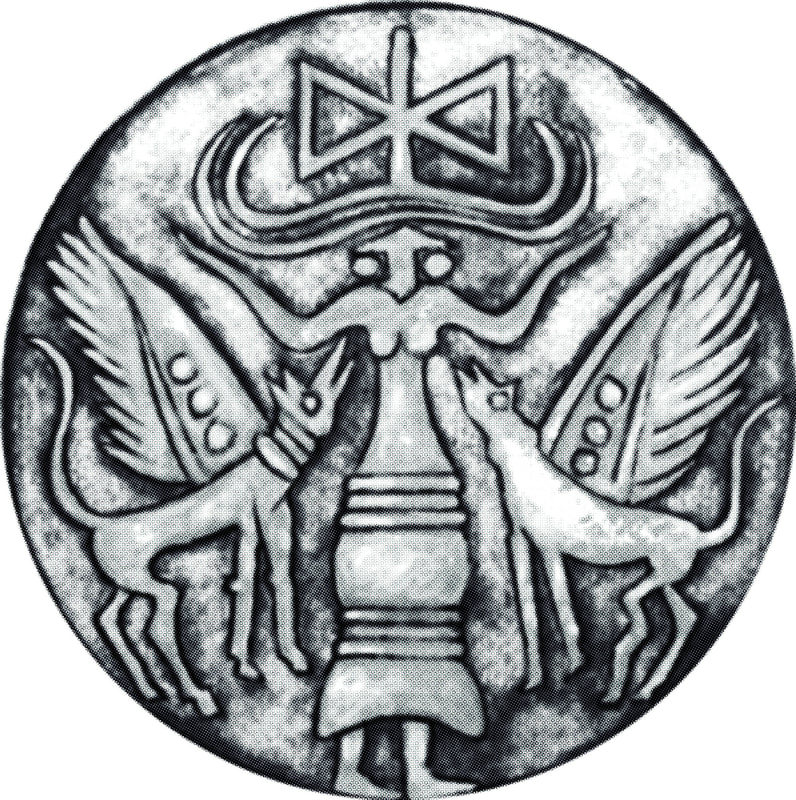
I read Mr.’s Andras Zeke study: Tracking the evolution of the ‘KA’ and ‘QE’ signs of Minoan Hieroglyphic and Linear scripts http://minoablog.blogspot.com/
<<Is the ‘sieve’ sign (Hie *47) KA or rather QE? Alone from its shape, it is impossible to decide. >>
=====================================
I tried to make corespondences with: – sumerian proto-cuneiform signs : – UDU:”sheep, many”, – UTU:”sun” www.ancient.eu › Utu-Shamash Utu-Shamash – Ancient History Encyclopedia 31 ian. 2017 — His symbol of the solar disc shows a circle with four points protruding toward the cardinal directions and four wavy lines …and – MAS:”twin” Sumerian Lexicon – Sumerian Language Pagewww.sumerian.org › sumerianPDFAug 11, 1999 — M. Civil, unpublished Sumerian glossary for students. … gikid: reed mat [KID archaic frequency: 76; concatenates 5 sign variants]. … maš: one-half; twin – egyptian KA:”life” Ka | Egyptian religion | Britannicawww.britannica.com › topic › ka-Egyptian-religionKa, in ancient Egyptian religion, with the ba and the akh, a principal aspect of the soul of a human being or of a god. The exact significance of the ka remains a matter of controversy, chiefly for lack of an Egyptian definition; the usual translation, “double,” is incorrect – sumerian KA:”mouth” – proto I.E. Ka:”like,desire” www.thefreedictionary.com › roots Indo-European root kā- – The Free Dictionary kā-. To like, desire. Oldest form *keh2-, colored to *kah2-, becoming *kā- – SEAL,stamp,sign
Hieroglyphs – egypt, egyptian, dynasty, time, art, period and british In them we see pictures of the reception of Minoan ambassadors from Crete which are among the most important … The sign for seal, Q is a picture of the cylinder rolling over the clay.
sirius-star.ro › 2016/05 › L.A…PDF the makers of civilization in race &! history – Sirius-Star.ro Date of Minoan Civilization about 2700 B.C.. 256-295 … this seal sign. as ” the cut or engraved,” and is derived from the Egyptian. Khat” cut …
ia800909.us.archive.org › W…PDF Egyptian Civilization: Its Sumerian Origin and Real Chronology (1930) Egyptian and Indus inscriptions, and Uru-ka Gina of his. Mesopotamian … this seal sign, as ” the cut or engraved,” and is derived from the Egyptian. Khat” cut or ..
books.google.ro › books Rezultate de pe web How to Decipher the Byblos Script Jan Best — 2018 · Crete (Greece) Minoans without Mycenaeans” or – perhaps better still – Minoans without … The texts on many seals of Minoan dynasts start with the Luwian hieroglyphic sign for seal (HH 327), SASAI, .
=============================
Greek-like Elements in Linear A Gregory Nagy file:///C:/Users/User/Downloads/11991-13863-1-PB-1.pdf
<< In that case, the heading ka-pa da-ta-ra would mean “commodity allotments.” …..It will also be noted that the other common Greek connective meaning “and” (Le. Kat) has not as yet been found in the corpus ofB: this is probably due to the aforementioned aversion of the B system to monosyllables other than abbreviations «(f No.2 above). ….In any case, kas or kai would be expected to appear as *ka in the syllabary. …..
Another possible identification of ka in A with kai is found in HT llb. Here ka occurs five times as a monosyllable connecting numerals (40,30,50,30,30 respectively), which are totaled up in the end (= 180) with the ku-ro sign:
Jde-Ll 1 sa-ra2~
-:L35 ka 40 ka 30
ka 50 Tu-LlOl-na
ka 30 sa-qe-ri
ka 30 ku-ro
180 Since these five instances of ka occur with absolutely no ligatures appended, they are consequently identical and there is no direct evidence that could point to their being ideograms. One can explain them as plus-signs in a tally-the most ideal context possible for kai. ….and the precise lTIotivation for placing a ka before each number might be to indicate just what is supposed to be added up. Consequently, the numerall in line 1 is excluded from the tally and thus does not have a ka. The latter is repeated five times here in this horizontally-running tally for the same reason, one would suppose, that plus-signs are repeated in horizontal additions today: the one difference is that in this tablet the first ka, unlike a plus-sign, occurs before the first number to be tallied; but cf. Greek kai X kai Y kai Z= “bothX and Y and Z.” >>
NOW THIS POINT I’VE EXPECTED: TO SHOW THE VERY ORIGIN OF THE SIGN + :
<<The simple cross does not have a numerical meaning in written Sumerian, but the tally mark symbolism of the cross in a circle meaning ‘many’ is preserved in an alternate reading for the Sumerian sign of the circled cross. When the sign is read udu, it means ‘sheep’, but sometimes it must be read lu, meaning‘many, much; to be/make numerous, abundant’.>>
Minoan Linear A – JStorwww.jstor.org › stable Linear. B, thanks to Ventris’ decipherment, is identified as a dialect of Greek; … ing of ka-ro-pa3 to Akkadian karpu. … ka-pa is Akkadian gabba, “all,” it is clear.
Download PDF – Brillbrill.com › downloadpdf › book8°Cited as a Sumerian loanword in Akkadian in SLOB, #410, p. 353. 81BDB, p. 31. … is misplaced. The fact that anak– designates a metal, tin, the range of its extra- … argument is his demonstration that “anaku, in value, was always between silver
Not the oldest, because beginning was in paleolithic, as tally marks. But some attested ones were:
From Early Numeration – Tally Sticks, Counting Boards, and Sumerian Proto-Writing John Alan Halloran http://www.sumerian.org/
<<Proto-Writing and Tally Marks 2.1. The tally stick conventions described by Menninger appear also to have inspired the early script of Old Europe, which developed in the middle and lower Danube basin starting around 5.300 BCE, calibrated. Although different theories have been proposed about the signs found on 940 inscribed objects excavated from the Vinča-Tordos region of Transylvania, Eric Lewin Altschuler and Nicholas Christenfeld have shown that nearly one-third of the inscribed pottery objects bear numerical inscriptions. They suggest that the script of Old Europe may have been used for economic purposes, The Number System of the Old European Script, 9 Sep 2003, [math.HO] at http://arxiv.org/html/math/0309157v1. A literature search fails to find any student of this ancient script who references the tally marks chapter of Menninger’s book, probably because nothing about the title, Number Words and Number Symbols, indicates that it is about the history of writing, However, if one goes back far enough, economic tally marks are very relevant to the origins of writing. Altschuler and Christenfeld describe how to read the number signs on the Old European Script (‘OES’) inscriptions – the score marks, the ‘comb’ motif, and the ‘telephone pole’ motif. They suggest that the common OES signs V and X or + should be read as 10 and 20. …………………………………….
2.3. Nissen, Damerow, and Englund describe and illustrate on page 20 of Archaic Bookkeeping, Uruk IV-period “tags consisting of small, transversely perforated tablets, usually containing but few ideographic signs and no numerical notations. These signs do not belong to the well-known repertoire of symbols representing goods such as plants, animals, textiles, and metals. The tags therefore may carry personal names and were probably attached with a string to containers or other items, stating the proprietor or receiver of such goods.” The idiosyncratic identifying signs on these Mesoptamian clay tags may be compared to other undeciphered short sequences of signs, such as the ‘Vinca script’ found in Old Europe or the ‘Jiahu script’ found on tortoise shells in China, both dated to about 6,000 BCE. ………….
Sumerian Goat and Sheep Pictograms from Tally Stick Conventions 3.1. The Sumerian MAŠ sign with the word-meaning of ‘(male) goat’ was a simple cross. The Sumerian LU or UDU sign with the word-meanings of ‘many’ and ‘(male) sheep’ was a cross inside a circle. The symbol of a cross inside a circle having the abstract meaning ‘sheep’ may already be present among the complex tokens found at Uruk in the fourth millenium, according to their primary investigator, Denise Schmandt-Besserat (Beyond Writing, vol. 1, 1992, p. 152). Following Jöran Friberg, she says that, at least in Elam and Uruk, a cylinder token represented one herd animal and a lenticular disk represented 10 herd animals. But, during the fourth millenium Uruk period, tokens with complex markings replaced the plain tokens that had functioned for millenia, driven by the need for greater precision and accuracy in large production centers. Disks were marked differently to count lambs, ewes, and sheep. The mystery why such an abstract symbol as a cross came to represent goats and sheep in the Near Eastern clay token system and Sumerian pictograms is solved when one realizes that, outside the urban centers where complex tokens and writing arose, shepherds traditionally counted goats and sheep by making notches on tally sticks – and shepherds used the cross convention to record groups of goats and sheep. ……….
3.2. The simple cross does not have a numerical meaning in written Sumerian, but the tally mark symbolism of the cross in a circle meaning ‘many’ is preserved in an alternate reading for the Sumerian sign of the circled cross. When the sign is read udu, it means ‘sheep’, but sometimes it must be read lu, meaning ‘many, much; to be/make numerous, abundant’.>>
Later, the meaning of cross diverged, from UDU:”sheep,many” to UTU:”Sun”, cause of close phonetics: udu-utu.
This one was also used for sun, because sun was aprehended as “twin”, day-sun and night-sun wich travel under earth.
https://en.wikipedia.org/wiki/Nergal << Nergal seems to be, in part, a solar deity, sometimes identified with Shamash, but only representative of a certain phase of the sun. Portrayed in hymns and myths as a god of war and pestilence, Nergal seems to represent the sun of noontime and of the summer solstice that brings destruction, high summer being the dead season in the Mesopotamian annual cycle. He has also been called “the king of sunset”.[7] Over time Nergal developed from a war god to a god of the underworld.[8] In the mythology, this occurred when Enlil and Ninlil gave him the underworld.>>
Nergal was also the deity who presides over the netherworld, and who stands at the head of the special pantheon assigned to the government of the dead (supposed to be gathered in a large cave known as Aralu or Irkalla).
https://medium.com/@modernplatonist/divine-twins-indo-european-religion-myth-dioscuri-ashvins-greek-roman-vedic-f7567a922a2f << One of the central figures in the Indo-European pantheon is the Sky Father. He is also known by his reconstructed Proto-Indo-European term, *Dyeus. The patriarch of the gods has an intricate web of family relatives — as it is well evinced, for example, through both Vedic and Greek mythologies. Among these relatives, the sons of *Dyeus are probably the most relevant ones. They are the divine Twins. ….. Moving on to the Baltic myth, we find the Lithuanian Diẽvo sunẽliai and the Latvian Dieva dēli. Also called the Ašvieniai in Lithuanian, they are the Sons of God. Like their other Indo-European cognates, the Ašvieniai also appear with horses and a chariot, which they use every morning to go to see the Sun. This is a clear reference to the Dawn, also known as the Daughter of the Sun. In the Baltic folklore, the Ašvieniai rescue the Dawn from sinking into the sea. The Vedic Ashvins are associated with the Dawn as well, and she appears as their sister.>>
Is the ‘sieve’ sign (Hie *47) KA or rather QE? Alone from its shape, it is impossible to decide. However, we do have a powerful help on our hand: the pictogram-like syllabary of the Phaistos Disc. Although different from the traditional Hieroglyphics, the disc does present us one clearly discernible ‘cake‘-like sign (Pha *12). While matching with Lin A QE almost perfectly in shape, it is clearly not a sieve. On the other hand, the disc also has another sign (Pha *17), that looks like a Rugby-ball with handles. That is exactly how a (handled) sieve would look if we viewed it from aside. From this point on, the identifications KA = ‘sieve’ and QE = ‘cake’ are rather straightforward. As I mentioned early in this post, there is also a somewhat cake-like ‘full circle’ sign in Minoan Hieroglyphics (Hie *73). It is much rarer than the ‘sieve’ sign, but the QE sign is also much rarer in Linear A, than the KA one (30 vs. 117 occurrances on the HT tablets). This last note essentially closes the circle. Or at least so I hope.
For those who still disbelieve these identifications, I suggest to read (or rather, parse through) the Linear A tablet HT6. It is the only case where sign QE is used as a logogram: and from the context of the tablet, it must refer to some foodstuff. Given that it stands alongside the term PI-TA (pita = Aramaic for ‘bread’), I strongly feel that the ‘cake’-sign actually meant ‘bread’. It should not be forgotten that there exists a sign (Ana *181) within Anatolian Hieroglyphics that looks similar to the Linear A QE sign and the same as Phaistos Disc sign *12. It is actually the Luwian logogram for ‘bread‘!……..>>
You’re right Mr. Zeke, congratulations! As I saw myself corespondences between other (not specifically this one)proto-cuneiform signs and Aegean ones, along with Mr.I.Papakitsos and G. Kenanidis, independently, See
BERLINER BEITRAGE ZUM VORDEREN ORIENT Herausgegeben von Volkert Haas, Hartmut Kuhne, Hans J org Nissen und Johannes Renger file:///C:/Users/User/Downloads/epdf.pub_changing-views-on-ancient-near-eastern-mathematics.pdf page 29, Table “Dry cereal products and rations: ideograms” , sign GUG2a, wich is a circle with 6-10? Dots/strokes. “passim as designation of a grain product, possibly a round breadas opposed to dry grain products of all types, including simple capacity measures, qualified by GAR (cp. MSVO 1,109 obv. iii la and MSVO 1,111 rev. ii la, GUG1a together with GAR as general qualifications); often with indications of the amount of grain used in its production, usually IN18 per unit;… …”
Sumerian Beer: The Origins of Brewing Technology in Ancient Mesopotamia*Peter Damerowhttps://cdli.ucla.edu/pubs/cdlj/2012/cdlj2012_002.html << In the earlier proto-cuneiform documents the first of these signs (GUG2) represented a specific amount of barley processed in a certain form to be distributed as a special kind of ration prepared from grain. Based on later usage this sign is commonly translated as “cake.” >>
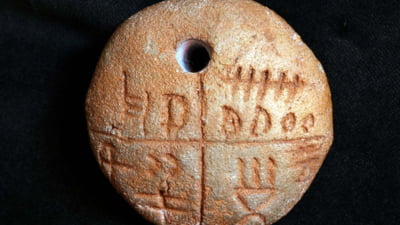
ATENTIE: – Aceasta pagina are caracter didactic. Prezenta unor tablite sumeriene fragile din lut pe teritoriul Romaniei sau prezenta unei persoane cu cunostinte apropiate de nivelul unui scrib sant extrem de greu de explicat. Nu am cunostinta de vre-o tableta sumeriana proto-cuneiforma sa fie gasita pe teritoriul Anatoliei sau in aria Egeeana, desi se vorbeste ca pentru Anatolia este posibil.Cu atat mai dificila sau inexplicabila, practic imposibila ar fi prezenta unor semne provenite de pe teritoriul Iranului sau Indiei, teritorii inca si mai indepartate. Eu fac o apropiere intre sisteme de scriere, luand in calcul o transferare sau transmisie culturala. – In mod eronat se asimileaza tablitele de la Tartaria cu Civilizatia Vinca-Turdas. Aceasta civilizatie a avut o contributie si preocupari importante in directia si evolutia scrisului.dar din pacate nu s-a finalizat nici macar in proto-scriere. Biblioteca de semne Vinca-Turdas se constituie intr-o colectie de semne numita Scriptura Vinca = Scriptura Danubiana=Scriptura Vechii Europe. Aceasta scriptura precede cu 1.000 de ani (5.000-4.000 IEN) proto scrierea sumeriana (3.000 IEN). Semnele tablitelor de la Tartaria NU APARTIN SCRIPTURII VINCA-TURDAS.Semnele sunt mai noi si par a apartin in cea mai mare masura proto-scrierii sumeriene, eventual usor derivata, modificata din aceasta. Imaginea, din Wikipedia.
Pe mine ma intrigat prezenta unor semne de pe tablitele de la Tartaria, care NU AU FOST FOLOSITE NICIODATA DE SUMERIENI, si aici ma refer la semnele “D” (litera latina de tipar d).Atentie, ma refer la forma D fara nici-un adaos sau deformare.In schimb am gasit semnul D in scrierile Proto Elamita. mai exact scrierea Linear-Elamita si Scriptura Indusului.
Cercetatorii afirma ca semnul “D” are echivalentul fonetic “Dha/Da” www.academia.edu › The_Indus_V… Rezultate de pe web (PDF) The Indus Valley Script: A New Interpretation | Steven C … Meanwhile, the root for ‘bow’ may be realized either as masculine (dhanu), feminine (dhanū) or neuter (dhanus), as well as the variant …
crossasia-journals.ub.uni-heidelberg.de › …PDF Sāvadhānapattra cut in half and results in Brahmi Ḍ; dha is from dhanus ‘bow’, found as the. Indus bow sign.
La noi DD ar fi dha-Dha sau Da-da iar oo ar fi na-na, ra-ra. ar iesi Dha-Dha “tata, bunic in linie paterna” si na-na “mama”
books.google.ro › books Rezultate de pe web New Perspectives on the Origins of Language Claire Lefebvre, Bernard Comrie, Henri Cohen — 2013 · Language Arts & Disciplines Proto-Indic *dadda “father or other elderly relative’:
forums.bharat-rakshak.com › viewt… Out-of-India – From Theory to Truth – Page 187 – Bharat Rakshak 6 apr. 2013 — However the Indus Valley for which the word was used, was … Thatha( Telugu-Grand Father)->Dhadha(Hindi-Grand
shivatempless.blogspot.com › dhadh… 52. DHADHAPURAM – SHIVA TEMPLES 13 sept. 2017 — In sanskrit Dhadha means Bestower (romana distribuitor) and also father
books.google.ro › books East of Indus: My Memories of Old Punjab Gurnam Singh Sidhu Brard — 2007 · Punjab (India) DADA : paternal grandfather .
L-am gasit ca reprezentand “Da”. S-ar citi >>stg-dreapta>>:Da-Dha ori <<dr-stanga<<: Dha-Da ?
Dar nu are rost sa continuam pentru ca degeaba am gasit echivalentele semnelor din jumatatea superioara a tablitei rotunde (HD DDoo) in scrierile de filiatie indiana, pentru ca restul semnelor nu se mai incadreaza in acest tipar.
Atentie! Aceasta postare nu este o o descifrare sau citire a unui presupus continut scris real al tablitelor de la Tartaria. Avand in vedere ca semnele nu apartin unui unic sistem de scris ci mai multora, pagina are un caracter pur didactic. Are rolul de a incerca si testa diferite scrieri. Semnele de pe tablite apartin mai multor sisteme de scrisi dintr-larg interval de timp si care au folosite in diferite arii geografice. In niciuna din incercari semnele s-au incadrat intr-un singur tip de scriere, totdeauna au ramas semne care au provenit din alte scrieri (sau din necunoscut). Cele mai multe semne provin din cele sumeriene proto-cuneiforme.Apoi privind asemanarea, in ordine descrescatoare este aceea cu semnele Linear A/B si cele Anatoliene. Semnele din jumatatea superioara a tablitei rotunde par a proveni din scrierea arhaica greceasca.Cel mai degraba aceasta “adunatura” de semne pare a fi rodul imaginatiei bogate a cuiva.Dupa cum au constatat A.Falkenstein si A.A.Vaiman, autorul nu a fost un scrib, avea doar vagi notiuni privind scrisul in general si nu se stie ce a urmarit. Exista multe elemente de neconcordanta precum si altele care scot tablitele din tiparele si normele uzuale ale logicii, scrisului si intentiilor oneste. ====================== Va rog sa comparati rapid, doua chestiuni “S” (s, de la Sumer) si”M” (m, de la minoic) ……. apoi cu “E” (e, de la Egipt) si cu “T” (t, de la Tartaria); A. Prima oara am intalnit o referire la semnul “D” in lucrarea monumentalei cercetatoare Denisse Schmandt Besserat, http://www.erasmatazz.com/library/the-mind/history-of-thinking/early-civilization/before-the-greeks/invention-of-writing.html in care facea referire la trecerea de la sistemul de numarare folosind “jetoane” la cel grafic. (coloana IX)
Din https://www.zora.uzh.ch/id/eprint/151545/1/Bauer_Englund_Krebernik_1998_Mesopotamien.pdf << 6.2.3. Notări de cereale și timp Relația dintre sistemul de capacitate cerealieră și notațiile de timp a fost de așa natură încât acestea s-ar putea de fapt să se reflecte reciproc. Dovezile sunt puternice, așa cum a simțit H J Nissen mulți analiști, din perioada Uruk castronul/bolul cu margine teșită cu o capacitate aproximativa de 0,8 litri a servit ca model pentru pictograma GAR (ulterior sumerian ninda) și reprezentat în general o rație de cereale a unui muncitor pentru o zi. Mai departe, ideograma GAR trebuie arătat corespunzand în general semnului numeric N30.a din sistemul de capacitate cerealieră. În special, textul MSVO 4, 27.266 demonstrează că cantitatea de cereale reprezentată de GAR // N30.a a fost o a treia măsură folosită ca distribuție generală a ratiei în perioada arhaică. Acest N30.a este, asa cum știm, l / 30 parte a unității de bază Nl, iar acest Nl este înscris cu semnul u4 pentru a reprezenta o lună administrativă de 30 de zile. ……………….. Numeroase evidente / la fel de bine ca evidența arheologică, susțin presupunerea că în administrarea arhaică redistributivă cerealiera a fost raționată la persoanele aflate în întreținerea gospodăriei la o rationalizare concordanta cu tradiția ulterioară. Deimel a recunoscut în pictograma semnului GAR („ninda” sumerian și corespondență akkadiană akalu) ca fiind bol; de când discuția lui HJ Nissen despre bolul cu margine teșită / așa-numitul diagnostic purtat dorind din Urukul Mijlociu, dar cel mai frecvent în perioada Uruk târzie și găsit în cantitati mari in nivelurile arhaice ale lui Uruk, pe care le-a interpretat a fi un bol de raționalizare a mancarii reprezentat de GAR . Socotelile produselor cerealiere socotite în grane în general au fost totalizate și reprezentate cu semnul ideografic GAR. Aceste produse conțin echivalentul cerealier reprezentat de semnul N1 până la o măsură reprezentată de către N30c în sistemul arhaic de capacitate cerealiera. Ideograma are un anumit aspect echivalent metrologic în conturile arhaice / totuși; cu unele variante / ii corespunde semnului numeric N30.a egal cu 1/30 din semnul N1 în sistemul de capacitate. (Este, în orice caz, o chestiune de interpretare ca până când semne atât de ambivalente precum U4, în sens ideografic „lumină”, „zi”, „alb” …….N1 a fost înțeles ca unitatea de baza “1” a sistemului sexagesimal.) >> B. Din https://linearbknossosmycenae.com/2015/02/19/mycenaean-linear-b-units-of-measurement-liquid-dry-weight-click-to-enlarge/
OBSERVATI CA: – semnul sumerian GAR pentru unitatea de volum, portie zilnica cereale-paine este extrem de asemanator cu cel minoic pentru volume, acestia din urma simplificandul cumva (nu mai are liniuta din interiorul D-ului). – In mod evident, ambele au o baza fizica: blidul, bolul. Volumul este exact acelasi, 0,8 Litri ! – Acestea i-mi spun mie ca semnul minoic pentru volum este posibil sa fie de inspiratie sumeriana sau transmis, preluat din scrierea sumeriana proto-cuneiforma. E. Hieroglifa egipteana “T”:”jimbla de paiine” https://encrypted-tbn0.gstatic.com/images?q=tbn%3AANd9GcR3DNpnRBMew2SVGMXZwk3XjuK9wRKDrt-xsw&usqp=CAU
Eu mi-am tot pus intrebarea: ce a vrut sa arate, sa transmita sau sa demonstreze autorul inscriptionarilor, sa-si arate vastele cunostinte, sa arate evolutia scrisului !?? SEMNELE “HD” de sus: Semnul GA2 https://cdli.ucla.edu/tools/SignLists/protocuneiform/archsigns.html GA2~a1
GAR citeste NINDA ratie,paiine Acum incep sa se lege niste lucruri.. semnele de sus le-am intrpretat anterior: GA2 + GAR= “COS PAIINE” sau Ku GAR=NindaKu =ei mananca paiine Sumerians and Akkadians in their ethno … – E-Periodicawww.e-periodica.ch › cntmngPDFnorthern logograms, as in sag.rig?, sag.gis.ra, quoted above, and in ninda ku. “they eat bread“ The Organization of the Anatolian Local Cults During the …books.google.ro › booksKAŠ ” beer bread ( ? ) ” NINDA.KAŠ KBO II 8 II 14 , IV 9 ‘ , 19 ‘ , 25 ‘ ; KUB LIV 90 r.c. 5 NINDA.KU , ” sweet bread ” Rom:”paiine dulce” ?turta dulce? https://translate.google.com/translate?hl=en&sl=it&u=https://books.openedition.org/editionsmsh/7778%3Flang%3Den&prev=search&pto=aue firs is constantly offered “sweetened loaves” (NINDA KU 7 ….sau alternativ GA2 GAR=GA2 NINDA :”depozitare cereale”; “intinde paiine Ku(g) GAR=Ku NINDA:”(ofranda)sacra paine” Apoi din semnele DDoo, unde: – primul D pare a fi semnul GAR (ninda,portie de cereale-paiine pentru un om pentru o zi, 0,8 Litri) ; (GAR=N30.a=1/30 N1).Posibil chiar a intentionat sa faca semnul exact, dar nu i-a reusit, in special ca a uitat sa ridice stilul de pe suprafata moale tablitei si a lasat o zgarietura ? – al doilea reproduce semnul N1: “1” care reprezinta portia de mancare pentru o luna 30 x 0,8 =24 Litri. ! In mod normal sumerienii il faceau numai prin imprimare/imprintare/amprentare, https://cdli.ucla.edu/tools/SignLists/protocuneiform/archsigns.html 1(N01@r)
Origin of the Sumerian Name and Sign for ‘Wheat’ – John a. Halloran …fr.scribd.com › document › Origin-of-the-Sumerian-Nam…Origin of the Sumerian Name and Sign for ‘Wheat‘ – John a. … The sign ASZ 2 , ’emmer‘, “GRAU EMER” Acum se contureaza doua ipoteze privind ce s-a avut in intentie cu semnele: 1. Cineva a vrut sa arate altcuiva semnele de baza pentru a tine evidenta hranei : Semnul As semnificand “grau” +GAR:”portie, ratie” de hrana pentru o zi=ninda=cereale,paiine=0,8 Litri + semnul numeric N1:echivalentul numeric al hranei pentru o luna=24 Litri + semnul pentru “total” 2. Este vorba de o ofranda constand in cereale, (sub forma nepreparata sau preparata pentru comunitate, paiine ?) adusa zeitatilor, unde cantitatea este nesemnificativa: semnul “grau”+ semnul “portie”+ “numarul N1″=echivalentul hranei pentru o luna+semnul intreg,total”. Spre aceasta varianta ne indreapta interpretarea semnelor din stanga “HD”. https://cdli.ucla.edu/tools/SignLists/protocuneiform/archsigns.html 1(N30~a) acesta este semnul N30.a=1/30 N1
Exemplu real de socoteala sumeriana din faza pre-cuneiforma=folosind semne proto-cuneiforme, faza care o precede pe cea a scrierii propriu-zise cuneiforme: Din http://mathscitech.org/articles/mathematics-uruk-susa
Oricum, semnele i-mi arata in mod evident, ca provin mai degraba dintr-o zona Siria, sud-estul Anatoliei, aria Egeeana, unde pe parcurs, au suferit o usoara modificare, adaptare.
Atentie! Aceasta postare nu este o o descifrare sau citire a unui presupus continut scris real al tablitelor de la Tartaria. Avand in vedere ca semnele nu apartin unui unic sistem de scris ci mai multora, pagina are un caracter pur didactic. Are rolul de a incerca si testa diferite scrieri. Semnele de pe tablite apartin mai multor sisteme de scrisi dintr-larg interval de timp si care au folosite in diferite arii geografice. In niciuna din incercari semnele s-au incadrat intr-un singur tip de scriere, totdeauna au ramas semne care au provenit din alte scrieri (sau din necunoscut). Cele mai multe semne provin din cele sumeriene proto-cuneiforme.Apoi privind asemanarea, in ordine descrescatoare este aceea cu semnele Linear A/B si cele Anatoliene. Semnele din jumatatea superioara a tablitei rotunde par a proveni din scrierea arhaica greceasca.Cel mai degraba aceasta “adunatura” de semne pare a fi rodul imaginatiei bogate a cuiva.Dupa cum au constatat A.Falkenstein si A.A.Vaiman, autorul nu a fost un scrib, avea doar vagi notiuni privind scrisul in general si nu se stie ce a urmarit. Exista multe elemente de neconcordanta precum si altele care scot tablitele din tiparele si normele uzuale ale logicii, scrisului si intentiilor oneste. =========
De fapt sunt o serie de dovezi,evidente plus o serie de abateri,ciudatenii si aspecte unele neexplicabile si altele greu de explicat. Incep prin a le enumera, nestiind acum daca sunt fix 101, mai multe sau mai putine.Pentru usurinta intelegerii le voi grupa pe capitole:
VECHIMEA
1.Vechimea estimata dupa unii este aceea ca provin din 5.300 IEN, dupa altii 2.400-2.700 IEN si tot felul de alte date.De fapt nu poate fi in acelasi timp si o data si cealalta. 5.300 IEN iese complet din calcul, dupa cum se va vedea mai jos.
2. Vechimea 5.300 IEN a fost “dedusa” si nu determinata, presupunand ca tablitele au aceeasi varsta cu oasele gasite in apropiere si a caror varsta a fost determinata (cica 5.300 IEN). Sa dai (transferi) varsta unui artefact altuia pe considerentul ca probabil a fost pe undeva pe aproape mi se pare bizar si profund nestiintific.
3. Retineti ca primele forme de scris au aparut la distanta mica una de alta in Sumer si Egipt, in jurul datei de 3.500 IEN. Aceste forme de scris preced scrisul propriu-zis si se numesc proto-scrieri. Au urmat apoi scrierile proto-elamita si scriptura din Valea Indusului.
4. Intrucat tablitele au fost supuse unui tratament termic in cuptor, la o temperatura necunoscuta, (intentii bune, rezultat bun pe de o parte ca s-au intarit, dezastruos pe de alta parte). Pentru ca urmele de carbon din lut sau degradat si nu mai poate fi posibila vreodata determinarea varstei, cel putin nu prin metoda C-14.
CIRCUMSTANTELE GASIRII
5. Nu se stie cine a fost cel care a pus mana, le-a atins primul.
6.Nu exista nici-un martor al momentului exact al gasirii.
7.Nu se stie pozitia exacta a oaselor si a tablitelor in cadrul complexului ritualic.
8.Nu exista o fotografie in care sa apara atat oasele cat si tablitele, nici vre-o schita.
SEFUL SANTIERULUI ARHEOLOGIC
9. Acesta a fost arheologul Nicolae Vlassa, dansul nefiind pe santier nici in momentul descoperirii nici dupa descoperire in cursul acelei zile.
10. Nu s-a aflat de descoperire decat dupa cateva zile.
11. Nicolae Vlassa dupa ce s-a aflat de descoperire a fost de negasit de catre ziaristi. Apoi nu stim din ce motiv a fost reticent in relatari.acest ultim aspect poate fi de inteles cunoscand agresivitatea multor ziaristi cand vor sa tranga repede si cu orice pret materiale=informatii pentru articole.
12. Nicolae Vlassa a fost unul din primii care a afirmat ca semnele par a fi sumeriene, atentie, precizand exact perioada Jemdet Nasr.
13. Nu am cunostinta si pare-se nimeni ca Nicolae Vlassa sa fi studiat si sa aiba cunostinte avansate de asirologie, sumerologie si mai ales proto-scriere, neexistand posibilitatea sa asimileze in foarte scurt timp, (de ordinul zilelor) un asemenea volum de cunostinte cu dificultate mare. In plus trebuia sa aiba acces (rapid?) la biblioteca de semne sumeriene proto-cuneiforme, care noi presupunem/admitem ca a rezolvat-o. Afirmatia dansului asemenea unui specialist de top cu expertiza in domeniu, fara a exista la baza un asemenea suport fiind direct hilara.
STRATUL, CULTURA CAREIA II APARTIN TABLITELE.
14.Nu se stie cu exactitate din cele cca 28 de artefacte in total, care din ce strat provine.Cu atat mai mult cu cat telul are o portiune inclinata si care a fost in mod constant supusa revarsarii si eroziunii apei Muresului.
15.Telul contine in total vre-o 5 culturi, fiecare situata in alt strat, respectiv alta adancime. Exista o serie lunga de discutii pe aceasta tema intre diferiti arheologi.
16. Arheologii au observat ca artefactele au un caracter eterogen, fapt ce denota ca unele apartin unei culturi si altele alteia.
SEMNELE TABLITELOR VISA SEMNELE SCRIPTURII VINCA-TURDAS
17. Unii cercetatori, foarte putini agreeaza sustinerea domnului Marco Merlini, conform careia tablitele de la Tartaria apartin culturii vinca Turdas si reprezinta un exemplu de proto-scriere a acestei culturi.
18. Spun aici in mod hotarat, ca desi cultura Vinca Turdas are o bogata contributie la aparitia si evolutia scrisului, aceasta s-a oprit o idee inainte de a ajunge chiar si numai la faza proto-scrierii.
19. Nu exista nici-un singur artefact care sa sustina, si mai putin sa demonstreze ca este purtetor al unei proto-scrieri.aceasta ar presupune transmiterea unui mesaj intr-o forma bruta, rudimentara, generala.
20. Se poate vorbi doar de Scriptura Vinca-Turdas, adica de o colectie de semne. asa cum este de ex. Indus Script. ambele nedemonstrate inca ca sunt proto-scriere ori scriere.
21. Semnele au folosit la ceva, insa la ora actuala ne scapa modul lor de agregare si ce anume cum si ce informatie transmiteau. probabil semne legate de diferite produse, cantitati si producatori/destinatari ?
DE CE NU SA AJUNS NICI MACAR LA O FORMA INCIPIENTA DE SCRIERE VINCA-TURDAS
22. Explicatia de baza si majoritara a cercetatorilor la care subscriu, este aceea ca societatea vincana nu a fost suficient de complexa, stratificata si dezvoltata in plan social economic si religios. Adaug eu pentru o mai buna intelegere, a fost o societate de tip Edenic.
23. O alta explicatie, a mea este ca nua fost suficient timp, desi paradoxal si din pacate nu a mai lipsit mult.
24. O alta explicatie, tot a mea este aceea ca ei au pornit cu elemente preponderent liniare (un gen de cuneiforme daca vreti, digitalizare inainte de a-i veni vremea). In schimb sumerienii au pornit de la pictograme care exemplificau notiunile de baza, si pe acestea mai apoi le-au abstractizat in cuneiforme si firesc si implicit au inceput sa le ataseze semnificatii fonetie. Au aplicat principiul cunoscut sub numele de rebus.Sa zicem ca ideogramei de capra care incepe cu C i-au atasat sunetul C.
TABLITELE PRIVITE CA UN GRUP, COLECTIE UNITARA DE ARTEFACTE INSCRIPTIONATE
25. Prin tipul de scriere cele 3 tablite se distanteaza unele de altele, prezentand tipuri diferite de scris. Voi explicita pe larg acest aspect, un pic mai incolo.
26. Aceasta ciudatenie nu are echivalent in istoria arheologiei si a scrisului. Deci nu se cunoaste in lume un caz similar. In schimb se poate gasi in epoca moderna in muzee,scoli si au scop didactic.
MATERIALUL DIDACTIC IDEAL=PERFECT
27. Un ochi neavizat, neformat, este bulversta de gramada de semne noi pentru el, care nu au nici-o noima. intr-o buna masura, chiar savanti de prestigiu au fost parca fermecati, nereusind sa realizeze urmatoarele: – La o privire mai atenta acuiva care cunoaste multe sisteme de scriere si sute de semne, apare evident faptul ca fiecare tablita contine cumva semne de acelasi tip-categorie: – Tablita cu caprita contine pictograme pure – tablita dreptunghiulara gaurita contine semne folosite in diferite scrieri ca ideograme,logograme. – tablita rotunda contine preponderent semne care au fost folosite in diferitebscrieri ca silabe ori litere
28. Astfel, daca un student sau profesor din ziua de azi ar vrea sa arate elevilor sai sau unui public evolutia scrisului, nu exista o cale mai buna decat sa exemplifice in acest mod.
29. Apare intrebarea: cine si cand putea avea acces atat la semne vechi cat si la unele noi ? raspunsul logic este cineva care a trait in perioada in care au aparut acelea noi, deci cu cat mai aproape de timpurile noastre cu atat avea acces mai facil la toate semnele.
30. Cine a fost, din ce perioada exacta, si cu ce scop concret si exact a facut asta? Nu putem sti.
EVIDENTE=CIUDATENII REZULTATE DIN ANALIZA SEMNELOR
31. Semnele de pe cele trei tablite luate in totalitate se prezinta mai degraba ca o colectie, adunare-adunatura, gramada de semne.
32. Aceste semne au fost folosite in diferite arii si diferite perioade de timp.
33. Per global, la o privire rapida si in aparenta, dar si la o analiza atenta, cea mai mare apropiere este de cea a semnelor sumeriene proto-cuneiforme.
34.Urmeaza apoi in privinta asemanarii scrierile Egeene si Anatoliene.
35. O serie de semne=ideograme sumeriene, in special unele foarte importante din punct de vedere cultural sau religios se regasesc in forma asemanatoare in primele scrieri Egeene.
36. Doi cercetatori de top greci I.Papakitsos si G.Kenanidis afirma si sustin prin mai multe lucrari, ca la baza tuturor scrierilor Egeene ar fi stat o scriere proto-Lineara. Aceasta a aparut mai mult decat ca o influenta a scrieriisumeriene proto-cuneiforme ci direct este transpunerea si adaptarea acesteia in aria Egeeana. Pur si simplu, o parte a colonizatorilor Cretei, unii din primii minoici au fost migranti sumerieni timpurii !
37. In cercetarile mele am gasit acelasi aspect si in diferite pagini am venit in sustinerea acestei ipoteze venind in completarea exemplelor dansilor cu mai multe exemple proprii si poate inca si mai consistente.
38. Semnele reflecta in mare forma semnelor proto-cuneiforme sumeriene, dar nu sunt exact ca cele sumeriene ale acelei perioade specifice.aceasta se datoreaza filogeniei tuturor sau multor sisteme de scris care au originea, trunchiul in scrierea sumeriana proto-cuneiforma.
39. Daca exista semne care se pot regasi in forma apropiata si nicidecum exact asa in scrierea proto-cuneiforma sumeriana (ex.”H”), exista in schimb unele care nu exista deloc cu aceasta forma (vezi semnele “D”).
SCRIBUL ERA SCRIB DE MESERIE?
40. mai multi oameni de stiinta (A.Falkenstein A.A.Vaiman si altii…inclusiv eu care nu sant om de stiinta) opineaza ca autorul avea vagi cunostinte de scris si de fapt chiar daca in extremis ar fi fost sumerian, nu stapanea scrisul.
TEHNICA SCRISULUI SE ABATE DE LA CEA SUMERIANA
41. Fapt constatat de oamenii de stiinta sus-mentionati, prin faptul ca daca a vrut sa scrie un numar, a incercat sa-l imite, dar a pus unitatile in stanga si zecile in dreapta. Si inca multe alte aspecte precum impartirea spatiului in coloane s.a.m.d.
SEMNE APARENT FOARTE MODERNE
42. Semnele din jumatatea de sus a tablitei rotunde, “HD DDoo”se regasesc in totalitate in literele alfabetului arhaic grec si pot reprezenta “H/E D DDoo” sau :”H/E R RRoo”; deasemenea literele alfabetului venetic “HR RRoo”. Atentie, dar nu numai din aceste alfabete, as putea aminti cele Anatoliene(ex. alfabetele cariene) si cel Iberic-Turdetan.
SEMNE CARE NU POT FACE CASA COMUNA SAU SA APARA IMPREUNA
43. Ideogramele sumeriene proto-cuneiforme nu pot face casa comuna cu semne aparute mult mai tarziu: – semnul H exista sub aceasta forma prezenta in tablite intr-o serie de scrieri ulterioare: Linear A si B (PA3), veche canaanita, feniciana, veche ebraica (Het),alfabetele etruscan, vechi latin, venetic (H), turdetan (Bu)…inclusiv pana la runele maghiare. – semnele “D” a reprezentat litera D sau R intr-o serie de alfabete: canaanit “dalet” , alfabetele arhaice grecesti “D/R”
IN CE PERIOADE AU FOLOSIT OAMENII ACESTE SEMNE, CAND SI IN CE MASURA AU FOST ACCESIBILE PRIVITORULUI UMAN ?
44. Semnele sumeriene proto-cuneiforme au fost folosite in perioada 3.500-2.800 IEN. Dupa aceea nu au mai fost vizibile nimanui, stand ingropate sub 3m de moloz rezultat din constructia succesiva atemplelor din Uruk, pana in 1925 cand au fost descoperite de arheologul englez Leonard Wooley.
45. Semnele scrierilor Cretana Hieroglifica (2.200-2000 IEN) si Linear A (2000-1500 IEN) au putut fi vazute doar de minoici in perioadele sus mentionate, ramanand ascunse pana in 1894… cand le-a descoperit arheologul britanic Arthur Evans.
46. Deci in mare si buna masura, majoritatea semnelor nu au putut fi vazute decat ori in perioada 3.500-1.500 IEN. ori dupa 1894…. Dar!..
47. Datorita semnelor moderne prezente pe tablite, intervalul este impins cumva dupa 500-300 IEN (perioada folosirii alfabetelor arhaice grecesti, sau difuzia lor in aria Mediteraneeana). Vorbesc de semnele prezente in jumatatea superioara a tablitei rotunde.
REZULTATELE PANA LA ACEASTA ORA PRIVIND INTERPRETAREA SEMNELOR DE PE TABLITE
48. Aici si la acest punct ne intalnim cu o tragedie sau dezastru. Unde se dovedeste mai degraba ca toata evolutia stiintei nu a folosit mai la nimic.
49. Abordarea ca tablitele fiind de factura total-complet sumeriana, iese din ecuatie (A.Falkenstein, A.A.Vaiman).Mie nu mi se pare foarte inteligenta nici abordarea ca fiind quasi-sumeriene daca se opreste fara a ajunge la o explicare finala. Ca dovada ca o serie de cercetatori, desi au realizat ca tablitele nu sunt original sumeriene, in lipsa de altceva le-au interpretat ca fiind sumeriene. Fara ca sa faca mai departe analize sau speculatii, nici sa le relationeze cu scrierile Egeene. Le-au abordat cumva in mod superficial, nealocandu-le suficient timp si au expediat rapid subiectul. Ca ar fi, dar de fapt nu ar fie tocmai sumeriene, ca scribul nu prea stia sa scrie si punct, terminat subiectul.
50. O surpriza placuta a fost lucrarea asirologului bulgar Rumen Kolev, care chiar daca a calcat hotarat pe urmele citatilor precedenti (asimilat, luat 80%?), totusi probabil fara ca sa realizeze a reusit sa interpreteze semnele de asemenea maniera incat include si ideogramele, semnele specifice scrierilor Egeene.Oricum, m-a ajutat sa realizez ca exista un gen de transmisie, continuitate ori unitate culturala a ariei Egeene cu cea Orientala (sumeriana).
51. Ce sa mai zic, ca ma jenez, un cercetator care a scris zeci de articole cu doctorat in materie (Civilizatiile Vechii Europe= Danubiana, Vinca-Turdas, Scriptura Vinca-Turdas, tablitele de la Tartaria), domnul Marco Merlini, a analizat, a luat in manuta, rasucit si intors pe toate fetele fiecare semn, gasindu-i paralele fiecaruia in cate 15 scrieri, ca in final sa nu poata agrega si concretiza nimic. Sa ajunga la concluzia ca e absolut sigur ca scrie ceva, este un mesaj acolo dar este atat de abscons, ezoteric incat numai cei care au facut semnele, numai cei din acele timpuri le stiau semnificatia. Mare si mare pacat. Posibil cel care a facut aceste artefacte desi nu si-a dorit sa-si bata joc de posteritate, de cititorii de dupa el din viitor, fara ca sa vrea a reusit.
— pauza de masa…sunt curios daca ajung la 101, dar este o vorba studenteasca, la o adica “mi se rupe” ca o fi 78 sau 103 —–
Careful! This post is not a decipherment or reading of any actual written content of Tartaria tablets. Given that the signs do not belong to a single writing system but to several, the page has a purely didactic character. Its role is to try and test different writings. The signs on the tablets belong to several writing systems over a long period of time and which have been used in different geographical areas. In none of the trials did the signs fall into a single type of writing, there always remained signs that came from other writings (or from the unknown). Most of the signs come from the Sumerian proto-wedge-shaped ones. The signs in the upper half of the round tablet seem to come from archaic Greek writing. This “collection” of signs seems to be the fruit of one’s rich imagination. , he had only vague notions about writing in general and it is not known what were his intentions or he was after. There are many elements of inconsistency as well as others that take the tablets out of the usual patterns and norms of honest logic, writing and intentions. ========== From Moonlight in Romania: The Tărtăria Tablets http://aplaceofbrightness.blogspot.com/2008/11/moonlight-in-romania-tartaria-tablets_21.html
Said “H” because the closest to nowday’s letter are archaic greek Heta/Eta and greek and latin H.In fact in sumerian proto-cuneiform we have the signs:
<< K?AThe Sumerian sign (Jaritz #458) depicts a ‘tubular basket‘; a variant, #458a, tapers toward the top; both have top-covers; both presumably and readga2 (among others). Another recorded reading for it is pisan, which means ‘basket’ but perhaps also ‘*shallow tray‘.An archaic variant form for Sumerian sign above (Jaritz #458), Jaritz #458a, looks very much as if it could be the ‘head’ without the hair and neck we see in Jaritz #15 under K?XA; and therefore might be a sign for ‘jaw’; but it also may be just another shape of ‘basket’.>>
www.academia.edu › Vessels_and_o… (PDF) Vessels and other containers for the storage of food according … 1 – A selection of container signs in the proto- cuneiform record. … scribed within the box- shaped container is purely graphical. sign GA2 .
is.muni.cz › PAPVB_13 › Ha…PDF Sumerian Lexicon – IS MUNI 11 aug. 1999 — ñá: basket; house; stable (cf., ñar) [GA2 archaic frequency
is.muni.cz › PAPVB_13 › Gl…PDF a gal[help]; a gal[strong]; a gar[defeat] – IS MUNI 1. cella 2. bedroom 3. a ritual building 4. the sanctuary … Akk. damšillu “(a kind of cucumber )?; plant name” … GA2: ga2. 1. house 2. station (of the moon)? 3. room 4. house-lot. 5. estate.
https://www.naturepagan.com/early-cuneiform-signs-f-kGAR, JAR: n., storeroom; form, appearance (to be + to send) [GAR archaic frequency: 409]. v., to store, accumulate; to deliver, deposit; to put, place, set down upon; to make, establish
INDUS SCRIPT From http://indusscriptmore.blogspot.com/2010/11/uncommon-indus-signs-from-tri-fork-to.html
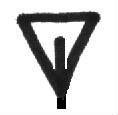
In proto-cuneiform, a “D” shape with a single internal stripe is GAR, which came to mean “storeroom; to form.” …. There is another “D” whose meaning one should consider, this one found among the Luwian hieroglyphs. In this case, the rounded side faces downward, with the flat side up. Its meaning is CAELUM, “sky.” This “D” shape contains a single stripe paralleling the flat side and four short strokes perpendicular to the stripe. These last four join the stripe and the flat side of the “D.” Variants of the proto-cuneiform GAR also include short strokes at a 90 degree angle to the long internal stripe. The “b” variant has two and the “a” variant three.Proto-Elamite contains a single sign that is essentially “D” shaped, again with the rounded side downward, flat side upward (M378). There are, in addition, two stripes inside the “D” that parallel the flat side, each stripe also extending a bit beyond the edges of the “D” shape. Also, inside the basic “D” shape is another, smaller “D” shape that shares the same flat side. The meaning of this sign is unknown.Linear B includes a single sign resembling a backward “D.” It has no internal stripes and must represent the crescent moon, as its meaning is “month.” One might assume that this simpler sign could not share the same meaning as the Indus sign, because the ancient Greek symbol has no internal striping. And what could internal stripes represent, in a depiction of the moon? However, internal striping may not be meaningful in itself in the Indus symbol. Many signs in this system contain internal striping, as do occasional pictorial elements.
========= both signs GA2 and GAR ===
basket; house; stable;. 1.house 2. station (of the moon)? 3. room 4. house-lot. 5. estate.+ Ninda=bread, storeroom; form, appearance; to store, accumulate; to deliver, deposit; to put, place, set down upon; to make, establish
It seems that kind form of property, storage,HOUSEHOLD + FOOD deliver,exhibit,operating
128.97.154.156 › search › archival… Rezultate de pe web CDLI-Archival View – CDLI – Cuneiform Digital Library Initiative 4. abgal |GA2xGAR|
https://www.ancient.eu/article/221/the-mesopotamian-pantheon/ABGAL – The seven sages in Sumerianmythology sent to the earth by Enki at the beginning of time to give human beings the sacred `me‘ (laws) of civilization. They were also known, by the Akkadians and Babylonians, as The Apkallu or the Apkallu Fish and are depicted with the body of a fish and the head of a man or with the torso of a fish and human arms, legs and head, sometimes with and sometimes without wings. In the Babylonian tradition, the Apkallu also appear as Griffins or simply as humans with wings. The Abgal carry a bucket and a cone of incense for purification purposes. By name, they were Adapa (the first man) Uan-dugga, En-me-duga, En-me-galanna, En-me-buluga, An-enlilda and Utu-abzu.
ro.scribd.com › doc › rechnik-sume… Rezultate de pe web rechnik sumerskog | Nature – Scribd 18 feb. 2011 — F. Karahashi, Sumerian Compound Verbs 75. a tal[engulf?]; a … GA2. GAR: ĝa2ĝar; ga2gar. ĝeš [PENIS] GA2: ĝa2; ga2.
is.muni.cz › PAPVB_13 › Gl…PDF Rezultate de pe web a gal[help]; a gal[strong]; a gar[defeat] – IS MUNI bisagnindagar [BASKET]. GA2.GAR.GAR: bisag–ninda-gar; pisag-ninda-gar. 1. breadbasket
Atentie! Aceasta postare nu este o o descifrare sau citire a unui presupus continut scris real. Avand in vedere ca semnele nu apartin unui unic sistem de scris ci mai multora, pagina are un caracter pur didactic. Are rolul de a incerca si testa diferite scrieri. Semnele de pe tablite apartin mai multor sisteme de scrisi dintr-larg interval de timp si care au folosite in diferite arii geografice. In niciuna din incercari semnele s-au incadrat intr-un singur tip de scriere, totdeauna au ramas semne care au provenit din alte scrieri (sau din necunoscut). Cele mai multe semne provin din cele sumeriene proto-cuneiforme.Apoi privind asemanarea, in ordine descrescatoare este aceea cu semnele Linear A/B si cele Anatoliene. Semnele din jumatatea superioara a tablitei rotunde par a proveni din scrierea arhaica greceasca.Cel mai degraba aceasta “adunatura” de semne pare a fi rodul imaginatiei bogate a cuiva.Dupa cum au constatat A.Falkenstein si A.A.Vaiman, autorul nu a fost un scrib, avea doar vagi notiuni privind scrisul in general si nu se stie ce a urmarit. Exista multe elemente de neconcordanta precum si altele care scot tablitele din tiparele si normele uzuale ale logicii, scrisului si intentiilor oneste. ======== Majoritatea cercetatorilor, mai mult decat presupun, sant de acord ca tablita rotunda contine in jumatatea sperioara un continut, respectiv mesaj cu caracter sacru. https://tb.ziareromania.ro/Tablitele-de-la-Tartaria—cea-mai-veche-scriere-a-lumii-descoperita-in-Romania-/11d8fc1499881e962/400/225/2/70/Tablitele-de-la-Tartaria—cea-mai-veche-scriere-a-lumii-descoperita-in-Romania-.jpg
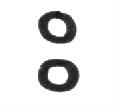
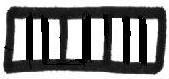
Aceasta pentru ca doua din tablite sant gaurite, gauri prin care trecea un snur si destinate a fi purtate in jurul gatului. Astfel tablita dreptunghiulara ACOPEREA COMPLET jumatatea superioara a celei rotunde, fiind ascunsa de privirile trecatorilor. Eu, cu educatia timpurilor moderne si multe limitari in gandire, ma asteptam cumva ca acea portiune sa contina un mesaj legat direct sau indirect de vreo zeitate. Foarte multi cercetatori au vazut in secventa DDoo doar un numar (1,1,10,10=”22″), (adevarat nu scris dupa tipicul sumerian unde zecile sant in stanga si unitatile in dreapta). In acest sens exista intrpretarile precedente a 3-4 oameni de stiinta (si a mea).De la inaltimea stiintei lor, au facut una dupa alta doua greseli impardonabile.Sau sa fim mai blanzi, au fost “vrajiti” de asemanarea semnelor cu cele pentru numere. 1. Au confundat (si asimilat) amprenta=semnul imprimat pentru numarul 1/”dis” cu reprezentarea/forma sa bidimensionala trasata, D. Semne gen D, litera (d mare de tipar) trasata (si nu imprimata) pentru numere, in aceasta forma nu au fost folosite deloc de sumerieni. 2. Au asimilat semnele O trasate ca cercuri ca fiind fiecare numarul 10, cand sumerienii faceau semnul prin imprimare, deci era disc plin. https://www.researchgate.net/profile/Karenleigh_A_Overmann/publication/301221553/figure/fig9/AS:639266971471876@1529424531807/Proto-cuneiform-tablet-W-9578-g-from-Uruk-IV-3350-3200-BC-with-numerical-impressions.png
In stanga avem cate doua numere 14(10,1,1,1,1) iar in dreapta 28(10,10 si de 8 ori 1)
In schimb au folosit 2 semne trasate, care chiar seamana cu litera D.Probabil datorita dimensiunilor mici sau urmare a unui progres, nu au mai trasat liniutele din interior. CELE DOUA SEMNE “D” SUMERIENE PROTO CUNEIFORME TRASATE SANT: Semnul GAR care se citeste Ninda:”ratie de cereale/paiine” https://cdli.ucla.edu/tools/SignLists/protocuneiform/archsigns.html
Repet desi nu a existat in realitate la sumerieni un asemenea semn D trasat “gol”.In lucrarile precedente am facut referire si la alt semn asemanator BUR.
———- Semnul GAR citeste NINDA ———-
Sumerische Glossare und Indizes (SGI) Belegsammlung ˆgar [PLACE(loc)] wr. ˆgar; ˆgá; ˆgá-ar; ˆg ́aˆgar; ˆgarar; mar; ˆg ́aˆgarar “to put, place, lay down;to give in place of something, replace”;(a pune, așeza; a da în locul a ceva, înlocui “)
ePSD Didtionary GAR: former,retired (fost, trecut,retras) ; to heap up (a aduna) ;http://psd.museum.upenn.edu/epsd/epsd/e4362.htmlninda [BREAD] (11296x: ED IIIa, ED IIIb, Ebla, Old Akkadian, Lagash II, Ur III, Early Old Babylonian, Old Babylonian, unknown) wr. ninda; inda “bread; food” Akk. akalu / pâine; alimente
www.bulgari-istoria-2010.com › …PDF Sumerian Cuneiform English Dictionary 12013CT – bulgari-istoria 5 mai 205 mai 2000 — NINDA2 | ĝar (gar) [2505x] =place, to put, lay down; to give in place of something, replace; to posit (math.) | niĝ2 (nig2 ) loc, a pune, întinde; a da în locul a ceva, înlocui; a poziționa (matematică)
——– Doua semne GAR alaturate, adica GAR-GAR ———-
Un cercetator, Patrick C. Ryan in lucrarea sa Sumerian Archaic Sign Table presupune ca doua semne D alaturate
au echivalentul fonetic sumerian “MIN,MAN”.Apoi echivalentul fonetic Sumerian al acestui semn ar fi 940, man?; min (cu semnul intrebarii adica dansul presupune, propune…)min Acest cercetator nu este epigrafist sau sumerolog, este lingvist. El merge pe firul timpului inapoi in timp inspre o presupusa proto-limba.Nu stiu cum a gasit aceasta secventa de semne presupus de el sumeriene DD daca le-a vazut undeva(nu cred) sau le presupune asa in imaginatia sa bogata si prolifica. Suficient este ca fiind singurul loc unde am gasit-o si bazanduma ca oricum este om de stiinta ar trebui sa o iau in consideratie.Pare ca dansul considera cumva ca MIN care inseamna 2 este compus din doua semne D care fiecare reprezinta 1 ?? In orice caz sumerienii foloseau reduplicarea nu numai pentru a exprima pluralul ci si pentru a obtine expresii noi. Exemplu: Semnul GAR inseamna la sumerieni ” a pune,intinde” insa semnul reduplicat GAR-GAR inseamna actiunea precedenta repetata de mai multe ori, rezultand “acumulare,a aduna”
———— sa luam intai acest Gar-Gar de mai departe ——–
105.235.201.125 › Linguistic Afrasian Phonology Cover Though Afrasian plays a critical role in the reconstruction of Proto-Nostratic … A. Semitic: [Proto-Semitic (reduplicated) *gar-gar- ‘to rumble, to roar, to growl, (Rom.: a bubui, a vui, a mârâi )
www.academia.edu › Bomhard_A_… (PDF) Bomhard – A Comprehensive Introduction to Nostratic … ‘rolling, round, bent, twisted, turned’ A. Proto- Afrasian *g¦ar- ‘to roll, to revolve’: Proto-Semitic (reduplicated) *gar-gar– ‘to roll, to revolve‘ ..(Rom.:a se rostogoli, a se învârti)
Vainahi, as a population of the Terek Valley and mountainous areas, they appear in Strabo’s “Geography” (1st millennium BC) under the name “gargarei” (from the Hurrian “gargar” – “relative”). At that time, the Hurrian population of Karabakh was called by the same term. (Rom.: in huriana, “ruda“)
Sum. gar ‘to heap up’, gargar ‘accumulation‘, PIE *gar- ‘to collect, heap’, Greek ageiro (from *a-ger-yo) ‘to gather, collect’, agorà ‘assembly, place of assembly, market-place’, gargara ‘heaps, lots, plenty Rom.: in sumeriana, gargar:”acumulare” iar in greaca veche,gargara:”gramezi, multe“
sefarad.revistas.csic.es › articlePDF A note on the Sumerian expression SI-ge4-de3/dam – Sefarad were established using the reduplication verb gar (i.e. ga2-ga2– … put‘ or ‘to place‘ {sakãnum) ^^ but also ‘to heap up’, ‘to store’ Rom: folosind verbul de reduplicare gar (adică ga2-ga2- … “a pune„ sau „ a plasa ”{sakãnum) ^^ dar și „ a aduna ”, ” a stoca ”
Sumerische Glossare und Indizes (SGI) Belegsammlung gar-gar gargar [ACCUMULATION] wr. gar-gar “accumulation” (acumulare) gar HEAP (morman, gramada)(4 instances: Early Old Babylonian [1]; Old Babylonian [2]; Hellenistic [1].) Base forms: gar; gar-gar. 1. to heap up (a aduna)
springer.com › content › pdf << (AHw “schichten, haufen”/”straturi,gramezi“),to which correspond the Sumerian term gar.gar ..>>
www.jstor.org › <<stable artificial language in ancient mesopotamia — a dubious … – JStor gar.gar is a common logogram in mathematical texts for kamarum,. “to accumulate“>>
Rezultate de pe web Rabies and Rabid Dogs in Sumerian and Akkadian Literature – JStor Grammatical Texts,43 the paradigms of gar-gar = nup- puhu, “to be angry, blow up” a fi furios, a arunca în aer
Doua semne GAR adica GAR GAR=semnul URI: oi.uchicago.edu › pdf › sume…PDF Rezultate de pe web the sumerians – Oriental Institute – University of Chicago glossary of Sumerian words from the bilinguals known in his day … southern boundary; that the district Uri, usually equated with. Akkad / limita sudică; districtul Uri, echivalat de obicei cu. Akad
————– Semnul BUR. ————– Am constatat cu surprindere ca si BUR este legat de mancare.
ePSD Dictionary rechnik.sumerskog bur [BOWL];(food) offering, sacrifice 2. meal(-time) 3. (stone) bowl 4. a priest rom:[BOL ; (hrană) ofrandă, sacrificiu 2. masă (timp) 3. (piatră) castron 4. un preot]; BUR2: a container?(container); BUR: [GLOW(stralucire)] bur2..light (lumina) 2. to glow, shine; “to blow; light up; rise” (a străluci; “a sufla; a lumina; creştere”) ;bur [GRASS(iarba)] bur [LOCUS] a cultic location (loc cultic);bur [SPREAD(rspandire)]; BUR2:to release, free 2. to reveal 3. to spread out, cover; “to release, free” “to spread; (a elibera, gratuit 2. a dezvălui 3. a se întinde, acoperi; „A elibera, liber” „a răspândi;)bur [TEAR(rupere)];bur [TREE(copac)]a tree;bur [UNIT] a unit of volume(a surface measure)”
——– Culmea, in situatia in care savantii ne explica ca precedentul semn GAR provine de la forma castronului cu margini/buze duble/tesite. —— wikipedia beweled rim bowl vezi si https://ro.pinterest.com/pin/468022586275613811/double rim bowl
inseamna “jimbla de paine” si avem nu unul ci doua semne sumeriene proto cuneiforme legate de paine si mancare, am presupus ca exista o forma neatestata si negasita in alte inscriptii care le sintetizeaza pe toate si ca urmare a unei evolutii apare ca un D simplu. ===================================================== In prezenta o sa fac o interpretare (nefacuta pana acum) luind in considerare de aceasta data acceptia BUR.
https://biblicalstudies.org.uk/pdf/expository-times/015_11_514.pdf <<(No. XL), has published a syllabary from which we learn that the ideograph BUR-BUR, besides representing Uri or Ur, Assyrian Akkadu, and Tilla, Assyrian Urdh11 or Ararat, also represented Ari, Assyrian Amurru. Amurru, the land of. the Amorites, denoted Syria and Palestine, more especially the mountainous part of them, and in Ari I see a Sumerian (?) reproduction of the Canaanitish har, ‘mountain.’/ //rom.:ideograma BUR-BUR, în plus reprezinta Uri sau Ur, Asirian Akkadu și Tilla, Asirian Urdh11 sau Ararat, de asemenea, reprezinta Ari, Asirian Amurru. Amurru, țara. Amoriții, denotau Siria și Palestina, mai mult în special partea montană a acestora, iar în Ari văd o reproducere sumeriană (?) a Canaanitului har, „munte”.
http://www.sitchiniswrong.com/AnunnakiFalkensteinEnglish.pdf <<The majority of the supporting documents reference only limited doings of the A. The citations which report that the A. go to, or haste to (bur-bur), a cultic site or to a god [Sumerian text], contain the underlying idea that the A. have their dwelling places in different locations, and from there, come together at various locations. >> (Rom.:Majoritatea documentelor justificative se referă doar la lucrări limitate ale Anunna Citațetele care raportează că A. se îndreaptă către sau se grăbesc (bur-bur), spre un sit cultic sau un zeu [Text sumerian], conține ideea de bază că A. își au locurile de locuit în diferite locații și, de acolo, se reunesc în diferite locații.)
A (sumér-szabir-szkíta-kelta)-magyar Európafiles.conifertreasury.org › … << egy szemita központosulással szembesülünk, amelynek iránya Sumer, a sumér … Tehát a “BUR-BUR” elnevezés földrajzilag igen nagy területre értelmezhető >>(Rom:…ne confruntăm cu o centralizare semitică în direcția Sumer, sumerian. Deci, numele „BUR-BUR” poate fi interpretat geografic pentru o zonă foarte mare …)
https://archive.org/stream/cu31924028555757/cu31924028555757_djvu.txt <<the ordinary sign uru meaning “city,” {Amurru p. 113) ; the sign uru^’^ meaning “whirlwind, city;” the sign BUR-BUR ^uri {Amurru p. 113), etc., are all used to represent the name of the god Uru {^=Amurru). In short, these many signs standing for the pronunciation Uru or Ur as the name of a god in early Babylonian literature, and also in the late syllabaries, where such obsolete deities’ names of the past were preserved, unquestionably repre- sented the name of the god under consideration.>>
Sumerian Lexicon – Sumerian Language Page 11 aug. 1999 — Beyond these words, two- thirds of this lexicon now … bůr: a square surface measure = 6.48 hectares = 18 iku … capacity; whole (cf., kilib and gur4-gur4) [NIGIN archaic. ——— NIGIN pronunta niñin ——————– <vezi imediat sus, echivalent cu?>gur4-gur4 (?)
http://psd.museum.upenn.edu/epsd/e4234.html Old Babylonian niĝin[ENCIRCLE]; niĝin “to prowl, roam; to enclose, confine; to encircle; to search; to turn; to return; to go around; to tarry” (Rom.: a rătăci, a cutreiera;a închide; a înconjura; a căuta; a intoarce; a se intoarce; a merge în jur; a rămâne ” )
books.google.ro › books Astrology and Cosmology in the World’s Religions Nicholas Campion — 2012 · Social Science The process of reproduction resulted in the creation of the first generation of gods, including … up of an-ki, heaven and earth; the Sumerian an.ki.nigin.na translates as “the entire universe” (intregul univers)
https://is.muni.cz/el/1421/jaro2013/PAPVB_13/um/40794229/Halloran_version_3.pdfniñin(2): n., enclosure, circle; capacity; whole (cf., kilib and gur4-gur4) [NIGIN archaic frequency: 11]. v., to halt, turn away; to turn round; to surround;to assemble; to pen up cattle; to wander about; to circle; to make the rounds / a se opri, a se întoarce; a se întoarce; a inconjura; a asambla; a crește vitele; a rătăci; a incercui; a face rondul (usually níñin[LAGAB] for hamtu form and niñin or ni10- ni10[LAGAB.LAGAB] for marû form) (ní;ne4, ‘fear’, + ñin, ‘to go’). niñin(2,3): vertigo (as a disease); faintness, dizziness; thirst. nìñin, ni9: premature or stillborn child; malformed child; monstrosity. niñin5,7,8,9, nimen(3,4,5); naña: district, province.
——————- Interpretare: —————————— Semnele HD = semneBUR?/GAR?+GA2/citit Ku= ofranda(de mancare),sacrificiu; sacru,sfant+ a pune,alimente, paiine
———- Semnele : D D si o o=semnele “GAR-GAR/Bur-Bur si OO=LAGAB LAGAB”; ——— citeste: GAR-GAR Nigin sau Bur-Bur Nigin 1.nigin:“district,adunare=comunitate“+ “acumulare,a aduna” 2.nigin:”total,toata,intreg” + “(cereale),paiine” 3.nigin:“district,adunare=comunitate“+ bur-bur:”Acadiana?,Amorita(Siriana,Palestiniana)” 4.NIGIN:”din districtul Nigin“+bur-bur:”sumerian,Sirian,etc.” 5.nigin:“cresc vite, ratacesc, m-am oprit“+ bur-bur:” sumerian,akadian,sirian 6. nigin:”cutreier,ratacesc, m-am oprit,etc.”+(la) bur-bur:”sursa de apa” 7. nis+min(2x20=40)=nimin/nimen : 8.1.”district,provincie” (desi DD numai seamana cu 2) 8.2. 40, (numarul sacru a lui Enki)
CONCLUZIE: Semnele “HD“: Ritual de oferire a unei ofrande/sacrificiu. Semnele “DDoo”: (Facut de un) sumerian,sumerieni din orasul NIGIN, sau amorit din Siria sau alta parte. De aceea este portiunea aceasta acoperita pentru ca formula este sacra si la fel si ritualul in sine.Cu partea stanga e clar; pentru semnele DDoo, din combinatiile/propunerile de mai sus, una iese cumva in evidenta:
URI,UR(gar-gar,bur-bur) NIGIN: comunity,roaming around the city/ “comunitate sumeriana,akadiana, siriana/cutreierând prin oraș“; a aduna/painea toata
oi.uchicago.edu › docs › cad_sPDF Rezultate de pe web assyrian dictionary – Oriental Institute – University of Chicago << sa-bi-i m urul bdqili … bad.nigin = sah-hi-ratdu-ri, uri.nigin = sah-hi-rat URU >> eternin jurul orasului, in jurul zidurilor.
books.google.ro › books The Class Reunion—An Annotated Translation and Commentary on the … J. Cale Johnson, Markham J. Geller <<.. bad.nigin = sah-hi-ratdu-ri= “eternalroaming,goingaroundthe walls‘ 218 tiru nigin= sah-hi-ratURU ‘roaming around thecity‘>>bad-duru;”city wall” “bad3″: “city wall” or “fortification”. “cutreierand in jurul zidurilororasului“,”umbla aiurea orasul“
=========== ! i n t e r e s a n t, 1.! ==================
<<The Akkadian scribe manipulated the word puzur >puzur Rom.: Scribul akkadian a manipulat cuvântul puzur puzur (buzur bur 3 buru3) puzur [SECRET]. Then the scribe created a bunch of homophones expanding the language out of thin air from asingle Akkadian word for secret: Rom.: Apoi, scribul a creat o grămadă de omofoni care extindeau limbajul “asa din aer”, dintr-un singur cuvânt akkadian pentru secret: puzur Homophones puzur = U puzur 2 = U.U puzur 3 = U.ZAG puzur 4 = KA×GAN2@t.ŠA puzur 5 = KA×GAN2@t This arbitrary homophones proves that Sumerian was not a tonal language because all these cognates derived from a single Akkadian word. Rom.: Acest omofon arbitrar dovedește că sumeriana nu a fost o limba tonala, deoarece toate aceste înrudite derivate dintr-un singur cuvânt akkadian. “U”: bur 3 bur [UNIT].buru3 (see full listing)
www.bulgari-istoria-2010.com › …PDF Sumerian Cuneiform English Dictionary 12013CT – bulgari-istoria 5 mai 2000 — Proto Cuneiform Signs (cdli) . … 2 [“2” / two numeric] | TAB [740x] = to double; to repeat; companion, partner, friend | cf.
<< Patrick C. Ryan a scos, (numai el stie de unde!) Sumerian Archaic Sign Table Semnul:
Phonetic value/Valoare fonetica:” MIN, MAN” >> I N T E R P R E T A R E: semnele DD=2=man:”COMPANION” dar in acelasi timp si puzur2:”secret” + semnele “oo“=NIGIN=”total,whole”/rom.: “TOTAL, CU TOTUL…”
C O M P A N I O N ? S E C R E T ? T O T AL , C U T O T U L , I N T E G R A L , P E V I A T A
Translations of whole adjective : întreg “whole, entire, complete, full, round, total ; tot all, whole, livelong; integral :”integral, integrate, whole” Translations of livelong adjective trainic lasting, durable, strong, solid, livelong, tough tot all, whole, livelong lung long, lengthy, protracted, extensive, vast, livelong
is.muni.cz › PAPVB_13 › Ha…PDF Rezultate de pe web Sumerian Lexicon – IS MUNI 11 aug. 1999 — The Sumerian lexicon has benefitted from several classes at … buzur(2,4, 5), puzur(2,4,5): safety, security; secret, mystery; Rom.: siguranță, securitate; secret, misterpuzur [SECRET] (5x: Old Babylonian) wr. puzur4; puzur5; puzur; puzur2 “secret, shelter; protection, aegis, shadow, shelter” Akk. puzru .. Rom.: secret, adăpost; protecție, egidă, umbră, adăpost ” puzur[cavity] – ePSDpsd.museum.upenn.edu › epsdpuzur [CAVITY] wr. puzur3 “cavity, cave” Akk. huppu. [1], cuneiform |U.ZAG|, puzur3. 1. cavity, cave. Akk. huppu “hole, pit?” Rom.:”cavitate,pestera”,”gaura,groapa?”
Apoi , noi avem 1,1, 10,10 si nu 10,10,21,1, asa cum scriu sumerienii numerele cu zecile in stanga si unitatile in dreapta !,caz in care am avea “22”.Atunci nu putem citi altfel pe 2 si 20 decat:
Enki – Wikipediaen.wikipedia.org › wiki › EnkiEnki is the Sumerian god of water, knowledge (gestú), mischief, crafts (gašam), and creation …Beginning around the second millennium BCE, he was sometimes referred to in writing by the numeric ideogram for “40“, occasionally referred to as his “sacred number“.
Troy – motherland of the Turks – AzerNewswww.azernews.az › culture <<Gargar is an important ethnomym which ties the Mediterranean to the Turkic world. A town by the name Gargara was situated near Troy. A province under this name is mentioned in the “Iliad“. To these can also be added an old Italian province by the name of Gargaria which is surely connected with the Trojan migration to Italy. As was mentioned above, the identical names – Gargar/Karkar were spread in the Turkic onomasticon as the names of tribes (Azerbaican, Turkmenistan), mountains (Azerbaijan, Kazakhstan), and as a personal name in “Manas“, a Kirghizian epic >>
bolcheknig.ru › russkijj-yazyk › ilia… Iliad Veresaev read. Hesiod: Work and days. Translation by V … <<…. A fierce dispute arose between the three goddesses: the Queen Hero, the wife of Zeus, Pallas Athena, the goddess of wisdom, and Aphrodite, the goddess of love and beauty. Each demanded an apple for herself, as the most beautiful. They could not get along and turned to the handsome Tsarevich Paris, the son of the Trojan king Priam, to resolve the dispute. At that time, he was herding herds on Gargar, one of the peaks of Mount Ida near Troy. Both sides immediately led the matter straight. Hera promised Paris power and wealth, Athena – wisdom and glory, Aphrodite – the love of the most beautiful woman in the world.>>
https://en.wikipedia.org/wiki/GargaraGargara(Ancient Greek: Γάργαρα) was an ancient Greek city on the southern coast of the Troad region of Anatolia. It was initially located beneath Mount Gargaron, one of the three peaks of Mount Ida, today known as Koca Kaya (39°35′10″N 26°32′03″E).[1] At some point in the 4th century BCE the settlement moved approximately 5.8 km south of Koca Kaya to a site on the small coastal plain near the modern villages of Arıklı and Nusratlı (39°32′22″N 26°32′46″E), at which point the previous site came to be known as Old Gargara (Ancient Greek: Παλαιγάργαρος).[2] Both sites are located in the Ayvacık district of Çanakkale Province in Turkey. Mount Gargaron Mount Gargaron has been identified with the mountain today called Koca Kaya (TurkishGreat Rock), a western spur of Mount Ida with a maximum elevation of 780 m.[3] The poet Epicharmus (fl. 540 – 450 BCE) refers to the mountain as “snowcapped” (ἀγάννιφα), and the Etymologicum Magnum (ca. 1150 CE) knew a tradition according to which the inhabitants of Old Gargara moved to their new site to escape the cold of their old home.[4] In Homer’sIliad it is said to have had an altar to Zeus at its summit, and hence is a place the god frequently visits.[5] In one passage Zeus is said to have come to Mount Gargaron from Mount Olympos to view the battle between the Trojans and the Acahaeans, about 50 km NE of here.[6] In writers of the 1st and 2nd century AD such as Statius and Lucian Zeus is said to have abducted the Trojan prince Ganymede from Mount Gargaron while he was hunting in the nearby forests.[7] Lucian also represents the Judgement of Paris as taking place on Mount Gargaron rather than in its more traditional location further to the east above Antandrus.[8] The anonymous author of On Rivers thought that Gargara was Mount Ida’s previous name, while the Latin poet Valerius Flaccus used it as a learned way of referring to Ida.[9] The Etymologicum Magnum explains the name of Gargaron either as deriving from the verb γαργαρίζειν (‘to gargle’) on account of the springs thought to bubble up on the summit (an inference taken from Homer’s reference to ‘many-fountained Ida’ in conjunction with Gargaron), or as deriving from γαργαρέων (UVULA ‘uvula‘) on account of the mountain’s shape.
LOEB CLASSICAL LIBRARY ; 154 Stephanus of Byzantium, Places and Peoples Gargara: a city in the Troad1 on the promontory of Ida, known as Palaegargarus (Old Gargara), described as an Aeolian city by Strabo and Hecataeus. Alcman uses a feminine form Γάργαρος, Gargarus. Leleges used to live there.
Wikipedia GARGAREANS In Greek mythology, the Gargareans, or Gargarenses, (Greek: Γαργαρείς Gargareis) were an all-male tribe. They copulated with the Amazons annually in order to keep both tribes reproductive. Varying accounts suggest that they may have been kidnapped, raped, and murdered for this purpose, or that they may have had relations willingly. The Amazons kept the female children, raising them as warriors, and gave the males to the Gargareans.The Gargareans are held by some historians to be a component of the ancestry of the Chechen and the Ingush peoples, and equivalent or at least related to the Georgian name Dzurdzuks.[3]Adrienne Mayor wrote about the Ghalghai/Gergar and mentions an old Ingush legend about a Maiden’s Tower located in the Assa gorge in Ingushetia.Strabo wrote that “… the Amazons live close to Gargarei, on the northern foothills of the Caucasus mountains“. The Amazons were attributed to the Circassians via the root maze. Gaius Plinius Secundusalso localizes Gargarei at North of the Caucasus, but calls them Gegar.[5] Some scholars (P.K. Uslar, K. Miller, N.F. Yakovleff, E.I. Krupnoff, L.A. Elnickiy, I.M. Diakonoff, V.N. Gemrakeli) supported that Gargarei is an earlier Ingush ethnonym. Jaimoukha suggests that the myth might have been a nod to the similarity between Circassians and Durdzuks, despite their very different languages. The Ancient Greek chronicler Strabo mentioned that Gargareans had migrated from easternAsia Minor (i.e. URARTUUrartu) to the North Caucasus.[6] Jaimoukha notes that Gargareans is one of many Nakh roots- gergara, meaning, in fact, “kindred” in proto-Nakh.[7]
Cuvantul grec care este asemanator are in plus si sens asemanator cu gar-gar : γάργαρα Βικιλεξικό , τά, A heaps, lots, plenty, (“grămezi, multe,“) ἀνδρῶν Aristomen.1; ἀνθρώπων Alc.Com.19
books.google.ro › books Rezultate de pe web Sievers’ Law and the History of Semivowel Syllabicity in … P. J. Barber, Peter Jeffrey Barber — 2013 · History we find what seems to be a denominative γαργαίρω ‘swarm, teem with (people, corpses, or objects of various kinds)’ (Cratin., Ar., Sophr. , . In Istorie găsim ceea ce pare a fi un roi denumit γαργαίρω, plin de (oameni, cadavre sau obiecte de diferite tipuri) ”
translate.enacademic.com › γάργαρα γάργαρα from greek – Academic Dictionaries and Encyclopedias Derivatives: γαργαρίς θόρυβος H., γαργαίρω ` swarm’ (Com., Sophr.); γαργάρται λίθοι αὑτοφυεῖς (H.)? With another vowel γέργερα πολλά .. Rom:γαργαίρω ` “roi”
Atentie! Aceasta postare nu este o o descifrare sau citire a unui presupus continut scris real. Avand in vedere ca semnele nu apartin unui unic sistem de scris ci mai multora, pagina are un caracter pur didactic. Are rolul de a incerca si testa diferite scrieri. Semnele de pe tablite apartin mai multor sisteme de scrisi dintr-larg interval de timp si care au folosite in diferite arii geografice. In niciuna din incercari semnele s-au incadrat intr-un singur tip de scriere, totdeauna au ramas semne care au provenit din alte scrieri (sau din necunoscut). Cele mai multe semne provin din cele sumeriene proto-cuneiforme.Apoi privind asemanarea, in ordine descrescatoare este aceea cu semnele Linear A/B si cele Anatoliene. Semnele din jumatatea superioara a tablitei rotunde par a proveni din scrierea arhaica greceasca.Cel mai degraba aceasta “adunatura” de semne pare a fi rodul imaginatiei bogate a cuiva.Dupa cum au constatat A.Falkenstein si A.A.Vaiman, (aceasta fiind si parerea mea ferma) autorul nu a fost un scrib, avea doar vagi notiuni privind scrisul in general si nu se stie ce a urmarit. Exista multe elemente de neconcordanta precum si altele care scot tablitele din tiparele si normele uzuale ale logicii, scrisului si intentiilor oneste. ======== Trei sau patru dintre savantii de anvergura mondiala, aici fac referire directa doar la doi: Adam Falkenstein si Aizic Abramovici Vaiman, specializati in proto-scrierea sumeriana (care foloseste semne proto-cuneiforme) sau aplecat asupra acestor tablite. Este vorba de jumatatea de sus care contine semnele: HD DDoo
Semnele HD sant semnele sumeriene proto cuneiforme. Poza din Moonlight in Romania: The Tărtăria Tablets Keith Massey
– Semnul “H”=Buzur,puzur=siguranta,securitate,secret,mister,BUZUR:zeul minelor adanci(zeul care dezleaga secretele) si/sau “Ku”=”stralucirea(metalelor)”, – si semnul D=˹DIŠ : “Unu,unul,un,o” ) SEMNIFICATIILE DE MAI SUS MA DUC CU GANDUL LA UN PROSPECTOR DE METALE SUMERIAN... Imaginea din Moonlight in Romania … placeofbrightness.blogspot.com
Cand au ajuns la jumatatea de sus a tablitei rotunde, pusi in fata secventei “D D o o” bineinteles ca au stiut ca sumerienii figurau cifrele numai prin imprimare, si deloc prin trasare. Ex. un D mic imprimat”1”, D mare imprimat 60; disc imprimat=10. Cercetatorii de care am facut vorbire au luat rapid si zic eu neingaduit de superficial semnele ca cifre si au vazut probabil 1, 1,10,10 =22 DAR SEMNELE NU SANT CIFRE, cel putin semnele OO nu sant obtinute prin imprimarea cu un bat rotund si nu reprezinta 10,10 ci sant trasate si exista ca atare (trasate) printre semnele proto-cuneiforme
In dreapta avem de doua ori 10 10 + de 8 ori 1=228
Pe tablita avem semnele inscriptionate numai prin trasare (latina cuneus=cui). Probabil stiau ca exista semne “o” trasate si nu imprimate si ca nu exista pe nici macar o singura tablita sumeriana cu vre-un semn “D” trasat. In lipsa de alte idei (si de altceva mai bun), au interpretat totusi toata secventa DDoo a fi un numar. Si asta pentru faptul ca aspectul acestor semne imprimate este asemanator unor D-uri si O-uri. Au spus in schimb ca nu sant semne original sumeriene si ca atare posibil nu au fost trasate de un Sumerian (get-beget), cel putin nu unul bun cunoscator al tehnicii scrierii. Dublarea, cuvintele repetate este o caracteristica a limbilor “primitive” agglutinative care nu au flexionarea substantivelor si verbelor.Erau folosite de sumerieni in primul rand ca sa exprime pluralitatea, dar vom vedea mai incolo ca nu numai pentru aceasta.Acestor limbi li s-a dat o denumire hazlie “banana languages”, pentru ca apar secvente de genul ba-NA-NA. Asa de exemplu este limba Egeeana minoica ce apare in scrierea Linear A nedescifrata, in primul rand datorita dificultatilor de a depista acea limba. Exemplu a-SA-SA-ra-me.
Eu am ramas constant ideii afirmate pentru prima oara de Dl.Marco Merlini (la care majoritatea cercetatorilor subscrie, inclusive eu) ca aceasta portiune, jumatatea superioara a tabletei rotunde era gandita intentionat de a fi ferita privirii trecatorilor. Motivul zice dansul ar fi faptul ca are un continut esoteric, inteleg eu sacru. Desi nu trebuie dupa parerea mea sa fie in mod absolute obligatoriu un continut sau mesaj din sfera religioasa.De aceea este lipsit de sens ca cineva sa ascunda aiurea niste cifre. Zilele acestea, sa sar in sus de bucurie, am gasit in Sumerian Archaic Sign Table by Patrick C. Ryan semnul 940: 940; 940=924+924
Apoi echivalentul fonetic Sumerian al acestui semn ar fi 940, man?; min (cu semnul intrebarii adica dansul presupune, propune…)min Acest cercetator nu este epigrafist sau sumerolog, este lingvist. El merge pe firul timpului inapoi in timp inspre o presupusa proto-limba.Nu stiu cum a gasit aceasta secventa de semne presupus de el sumeriene DD daca le-a vazut undeva(nu cred) sau le presupune asa in imaginatia sa bogata si prolifica. Suficient este ca fiind singurul loc unde am gasit-o si bazanduma ca oricum este om de stiinta ar trebui sa o iau in consideratie. Semnul DD e presupus de dansul a fi compus din doua semne 924 : https://www.oocities.org/athens/Forum/2803/SumerianArchaicSignTable.htm
eugenrau:!???? Pai seamana semnul 924 cu un semn D !?? De ce nu a considerat ca DD este compus din doua D-uri, care reprezinta fiecare “1” ??: Acekasi autor, Patrick C. Ryan, http://www.oocities.org/proto-language/SumerianValuesMeanings.htmDetermining Phonetic Values (Readings) for Sumerian Signs Associated With Certain Meanings Sign #1 , which in later cuneiform is a simple horizontal stroke with a wedge (cuneus) on its left side, is a descendent of, at least, two archaic Sumerian signs. The first, shown at the left, it will be noticed, is a simple vertical line
Înlocuirea imaginilor obiectelor obișnuite cu pene și linii cuneiforme și orientarea lor diferită înseamnă că cuneiformul este, cu cea mai mare dificultate, să fie utilizat la determinarea naturii originale a reprezentării, care, vom vedea, este o cheie a originii sale fonetice și semasiologice.*ana3, (acesta) unul *aš, ‘unu; unic’ *de/il(e/i), ‘unu; singur; numai; singur; unic’ *de/iš2, ‘unu’ Sumeriana era cel mai frecvent scrisa în coloane verticale, de sus în jos, care se desfășurau de la dreapta la stânga. Semiții, care au adoptat-o dureros, au preferat să citească mai mult pe orizontală decât pe verticală și au întors tabletele cu 90 ° spre stânga, cu rezultatul că vârfurile semnelor sumeriene erau cele mai la stânga pe linia orizontală. Aceasta a dus, de asemenea, la o lectură forțată de la stânga la dreapta (în limbile semitice asiriană și babiloniană), spre deosebire de practica sumeriană de citire de la dreapta la stânga.
Deocamdata am constatat cateva intelesuri commune pentru DD si oo: (man,men5): partener, companion, egal, doi …in faza asta pare un angajament de comuniune a unei perechi.
https://archive.org/stream/proceedings12soci/proceedings12soci_djvu.txt << nimin is also arb&, “forty.” Is this ni(s), “twenty,” min, “twice”? …. … chinese: ni, “many”; min, “a multitude”; jd’/i min-min, “a mass of people” (gin + min) ….<$<, nimin, *kissatu, ” multitude,” (ni + min) = nigin, napharu ; cp. me, “much”; and perhaps ni or ne, ” a force,” ” host.” >> ~~~~~~~~~~~~~~~~~~~~~~~~~~~~~~~~~~~~~~~~~~~ Inafara de faptul ca sumerienii nu trasau,inscriptionau semnele pentru numere, unul din cercetatorii enumerati inainte a mai adaugat o observatie din care rezulta ca nu era un scrib sumerian, si anume ca spre deosebire de sumerieni care incepeau cu numerele mai mari, aici trebuind sa inceapa cu zecile, pe care trebuia sa le puna la stanga, la noi numarul incepe cu unitatile: 1,1,10,10. posibil ca a folosit semnele pentru numere ca sa ascunda de fapt cuvinte. Dar si daca ar fi inscriptionat numere, pentru 22 trebuia sa scrie 20, 2 pe cand aici a inscriptionat 2,20 . Se citeste 2 x 20=min-niš= 2×20 ?. Pentru ca sumerienii spuneau pentru 40=nis-min=2×20> nimin=40. INSEAMNA ORI CA NU A INTENTIONAT SA SCRIE UN NUMAR CI NUMAI min-nigin SAU A VRUT SA ASCUNDA NUMARUL 40 (niš-min,nimin=40) SUB FORMA 20×2, min- niš. Interesant ca si un cercetator rus acum zeci de ani a dedus ca apare numarul 40.
NUN.KA.S.UGULA.PL.IDIM.KARA.I: “In (cea de-a) patruzecea domnie pentru buzele (gura) zeului Saue cel mai vârstnic dupa ritual (a fost) ars. Acesta-i al zecelea”
https://unglueit-files.s3.amazonaws.com/ebf/2330290bbe4c4ce08d318e78186a077f.pdf << 60-61a) As Finkel (1988: 149 n. 62) has argued, the first deity, written in abbreviated form with the number 40!? (in witness A) and mistakenly with 5036 for 40!? (in witness B)should represent Ea, the god of wisdom and magic, since he is usually responsible for human fate and associated with the lore of exorcism or conjuring. Fink el identifies the following cryptic signs PAB-PAB/BÙLUG with Ea’s son Marduk/Asalluhi who is considered as the patron of the āšipu par excellence >>
—————– santier in lucru ! Atentie, cad caramizi ! ———————-
Alan Turing http://alanturings.blogspot.com/2010/04/sacred-number-of-enki.html NUMARUL SACRU AL LUI ENKI Cu mai mult de 7.000 de ani în urmă, civilizația sumeriană a prosperat în toată Mesopotamia. Un sistem agricol fusese dezvoltat pentru a susține viața continuu pentru prima dată în istoria omenirii, iar locuitorii săi au creat un panteon de zei elaborat pentru a explica minunile naturale și fenomenul morții. . Una dintre cele mai venerate zeități ale lor, care apare și ca „Ea” în Babilon și Akkad, a fost „Enki”. Dincolo de Mesopotamia antică, legendele care îl înconjoară pe Enki au rezonat în epoca biblică (atât Vechiul, cât și Noul Testament) și au un impact asupra lumii noastre de astăzi. În timp ce puțini îi cunosc numele, Enki este o parte inevitabilă a secolului 21. . Proiectându-și reputația descurajantă din Golful Persic, Enki, adesea tradus ca „Domn al Pământului”, avea o înclinație pentru bere și femei – în special rude de sex feminin. În ciuda decesului de a deveni un bețiv obișnuit zvelt, el a reușit să fie considerat și zeul inteligenței, meșteșugurilor și creației. Așa cum s-a întâmplat cu majoritatea zeităților pre-iudaice, zeii din Egiptul antic, Grecia și Sumer dețineau de obicei atât caracteristici supranaturale, cât și umane (defecte). . În cele din urmă, Enki a devenit un fel de salvator prin înfrângerea desenelor nefaste ale fratelui său vitreg Enlil. Într-un cuvânt, Enlil a vrut să pună capăt experimentului uman și a declanșat o serie de dezastre naturale (adică foamete, secetă etc.) asupra Mesopotamiei. Enki a răspuns educându-i pe oameni să folosească contramăsuri eficiente (adică irigații pentru a bate seceta) pentru a supraviețui atacului lui Enlil. . Când Enlil a descoperit că planurile sale macabre nu au reușit să se materializeze, a convocat o întâlnire a zeilor (a cărei rege era) și a decis să inunde lumea din existență. Când Enki a aflat despre ultima machinație a fratelui său vitreg, se spune că i-a spus unui bărbat pe nume Atrahasis să construiască un vas suficient de mare pentru a rezista printr-un potop. Suna familiar? . Prin urmare, noțiunile despre un zeu care „salvează” umanitatea dintr-o figură întunecată și inundația catastrofală de sfârșit a lumii descrise în legendele lui Enki par să cuprindă rădăcinile istoriei iudeo-creștine ulterioare și a relatărilor teologice. . Dincolo de aceste povești, este interesant de menționat că Enki a fost adesea numit pur și simplu „40”, iar numărul său a fost considerat sacru în cadrul tradiției sumeriene. Deoarece „40” apare mai des în Biblia creștină decât orice alt număr (adică potopul lui Noe a durat „patruzeci de zile și patruzeci de nopți”, Isus a petrecut patruzeci de zile postind în deșert, au trecut 40 de zile între învierea și înălțarea lui Isus etc.) , „40” sumeriană a lui Enki trăiește încă pe cel puțin două religii practicate pe scară largă astăzi. Sperăm că oamenii de știință vor putea face progrese suplimentare în legarea curenților intelectuali și teologici din Sumer și Egiptul Antic de iudaism și creștinism. Între timp, studenții de istorie, religie și arheologie ar trebui să continue să pătrundă în lumea primei civilizații – Sumer – unde „40” nu arăta niciodată atât de bine. . (Pictograf: Enki – cu râurile Tigru și Eufrat ieșind din umerii lui. Enki era cunoscut și ca „Dumnezeul reaprovizionării”) . J Roquen .
Enki a fost adesea numit pur și simplu „40”, iar numărul său a fost considerat sacru în cadrul tradiției sumeriene.
Careful! This post is not a decipherment or reading of any actual written content of Tartaria tablets. Given that the signs do not belong to a single writing system but to several, the page has a purely didactic character. Its role is to try and test different writings. The signs on the tablets belong to several writing systems over a long period of time and which have been used in different geographical areas. In none of the trials did the signs fall into a single type of writing, there always remained signs that came from other writings (or from the unknown). Most of the signs come from the Sumerian proto-wedge-shaped ones. The signs in the upper half of the round tablet seem to come from archaic Greek writing. This “collection” of signs seems to be the fruit of one’s rich imagination. As A. Falcenstein and A. A. Vaiman found, (this is also my firm opinion) the author was not a scribe, he had only vague notions about writing in general, and it is not known what he intended or he was after. There are many elements of inconsistency as well as others that take the tablets out of the usual patterns and norms of honest logic, writing and intentions. ======== Sounds silly, emphatic, that is; how, to whom do I give a chance, to humanity, to world culture? In fact, I give it to myself, because it is essentially just to my continuous and consistent effort over about 11 years. In the event of notable progress, then one can speak of a contribution to European or Aegean culture for example. What determined me to resume the approach? The fact that I exhausted a series of hypotheses materialized through a series of test readings, not accepting any reservations. Then my thoughts settled somehow and I realized that of all the hypotheses, few, more precisely, only one has real chances. This is due to a series of reasons, mainly scientific, but not only.
WHY I COMPLETELY ELIMINATED THE ‘SUMERIAN HYPOTHESIS’
The signs on the tablets, compared to any of the writing systems in the world, indeed the signs most closely resemble those of the Sumerian proto-cuneiform. Years ago I didn’t even know they existed, but after I found out about them and saw them, it was as if new gates and horizons had opened up for me. Not only have I seen this resemblance but also others before me, (1965) researchers of the highest level in the field (Adam Falkenstein / Germany Zu den Tontafeln aus Tartaria, (1965) and Aizik Abramovici Vaiman / USSR). But they and I said each in his own way that only resembles.
They turned around and averting, in a rather elegant manner (Vaiman: “quasi-Sumerian writing”) I was more determined and looking more than them and adding a number of more concrete evidences & clues. Archaeological archeology. Спб, 1994. Вып. 3. Аннотации… http://www.archeo.ru ›…› Annotations of issues A. A. Vaiman. On the Quasi – Sumerian tablets from Tartaria. I can’t explain why the scollars didn’t proceed to express their opinion in a more determined way, but they preferred an approach like this, “with the spirit of gentleness”. They who should have seen better than me what sign and how much, to what extent they resemble the Sumerian correspondent. But being specialized in Sumerian proto-writing, it did not even cross their minds to see if the signs somehow resemble the oldest Aegean signs and writings. They took the signs in the hypothesis “if they were Sumerian” and interpreted them accordingly. All the interpretations of these scientists with expertise in Assyriology but with high specialization in the field of proto-cuneiform writing have obtained very good results similar to each other and similar to my interpretation.
Third, Rumen Kolev / Bulgaria also obtained very good results, even in a way surpassed them, even if I have the impression he was influenced by the research of those who preceded his. But I repeat, he has a valuable personal contribution in interpretation. ПЛОЧКИТЕ ОТ ТАРТАРИЯ И ЧАШАТА ОТ СУВОРОВО – ДВА “НАДПИСА” НА РАННАТА ДУНАВСКА КУЛТУРА И РАЗШИФРОВАНЕТО ИМ Румен Колев http://www.su-varna.org/izdanij/Magazin%201%20conf/Pages%20from%2046%20to%2053 .pdf
Without false modesty my interpretation is more complete than all of them, and made more accurately. I was surprised to see how other researchers did not recognize some signs, others misinterpreted and other “details” like that. The reasons for elimination as tablets to be Sumerian are many, most of them technnical (about 10 in number) regarding the concrete form of the signs themselves, but also the technique specific to the “writing” of the Sumerians. But the main reason was to rule out the possibility that some friable objects were brought by someone from such a distance, or it was in extremes a place closer to Syria. Decisive was the finding and deduction that the tablets were either inscribed between 3,200-2,800 IEN or after 1925. Why? Quite simple: in all this “in between” interval, no man on earth could see any of them cause being buried meters of earth / rubble under a temple in Uruk (Warka) NOTE: The scribe, the author of found by the way, so intentionally, to create in the round tablet but also in the perforated rectangular tablet a compartmentalization of the symbols, apparently according to the Sumerian model. In any case, at least in the case of the perforated rectangular tablet, the Sumerians did not do so; if they made compartments, columns in no case isolated only two or even a single symbol, as happens in our perforated rectangular tablet. This leads us to the separate interpretation of the symbols in each of the compartments made, whether a compartment contains two signs or just one. This means that they each sign had a distinct, sacred significance and therefore of great importance, and possibly leaned on them one by one during the supposed religious rituals !?. This facilitates the interpretation (I would avoid term reading) because in the case of proto-writing only a rough meaning can be extracted and not a concrete one, explicit and clear as in the case of writing. Ceremonial and ritual objects were used as a means to establish or maintain communication between the sacred (the transcendent or supernatural realm) and the profane (the realm of time, space and cause and effect). Occasionally, such objects have been used to compel the sacred (or divine) realm to act or react in a manner that is favorable to participants in ceremonies or persons or activities to which such rituals relate or to prevent the transcendent realm, to injure or endanger them. These objects can thus be mediating devices to contact the divine world.
THE PROBLEM OF THE AGE OF THE TABLES AND OF THE TYPE OF WRITING Initially, Romanian archaeologists established that the tablets come from a Neolithic Vinca layer and established that they date from around 5.300 BC. ! Initially they talked about the “origin of writing in the Danube area”, (Merlini: “Scrittura e nata in Europa?” / Was writing born in Europe?) And then soon after, to descend from the celestial space and talk about a script. Script does not mean writing like the ancient Scriptures, but a script means a collection of signs. Although the name leads to the idea of handmade signs, this is not necessary, see the Faistos disc. It contains a collection of signs, script but signs printed with stamps or something like that. After that a controversy started, in fact heated discussions about dating. 2400-2.700 BCE . The tablets of Tǎrtǎria. An enigma? A reconsideration and… http://www.persee.fr ›dha_0755-7256_1993_num_19_1_2073… Vlassa in a subsequent paper, dated the tablets“ around (2700?) 2600-2400 BC ”, ironically naming the adepts of radiocarbon dating as “radiocarbonists ”(Vlassa 1970. I’m not trying to clarify: with what expertise and on what basis did he state that the signs are close (otherwise perfectly true) to those from the Jemdet Nasr period !? It should be noted that nowhere in the world was a single proto-writing found before 3.500 IEN. The oldest appeared in Sumer, Iran and Egypt, almost simultaneously around (but not earlier than!) 3.500 IEN, followed by the Proto-Elamite writings and the script of the Indus Valley. https://sites.utexas.edu/dsb/tokens/tokens/
Fig. 4) Impressed tablet from Godin Tepe, Iran, ca. 3100 BC. courtesy Cuyler Young Jr., Royal Ontario Museum, Toronto. The small circular signs stand for 1 large measure of grain, the wedges for a small measure of grain.
From Harappa.com 62. How old is the oldest ancient Indus writing? Asko Parpola: “The earliest examples of Indus writing are from the Early Harappan Kot Diji period, which at Harappa is dated to c. 2800-2600 BCE.”
For all this, the type of writing is proto-writing, in which ideograms and logograms are used. Cuneiform writing proper appeared only after 2800 I.E.N. The closest example is Sumerian proto-writing in which they use proto-cuneiform signs. A “curiosity” (actually more than that and maybe more serious) is the appearance and the presence on the our three tablets simultaneously, one on each, of three types of writing: pictographic, ideographic-logographic and syllabic-alphabetic. This should raise big questions, but you can’t believe it, no one bothered with that. To me it is more than a strange thing, not knowing another instance of this kind in the world. It is as if someone wanted to show someone else the evolution of world writing and / or at the same time or the author to display “show off” his knowledge in the field. Normally I expected from the author to use only one type of writing, namely current, that of his age and time! In this kind of presentation of the author in which he rather displayed a collection of signs, it makes impossible a unitary interpretation (a single story, a linked message) of the whole set of three tablets.
THE PROBLEM OF AUTHENTICITY There were many factual elements that suit us or not, they come to question their authenticity (the absence of the discoverer at the time of discovery, the absence of any witnesses, the uncertainty regarding the layer to which they belong, the burning in the oven >> the impossibility of dating with C14, etc. ) The fact that the top half of the round tablet contains signs that appeared much more recently and did not exist as Sumerian proto-cuneiform signs at least, made me even more question their authenticity. The presence of the signs in the upper half of the round tablet in the archaic Greek alphabets and the detection by others and me too, that the author did not master the writing (according to some it was completely illiterate) contributed to this suspicion. I deduced the possibility that the author knew how to write, but only using the signs he knew well and with which he knew how to write: “archaic Greek letters”, present in the upper half of the round tablet (HD; DD o? / C ?). Even so, it can be explained why worn together around the neck (hung by a string), the rectangular tablet covers the upper half of the round one. ! So that it cannot be read by contemporaneous passers-by! That is why, and even more so, I admit that I started to suspect the circle around Zsofia Torma and especially the one around N.Vlassa without finding any clue or presumed guilty. In fact, knowing and using very old signs presupposes that in one way or another, the one who inscribed the signs has an idea of them, at least in the sea. However, it is certain that he had an idea of them only “largely”. Even this is not absolutely possible IF the author were somewhere close to our days. It seems that even in the period 800-300 BCE both the Sumerian proto-cuneiform and the early Aegean signs were unknown, both writings being buried. The Sumerian ones were found / unearthed in 1925 / Woolley and the Aegean ones shortly before 1900 / A.Evans.
A DILEMMA WHOSE SOLUTION CAN BRING LIGHT INTO THE PROBLEM OF AUTHENTICITY There are two situations of which only one can be real: 1. The round tablet contains in the upper half signs, numbers of Sumerian origin and the Sumerian invoice, for a commercial transaction or archaic Greek letters. It is obvious that there is no reason for them to be hidden. It would mean that the author did not even intend to hide them; the fact that the round tablet would be half covered by the rectangular one is a pure coincidence. 2. The author intended to cover the message on the upper half of the round one (both perforated tablets being hanged by a leather string). We are implicitly forced to find a reason to hide the signs. The signs in this case should come from the Aegean area. It is impossible to have a certainty which variant is the real one. This exposes me to a major risk when we know that most extremely old inscriptions (eg in Sumerians) have an administrative content. Because I set out from the beginning to give one last chance to interpret them based on the Aegean script, it is clear that I have to go for the second option. There are also two aspects that I hope are only seemingly irreconcilable: – the presence on the tablets of some clearly Sumerian signs, for example the signs “Ab”, “AMAR” etc. (perforated rectangular tablet) on the one hand and – the presence on the tablets of the signs Heta(Eta), Delta / Rho, omicron, lunate sigma (in the upper half of the round tablet) This situation, I must say with all the bitterness, makes me feel I’m researching a criminal field.
WHICH IS ALMOST THE ONLY HYPOTHESIS WITH REAL CHANCE, AND WHY.
According to the hypothesis of the presence of signs similar to the Sumerian ones, the closest writing by point of view of the proximity of the area and the antiquity is that of the presence of some Aegean “Proto-Linear” signs. I was pleasantly surprised and a new perspective opened up for me when I became acquainted with the studies of the Greek researchers I. Papakitsos and G. Kenanidis. They claim that the beginnings of writing in the Aegean area are simply due to the presence of early Sumerian settlers. A 17th c. BC Minoan Votive Double Ax (Labrys). The Arkalochori Ax and its siblingshttp://www.anistor.gr/english/enback/2016_1s_Anistoriton.pdf << To say that the inscription Aa (Archalokori Ax) belongs to Linear A would be at least inaccurate, for two reasons: Linear documents The existing A uses, as the name suggests, linear signs, while the ax signs are more pictorial, with a not so strict orientation1 and flatter, bi‐dimentionale; and, existing Linear A inscriptions usually convey non-Sumerian languages used by non-Sumerian nationalities living in Minoan Crete, while this ax, like all C.H. documents, is an appearance of an original inscription by the Minoan Sumerians. >>
I tested an attempt to interpret the signs using Aegean signs. Paradoxically, the interpretation is not far from Sumerian interpretations. Why? Because some ideograms have a similar meaning to the Sumerians and the Aegeans. Since then, the DDoo sign sequence has been an insurmountable obstacle for me. Because “D” signs did not exist in the Sumerians but also in the Aegean area before 1000 IEN. These appeared in Proto-Sinaitic writing around 1,000 IEN and in the Aegean area even later, after 1,000 IEN (600-800IEN Chalcis). The other day I saw a work in which all the signs from all types of ancient Aegean writings were reviewed, even comparing them with each other:
MINOAN LINEAR A Original title of the first edition (Sheffield 1987): THE ONOMASTICS OF THE ‘MINOAN LINEAR A’ AND ‘LINEAR B’ DOCUMENTS AND THEIR HISTORICAL SIGNIFICANCE by Peter George van Soesbergen. That’s when I realized second time again, but the signs that I can’t find an equivalent among the Aegean ones are extremely few. This on the one hand, and on the other hand, even with an initially presumed lack of some, it is pointless not to do this approach. I propose a goal as advanced as that of the interpretation of the tablets. In the first phase I will limit myself to trying to find the equivalent of each sign in the Aegean writings. By this I will be able to prove their origin. I could leave the interpretation for phase II of my research. ~~~~~~~~~~~~~~~~~~~~~~~~~~~~~~~~~~~~~~~~~~~~~~~ These two situations, ( quasi-Sumerian signs “as/like-Sumerian ”, with the appearance of Sumerian signs) and the one in which there are signs similar to the Aegean ones, of Aegean type/guy, create two distinct situations with consequences of overwhelming importance: The first situation offers the conditions for an easy interpretation, as the signs are somewhat more similar to the Sumerian ones, signs that can be found more easily in the Sumerian Proto-cuneiform signaries. Their significance seems to be fairly well known to specialists. But it also means that someone intentionally or unintentionally produced artifacts that “want to look like” something. This implies the idea and the paractic consequence of deceiving and the possible existence more or less of some forgeries. I dislike and attacked this situation and showed how and why many signs just “seem to be Sumerian” and I offered an interpretation similar to those offered by top specialists. Note that proto-cuneiform signs belong to proto-writing (ideograms and logograms) and therefore do not belong to writing proper and therefore do not use a language (in this case Sumerian). This does not mean that many signs are not associated with Sumerian ones and has a phonetic correspondent. The second situation makes the approach more difficult for me, because here we have (like in Linear A) both ideograms and syllabograms. The Cretan-hieroglyphic and Linear A writings are still present in the category of undeciphered writings. . I will have to show and keep track of the signs that are not found in identical form among the Aegean, the identical-Aegean and the similar-Aegean ones for which I must find the closest possible graphic equivalent. ========== AEGEAN SCRIPTS ========== From How undeciphered is an undeciphered script? – Oxbow Bookswww.oxbowbooks.com ›oxbow› blog ›2017/07/14 << Writing in Bronze Age Greece. The writing systems that have survived this period are all syllabic (ie each sign represents an entire syllable, not just a letter) and are in various stages of “deciphering”. Cretan hieroglyphic writing. (2,100-1,700 I.E.N.) It survives in about 3,300 inscriptions and remains very little understood, although we know little about its relationship to the other scriptures. One problem is that the inscriptions are often decorative and it is difficult to say how to read them – it presents some problems similar to the decorative Mayan writing. Although some signs look similar to those in lines A and B, which means we can guess their values, their “pictorial” nature is quite different from the more abstract shapes of the signs in the other systems. Linear Writing A (1,800-1,450 I.E.N.) Line A survives in about 1,500 inscriptions, many clay tablets and seals, although other items such as jewelry, pottery and stone vessels have been inscribed. It is usually labeled as “undeciphered”, but this is a good example of scripture in which we could read sequences aloud reasonably accurately, as many of its signs are shared (along with their values) by writing Linear B deciphered later. . However, we do not understand the language of the inscriptions, except that we can determine the meaning of a word in its context (especially the word for “total”, ku-ro, which appears at the end of the lists). Linear Writing B (1,450-1,200 I.E.N.) survives in about 6,000 inscriptions and is the only fully deciphered Bronze Age script in the Aegean Sea. Michael Ventris broke the code and announced its decipherment in 1952, proving that the language written in Linear B was an early form of Greek. Almost all surviving examples are administrative documents made of clay, and because we understand their contents, we can extract from them a wealth of historical information about the economy of the Mycenaean world. >> NOTE: Because it is very difficult to extract the equivalent Aegean signs and to show them to you, to put a picture of them, some (few) of the equivalent signs found in the writings Cretana Hieroglifica, Linear A and Linear B, I will extract them from the indicated work above. The sign will be indicated by me: Type of writing / page / no. sign, ex Linear A / pag12 / sign 5 will be A / 12/5. ======= ….overlaps between the Cretan script and other scriptures, such as the hieroglyphic scriptures of Cyprus and the Hittite countries of Anatolia, may suggest that they all evolved from a common ancestor, a now lost script, originally from Syria. ====== In the case of an approach with notable results regarding an interpretation using the Aegean signs, implicitly results an age of the tablets of maximum 2,800 BCE. The resemblance of a small number of signs (ligatured trapezoids, arched& arrow, ..) more with the Sumerian ones than with the Aegean ones could be an indicator of the presence of a strong early Sumerian influence. In other words, the tablets from Tartaria could serve to Mr. Papakitsos and Kenanidis as an argument and the best physical evidence in support of the research works which evidences a strong Sumerian influence for the beginnings of writing in the Aegean area. Moreover, the writing was introduced to the Aegean area in Crete directly from Sumer, some of the first Minoans being in fact migrants from Sumer.
THE INSCRIPTIONS WERE MADE BY A MINOIC SUMERIAN From Crete, Cyclades, Anatolia or Levant (Syria) ? we do not know.
(PDF) Some syllabograms of the animal category in the… http://www.researchgate.net ›publication› 340771705_Some_… Some syllabograms of the animal category in the Cretan Protolinear Script Ioannis K. Kenanidis Evangelos C. Papakitsos << The present study is focuses on linguistic evidence that demonstrates the origins of those Eastern settlers who initiated the Minoan civilization shown to be related to the archaic Sumerian culture through the features of the Aegean scriptures. >>Minoan Sumerian | Giannhs Kenanidhs – Academia.edu http://www.academia.edu ›Minoan_Sumerian A Comparative Linguistic Study about the Sumerian Influence on the Creation of the Aegean Scripts Ioannis K. Kenanidis1, Evangelos C. Papakitsos * 2 << Sumerienii s-au dovedit to be excellent traders and settlers throughout the Middle East, even at the end of the Uruk period [56]. According to Kramer [57]: “By the third millennium BC, there was good reason to believe that Sumerian culture and civilization had penetrated, at least to some extent, into East India and the West into The Mediterranean Sea, as well as the south of ancient Ethiopia and as far north as the Caspian Sea. ”Crete was known to Mesopotamia at least since the era of Sargon the Great, who lived between the 24th and 23rd centuries BC. [58]. >> …. For the first time I’ve learned of a possible intrusion of the Sumerians in Europe (Crete) with the practical result of the appearance of the Cretan Hieroglyphic and Linear A scripts of ideographic-consonantal nature followed by the linear writing B, consonantal = syllabary, from the works of Greek researchers E.C.Papakitsos and I.K. Kenanidis. The schollars speak of a proto-linear scripture which was the forerunner of the others. In this, they tried to show the evidence regarding an initial Sumerian contribution and influence.
(PDF) Minoan Sumerian | Giannhs Kenanidhs – Academia.edu http://www.academia.edu ›Minoan_Sumerian A Comparative Linguistic Study about the Sumerian Influence on the Creation of the Aegean Scripts Ioannis K. Kenanidis1, Evangelos C. Papakitsos * << The hypothesized protolinear script consists of 120 syllables of the V and CV models, as found in Linear-A / B scripts, one for each syllable of a dialect close to the archaic Sumerian language. … .So we have a script of simplified icons (signs), which describe elements, where the phonetic value of each sign is related to the archaic Sumerian word for the described object. Many of them are related to associated signs of the Cretan hieroglyph, also with Sumerian pictograms and sometimes with equivalent cuneiforms. … .The comparative study was conducted in parallel, including four factors:
the painted object and its sign in the Aegean scripture,
the relation and similarity of the previous sign with the Sumerian equivalent,
the phonetic value attributed to the sign in the Aegean Script,
the resemblance of the previous phonetic value with Sumerian words denoting the described object. … ..Following the methodology mentioned above, the entire Linear-A / B sign set can be identified as monosyllabic (rarely disyllabic) Sumerian words referring to the objects described, noting that in Sumerian a monosyllabic word ends in a consonant (ie CV-C)…. >>
An Application of Systems Science in Humanities: Investigating the Origins of the Minoan Civilization http://www.sumerianz.com ›pdf-files› sjss2 (4) 33-44 PDF Evangelos C. Papakitsos University of West Attica, Greece
<< Therefore, an adequate period of arrival of the first Sumerian settlers in Crete can be defined between 2800-2600 BC. …. 3.3.1. Migration routes Genomic analysis of European populations and the associated development of dairy practices indicate that farmers in the Middle East gradually immigrated to Europe during the Neolithic,through Anatolia and Greece . This route has always been the closest to Europe, in any case of historical turmoil in the Middle East, obviously even today. 3.3.3. Trade routes … .. The distance from the northern Sumerian territories to the north coast of the Levant, traveling upstream of the Euphrates River, is only 800 km (the curious reader can easily check these routes using the ease of calculating the distance of a relevant program such as Google-Earth). This route was well known to the Mesopotamians, not only from the Uruk period, but even before it, during the Ubaid period. … …By 3000 BC, Sumer had been the center of a transactional “globalization.” The most important trade for Bronze Age technology was tin. There have been extensive trading networks for this purpose. Other minerals and materials such as amber were also imported and their trade routes extended from Scandinavia to Cyprus. Commercial activity in particular does not only include the exchange of goods, but also the exchange of information and possibly an exchange of delegations of experts or agents for the valuation of traded goods. 3.5. Anthropological evidence (Who they were) There have been various attempts by scientists from many disciplines (archeology; linguistics; anthropology) to identify the origins of the Minoans. Homer (Odyssey: XIX, 172-180) mentions at least five ethnic groups (or subethnic in the case of the Achaeans and Dorians), each speaking their own language or dialect, respectively (respectively, Ahei, Eteocretani, Kydonieni, Dorieni and Pelasgi). Herodotus (Ι.173.1) mentions that in ancient times the whole of Crete was inhabited by “barbarians”, clearly meaning “foreigners” (ie non-Greeks; not “barbarians” in modern meaning of “savages”). Owens argues for the national descent of the Minoan population in opposition to Duhoux, who cites Homer’s passage above to justify the multinational environment in Prehistoric chalk. Owens’s debate bases the population of Crete on the estimated date of the writing of the Odyssey (800 BC), which has indeed been described as multinational. This debate, however, explains only for Doric groups, the last to have lived on the island in ancient times (11th century BC). For the others, Herodotus and Diodorus Siculus have preserved ancient narratives about the Eteocretans (“true Cretans”), claiming that they were the oldest inhabitants of the island, in addition to a group of older and primitive people (“Idaean Dactyls”) and also , mentioning those groups that inhabited the island after them suggest among others that the Eteocretans were the Sumerian population, the Kydonians were Akkadian settlers and the Idaean Dactyls were the earlier Neolithic inhabitants of Crete. He also proposes a settlement of the Sumerians in large numbers starting with 3000 BC. 3.5.1. Mediterranean race The Bronze Age Crete had been inhabited by people of the Mediterranean race of Neolithic origin. The Mediterranean genotype is evident in a wider perimeter of the Aegean Sea: from Western Anatolia to southern Italy and from the Central Balkan Mountains to Crete. Two relevant versions have been recognized that can be roughly characterized as “Continental” and “island” (the latter are also found in the coastal areas of the Aegean Sea), both of which are distinct from the “Armenian type”. 4.Discussion The entire linguistic context of Minoan (pre-Mycenaean) Crete seems to be closer to the Middle East than to mainland Greece, either in terms of the existence of multilingual societies or in terms of influence on script creation. It is estimated that the beginning of the creation of CH and LA is somewhere between 3000-2600 BC. This is exactly the crucial period of previously estimated socio-economic changes in Sumerian societies (see 3.1.4). Thus, we are looking for a period of Sumerian (proto) writing in which their writing system had become largely phonetic, but had not yet been developed in cuneiform (after 2600-2500 BC), although the transition from Sumerian script to curvilinearity proto-cuneiform had begun as early as the 30th century BC. At this stage, their original phonetic signs (about 600) could have been developed into another compact and light syllabic system, such as CP, but still without any influence or cuneiform trace. Moreover, the Sumerians of that period were not yet affected by sprachbund (Deutscher, 2007; Woods, 2006), namely Akkadian bilingualism, because CP is simply an evolution of the archaic Sumerian script, dating from 3100 to 2600 BC. .hr. Therefore, an adequate period of arrival of the first Sumerian settlers in Crete can be defined between 2800-2600 BC. To summarize the socio-economic evidence presented, in the 26th and 27th centuries BC, the Sumerians had the experience:
urbanization and overcrowding (see 3.1.1);
the need for raw materials necessary for their advanced civilization, but absent in Mesopotamia
(due to the previous need) knowledge of an extensive commercial network that has been exploited, even long before this period
socio-economic changes accompanied by an increase in war and poverty for the lower classes Therefore, in those times, the Sumerian socio-economic conditions were similar to those of the Greek city-states that triggered the Great Ancient Greek Colonization in the 8-6th centuries B.C.
To summarize the geographical evidence, it is shown that extensive networks have existed since the Neolithic era, especially in the Balkans, through which people, strategic raw materials, other goods and information traveled from Scandinavia in the north to Ethiopia in the south and from the British Isles in the west, India to the east, with the center of this network in Mesopotamia. The oldest direct evidence to date of such sea voyages in the above-mentioned trade networks date back to about 1300 BC, from the famous Ulu-burun Shipwreck / Turkey containing 17 tons of materials from 11 different cultures, including amber from the Baltic countries and tin from Afghanistan. Crete had a nature and was a privileged natural and geographical place in the origin of the north-western routes of this network that could be favorable for the establishment of the people who knew them. 5. Preliminary conclusion Given the local (Mediterranean) origins of the Minoan inhabitants that have been found so far (see 3.5.1), the initial proposal for the settlement of large Sumerian populations (Kenanidis and Papakitsos, 2013a) is not anthropologically supported, at least not in the sense that whole Sumerian families immigrated to Crete. Which could have happened, although it is analogous to the Great Ancient Greek Colonization, where the settlers were mostly unmarried men, who obtained brides from the local population after settlement (Manfredi and Braccesi, 1997). This analogy justifies the anthropological evidence about the Minoans in terms of both their maternal descent of Neolithic European origin (see 3.5.2) and the assimilation observed by the locals of the settlers in “Iranian / Armenian” (Kyriakidis and Konstas, 1974b). Ancient Greek settlers, although fewer in number, but carrying an advanced culture, influenced in many different ways by neighboring Romans (Manfredi and Braccesi, 1997) and Etruscans (Laparidou, 2002), or other indigenous populations, from the Egyptians (Trianti et al., 2011) to the distant culture of Gandara in Eastern Afghanistan. Therefore, SOT, as expressed here, argues that the eastern settlers who arrived in Crete during the 28th-26th centuries BC. (Douvitsas, 2005; Kyriakidis, 1971; Kyriakidis and Konstas, 1974b) were people from the Sumerian cultural environment:merchants (knowledge of routes), craftsmen (carpenters, metallurgists, seal makers, etc.) and scholars (actually accountants and administration officials). ) in moderate numbers. The advanced level of this civilization compared to that of the local Neolithic population could easily have led to the complete adoption of their culture by the locals, during the period of eight centuries (2700-1900 BC). Prepalatial. In this regard, more direct evidence is accumulating that will be presented shortly. The inscriptions Linear B cover approximately the postpalatal period. By using the rebus principle, it has been shown beyond any statistical doubt that the language that creates Linear B signs (consisting of abstractly described objects) is a close dialect, but simpler than the archaic Sumerian, because the phonetic value of each sign corresponds to the equivalent Sumerian monosyllabic word. for the described object. According to Fischer (2004), the principle of conundrum that was invented by the Sumerians is a gift to mankind, whose linguistic influence has spread to Iran, the Nile, the Indus Valley and (perhaps) the Balkans (Kenanidis, 1992). CV CV-type phonotactics is usually found in agglutinative languages, a feature that was ignored in LA, although observed very early by Duhoux (1998) and recently by Davis (2014) as well. A nearby agglutinative language so well studied from the third millennium BC. she was Sumerian. … According to CP theory, Sumerian scholars, who invented the original script, had to write in languages other than their own mother tongue, from which you can deduce that all “non-Minoan” languages written in LA / LB are quite distorted. >>
Cretan Hieroglyphics The Ornamental and Ritual Version of the Cretan Protolinear Script (PDF) Cretan Hieroglyphics: The Ornamental and Ritual… http://www.researchgate.net ›publication› 312039048_Cretan << The Cretan hieroglyphic script is conventionally classified as one of the five scriptures in the Aegean Sea, together with Linear-A, Linear-B and the two Cypriot syllables, namely Cyprus-Minoan and the Greek Cypriot syllable, the latter being considered as such due to pictorial and phonetic similarities with the previous ones . Cretan hieroglyphs were found in the Aegean Sea area in the second millennium BC. Their relationship with Linear-A is still in dispute, while the language (or languages) transmitted is still considered unknown. The authors argue here that the Cretan hieroglyphic script is simply a decorative version of the Linear-A (or, more precisely, the lost Cretan protolinear script that is the ancestor of all Aegean scriptures) that was used primarily by seal makers or used for rituals. The language transmitted must be a conservative form of Sumerian, as the Cretan hieroglyph is strictly associated with the main original Minoan culture and religion – unlike Linear-A which was used for several other languages – while the phonetic values of the signs have the same Sumerian origin as in Proto-Cretan . … .. ……It was documented that the inventors of the Proto-Linear Script were a nation that spoke a dialect close to the archaic Sumerian language. …… ……The following year, Duhoux (1978) observed that Linear-A is “rather agglutinative than inflected ”(same as the Sumerian language), due to the large number of affixes it contains (in 59% of words) compared to Linear-B (respectively 12%). … There are also older indications of different schools / scribal styles (Bennett 1966). Later, this suggestion was also supported by Finkelberg (1998). This idea (scribal guild), extended in the past, can explain why and how a relatively limited number of Sumerian scribes and seal makers could have created a writing system (Cretan Protolinear, so Linear-A, Cretan Hieroglyphics and Linear-B) to write the different languages of the Aegean Sea (Kenanidis and Papakitsos 2015a). These professionals could easily have been hired from the Sumerian communities in the Levant (according to Rohl 1999). … ….After an idea from 1978 and almost 10 years of research, Kenanidis (1992) published (in modern Greek) a study that links the phonetic values of the syllabograms of the linear scriptures to the common or culturally important words of the archaic Sumerian language, through through the rebus principle. This study refers extensively to the Cretan Proto-Linear script, considering as the only preserved samples of it three inscriptions on:……. ……Nota: tablitele de la Tartaria par a fi cea mai buna exemplificare, pentru Scriptura Proto-Lineara, daca nu cumva pentru o faza extrem de incipienta.
Among the Aegean writings, this tablet certainly leans towards the Cretan Hieroglyphic writing, which uses pictograms extensively. That kind of writing was used to inscribe votive (cultic) objects and seals. ~~~~~~~~~~~~~~~~~~~~~~~~~~~~~~~~~~~~~~~~~ subject to comparison. (-> -> ->). – one /
FIRST,LEFT-SIDE SIGN, ….a human silhouette? spirit/gost, master of animals, deity? ( Pity, the talent did not help the scribe at all) is not present in any of the writings (Sumerian, Aegean). Obviously, it is not found among the Aegean signs, because we do not even know what to look for. and, VEGETAL TWIG,BRANCH,GRAIN EAR Sumerians had many signs for different kind of cereals: As, Se, Se x Se Minoans had the twig> Cretan sign Te: “wheat” image, from https://linearbknossosmycenae.com Cretan hieroglyphs dealing with crops and vessels pottery
These plaques are dated to Late Minoan I period (1480BC-1425BC) are from “Minoan Goat Hunting: Social Status and the Economics of War” by Angela Murock Hussein. That unclear undefined shaped silhuette could be of that one wich made the animal sacrifice (or the deity wich receive the sacrificed animal?) Rezult: 1 unknown sign in Aegean writings . 1 sign identical with the Aegean sign (Te),1 wich have close shape corespondence in Aegean scripts.(goat)
RECTANGULAR DRILLED TABLET
From Promotora Española de Lingüística – Escritura de Tartaria
Contains about 8 signs. In the extreme part – upper middle: three signs like >>> We have mainly from left to right in the sea, 4 columns. FIRST COLUMN It has three cassettes. Starting with the top (and going down): –3 SIGNS “DDD-like” or “>>>” Image, http://ancientlights.org/CalendarHouse/ch2.html
“Sign * 034 has been suggested by several scholars to represent MNA (or, if a disyllabic value can be accepted, MINA), based on its resemblance to the crescent moon” “hiru”? “3 months” ?? – Then follows, below, one (or maybe 2?):
VEGETALE SIGNS like “branch” (one above the other). It has (have) a correspondent in the Aegean plant signs for example the sign “you”. 1.https://linearbknossosmycenae.com Te:”wheat” 2.http://people.ku.edu/~jyounger/LinearA/#11%22 * 04 (TE) “TE, 1.“ from ../ of .. ”? 3. likely “expected evaluations or contributions”
Result, vegetable-cereal signs. Aegean sign “te” (very possible te-te) Documents in Minoan, Luwian, Semitic and Pelasgianwww.talanta.nl ›wp-content› uploads ›2014/08› 2016… PDF << te-te te-na-te “ au dat lui Tanit ”>> 21 Compiled Syllabaries of Old European – Migration & Diffusionmigration-diffusion.info› pdfdownload PDFnurnber of related scripts were translated, regards with Minoan Linear A and ending with Russell. Burrows cave in… TE-TE he made, the way. TE-TO nothing. CONCLUSION According to my knowledge and perception, we actually have 2 signs “Te” there, Te-Te: “(opened) the way, they gave” but I choose Te x Te:”cereals>WHEAT“
“SA, perhaps a logogram for * SA-SA-ME?” <SA (HT 114b.1) or SI (HT 30.1) = paid? > I am inclined for the Aegean sign “Yes” although ours is sinistrovers (pointing to the left) and the Aegean sign is dextrovers. I have no other solution than to assume an inability to retain the scribe.
http://people.ku.edu/~jyounger/LinearA/#11%22 << DA-I = “total” ?: HT 12.6 (Schoep 2002, 162); cf. DA-I-PI-TA, ZA 8.5. If DA– (as in DA-DU-MA-TA) indicates in some way a completed action (like a perfect of A-DU), could DA-I be a completed transaction * 516 I + [?] >>
<< K?AThe Sumerian sign (Jaritz #458) depicts a ‘tubular basket‘; a variant, #458a, tapers toward the top; both have top-covers; both presumably and read ga2 (among others). Another recorded reading for it is pisan, which means ‘basket’ but perhaps also ‘*shallow tray’.An archaic variant form for Sumerian sign above (Jaritz #458), Jaritz #458a, looks very much as if it could be the ‘head’ without the hair and neck we see in Jaritz #15 under K?XA; and therefore might be a sign for ‘jaw’; but it also may be just another shape of ‘basket’.>>
is.muni.cz › PAPVB_13 › Gl…PDF a gal[help]; a gal[strong]; a gar[defeat] – IS MUNI 1. cella 2. bedroom 3. a ritual building 4. the sanctuary … Akk. damšillu “(a kind of cucumber )?; plant name” … GA2: ga2. 1. house 2. station (of the moon)? 3. room 4. house-lot. 5. estate.
Damn! In In the land of Lilliput: writing in the Bronze Age Aegean by Artemis Karnava says that Cr.Hier. 002 would be “human bust”; The same goes for John Younger http://www.people.ku.edu/~jyounger/Hiero/Hgrids.html
http://www.researchgate.net Diachronic change in sign forms between Archanes Script and Cretan-Hieroglyphic or from Archanes Script… onlinelibrary.wiley.com
A corroded copper ingot from Zakros, Crete, shaped in the form of an animal skin typical in that era. Folowing image, from: Bilingual Indus Script inscriptions, evidence … – Bharatkalyan97 bharatkalyan97.blogspot.com › 2019/09 › bilingual-in.
Forma pare pe un stindard sumerian.
For now, I give equal chances for the “ingot” and for the symbol “place / sacred temple”. Towards the conclusion: Present sacred sign, it seems with origins in Neolithic, Anatolia and Vinca Civilization.
This symbol painted on a vase from the Cucuteni culture in north east Romania 4000 BC is, according to Marija Gimbutas, definitely the symbol of the Goddess of regeneration in the form of a double triangle shaped like an hourglass. ”
Unlike the Sumerians who had a complex social and religious stratification and who had signs for the Ab and Unug temple, the Minoans held rituals in nature, on mountain tops and in caves, as such they had no specific sign for the temple.
wikipedia Minoan religion <<… there is no evidence that Minoan religious practice was centered around formal public temples. Some scholars see the Minoan Goddess as a divine female solar figure. >>
See A-sa-sa-ra <> Asherah? Linguistic Evidence for a Phoenician Pillar Cult in Crete janes.scholasticahq.com ›article PDF
They had only signs associated with the sacred and goddess the chthonic mother, Ma and the astral Asasara. Sign found in the labrys sign found in the places and caves where the rituals were held. Sign associated with the temple / labyrinth, “da-pu-ri-to-yo Po-ti-ni-ya”. Used in places of worship of the mother goddess IDA (IDA-MATER), mistress. “That of Mount Dikte” (A-DI-KI-TE PO-TI-NI-JA) http://www.melampus.name/war-of-the-gods—minoan-mycenaean.html http: // http://www.melampus.name/uploads/8/3/2/1/8321682/c10_orig.jpg The Goddess as “Mistress of the animals” surmounted by a double-axis icon in an epiclesis.
A marvel of Minoan finds: the double-ax of Arkalochori http://minoablog.blogspot.com/2010/03/marvel-of-minoan-finds-axe-of.html The ‘i’ vowel may be either part of the stem or a separate deictic particle (if I-DA-MA-TE is the same as DA-MA-TE, on KY Za 2). As for me, I suspect that this stem is originally without i- and it means ‘sanctuary’
Proposed conclusion: the sign represents (I) DA-MA-te: “SANCTUARY” or…
Anistoriton Journal, Vol 15 (2016-2017) In Situ 1 A 17th v. BC Minoan Votive Double Axis (Labrys)
Rather, a name as “damat” in Sumerian must be connected to the Sumerian “DAM” (husband), through which many Sumerian divine names began. …. DAM ”can mean“ husband ”and then“ year ”should be AN, the supreme god of the Sumerians, especially important in the city of Uruk and Crete which was colonized when Uruk was the dominant city of Sumer. …. Analogous is the inscription “nodamat” on small axes, of gold and silver: NO (hand) DAM (of the wife) of A (N) The supreme god TE the almighty (?). Here the two aspects of the divine are mentioned as DAM (feminine aspect, “yin”) and AN (masculine aspect, “yang”). >> eugenrau: … Somehow also there: sign <associated> with the wife of the supreme god
Similar Aegean sign 004: “FEM” (female / female) but not any woman but: DAM-A “WIFE OF THE SUPREME GOD” (? The forerunner of Damater, Hera and Diona?) ??… very very difficult, I choose:
CONCLUSION: Although in our thablet the upper trapezoid is bigger, and not as in the similar signs sum.AB: “house, temple” and UNUG: “temple”, I say that it is the Aegean sign DA-MA–TE: “OF THE DAMA/MOTHER,WIFE-SPOUSE” “SANCTUARY“. Being isolated it has the meaning of sanctuary in general.
From https://www.sumerian.org/sumerian.pdf << ” GA (pronounced nga,ñá): basket; HOUSE; stable (cf., ñar) [GA2 archaic frequency: 125; concatenation of 5 sign variants].GA (nga,ñá): (cf., ñál, ñar, ñe26 and ma(3)) >>
SECOND COLUMN – THE SIGN “INSECT?” Sign v.problematic & difficult. A.A. Vaiman did not find the Sumerian proto-cuneiform equivalent, see the dance table: “signs No.4 (its meaning is unknown)” I did not find him identical in the Sumerian signs, only close ?. https://cdli.ucla.edu/tools/SignLists/protocuneiform/archsigns.html “AN” (An, Anu, “the heavenly god”)
I did not find it identical in the Aegean writings. It resembles the hieroglyphic Cretan sign 068. Then it resembles, (but ours has 12 “rays”), and the 8-ray sign http://people.ku.edu/~jyounger/LinearA/#11%22 * 44 (KE )
From http://minoablog.blogspot.com/2009/ << This exclusion rule can be applied to the Linear A sign * 79 (‘eye’) to show why it cannot represent the value ‘ZU’ (that was assigned to it by John Younger et al.). The case-ruling example we find on the tablet ZA4, row a.5 where the term QE-SI- * 79-E can be read. The same name recurs on tablet ZA15. Now, if the reading of * 79 were ‘ZU’, we would rather expect an ending ZU-WE (with a not well characterized linear A WE sign) and NOT ZU-E. On the other hand, the value suggested and used by many (e.g. Glen Gordon) for this linear A sign: ‘DO’, fits perfectly, as DO-E is absolutely possible. But the case of LinA * 79 has to approached with care. Apparently, there are two distinct LinearB signs (* 79 and * 14) corresponding to single cluster (* 79) Linear A. I label it as a cluster, as it contains signs of very variable design: it is easily possible that there are two signs lumped into a single cluster: at least one of these is (with resonably high probability) is the Linear A counterpart of Linear B ‘DO’ sign (Lin.B * 14). >>
CONCLUSION: Maybe risk, and although I have the highest respect for Mr. Andras Zeke
(Minoan language blog http://minoablog.blogspot.com/) and dance research, without any argument, however my option (as a novel !?) is for the meaning: “Zu” Hypothesis: Even in Romanian there is a connection between light and eyes; their faculty = “light of the eyes” Starting from the root I.E. for the light “Di” we reach Ziu, Zou, Zu, Zoia. See the Cretan locality “Zou to lako”
The Proto-Sumerian Language Invention Process by John A. Halloran https://www.sumerian.org/prot-sum.htm << zu, sú: n., wisdom, knowledge; v. to know, to understand, to inform, teach (in marû reduplicated form); to learn from someone (with -da-); to recognize someone (with -da-); to be experienced, qualified.>>
v., to know; to understand; to inform, teach (in marû reduplicated form); to learn from someone (with -da-); to recognize someone (with -da-); to be experienced, qualified
CONCLUSION: “Zu =“ Zou, ZEitate ”(the graphic equivalent of the Sumerian sign AN)
Found very similar in the Aegean writings. image from: CREWS Project – WordPress.com Cats in the Aegean Scripts
On the iconicity of Greek Mycenaean MA-KA
Maria Mertzani periodicos.unipampa.edu.br [PDF] 117-Text of article-201-1-10-20190715
V1.COMPARATIVE ENCYCLOPEDIC DICTIONARY OF MESOPOTAMIAN… books.google.com ›books Ama – Amar… Ama: Sumerian. Noun. Mother. Ima in Hebrew. Ama in ancient Syriac.
<< 3 and 11: the well-known sign for ‘ma’, which describes the face of a calf (calf = amá (r) in
Sumerian); not the face of a cat as scholars are accustomed to. Indeed, the people of the cities are today
only familiar with cats and not with calves and even in ancient times there was a
reminiscent of a cat’s face (judging by the hieroglyphic seal [APPENDIX]), but
Sumerian-speaking users were aware that this described a calf. This is why the sign is without a mustache (even on the hieroglyphic seal [APPENDIX]). Also, the sign here doesn’t have it
human neck and ears of the human face of the ‘qa’ sign …… I saw this type of spelling in the inscription ‘a ma deŋejŋo’ (discussed in the ANNEX below) where the sign of the calf’s face (‘amá (r)’) was taken to involve “ama” (mother) and not “ma” as usual, even if the sign did not mean “calf” (“amá (r)”), but the homophone “ama” (“mother”). ). >>
4th and LAST COLUMN Contains two signs starting from top to bottom:
-sign “(BULL-HEAD) -TAURUS”. About this sign No.14 ,, A.A. Vaiman did not enter anything in the table and otherwise only refers to it without proposing what it is: “V. The column is not divided into lines and does not contain numbers. There are two (or three?) Signs, no. 14 and 10 (fig.4), the latter being the same as the one that appears in line II 2. Not found exactly in this form in the Aegean script, but in an extremely similar form. The appearance and the realization on the tablet leave much to be desired. http://people.ku.edu/~jyounger/LinearA/#11%22 Hieroglyphic * 012
a bull-head, becomes Linear AB 23 MU
SA / 6/113. it is very similar to the Aegean sign H / 12/21 “Mu” (see the eye in the head!). It resembles The Cretan Hieroglyphic table of signs, as suggested in the corpus inscriptions (Olivier and Godart 1996, 17). no.012 Conclusion: MU: “TAURUS” Note. If we take that rod shape that represents Cretan Hieroglyphic “U” would result Mu-U = MUU
Orion Constellation Myths of Sumer, Babylon and Egypt http://www.astronomytrek.com/orion-constellation-myths-of-sumer-babylon-and-egypt/ << For this urban civilization, the constellation represented its hero Gilgamesh, whose exploits were immortalized in the first piece of surviving heroic literature called The Epic of Gilgamesh. …. The Sumerians later honored the battle by presenting Gilgamesh in the celestial heavens as the constellation URU AN-NA (“light of heaven”) fighting a bull, identified as the modern constellation near Taurus. >>… from here, from the house, in fact the “living room”, comes the symbol of the temple of the supreme celestial deity, whatever it may be in different civilizations.
Bull of Heaven Heavenly Taurus https://en.wikipedia.org/wiki/Bull_of_Heaven <Some researchers consider the Bull of Heaven the same figure as Gugalanna, the husband of Ereshkigal mentioned by Inanna in the Descent of Inana into the underworld>
ANUjpreporter.net ›… <The Sumerian god Enki looks more like the serpent of Genesis and… Gud Anu Gud (Taurus) from Anu (Heaven / Universe). >>Bull of Heaven in Mesopotamian Sources – Culture and Cosmoswww.cultureandcosmos.org ›pdfs› 5-2-Soltysiak_Bull… PDF <The second constellation named after a bull is the Sumerian gud.an.na “bull of heaven”, equivalent to the Akkadian elu . In lexical texts it is separate ..>
Bull of Heaven in Mesopotamian Sources – Culture and Cosmoswww.cultureandcosmos.org ›pdfs› 5-2-Soltysiak_Bull… PDF <The second constellation named after a bull is the Sumerian gud.an.na ‘bull… and after a gap Inanna asks Taurus Cerului (gud.an.na)> eugenrau: Gud-anu <?> GUDEANU
CONCLUSION II: THE DWELLING, THE RESIDENCE OF THE SUPREME HEAVENITYNOW WE ARE “OBLIGED” TO INTERPRET THE ENTIRE COLUMN
For the simple reason that here the symbols are not separated by any line or box and have a meaning taken together. But on this occasion we encountered a great difficulty, as the final significance of these symbols is not certain. We have some presumptive combinations: the upper symbol: Heavenly Taurus / Sun or Asterios / Minotaur / Moon. The lower symbol: The Sun Goddess, the Sun Goddess or the symbol the wife of the supreme heavenly god
The celestial bull + his consort or Taurus / Minotaur / Moon + the sun (solar goddess) or the celestial TAURUS / supreme deity / THE SUN + his house, his TEMPLE, Orion >> CONCLUSION: THE TEMPLE OF THE HEAVENLY TAURUS, (THE SUN)
Circle divided into 4 quarters by a cross; we will take the quarters clockwise, the first located left-top: 1-st QUARTER Contains two signs: The sign “H with 3 horizontal bars/archaic eta-like”. There is somehow similar to the Sumerian sign proto-cuneiform Ku / Ga2, proto-Sinaitic Het, archaic Greek Heta, but also in Indus Script https://www.boloji.com/articles/11693/origin-and-etymology-of-the- valuations 12. <Sign
: This sign is like a cradle which locally is called ‘dollar’ or ‘dolna’. The first letter of this word is ‘da’. The method of acrology is also applicable here.>
Mycenaean | Minoan Linear A, Linear B, Knossos & Mycenae | Page 6linearbknossosmycenae.wordpress.com ›tag› page ›f… Next comes the supersyllabogram PA3 (PAI), 1.“ which probably refers to pa3ni / pa3nina / pa3niwi ”sau 2.” probably expected assessments or contributions ”“ PA3 appears on HT 9b, listing payments….
and A / 9/56, the “Pa3” sign It is not the bronze / copper sign because it has a short vertical bar on the right! The P? / D? As such there is no P at all and “D” only horizontally for volumetric measures, B / 15/110 “unit of volumetric measure”. : //linearbknossosmycenae.com/2016/09/29/measurement-of-17-conjectural-units-total-of-dry-and-liquid-volume-weight-in-minoan-linear-a/
Interpreters: 1. PAI-MENO / PAIMEN> Poimen “pastor” https://en.wiktionary.org/wiki/Reconstruction:Proto-Indo-European/peh₂- << Semantic shift from “protector” towards “shepherd, herder” can be seen in many branches, signifying the importance of herding. Unusual is the o-grade root in Greek ποιμήν (poimḗn, “shepherd, herdsman”), >> 2. PAMENOS Tradition and Transformation. Egypt under Roman Rule:… Recent research seriously doubts the sibling marriages in Roman Egypt, suggesting… of Apollonia alias Senmonthis, daughter of Ptolemaios alias Pamenos.
From ANISTORITON Journal of History, Archeology, ArtHistory: Viewpoints http: //www.a nistor.gr/english/enback/v053.htm One of the faces reads: Pa – me-ni po-lo 100 The foals (polo (i) ) for this year (pameni has the dative ending, but cf. Greek pammenos) Please also note that the… 3.signs PA- Moon> PA – MENI: ”ALL- MONTHs = (this) YEAR !! Rom. ”(Aquest) an” Wikipedia, Minoan Molds of Palaikastro
So it would be added +++++ 5 days. It could be a lunar solar calendar, each quarter containing 3 months of 30 days and every year should be added +++++ 5 days. SFERTUL 2 contains:
2. “TE, 1.“ from ../ al .. ”3.Bindings of two signs A / 9/92“ Te ”A / 9/92 or A / 9/61“ Ne ”.So possible“ te- you ”=” did, the way ”? 3. Number “50”
–Two “D” signs Not existing in Sumerian proto-writing, the oldest occurrence is in the Old Elamite 2250 and 2220 IEN (see “u”, “ku”) https://omniglot.com/writing/elamite.htm A selection of Old Elamite symbols which have been deciphered:
LINEAR ELAMITE WRITING François Desset http://www.researchgate.net List of accepted values for LE signs identifications in the right column are uncertain The following is not good, it contains two signs in the mirror
The valuation of this sign is ‘da’ / ‘dha’. The origin of this sign is the word ‘dhanuka’ which means bow with or without arrow. Through acrology the first letter ‘dha’ became the valuation of that sign.
Here we have a very big problem; the volume sign should be rotated 90gr counterclockwise. To the Sumerians the similar sign GAR (a D with an inner parallel line) reads ninda was initially in the plate dish- (horizontal) position, then they rotated it. Introduction Into the First Society – ppt download
2.TE / TI, << “from / of” (Valério 2007), associated with agricultural products and people, usually in large quantities. So, assessments… >> engl. “From, of”, “evaluations”
– two “O” signs or “oc” signs
1. The “o” sign found identically in The Cretan Hieroglyphic table of signs, as suggested in the corpus inscriptions (Olivier and Godart 1996, 17 ) sign no.073. Then in Linear A http://people.ku.edu/~jyounger/LinearA/#11%22 * 309 “shape O”
“oc” signs = Two phases of the four of the moon? The “C” sign has the equivalent H / 13/65 MINA or B / 15 / * 34 “month’s ration?” ALTHOUGH I COULD INTERPRET LIKE SUMERIANS, who obtained these signs by pressing, WHERE DDOO = 1, 1, 10, 10, cereal portions, I MEAN TO USE THE FACT THAT IN MINOIC “D” REPRESENTS THE UNIT OF MEASUREMENT VOLUME (LIKE THE BLENDER) AND THAT I COULD INTERPRET THE SIGNS “OO” AS “100 100”, I WILL NOT PROCEED LIKE THIS, BECAUSE THE RECTANGULAR TABLE COVERED EXACTLY THE HALF HALF OF THE ROUND ONE WHEN THE TABLETS ARE CARRIED TOGETHER, TOGETHER AND TOGETHER ESOTERIC MEANING OF THESE SEQUENCES “HD DDoc” and the interpretation will be:
HD = PA-MENI = ”all months” = ”YEAR” and DDOC are THE PHASES OF THE MOON.
QUADRANT 3 contains the signs:
(image from Moonlight in Romania…) I could have read each sign separately considering that each is composed of elementary signs joined by ligature / connection. But you will see further (more obvious to you and easy to understand) by exemplifying the 2nd sign. that the signs are complex ideograms. – THE LEFT SIGN. A complex ideogram, an altar-like sign (with flame), but rather a “portable altar.” I did not find it identical in the Aegean inventory. It has an Aegean equivalent that is not identical, it looks like the “De” sign turned upside down! http://people.ku.edu/~jyounger/PHDisc/PHDiscSigns.html
It is worth noting that this sign was proposed by Maria Gimbutas or Cosmas Theodorides e, Tanit. I didn’t find it exactly so representing “E” in the Vinca-Turdas civilization! http://studialphabetica.blogspot.com/2014/11/?m=0
CONCLUSION: Religious ritual sign “(portable)Altar“
THE SIGN ON HIS RIGHT: Another complex ideogram is not found in the identical form among the Aegean signs. It resembles the Larsa city seal, in fact the altar of the temple of the Sumerian deity Samas (the sun) in Larsa. http://enenuru.net/html/misc/cityseals.htm
Ritual and Worship at Knossos (Minoan Bronze Age) kzclip.com ›video› ritual-and-worship-at-knossos-mi… disk the words A-TA-I-WE-WA-JA or JA-SA-SA-RA -ME mean Asasara / Ishassara which is the goddess Astarte. M “Minoan Kingship and the Solar Goddess“
Neolithic clay model loaves from Govrlevo (Photos by G. Naumov)
From Those “bloody” Minoans… by Andras Zeke/Hu http://minoablog.blogspot.com/2011/ <<And thus we have arrived to the point to discuss a second theory about the meaning of A-SA-SA-RA-ME. It will be more in-line with the contemporary Minoan customs, but probably less pleasing to a faint-hearted reader. This possible explanation would be to compare A-SA-SA-RA-ME with the hieroglyphic Luwian word asḫarmis (plural: a-sa-ḫa+ra-mi-sa) = ‘offering’, ‘sacrifice‘ (or similar). Hittitologists tend to connect this word with Luwian asḫar- = ‘blood’, thus *asḫar-m-is-originally meaning ‘bloody sacrifice’. Whatever its orginal etymology was, it was used in a bit more generic sense in the Karkamiš inscriptions, since at least one of its mentions (see the figure) also involves sacrifice of bread, not just animals. Given the number of phrases in Minoan with possible Anatolian cognates, we should not be surprised to see yet another one added to the list. While the gemination of SA syllables is definitely problematic in Minoan (we must assume a development *-asḫa- → *-asaḫa- → *-asasa- upon borrowing – as Minoan might not have had the consonant ḫ) and its stem-ending is different, a generic meaning ‘sacrifice’ would fit exceptionally well with *A-SA-SA-RA-M-. Should this identification be true, A-SA-SA-RA-ME could mean ‘of sacrifice‘ and conversely A-SA-SA-RA-MA-NA ‘sacrificial’. This could easily explain the universal use of these terms in religious contexts.>>
Otherwise, in the Sumerian proto-cuneiform signs (sign Ba) and in the Anatolian alphabets (Carian: “i”). https://sites.google.com/site/collesseum/cretanscripts#_ftn1 << TO (P48, AB5, CC13 78, C TO) is a bow (toxon) with an arrow, but the curve was straightened, and the string was reduced to a small stroke …….
TO to(xos): bow (with arrow)
(PD11) PG48 LA39 L (A) B5 LC to CC8b, 9?
My suggestion is that the Linear A and B sign ultimately derives from a picture of a bow and arrow, Greek toxon.The Phaistos Disk glyph (PD 11, 1x) is a bow.Pictophonograph 48 (likewise one example only) is apparently a bow and arrow (though it might be a bird with a long neck, hence LA / B KU ?!). If neither of these pictographs are connected with toxon (bow), then my case for LA / B TO is difficult to argue.Nevertheless , the LB form could be a reduction of an original drawing of a bow and arrow: two parallel horizontal lines represent the bow, while the arrow is the vertical line below them and bisecting them (the top line is thus the bowstring). >>
The Undeciphered Signs of Linear B: Interpretation and… books.google.com ›books› isbn = 1108494722Two possible Linear A antecedents have been suggested for twe: AB87 and A305 (Figure 2.4). … 234 No Cretan Hieroglyphic correspondences are suggested by CHIC: 19 or… Cretan Hieroglyphic 048 has a broadly similar form, but as this sign’s central ‘arrow’ does not appear in either of the potentially related Linear A signs or in Linear B twe a connection is not likely likely.
file: /// C: / Users / User / Downloads / Decorte_R_P_J_E_2018_The_Origins_of_Bron% 20 (1) .pdf << The CHIC editors themselves consider # 048 as most likely Linear A: “we are inclined to think that it is linear A ”, citing Brice 1992 >>
Phaistos Disk Deciphered? Not Likely, Say Scholars – Biblical… http://www.biblicalarchaeology.org ›archeology-today› ph… In a TEDx talk in Heraklion on the Greek island of Crete, Gareth Owens… script (Egyptian Hieroglyphs), as well as a translation of that text into Greek. … Equate to the MLA sign AB41 (si) and the CHS sign CHIC # 048 and # 049.
“PA should be an abbreviation for a term modifying people…”
STATISTICS/Round tablet. Of the 12 signs, 3 are not found in identical form in the Aegean signs,4 in identical form, and about 5 in similar form. TOTAL ALL 3 tablets: There are not at all in Aegean and exact shape: 6 Identical :7, similar :10, SO THE STATISTICS INDICATELY DECIDE for THE PRESENCE ON THE TABLETS OF AN AEGEAN WRITING.
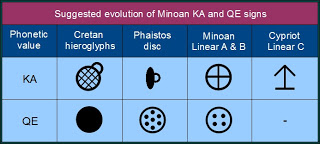


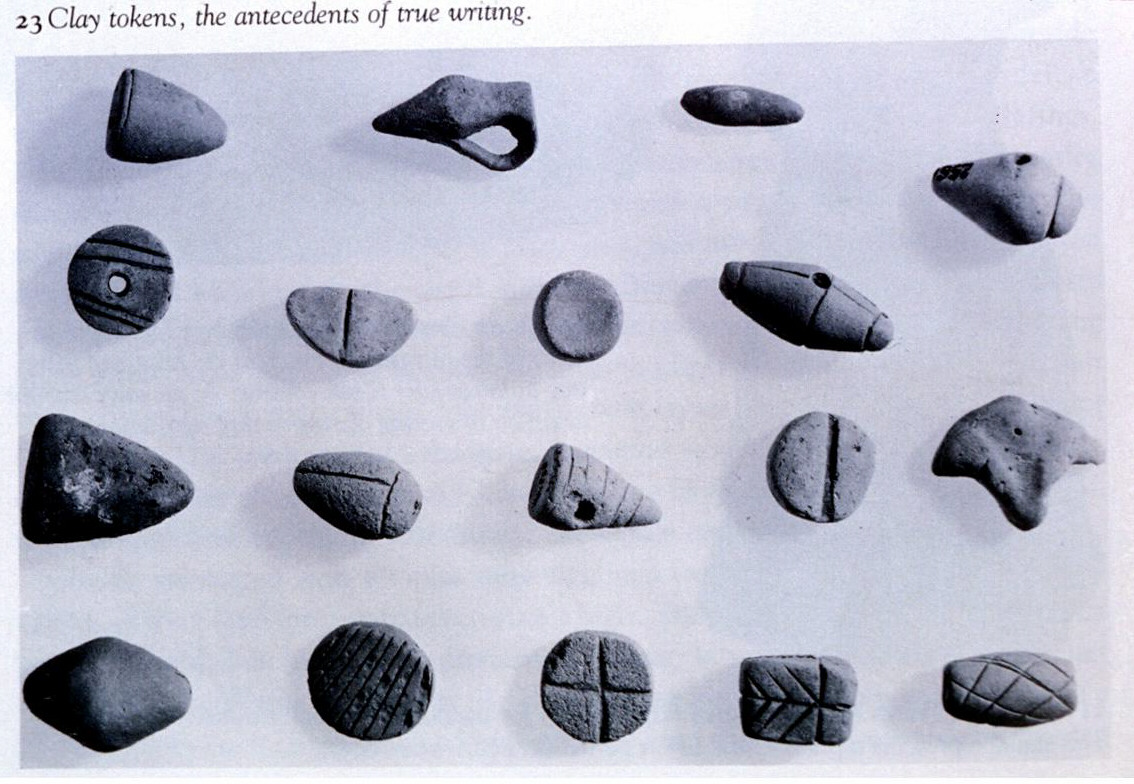


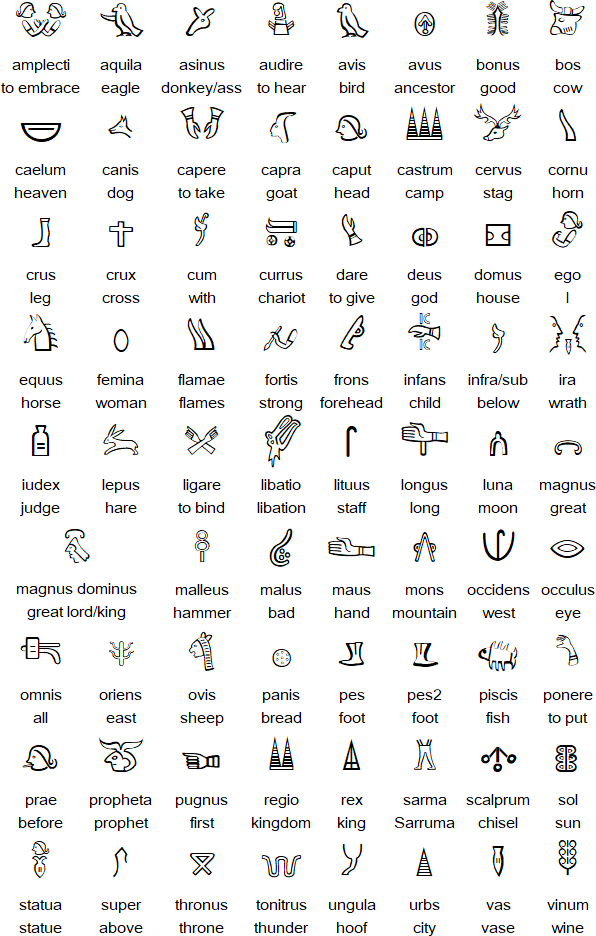


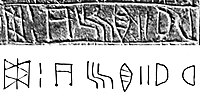
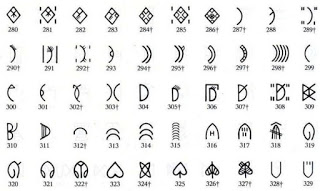

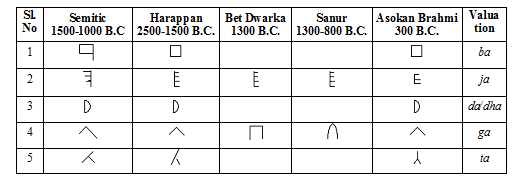
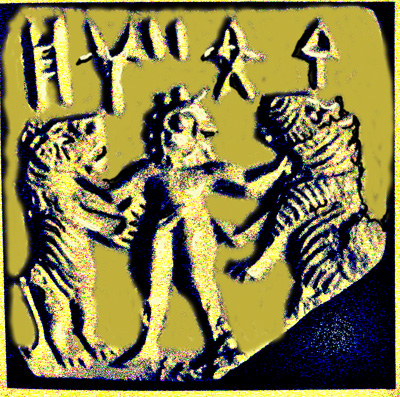

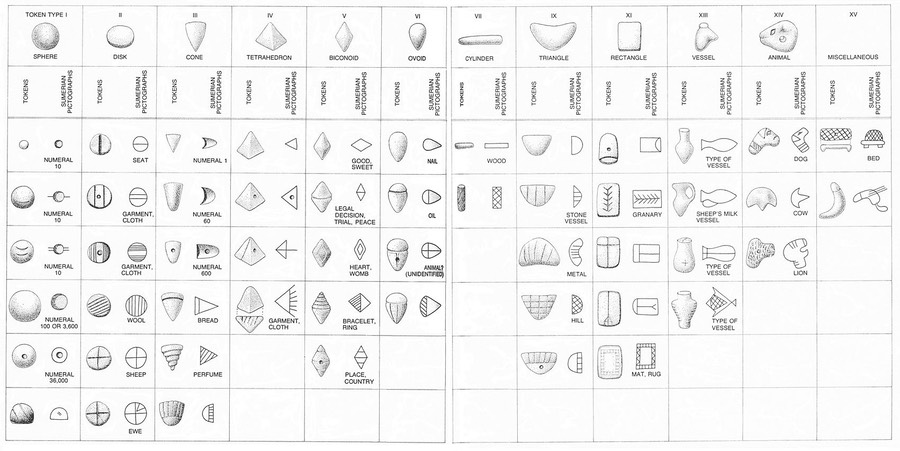


%7C.jpg)
.jpg)

.jpg)


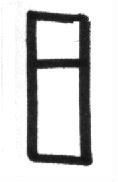
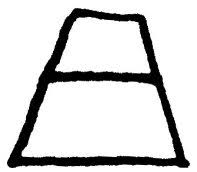


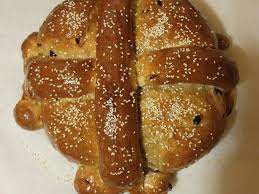


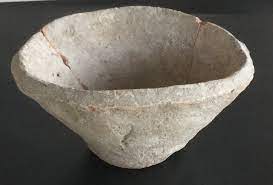


 – Academic Dictionaries and Encyclopedias Derivatives: γαργαρίς θόρυβος H., γαργαίρω ` swarm’ (Com., Sophr.); γαργάρται λίθοι αὑτοφυεῖς (H.)? With another vowel γέργερα πολλά .. Rom: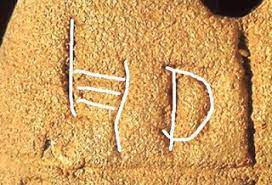


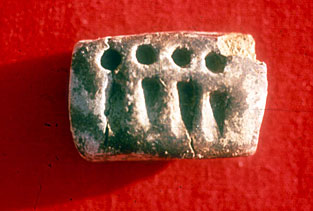


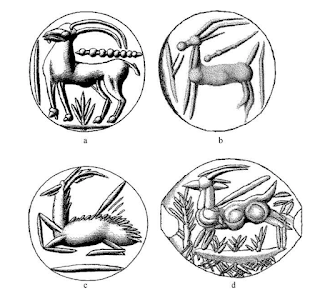


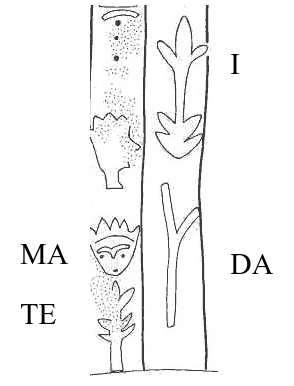


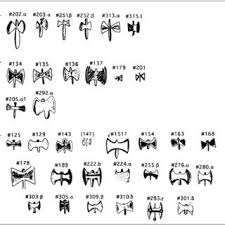
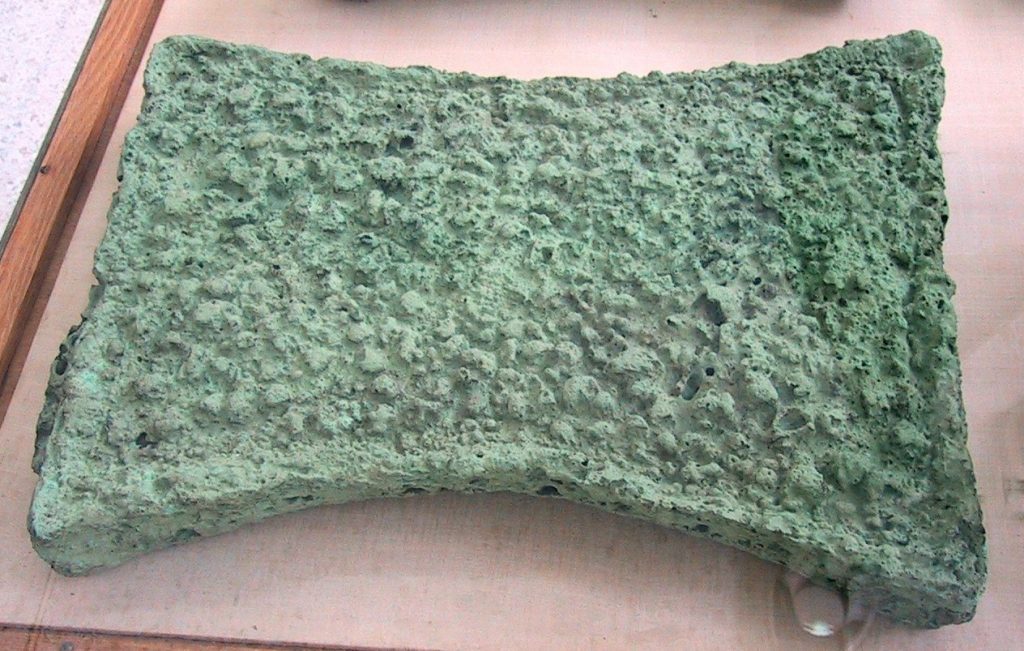


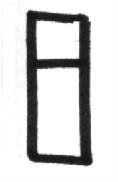


 v., to know; to understand; to inform, teach (in marû reduplicated form); to learn from someone (with -da-); to recognize someone (with -da-); to be experienced, qualified


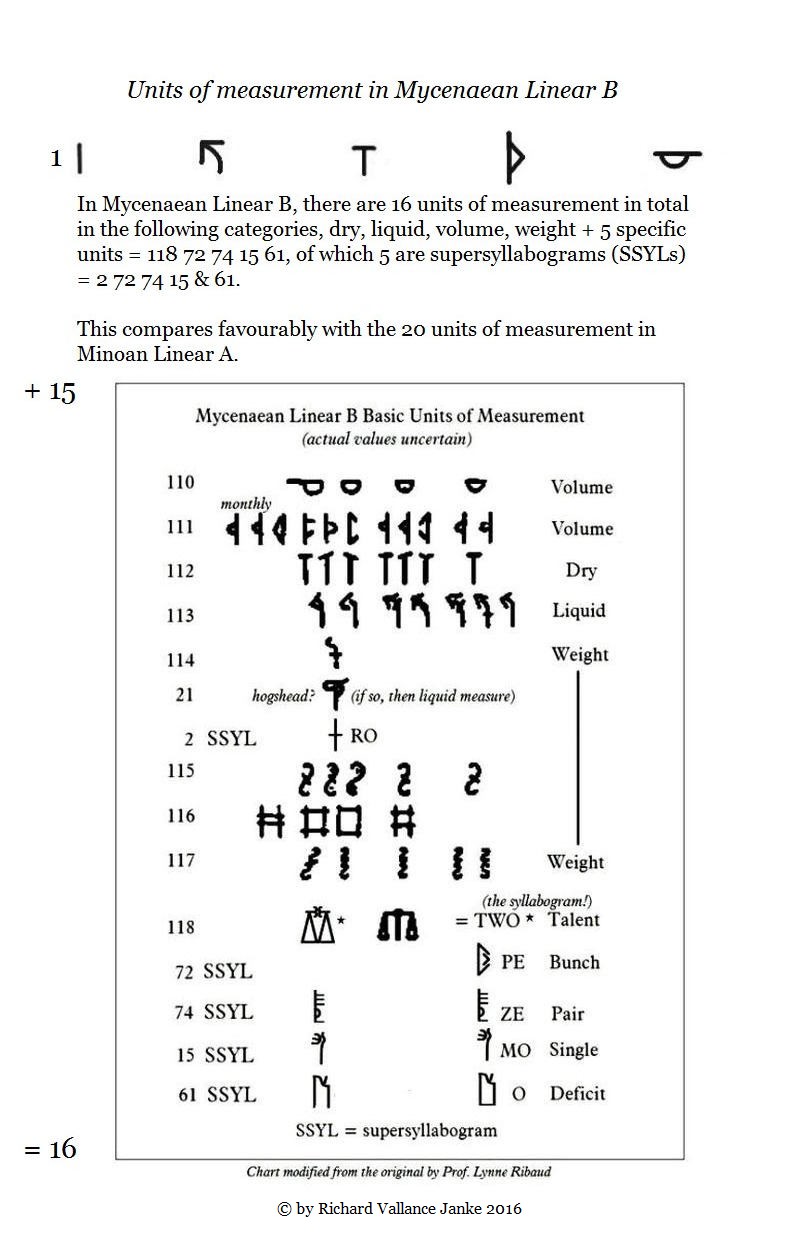
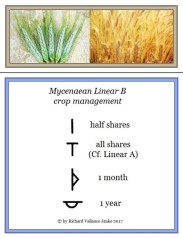


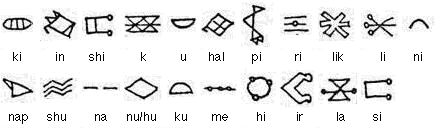
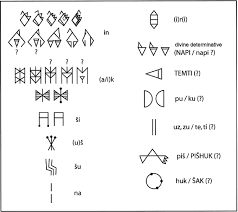
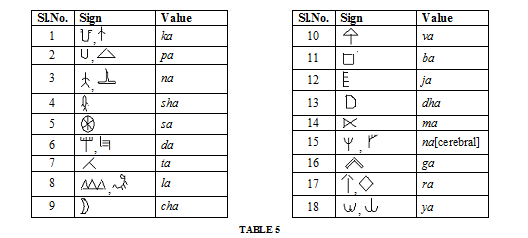
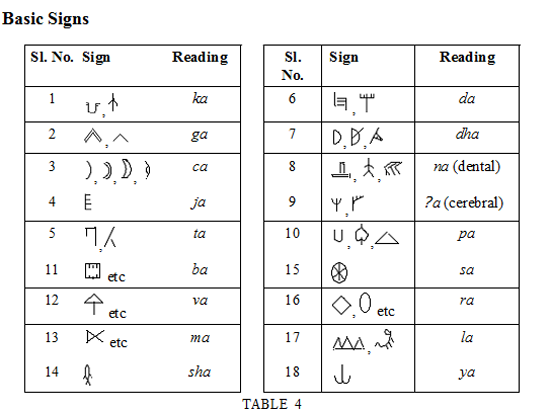


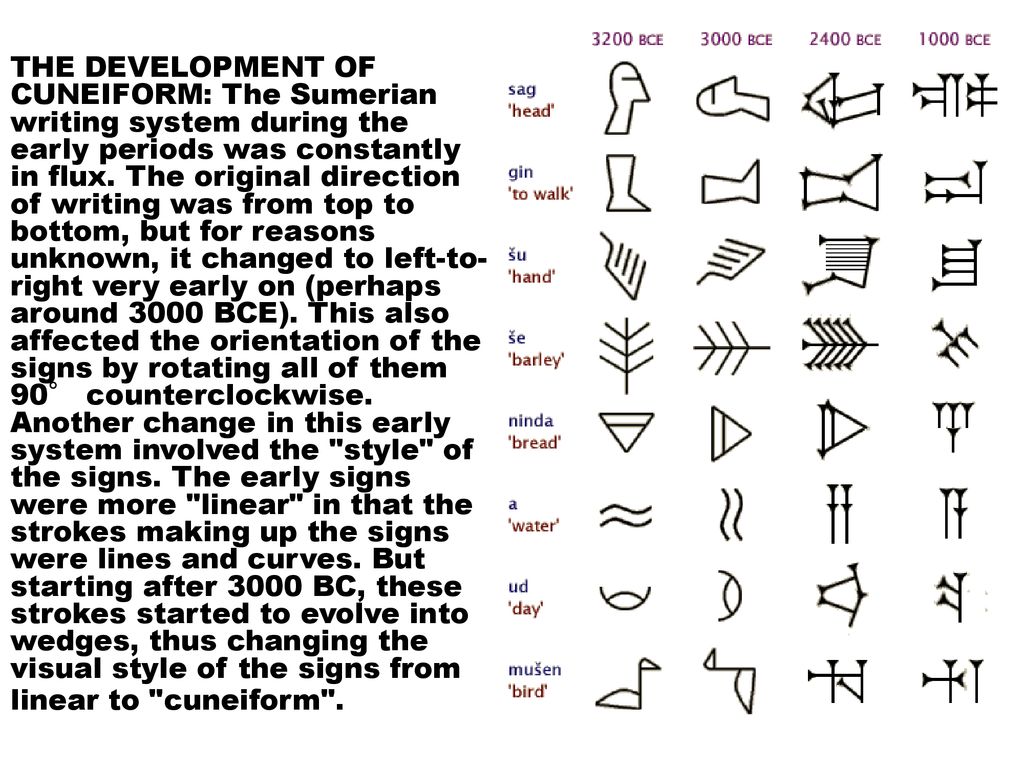

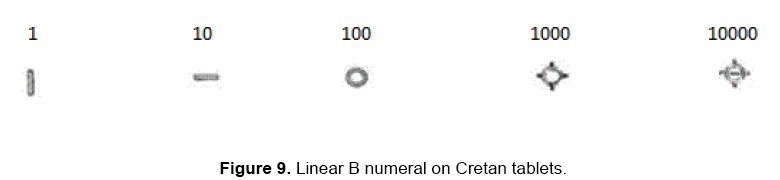


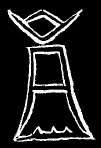


 Tartaria tablets