Archive for the ‘Tartaria tablets’ Category

Göbekli Tepe’deki “H” tabelasına kimse son vermiyor

February 26, 2021

The Secret of Gobekli Tepe: Cosmic Equinox and Sacred Marriage – Part II Göbekli Tepe’nin Sırrı: Kozmik Ekinoks ve Kutsal Evlilik – Bölüm II https://www.ancient-origins.net/opinion/secret-gobekli-tepe-cosmic-equinox-and-sacred-marriage-part-ii-002862

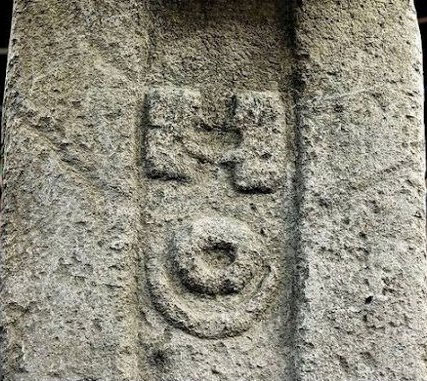
The center pillars at Göbeklitepe depict the “H” and sun-moon signs
Göbeklitepe’deki merkez sütunlar “H” ve güneş-ay işaretlerini gösteriyor

<< Güneş ve ay ikonografisi, zamanımızın en önemli arkeolojik alanlarından Neolitik tapınaklar olan Göbeklitepe’nin etkileyici ayakta sütunlarında bulunabilir. Konuk yazar Özgür Etli, antik inşaatçıların tapınakları kullanan insanlara hangi mesajları vermeye çalıştıklarını ve aynı zamanda tüm insanlığa iletmeye çalıştıklarını inceliyor. Bölüm I Oku Güneş-ay motifinin üzerinde yer alan “H” işaretinin erkek ve kadın birlikteliğini veya baharda tanrı-tanrıça evliliğini simgelediği tahmin edilebilir. Arkeolog Klaus Schmidt, bu motifin erkek ve dişi sembolize ettiğine inanıyor. Sütunun ayakta durma pozisyonu aynı zamanda daha önce de belirtildiği gibi “doğum” veya “yeniden doğuşu” sembolize eder.

Göbekli Tepe & The Great Year | Ancient Origins
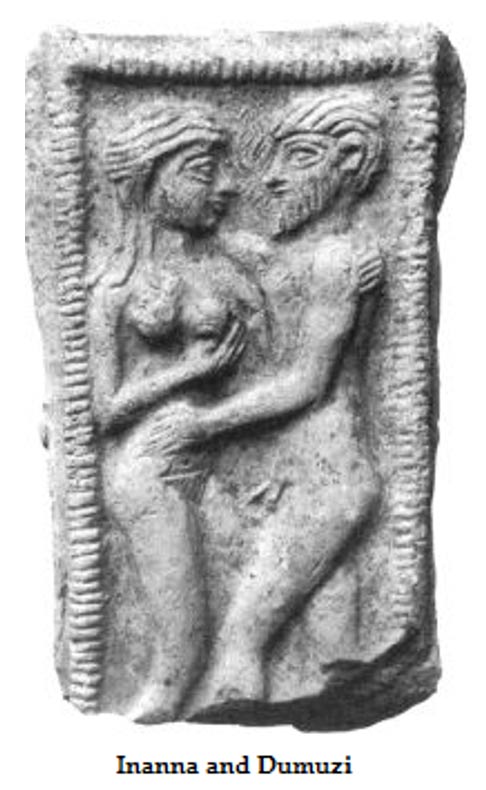
Inanna and Dumuzi

Yazar ayrıca İnanna ve Dumuzi / Tamuz kutsal evliliğine ve ayrıca Kybele’nin doğurganlık kültüne yaklaşımlarda bulunur. << Arkeolojik araştırmalarda Anadolu’da çeşitli dönemlere ait çok sayıda çift başlı figürin bulunmuştur. Bu figürinlere ikiz tanrıça denir. Alim ve bilim adamı Cevat Şakir’e (Halikarnas Balıkçısı) göre bu figürler tanrıçayı ve kocasını simgelemektedir [5]. Görünüşe göre, dünya anneleri ilk uygarlık dönemlerinden beri saygı görüyor. Toprağın bereketi, yaşamın istikrarı için hayati öneme sahipti. O nedenle insan uygarlığımızın ilk dönemlerinde ölüm, doğum ve yeniden doğuş kavramları en önemlisi olmalıydı. Dolayısıyla insan uygarlığımızın çıkış noktası olan Göbeklitepe tapınaklarında da Sümer kutsal nikah törenlerinin yapıldığını düşünebiliriz. Klaus Schmidt’in görüşüne göre Göbeklitepe kültürü Sümer ve Mısır medeniyetlerini etkileyebilirdi. O halde saati geriye çevirerek Göbeklitepe neolitik kültüründe yerleşik kültürel Sümer unsurlarını da görmeliyiz. D Tapınağı’nın merkez direğinde tasvir edilen güneş-ay sembolünün veya güneş ile ayın kutsal buluşmasının ekinoks zamanını ve baharın başlangıcını temsil ettiğini tahmin edebilir miyiz? Çeşitli bulgular ve kanıtlarla yapabiliriz. >> Başka bir gönderide, H işaretinin iki Tau’dan (biri sola + biri sağda) oluştuğunu ileri sürdüm; Yani işareti T = “Ben”, H = Ben-Ben.

Şimdi Ur-Bau = Ur-MeMe’nin (Bau, Kybele’den daha yaşlı olan antik Tanrıça, (aslında geldiği zamandan)) https://en.wikipedia.org/wiki/List_of_Mesopotamian_deities Nintinugga olarak da bilinen diğer büyük tanrılar Gula’nın nasıl olduğunu görüyorsunuz. Ninkarrak, Meme, Bau ve Ninisina, Mezopotamya şifa tanrıçası ve doktorların ve ilaç işçilerinin ilahi koruyucusudur. ….. Eski Mezopotamya’daki tanrılar neredeyse tamamen antropomorfikti. Olağanüstü güçlere sahip oldukları düşünülüyordu ve çoğu zaman Muazzam fiziksel boyutta olduğu düşünülür. Tanrılar tipik olarak melam giyerlerdi, “onları dehşet verici bir ihtişamla kaplayan” ve ayrıca kahramanlar, krallar, devler ve hatta iblisler tarafından da giyilebilen belirsiz bir madde. Bir tanrının melamını görmenin etkisi bir insanda “bedenin fiziksel olarak sürünmesi” için bir kelime olan ni olarak tanımlanır. Hem Sümer hem de Akad dilleri birçok w “korku” anlamına gelen puluhtu kelimesi de dahil olmak üzere ni hissini ifade etmek için ords .

!! “melam” aslında “Me” idi !!

Sümer Dili – Bir anime’de (kader serisi), bir sohbet karakterinde … sumerianlanguage.tumblr.com ›post› in-an-anime-fat … Melam (aynı zamanda hecelenen melem veya melim) “ihtişam” anlamına gelen bir isimdir. ..

Sümer Sözlüğü – bulgari-istoria-2010.comwww.bulgari-istoria-2010.com ›Rechnici› Sümer _… … EMEURANNA = ANU’nun Kahramanı ME’lerin Evi … Nimbus = MELAM.

Olabilir, D muhafazasındaki DEMİR 18’İNE YARDIMCI OLABİLİRİZ, BU İŞARETLER ERKEN KADIN RUH-İLAHİ OLDUĞUNU GÖSTERİYOR

Nobody puts an end to the “H” signs from Gobekli Tepe

February 26, 2021

From The Secret of Gobekli Tepe: Cosmic Equinox and Sacred Marriage – Part II https://www.ancient-origins.net/opinion/secret-gobekli-tepe-cosmic-equinox-and-sacred-marriage-part-ii-002862

The center pillars at Göbeklitepe depict the “H” and sun-moon signs

<< Sun and moon iconography can be found on the impressive standing pillars of Göbeklitepe, the Neolithic temples that are among the most important archaeological sites of our time. Guest author Özgür Etli examines what messages the ancient builders might have been trying to impart to the people who used the temples, and what they might have also been trying to communicate to all of humanity.

Read Part I

It can be speculated that the H” sign located above the sun-moon motif symbolizes male and female togetherness, or a god-goddess marriage in spring. Archaeologist Klaus Schmidt believes this motif symbolizes male and female. The standing position of the pillar also symbolizes “birth” or “rebirth”, as mentioned previously.

Göbekli Tepe & The Great Year | Ancient Origins
Inanna and Dumuzi

>>

Further the author make approaches to Inanna and Dumuzi/Tamuz sacred marriage and further to fertility cult of Cybele. << In archaeological research, numerous double-headed figurines have been found belonging to various periods in Anatolia. These figurines are called twin-goddesses. According to scholar and scientist Cevat Şakir, ( Halikarnas Balıkçısı ), these figures symbolize the goddess and her husband [5]. Seemingly, earth mothers have been venerated since the first eras of civilization. Fertility of soil had vital importance for the steadiness of life. For that matter, death, birth and rebirth concepts should have been be the most important at the initial periods of our human civilization. Therefore, we can consider that Sumerian sacred marriage ceremonies were also performed in Göbeklitepe temples, the starting point for our human civilization. According to Klaus Schmidt’s opinion, Göbeklitepe culture could have affected the Sumerian and Egyptian civilizations. In that case, by turning the clock back, we should see established cultural Sumerian elements in Göbeklitepe neolithic culture as well. Can we speculate that the sun-moon symbol, or the sacred meeting of sun and moon, depicted on center pillar of Temple D represents equinox time and the beginning of spring? With various findings and proof we can. >>

In another post I advanced that sign H is composed of twoo Tau’s (one to left left+ one on right); So as sign T=”Me”, H= Me-Me.

Now you see how Ur-Bau =Ur-MeMe (Bau, ancient Goddess older than Cybele, (in fact from wich come) https://en.wikipedia.org/wiki/List_of_Mesopotamian_deities Other major deities Gula, also known as Nintinugga, Ninkarrak, Meme, Bau, and Ninisina, is the Mesopotamian goddess of healing and the divine patroness of doctors and medicine-workers. …..Deities in ancient Mesopotamia were almost exclusively anthropomorphic. They were thought to possess extraordinary powers and were often envisioned as being of tremendous physical size. The deities typically wore melam, an ambiguous substance which “covered them in terrifying splendor” and which could also be worn by heroes, kings, giants, and even demons. The effect that seeing a deity’s melam has on a human is described as ni, a word for the “physical creeping of the flesh“. Both the Sumerian and Akkadian languages contain many words to express the sensation of ni,[4] including the word puluhtu, meaning “fear”

!! “melam” was in fact “Me” !!

Sumerian Language — In an anime (fate series), a chatacter …sumerianlanguage.tumblr.com › post › in-an-anime-fat… Melam (also spelled melem or melim) is a noun meaning “splendor, …

Sumerian Dictionary – bulgari-istoria-2010.comwww.bulgari-istoria-2010.com › Rechnici › Sumerian_… … EMEURANNA = House of the ME’s of ANU’s Hero … Nimbus = MELAM.

MAYBE WE ASSIST ON PILLAR 18 in enclosure D , THAT H SIGNS ARE INDICATING AN EARLY FEMALE SPIRIT-DIVINITY

Göbekli Tepe.Muhtemelen insanlığın en büyük sıçraması

February 22, 2021

Gobekli Tepe, the World's Oldest Megalith and the World's First Temple
GOBEKLI TEPE, THE WORLD’S OLDEST MEGALITH AND POSSIBLY WORLD’S FIRST TEMPLE
https://unbelievable-facts.com/2018/03/gobekli-tepe.html

Evet ve bu sıçramayı bile bilmeyebiliriz. Ateşin keşfi, yazı, sanayi devrimi, uzayın fethi gibi insanlığın gelişiminde dönmeyi düşündüğümüz bazı anları biliyoruz. Bunların her birinde aslında sadece belirli bir alanda ya da sektörde sadece bir gedik yapmış olma meselesi… Şaşırıyoruz ve Mısırlıların ve Sümerlerin bazı medeniyetlerin birdenbire yoktan ortaya çıktığı izlenimine kapılıyoruz. Böylece !? Sümerler söz konusu olduğunda, yüzlerce ve binlerce yıl önce yazının keşfine kadar, jeton kullanarak ilkel bir sayma sistemi olduğunu unutuyoruz.Neolitik alet ve yapılarda ortaya çıktı, ancak binlerce yıl önce sadece taş kullandıklarını unutuyoruz. araçlar. Bilinen en eski medeniyet olan Sümer medeniyetinin gelişiminde bir referans anımız var.Bu, tanrılardan gelen ilahi bilginin dünyalılarla paylaşıldığı ve böylece bilindiği ve kullanıldığı zamandı.Bu bilgiye ME deniyordu.

https://cdli.ucla.edu/tools/SignLists/protocuneiform/archsigns.html işaret ME

ME’nin işareti (yalnızca yazının keşfinden sonra bilinir) T / Tau’dur ve yazının keşfinden çok önce biliniyordu. İlginç bir şekilde, insanlık, doğanın farklı bileşenlerinin eklemlendiği karmaşık bir bağlantı ve mekanizma olduğunu, aksi takdirde bir tür saat makinesi olarak işlev gördüğünü, bu kadar mükemmel olduğunu gözlemlemiştir. İnsanlar neden sonuç ilişkilerini on binlerce yıl önce fark ettiler, ancak ayrıntılı çalışmak anlayışlarından kaçıyor. İşaretleri okunamayan gizemli ve karmaşık bir dünyaydı. Neolitik çağda Sümerler, bu meşruiyetleri ME’ler şeklinde yakından sınıflandırıp düzenlediler.İyi ve kötü maddi ve manevi yönün aynı gerçekliğin parçaları ve yönleri olduğunu anlamaları çok ilginçti. İnsan bilgisinin bu aşaması bilinmesine rağmen, gerçek öneminin anlaşılmamasına, uzun uzun analiz edilmemesine ve tartışılmamasına şaşırıyorum, o zaman başka bir gerçeğin bile gerçekleşmemesine nasıl şaşırabilirim. Şimdi şok unsuru, bomba bombası geliyor:

SÜMER MEDENİYETİNİ ÖNCELENEN AVCILIK KONEKTÖRLERİNİN UYGARLIKLARI (DİKKAT, DAHA FAZLASI) AÇIK BİR GÖRÜŞLERİ VARDI VE DOĞA VE AKSİYONUN TÜM YÖNLERİ ARASINDAKİ YAKIN BAĞLANTIDAN FARKINDALIKLARDIR.

Dini sistemlerinde, farklı unsurlar birbirine görünmez iplerle bağlıydı, hepsi birbirine bağlıydı, mekanizma detaylı olarak insanlar, şamanlar veya rahipler tarafından bilinmiyordu. Tüm sistem manevi bir varlık, sorumlu olan ve her şeyi açıklayan ME, bir tür yaşam özü etrafında örgütlenmişti. Bu ismin hangi isme veya anlama sahip olduğunun bile önemi yok: varlık, güç, irade (yaşamak), Ben / Benim … Sümer dilinde, ama aynı zamanda Nostratica’da (teorik olarak her şeyin türetildiği dil) “Ben, ben, benim” anlamına geliyor … bu yüzden adamın kaderini tüm gücüyle kendi eline aldığını ve bu anıtlar aracılığıyla bile kazanamadığı yeri yüksek sesle, güçlü bir şekilde ileri sürmeye karar verdiğini gösteriyor.Binlerce yıldır orada toplanmış olmaları, o topluluğun başarılı olduğunu gösteriyor. Ve başarı, pratik ve aynı zamanda sosyal grup öğretilerinin etkisi ve etkinliği ve topluluk uyumunu sürdürme becerisiyle ölçülüyordu. Tapınakların gömüldüğü zamanlar, bölgedeki topluluklar için aşırı zorluk dönemlerine denk geliyor gibi görünüyor. yaşamı sürdürmek ve sürdürmek için kaynaklar ve güç.Bu mitoloji, tanrılardan ilahi kurallarla gelmiş gibi mitolojinin, çok daha önce Göbekli Tepe’de gerçek bir emsali olmuş gibi görünüyor, bu fark, bu bilginin cennetten veya tanrıdan kafalarına düşmemesi, ancak elde edilmiş olması ve Binlerce yıllık uygulama ile büyük çaba sarf etti. Sözlüğe veya Sümer yazılarına baktığımızda, bu ME’nin ne olduğuna baktığımızda, Göbekli Tepe anıtlarının swi sütunlarının, eğer Me olarak adlandırılırlarsa, aynı anda toplanıp sentezlenebildiklerini görürüz: ilahi törenler, rahipler, kahinler, hayat, güç, mücadele ve çok daha fazlası. Merak ediyorum, dünyadaki hangi din tek bir kelime ya da kavramda sentezlemek ve din ya da tanrısallıkla ilgili olabilecek her şeyi bir araya toplamak istemez? Unutmayalım ki bizim durumumuzda tanrılaştırılan bir karakter değil, büyüklüğü ve karmaşıklığıyla harika doğanın kendisi idi.

From https://www.sumerian.org/prot-sum.htm me, mì; ge: n., function, office, responsibility; ideal norm; the phenomenal area of a deity’s power; divine decree, oracle; cult. v., to be; the Sumerian copula; to say, tell. <<işlev, ofis, sorumluluk; ideal norm; bir tanrının gücünün olağanüstü alanı; ilahi kararname, kehanet; kült. v. olmak>>

Göbekli Tepe. Posibil cel mai mare salt al omenirii.

February 22, 2021

Gobekli Tepe, the World's Oldest Megalith and the World's First Temple
GOBEKLI TEPE, THE WORLD’S OLDEST MEGALITH AND POSSIBLY WORLD’S FIRST TEMPLE
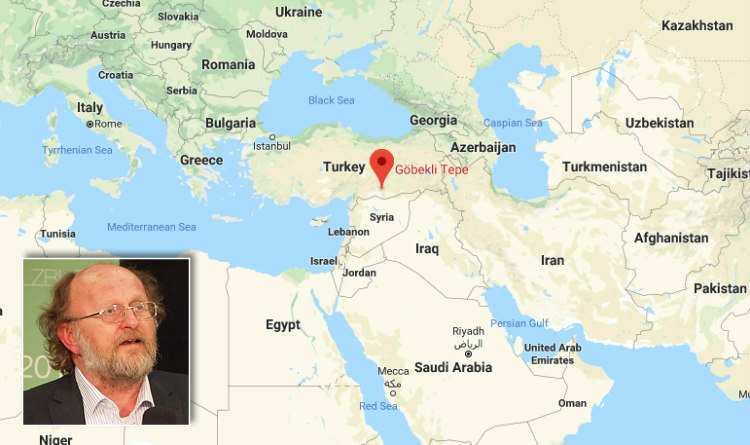
https://unbelievable-facts.com/2018/03/gobekli-tepe.html Gobekli Tepe, Southeastern Anatolia, and Klaus Schmidt. (+) Image Source: GoogleMapswikipedia

Da, si posibil noi nici sa nu fim constienti de amploarea acestui salt. Noi cunoastem cateva momente pe care le consideram de cotitura in dezvoltarea omenirii, cum ar fi descoperirea focului, a scrisului, revolutia industriala, cucerirea spatiului cosmic. In fiecare din acestea e vorba de a se fi facut de fapt doar o bresa numai intr-un anumit domeniu sau sector. Ne miram si avem impresia ca civilizatiile Egipteana si sumeriana au aparut brusc, cumva din neant. Asa sa fie oare !? Uitam ca in cazul sumerienilor pana la descoperirea scrisului au folosit inainte cu sute si mii de ani un sistem rudimentar de socotire folosind jetoane. In neolitic au aparut unelte si constructii, dar uitam ca mii de ani inainte au folosit exclusiv unelte din piatra. Avem un moment de referinta in dezvoltarea celei mai vechi civilizatii cunoscute, cea sumeriana.Acela ar fi cand dupa spusele lor, cunostintele divine (adica provenite de la zei), au fost impartite pamantenilor si astfel cunoscute si folosite.Aceste cunostinte sau numit ME.

https://cdli.ucla.edu/tools/SignLists/protocuneiform/archsigns.html Semn ME~a

Semnul lui ME (cunoscut numai dupa descoperirea scrierii) este in forma literei T/Tau si a fost cunoscut cu mult inainte de descoperirea scrisului. Interesant este faptul ca omenirea a observat ca exista o legatura si un mecanism complicat, prin care diferite componente ale naturii se articuleaza, altfel astfel functionand ca un gen de masinarie de ceasornic, deci perfect. Oamenii au observat in urma cu zeci de mii de ani legaturi gen cauza si efect, insa functionarea in amanunt le scapa intelegerii. Era o lume misterioasa si complexa a carei semne nu puteau fi citite. In neolitic, sumerienii au strans clasificat si ordonat aceste legitati, sub forma ME-urilor.Foarte interesant, ca au realizat ca aspectul material si cel spiritual atat cele bune cat si cele rele, sunt partile si fatetele uneia si aceleiasi realitati. Desi se stie de aceasta etapa a cunoasterii umane, ma mir ca nu i se realizeaza adevarata importanta, nu este analizata si dezbatuta pe larg.Atunci cum sa ma mire ca unui alt fapt nici macar nu i-a fost realizata existenta. Acum vine elementul soc, bomba bombelor: CIVILIZATIILE DE CULEGATORI VANATORI CARE AU PRECEDAT CIVILIZATIA SUMERIANA (ATENTIE, AU FOST MAI MULTE) AU AVUT O VIZIUNE CLARA SI AU FOST CONSTIENTI DE LEGATURA STRANSA INTRE TOATE ASPECTELE NATURII, OMUL SI IN ULTIMA ESENTA VIATA, IN MOD NECESAR SI FORTUIT TREBUIND SA FIE IN CENTRUl ACTIUNII. CU MULT INAINTE SI EVIDENT LA ALTA SCARA, AU FOST CONSTIENTI DE ACELE LEGITATI DENUMITE DE SUMERIEN “ME”.

In sistemul lor religios, diferite elemente erau legate intre ele prin fire nevazute toate fiind interconectate.Mecanismul in amanunt nu il cunosteau nici oamenii nici samanii sau preoti ce or fi fost. Intreg sistemul era organizat in jurul unei entitati de factura spirituala, ME care era responsabila si explica totul.Un gen de esenta a vietii. Nici nu conteaza ce nume sau semnificatie avea acel nume: fiinta, puterea,vointa (de a trai),Eu/Meu… In limba sumeriana, dar si in Nostratica (limba din care teoretic se trag toate) Me insemna “Eu,mie,meu”…deci arata ca omul si-a luat cu toata forta destinul in propriile maiini si a hotarat sa-si afirme tare, cu tarie chiar si prin aceste monumente, locul cu greu castigat.

Faptul ca se adunau acolo mii de ani la rand, arata ca acea comunitate a fost una de succes. Iar succesul s-a masurat prin efectul si eficacitatea invataturilor practice, dar si sociale, de grup si capacitatii de a mentine coeziunea comunitatii.Se pare ca momentele in care templele au fost ingropate au coincis cu perioade de dificultate extrema a comunitatilor din zona.In ciuda acestor dificultati au gasit resurse si forta sa reia si sa continue viata.

Acea mitologie precum ca cunostintele au venit de la zei prin ordonante divine se pare ca la Gobekli Tepe a avut un precedent real, cu mult inainte, cu diferenta ca acele cunostinte nu le-au picat in cap din cer si nici de la zeu ci au fost obtinute si adunate cu mult efort prin practica a mii de ani. Cand ne uitam in dictionar sau in scrierile sumeriene ce anume erau acele ME, vedem ca pilonii si monumentele de la Gobekli Tepe, daca se numeau Me, puteu strange si sintetiza simultan intelesurile: ordonante divine,preotii, oracole, esenta vietii, puterea, lupta si inca multe altele. Ma intreb, ce religie din lume nu si-ar dori ca printr-un singur cuvant sau notiune sa sintetizeze si sa stranga intr-un manunchi tot ce ar putea fi legat de religie sau divinitate ? Sa nu uitam, ca in cazul nostru ceea ce era divinizat nu era vre-un personaj ci natura mirabila insasi in imensitatea si complexitatea ei.

Din https://www.sumerian.org/prot-sum.htm me, mì; ge: n., function, office, responsibility; ideal norm; the phenomenal area of a deity’s power; divine decree, oracle; cult. v., to be; the Sumerian copula; to say, tell. Lb.Rom.:”funcție, oficiu, responsabilitate; norma ideala; zona fenomenală a puterii unei zeități; decret divin, oracol; cult. v. a fi;>>

Teoretic, fazele de evolutie a religiei au fost : animista, samanista si pagana. Asta nu inseamna ca parti din unele nu au existat in altele.

Din https://damienmarieathope.com/2015/12/paganism/?v=32aec8db952d << Ce cred păgânii? Unii păgâni cred într-un singur zeu sau o singură zeiță, unii cred într-un zeu și o zeiță, unii cred în mulți zei și / sau în multe zeițe, unii cred că nu există zeu și unii nu sunt siguri dacă există / sunt zei sau nu. Unii se închină acestor zei, iar unii (chiar și cei care cred în ei) nu. Unii sunt animiști (Natura – Venerare) și cred că „spiritul” există la toți oamenii, animalele, plantele, ființele non-vii, cum ar fi stâncile, planetele, oceanele și vântul, ca un concept real sau un concept abstract, cum ar fi iubirea, creativitatea, și schimbare.>> Din https://damienmarieathope.com/2018/05/paganism-an-approximately-12000-year-old-belief-system/?v=32aec8db952d

<< Păgânismul face parte dintr-un grup de gândiri religioase legate intre ele, care pare să transforme spiritele animiste in care credeau odinioară ”(un sistem de credințe datând de acum cel puțin 100.000 de ani pe continentul Africii), care în totemism (datând cu cel puțin 50.000 de ani în urmă pe continentul Europei) odata cu perceperea unor noi nevoi, cărora li s-a dat expresie artistică in spiritele animiste atât animale, sau umane („se pare că se concentrează pe femeile umane pentru început și doar mult mai târziu există ceea ce ar putea fi adăugat un accent masculin”). Dar chiar și aceasta a evoluat în o comuniune mai puternică, cu mai multe conexiuni în șamanism (un sistem de credințe datând cu cel puțin 30.000 de ani în urmă pe continentul Aisa) cu nevoi nou percepute, apoi aceasta a evoluat în păgânism (un sistem de credințe datând cu cel puțin 13.000 de ani în urmă pe continentul Europei de Est / Asia de Vest Turcia, în principal, dar estul Mediteranei este bogat, într-o oarecare măsură sau alta), cu nevoi nou percepute, unde vedeți apariția zeilor animale și zeițele de sex feminin din jurul lor în zei de animale și zeițe de sex feminin mai formalizate și abia după 7.000 până la 6.000 de zei bărbați apar unul care își arată legătura în evoluția religiei și celălalt mai mult pe ea ca religie istorică.

În cele din urmă, păgânismul se suprapune, de asemenea, cu „religia populară”, precum și cu „religia etnică / indigenă” și poate exprima o viziune asupra lumii care este animistă, totemistă, șamanistă, panteistă, deistă, divinistă, monoteistă, duoteistă, politeistă sau monoteistă. Paganismul însemna inițial „rustic, rural, locuitor la țară” o clasă tradițională de păstori / fermieri / muncitori sau „neparticipant, civil” care se referea ulterior la oricine este implicat în orice altă religie decât una dintre principalele religii ale lumii, în mod specific necreștină. Astfel, păgânismul și religia populară sunt relativ aceleași lucruri pentru mine, doar cuvinte diferite care înseamnă relativ aceleași lucruri, așa că eu folosesc doar termenul de păgânism. …. „PăgânismCred în viața plină de duhuri și / sau viața de apoi poate fi atașată sau exprimată în lucruri sau obiecte și aceste obiecte pot fi folosite de persoane speciale sau în ritualuri speciale se pot conecta la viața plină de duhuri și / sau viața de apoi sunt ghidați / susținuți de o zeiță / zeu sau zeițe / zei>>

Alta chestiune la care vreau sa ma refer este cultul mortilor. Aici trebuie sa avem in vedere ca pe de o parte filonul central al intregii conceptii religioase a fost viata si chiar si lucrurile aveau un spirit viata proprie a lor, deci si mortii.

https://damienmarieathope.com/2017/08/sky-burials-animism-totemism-shamanism-and-paganism/?v=32aec8db952d Înmormântarea cerului (tibetană: བྱ་ གཏོར་, Wylie: bya gtor, lit. „împrăștiată de păsări”) este o practică funerară în care un cadavru uman este așezat pe un vârf de munte pentru a se descompune în timp ce este expus la elemente sau pentru a fi mâncat prin eliminare animale, în special păsări carote. Este un tip specific al practicii generale a încarnării.
https://damienmarieathope.com/2017/08/sky-burials-animism-totemism-shamanism-and-paganism/?v=32aec8db952d

Göbekli Tepe clues !

February 19, 2021

The findings are organised in the folowing chapters:

A. Gods or spirits !? B. People gathering. Sumerian “Me” C. Birds & Cult of the Deads D. E-KUR, ARATTA E. Door, doorway ====================== A. Gods or spirits !? From https://damienmarieathope.com/2017/11/shamanism-an-approximately-30000-year-old-belief-system/?v=32aec8db952d << Shamanism encompasses the premise that shamans are: intermediaries or messengers between the human world and the spirit worlds. A first definition of this complex phenomenon, and perhaps the least hazardous, will be: shamanism = ‘technique of religious ecstasy‘.” Shamanism encompasses the premise that shamans are intermediaries or messengers between the human world and the spirit worlds. Shamans are said to treat ailments/illnes by mending the soul. Alleviating traumas affecting the soul/spirit restores the physical body of the individual to balance and wholeness. The shaman also enters supernatural realms or dimensions to obtain solutions to problems afflicting the community. Shamans may visit other worlds/dimensions to bring guidance to misguided souls and to ameliorate illnesses of the human soul caused by foreign elements. The shaman operates primarily within the spiritual world, which in turn affects the human world. The restoration of balance results in the elimination of the ailment. 

Paganism: an approximately 12,000-year-old belief system
https://damienmarieathope.com/2018/05/paganism-an-approximately-12000-year-old-belief-system/?v=32aec8db952d

* “paganist” Believe in spirit-filled life and/or afterlife can be attached to or be expressed in things or objects and these objects can be used by special persons or in special rituals can connect to spirit-filled life and/or afterlife who are guided/supported by a goddess/god or goddesses/gods (you are a hidden paganist/Paganism: an approximately 12,000-year-old belief system) AndGobekli Tepe: “first human made temple” as well as Catal Huyuk “first religious designed city” are both evidence of some kind of early paganism. early paganism is connected to Proto-Indo-European language and religion. 

What do pagans believe? Some pagans believe in a single god or single goddess, some believe in a god and goddess, some believe in many gods and/or many goddesses, some believe there is no god and some are not sure whether there is/are god(s) or not. Some worship these gods, and some (even those who believe in them) do not. Some are animist (Nature – Veneration) and believe that ‘spirit’ exists in all humans, animals, plants, non-living things like rocks, planets, oceans and wind, as a real concept or an abstract concepts such as love, creativity, and change.>>

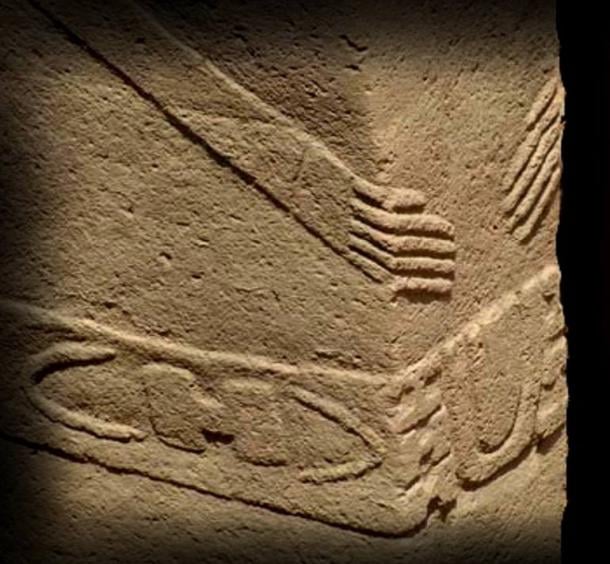
—————— Despite the scientist’s approaches of Gobekli Tepe people’s faith to gods and slight traces on T-pillars toward antropomorphic shape, my opinion is that they worshiped spirits. From Mesopotamia, Ancient | Encyclopedia.comwww.encyclopedia.com › religion › mesopotamia-ancient << The offices of the gods touched upon a very distinctive feature of early Mesopotamian thought. These offices were called ME, which is probably the noun of the verb “to be.” It is being, but being specified and normative that imparted to nature and society its essential structure. In one piece of speculation ME was at the very beginning of cosmic origins, antecedent to divinity itself. In the actual order, however, the gods controlled and disposed of me; this was the highest prerogative of divinity. >> From https://www.coursehero.com/file/p7jom8g/but-implies-a-situation-resembling-that-in-Open-sesame-Given-the/ << Some of these mono-liths exhibit arms and hands in bas-relief, suggesting that they represent anthropomorphic beings.It is not clear, however, what kind of beings these standing stones impersonate : do they represent anthropomorphic gods, shamans, ancestors, stone spirits or perhaps even demons >> Gobekli Tepe’s faith keep aspects and traces of different religion developement phases, from animism, totemism, shamanism and paganism.

B. People gathering. Sumerian-like distribution of “Me’s”. People gathered at Gobekli Tepe to exchange experiences and strengthen and maintain close kinship. Sumerian Me, is an allready extensive discussed subject. There are clues that another civilisation preceeded sumerian was the most advanced of its time in entire World, and from that one, sumerians inherited basics for starting full-scale civilisation. Gobekli Tepe religion was centered around life principle. Not necessary needed a god, they had spirits. The main spirit, no matter its name (“Me”=”Beeing” or a forgotten name wich was its equivalent in Proto-Eupratic language). Its icon was T-shaped pillars.The icon was the materialization of the idea: “beeing,to be” and was a spirit, not a human beeing or god proper, nor his icon. From www.facebook.com › permalink Hittite word of the day ešzi / aš-… – Sumerian and Hittite Language … Hittite word of the day ešzi / aš- (Ia3) ‘to be (copula); to be present’: 1sg.pres.act. e -eš-mi (Sumerian : me “to be” ) ( Etymological Dictionary… From enenuru.net › pdfs › Sumeria…PDF Sumerian Vocabulary: – enenuru Sumerian Vocabulary: Words occurring … me ( ME) to be me (ME) essence From On The Origin of Sumerian Allan R. Bomhard Charleston, South Carolina file:///C:/Users/User/Downloads/Bomhard_On_the_Origin_of_Sumerian_1997.pdf <<me “abundant, plenty” …. Right away, we notice that the Emesal 1st singular forms (subject) me.e, (dative) ma-a-ra are related to the common Nostratic 1st person personal pronoun stem mi/me ‘I, me’>> From books.google.ro › books A Grammar of Modern Indo-European: Language and Culture, Writing … Carlos Quiles, Fernando Lopez-Menchero — 2009 << Pre-IE III and Pre-Proto-Anatolian dialects evolve in different communities but presumably still in contact ca. 3500-3000 BC. … Meaning Early PIE Proto-Uralic I, me” *me, “me” (Ace), * mene, >>

AT THE GOBEKLI TEPE PEOPLE GATHERED PERIODICALLY TO CELEBRATE THE CYCLICALITY AND SPECTACLE OF LIFE AND ITS RENEWAL, MAYBE FERTILITY-NEW-YEAR FESTIVALS

C. Birds & Cult of the Deads Gobekli Tepe’s people see anything living beeing or object, alive or dead as possesing own spirit. So the dead-ones were not proper completely dead in our understanding.The birds had a special relation with deads as beeing messengers between the World of living and the other World. From Ritualistic Bird Symbolism at Gobekli Tepe and its “Ancestor Cult” by Damien AtHope | Jun 25, 2019 https://damienmarieathope.com/2019/06/ritualistic-bird-symbolism-at-gobekli-tepe-and-its-ancestor-cult/?v=32aec8db952d << Ritualistic Bird Symbolism at Gobekli Tepe and its “Ancestor Cult” a Sacred Sky Burial Relationship between Birds and Spirits of the Dead Myths from several regions’ associate birds with the creation of the world. Sacred ideas of birds range from a creator role, to a symbol of life as well as relating to both death and rebirth. Birds are a common totem or believed spirit and relate to renewal, transformation, and ancestors as well. In this deity, spirit or ancestor role they may be seen as Bird People (people with the characteristics of birds) a common motif in myths. Also, birds are commonly associated with or relate to fertility, longevity, and life itself. “Veneration of the dead, including one’s ancestors, is based on love and respect for the deceased. In some cultures, it is related to beliefs that the dead have a continued existence, and may possess the ability to influence the fortune of the living. Some groups venerate their direct, familial ancestors. Certain sects and religions, in particular the Roman Catholic Church, venerate saints as intercessors with God, as well as pray for departed souls in Purgatory.In EuropeAsiaOceaniaAfrican and Afro-diasporic cultures, the goal of ancestor veneration is to ensure the ancestors’ continued well-being and positive disposition towards the living, and sometimes to ask for special favors or assistance. The social or non-religious function of ancestor veneration is to cultivate kinship values, such as filial piety, family loyalty, and continuity of the family lineage. Ancestor veneration occurs in societies with every degree of social, political, and technological complexity, and it remains an important component of various religious practices in modern times.

“Sky Burial” and its possible origins at least 12,000 years ago to likely 30,000 years ago or older.    “In archaeology and anthropology, the term excarnation (also known as defleshing) refers to the practice of removing the flesh and organs of the dead before burial, leaving only the bones. Excarnation may be precipitated through natural means, involving leaving a body exposed for animals to scavenge, or it may be purposefully undertaken by butchering the corpse by hand. Practices making use of natural processes for excarnation are the Tibetan sky burialComanche platform burials, and traditional Zoroastrian funerals (see Tower of Silence).  Some Native American groups in the southeastern portion of North America practised deliberate excarnation in protohistoric times. Archaeologists believe that in this practice, people typically left the body exposed on a woven litter or altar.” >

D. E-KUR, ARATTA From Artak Movsisyan THE SACRED HIGHLANDS Armenia in the Spiritual Geography of the Ancient Near East << Sumerians had in their memory that temple of Gods was E-KUR literarely ” mountain-temple”.was situated as Aratta in Northern part of Sumer, toward Armenia.In Sumerian epic Aratta has the honor of being called the “land of the divine holy law”112. “The divine sacred laws” (in Sumerian – me) is understood not only as rules, but also as the mighty, sacred forces which governed the universe and all spheres of the divine and human reality. For that reason it is suggested that the Sumerian “me” be translated as “essence, being”113. The lord of “the divine sacred laws”, according to Sumer-Akkadian mythology, was Haya (Enki), the wisest of the gods, whose cult center, as mentioned earlier, is connected with the Armenian Highlands.
In Mesopotamian literary accounts, major creation events took place in the Armenian sacred Highlands, where the sacred laws governing the universe, as well as the mysteries of immortality and wisdom were kept, and where not just ordinary mortals, but a chosen people lived. The divine holy law (“me”) which ruled the universe was kept in Abzu, and in the Sumerian epic Aratta is referred to as the “land of the divine holy law”, the earliest reference to date to a state in the Armenian Highlands (see fn. 112 and Appendix A). .>>

E.Door, doorway In different religions, door and doorway appear as the passage of humans to Underworld, the World of deads. From On the Origins of the Alphabet by Brian R. Pellar San Diego, California https://mail.google.com/mail/u/0/?zx=5altn8zeq797#inbox?projector=1 << Thus, it is no surprise that the Gemini/candle and candle-like glyphs in Egyptian Hieroglyphics depict such words as “The great door of heaven,” “The great gate,” “The door of sunrise, the last door of the Duat,” “Door,” “Gateway,” etc. See Figure 9. A. Hieroglyph used in words for “Door,” “Gateway,” “Great Door of Heaven,” “The door of sunrise, the last door in the Tuat” (Budge 1978: 654–655).D. Hieroglyph for “door, gateway” (Gardiner 1957: 496). In terms of the Gemini Candle/gate symbolizing a vessel that carries the sun/flame/light, the importance of the link between these Egyptian shapes/words, the Hieroglyph “p,” , the Phoenician shape of heth, , and the Chinese word/shape for “sun,” 日 (ri), cannot be overestimated. Furthermore, and more importantly, Wei noted that the Phoenician/Hebrew letter heth is “similar to the Chinese OB glyphs which are the original forms of the word hu (*ga?) 户 (DEZ: 242), meaning ‘door’, ‘gate’, ‘house,’” (Wei 1999: 26). She also links heth/geng to the Sumerian glyphs (gan), meaning “enclosure” (Wei 1999: 27).>> And I will add, sumerian signs https://cdli.ucla.edu/tools/SignLists/protocuneiform/archsigns.html Ga2

and Ku

(same as Phoenician/hebrew Heth),

Image result for paleo hebrew heth

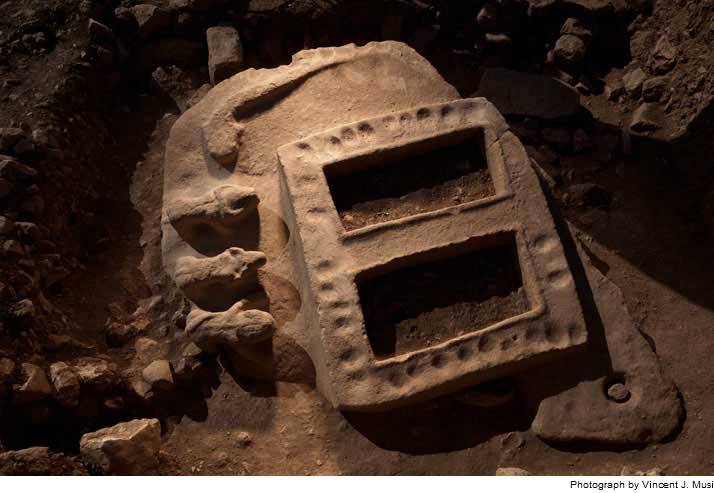
the same shape as Gobekli Tepe http://www.saradistribution.com/foto7/xirabreshk29.jpg

Porthole stone Piatra de hublou

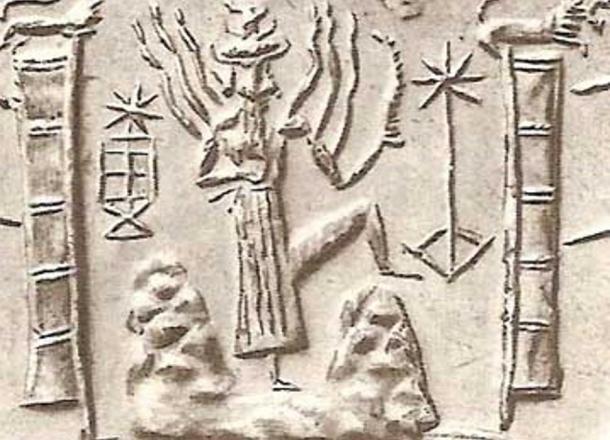
From Göbekli Tepe Shamans and their Cosmic Symbols – Part I Symbolic Architecture https://www.ancient-origins.net/ancient-places-europe/g-bekli-tepe-shamans-and-their-cosmic-symbols-part-i-005175?fbclid=IwAR08wQwSvqdsN0P-GHaMn5Xlyuvr5KVUH4E8gPF5kx1B7Q-GV2EgrW4btEM <<There are two central pillars in Göbeklitepe temples. There is question on if we define these two pillars as “The Dual Divinity,” in that they should be the “celestial parents” and “male and female principles” as well. In my opinion they were for the high-priests or head-shamans of Göbekli Tepe temples. In Sumerian mythology, sun god Utu stands between two columns which symbolize a gate; and the symbols are the sky and the earth.>>

The Sumerian deity, Utu

The handbags from Göbekli Tepe

February 12, 2021

Image result for gobekli tepe handbags
Image, from QuoraWhat’s your best theory on the handbags of the ancients? Now they’ve appeared in Gobekli Tepe, which is 11k years o

I have attacked this subject before, but this time I will go deeper. Because I found in some ancient places in the World dozens and dozens of images of artifacts, in which these handbags were depicted. I was shocked to find how many were in fact.

Image result for gobekli tepe handbags
Image, from The mystery handbag of the Gods: Depicted in Sumer, America, and Göbekli Tepe | Ancient Code https://ro.pinterest.com/pin/480829697706189892/

I found that my idea and explanation of their origin, role and significance cannot be a novelty that belongs to me. Nothing, this does not sadden me. The explanations offered by others are relatively superficial, not too deeply documented or consistent. The places where you can see dozens of images where these bags are depicted on artifacts are: What did Gods carry in their “handbags”?  Dato Gomarteli (Ukraine, Georgia) https://rgdn.info/en/chto_nesut_bogi_v_sumochkah Göbekli Tepe: what the Potbelly Hill keeps mum about. A history and astronomy research https://rgdn.info/en/gbekli-tepe._o_chm_molchit_puzatyy_holm._istoriko-astronomicheskoe_issledovanie

One thing is clear, and most people agree on it, namely what the bags could contain; from the first work: << So, what did Gods carry in their “handbags”? They carried spiritual knowledge>> In http://lost-origins.com/perspectives-on-ancient-handbag-images/ say: <<We might interpret the Göbekli Tepe site as having also served as an instructional sanctuary, where (if we believe the statements of later cultures) civilizing skills might have been intentionally introduced to humanity. We find this same outlook expressed in myths that survive in some cultures.>> From the second cited paper:<<Among other things it shows the Vulture Stone. In mythology of various peoples of the world such “handbags” were depicted in the hands of Gods who gave Knowledge to humanity. Hence, the “handbags” symbolise the process of Knowledge introduction or transfer.>> Absolutely agree. Then he says: <<This is symbolised by peculiar “handbags” in the upper section of the Vulture Stone, which are interpreted as graphic representation of sunset or sunrise. …Peculiar “handbags” in the upper section of the pillar indicate equinox and/or solstice days. >> An issue with which I do not agree at all; – why associate some bags with complex astronomical phenomena not fully mastered even just a few hundred years ago? – If the bags are related to certain conjunctions or astronomical configurations valid for the place and time of Gobekli Tepe, how is their presence explained in other places and periods of time? ================= I DARE TO STATE THAT: ========= IT CANNOT BE PROVIDED, AND AS SUCH AT THE MOMENT, A UNIQUE ORIGIN OF THE SIGN CANNOT BE SUPPORTED. IT CANNOT BE ABOUT A DIRECT COMMUNICATION BETWEEN CIVILIZATIONS, IN EXCHANGE THERE CAN BE A KIND OF CULTURAL TRANSMISSION “OSMOSIS” BETWEEN THEM. Given that the following statement (Klaus Schmidt. Sie bauten die ersten Tempel. Das rätselhafte Heiligtum der Steinzeitjäger) is as true as possible, << To all appearances, in the 10th and 9th millennia BC a widespread system of symbols existed in upper reaches of Tigris and Euphrates. Contents of that system are certainly unknown to us, but it is clear that for people of that remote time signs and symbols served as tools to accumulate a store of cultural memory. >> This deposit of cultural memory, signs and symbols existed in the Fertile Crescent before the discovery of proto-writing 3,500-4,000 IEN and I claim some of them have appeared as pictographic icons since the time of Gobekli Tepe, and their significance has remained partially in the collective memory. . Some will be found later in Sumerian civilization. Strictly speaking of bags, we have among the Sumerian proto-wedge signs the following: GA2 sign: “basket, box, container …”

Image result for The Ornamental and Ritual Version of the Cretan Protolinear Script
Patrick C. Ryan “Proto-Language” sumerian sign GA2 file:///C:/Users/User/Downloads/Vessels_and_other_containers_for_the_sto.pdf  “This frame or container sign is reletad to a symilar basket or box, namely the sign GA2”                                                                                                                                                                From  https://www.sumerian.org/sumerian.pdf&nbsp;  ” GA (pronounced nga,ñá): basket; house; stable (cf., ñar) [GA2 archaic frequency: 125; concatenation of 5 sign variants].
GA (nga,ñá): (cf., ñál, ñar, ñe26 and ma(3)) ”

DUB sign: “clay tablet”

This image has an empty alt attribute; its file name is DUB~c.jpg
https://cdli.ucla.edu/tools/SignLists/protocuneiform/archsigns.html Sign DUB~c 𒁾 – Wiktionary
en.wiktionary.org › wiki
Borrowed from Sumerian 𒁾 (dub). NounEdit. 𒁾 (ṭuppu). (clay) tablet · document · letter.

URUDU sign: “luminous object = copper”

This image has an empty alt attribute; its file name is URUDU~c.jpg
https://cdli.ucla.edu/tools/SignLists/protocuneiform/archsigns.html Sign URUDU~c https://twitter.com/serbiaireland/status/1280939229103742978 urudu, uruda, urud (copper, metal). From ùru (luminous object), + dù (to make, apply, mould, cast)

ALL THE MEANINGS ARE RELATED TO SOME KNOWLEDGE OF VALUE tablet (= written?), Copper + put in the basket. But we have a word that is a combination of the two above and shows the true meaning of the bag: From edit.elte.hu › xmlui › bitstreamPDF An introduction to the grammar of Sumerian – EDIT – ELTE <<The reduction of Proto-Semitic gutturals in Akkadian at around this … relational database of around 100.000 administrative cuneiform tablets from the … sumerian dub-šen ➙ tupšinnu “ treasury box”>>

======= WHAT SIGNIFICANCE DID THE GOBEKLI TEPE HAVE ? ==== Yes, the basket / container had (hunter)-gatherers. A “luminous object” falls a bit, because the metals were not discovered … possibly alluvial gold or precious stones … The meaning “tablet” falls because the writing was still far away, possibly magical signs !? From Tablet of Destinies (mythic item) – Wikipediaen.wikipedia.org › wiki › Tablet_of_Destinies_(mythic… In Mesopotamian mythology, the Tablet of Destinies (Sumerian: 𒁾𒉆𒋻𒊏 dub namtar From 2015 – New Indology – bloggernew-indology.blogspot.com › … <<But in this context we can propose that the Elamite form is connected with a common root dub/tup- ‘to stamp, impress’. Sum. dub ‘to strew; to heap up, pile, pour’ (PSD), ‘to heap up, pour in piles’ (CG), PIE *stup/stub/dub- ‘heap, bunch, tuft’ >> These meanings like “to pile up” makes sense at a gatherer comunity. I tried to find out the first deity (Enlil) who came into possession of knowledge, where did she get it, where did it come from? And I just found that he “collected them” From Me (mythology) – Wikipediaen.wikipedia.org › wiki › Me_(mythology) <<The mes were originally collected by Enlil and then handed over to the guardianship of Enki, who was to broker them out to the various Sumerian centers. The passage shows us that Enlil or the hunter-gatherers did not lose knowledge of heaven or any other deity superior to Enlil, but the useful knowledge of humanity was collected, I add, probably by “mortals”, weighing on over thousands of years) === LONG RANGE, SIMILARITY WITH SUMERIAN “ME” ===== – THE HANDBAG SIGN WAS INVENTED FOR THE FIRST TIME BY THE POPULATION OF GOBEKLI TEPE. – THEY WERE THE FIRST TO IMAGINE THAT KNOWLEDGE IS SHARED TO PEOPLE This myth of a deity, hero, or civilizing character, seems to have appeared independently in different places in the world and at different times in time. Then it is pointless to ask what exactly was in the bags of Gobekli Tepe. We can assume with a high coefficient of confidence and truthfulness that the bags and the contents were symbolic. They symbolized the transmission of knowledge. If in Sumerians we know what exactly this knowledge was and that it was called ME, for Gobekli Tepe we do not know what this knowledge was called, (which was the equivalent of the later Sumerian Me), because we know nothing about the spoken language. Careful! Linguists have found that any language is subject to change and after 1000 years it becomes completely misunderstood, the remaining percentage of the old language being very small. Or in our case, between 9,600 and 3,600, let’s say, it’s 6 x 1000 years!

From Sumerian Me, memes, neurolinguistics and information warfare April 22, 2007 by assuefazione https://assuefazione.wordpress.com/2007/04/22/sumerian-me-memes-and-neurolinguistics/ << The Sumerians developed a set of rules and regulations called me that encompassed every aspect of life, belief, technology, behaviour and human conditions. They were early code, memes codified for human perusal and to pass themselves on. It was an attempt to neurolinguistically program a whole population. They were of utmost social importance and every aspect of Sumerian social life was regulated by them. E.g. the baker was required to go to the temple (where the scripts, or whatever they were [Klein, 1997; Emelianov, 2003], were placed in the custody of the god Enki, inventor of civilization) and obtain a me (a meme, or more properly a set of memes) for bakery. That particular me included instruction on how, when, where to perform his craft. Worship, state, sex, every aspect of Sumerian life were treated similarly. The gods of their mythology waged wars in order to conquer and possess the most me, stealing them from each other. The god (king?) with the most me was then able to aggregate (we’re talking politically, but those guys weren’t for the separation of church and state) a larger number of Sumers under his or her aegis. Inanna, owning 50 ME’s, reminds Ningirsu from Gudea Cylinders: she is a deity of war to whom her father Enlil gives 50 ME’s. It is curious that Inanna of the Old Sumerian texts has a sufficient number of ME’s to win and unite neighbouring countries. Such state of affairs contradicts sharply the data of later written hymns in which Inanna complains about the shortage of ME’s and even takes them from her father («Enki and the World Order», «Inanna and Enki»). Also we do not find here any mention of travels with ME’s or journeys for them. (Emelianov, 2003) One could infer that me were the weapons of mass destructions of their age, when communication was practically inexistent and regression to a primitive life very easy, if the hinges of social life cracked. Now, we can say that the Sumerians were a totally different culture from those of today (we’re talking about 3/4000 years BCE), that their social interactions were embryonic although rigidly codified, or we can say that nothing has really changed at all… >>

If the people of those ancient times had risked and had the naughty idea of ​​waiting for their knowledge to be given to them ready and freed from heaven by some deity,…. there is a risk that to this day they will stare insistently at the strengths of heaven.

DIVINITATEA DE LA GOBLEKI TEPE ERA O ZEITATE SAU SPIRIT ?

February 9, 2021

De pe https://www.nationalgeographic.com/magazine/2011/06/gobeki-tepe/ Datând cel puțin 8000 î.Hr., această sculptură în mărime naturală a fost descoperită în sud-estul Turciei, la nouă mile de Göbekli Tepe, cel mai vechi templu din lume. Pe măsură ce vânătorii-culegători făceau tranziția către o structură socială complexă, au început să apară descrieri ale oamenilor – sau ai zeilor. De la https://www.facebook.com/bronzeagecollapse/posts/the-urfa-manworlds-oldest-statue-of-a-humana-neolithic-narrativeurfa-man-carved-/859111487609255/

Image result for urfa anatolian gods
Omul Urfa” … Cea mai veche statuie a unui om din lume … o poveste neolitică: {omul „Urfa”: piatră sculptată, ochii sunt obsidian. Göbekli Tepe, Anatolia, Turcia Ca. 8000 î.Hr. Mai întâi sculptura vie a unei forme umane. Aceasta este o replică de dimensiuni identice dintr-o expoziție de aici din Karlsruhe. Originalul se află în muzeul din Sanliurfa, Turcia.} Cea mai veche statuie din lume este o statuie înaltă de doi metri a unui bărbat care a fost descoperită în Balıklıgöl în 1993. ale căror ochi sunt sculptați din obsidian înfățișează un om care își prinde organul genital cu ambele mâini. Statuia Omului Urfa, numită astfel din cauza regiunii în care a fost găsit, este extraordinară din mai multe motive. În primul rând, este singurul de acest gen din sutele de sculpturi găsite la Gobekli Tepe [https: //www.facebook.com/photo.php? Fbid = 10155548813808349 …]. Statuia are 6 metri înălțime și sculptată în piatră. Este cu siguranță umanoid și înfățișează un bărbat fără păr, cu ochii făcuți din ceea ce pare a fi obsidian negru

Dacă aceasta la 8.000 î.e.n. este suspectat a fi primul Dumnezeu din lume, atunci cu o mare probabilitate, sau poate sigur, cu 1.600 de ani inainte, la 9.600 î.e.n. zeii nu erau încă inventați. Cum sa ne gândim la o zeitate la 9.600 î.e.n. când romanii până mai „ieri” aveau credința și entități animiste ?: TERMINOLOGIA FOLOSITA PENTRU O LARGA ACCESIBILITATE SI INTELEGERE A TEXTULUI:

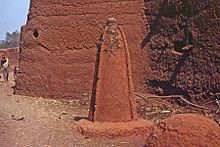
Din https://en.wikipedia.org/wiki/Numen De la începutul secolului al XX-lea, numen a fost uneori tratat în istoria religiei ca o fază pre-animistă; adică un sistem de credință moștenit dintr-o vreme anterioară. Numen este, de asemenea, folosit de sociologi pentru a se referi la ideea puterii magice care locuiește într-un obiect, în special atunci când scrie despre idei în tradiția occidentală. …. Numen, pl. numina, este un termen latin pentru „divinitate”, sau „prezență divină”, „voință divină”. Autorii latini l-au definit astfel: [1] Cicero scrie despre o „minte divină” (divina mens), un zeu „al cărui numen totul se supune” și o „putere divină” (vis divina) „care străbate viața oamenilor . ” Provoacă mișcările și strigătele păsărilor în timpul augurului. Animismul (din latină: anima, „respirație, spirit, viață”) este credința că obiectele, locurile și creaturile posedă toate o esență spirituală distinctă. Potențial, animismul percepe toate lucrurile – animale, plante, roci, râuri, sisteme meteorologice, lucrări umane și poate chiar cuvinte – ca fiind animate și vii. Animismul este folosit în antropologia religiei ca termen pentru sistemul de credințe al multor popoare indigene, mai ales în contrast cu dezvoltarea relativ mai recentă a religiilor organizate. Deși fiecare cultură are propriile sale mitologii și ritualuri, se spune că animismul descrie cel mai comun, fir fundamental al perspectivelor „spirituale” sau „supranaturale” ale popoarelor indigene. Perspectiva animistă este atât de răspândită și inerentă majorității popoarelor indigene încât deseori nici măcar nu au un cuvânt în limbile lor care să corespundă „animismului” (sau chiar „religiei”); termenul este o construcție antropologică.În mare parte datorită unor astfel de discrepanțe etnolingvistice și culturale, opinia a diferit dacă animismul se referă la un mod ancestral de experiență comun popoarelor indigene din întreaga lume sau la o religie cu drepturi depline. Definiția acceptată în prezent a animismului a fost dezvoltată abia la sfârșitul secolului al XIX-lea (1871) de Sir Edward Tylor, care a formulat-o ca „unul dintre primele concepte ale antropologiei, dacă nu chiar primul” Din https://en.wikipedia.org/wiki/Animism Animismul cuprinde convingerile că toate fenomenele materiale au rol, că nu există o distincție clar definita și rapidă între lumea spirituală și fizică (sau materială) și că există suflet sau spirit sau simțire nu numai la oameni, ci și la alte animale, plante, roci, caracteristici geografice, cum ar fi munții sau râurile sau alte entități ale mediului natural: spiritele apelor, zeități ale vegetației, spirite ale copacilor etc. Animismul poate atribui o forță de viață conceptelor abstracte. precum cuvinte, nume adevărate sau metafore din mitologie.

Din https://en.wikipedia.org/wiki/Animism#Shamanism Un șaman este o persoană considerată ca având acces și influență în lumea spiritelor binevoitoare și răuvoitoare, care intră de obicei într-o stare de transă în timpul unui ritual și practică ghicirea și vindecarea. Potrivit lui Mircea Eliade, șamanismul cuprinde premisa că șamanii sunt intermediari sau mesageri între lumea umană și lumile spiritelor. Se spune că șamanii tratează afecțiunile / bolile reparând sufletul. Traumele amelioratoare care afectează sufletul / spiritul restabilește corpul fizic al individului la echilibru și integritate. Șamanul intră, de asemenea, în tărâmuri sau dimensiuni supranaturale pentru a obține soluții la problemele care afectează comunitatea. Șamanii pot vizita alte lumi / dimensiuni pentru a îndruma sufletele greșite și pentru a ameliora bolile sufletului uman cauzate de elemente străine.

Din O istorie a animismului și exemplele sale contemporane https://brewminate.com/a-history-of-animism-and-its-contemporary-examples/ Piatra de temelie a gândirii animiste este afirmarea existenței unui fel de entități metafizice ( cum ar fi sufletele sau spiritele) care sunt văzute ca sursa vieții (sau forța vieții) a ființelor umane, a animalelor, a plantelor și chiar a obiectelor și fenomenelor non-vii. Pentru culturile animiste, existența acestor entități (cu calitățile lor operaționale și volitive respective) oferă explicații pentru nenumăratele schimbări asistate atât în ​​lumea naturală, cât și în lumea umană. ….. Gânditorii care susțin că animismul nu este o religie susțin că, odată cu credința în zei mai „departamentali”, vine dezvoltarea politeismului și, de acum, ceea ce este considerat a fi un gând religios deplin. Pentru acești teoreticieni, credințele politeiste înlocuiesc spiritele elementare ale viziunii animiste asupra lumii. În schimb, cei care susțin că animismul este o religie se concentrează pe faptul că, chiar și în riturile magice, o formă de închinare este îndreptată spre spiritele identificate de animist.

Din https://en.wikipedia.org/wiki/Animism

Animist altar, Bozo village, MoptiBandiagaraMali, in 1972

================================== LA GOBEKLI TEPE AVEM O FORMĂ DE RELIGIE ANIMISTĂ. NU ESTE UN ZEU ANTROPOMORF ORI ZEU PROPRIU-ZIS, DAR ESTE O ENTITATE DIVINĂ BINE DEFINITĂ. FORMA “T” ESTE IMAGINEA SA. ESTE SPIRITUL FORȚEI VIEȚII. Ceva apropiat, cu ceea ce apare mai târziu, SUMERIANUL „ME”. (ȘI POSIBIL ȘI TI ; ZU / viață ;să știi. DECI EXISTĂ O DIVINITATE SPIRITUALĂ CENTRALĂ UNICĂ, PRINCIPALĂ, CARE SE VEDE CA FORȚA VIEȚII CARE EXISTĂ ÎN TOATE. APOI EXISTENTA TOTEMURILE CARE IDENTIFICĂ DIFERITELE TRIBURI. ======================== – Eu am avansat inca de acum o luna o ipoteza. Civilizația sumeriana a fost dupa 4.000 I.E.N. cea mai avansata civilizație din lume,dar și din zona Semilunei Fertile. Dupa mine este logic ca ea sa provina dintr-o alta mai veche, care nu putea fi decât tot una foarte dezvoltata. Si care este cea mai veche cunoscuta din zonă, dar și dezvoltată, superioară pentru acele timpuri? (Dat fiind și faptul că domesticirea cerealelor și animalelor tot de pe aproape din Anatolia a pornit). Sunt niște comunități de factura celei de la Göbekli Tepe, (Nevalı Çori ? , Çatalhöyük?) și nu numai. Gasim dupa câteva mii de ani după Göbekli Tepe, la sumerieni semnul proto-cuneiform T fiind asociat cu divinitatea. Cu siguranță icoana si ideograma T este cu mult mai veche, se pare ca a existat inainte de a descoperi sumerienii proto-scrierea.

Mă simt incurajat să fac această ipoteză a transmiterii semnelor intrucât avem un semn (de fapt icoană) transmis și prezent in formă identică la Gobekli Tepe și la sumerieni. Este vorba de icoana gentuței de mână.

– Semnul T reprezentă la sumerieni ME:” ființa,esența, ordonanța divina, rit oracol și altele, ex. lupta. Aceste cunostințe divine le-a adunat zeitatea suprema Enlil care le-a dat spre distribuire către populație prin temple prin intermediul zeitații Enki, iar Enki nu le dadea direct ci prin conducătorii/guvernatorii locali Ensi. Erau seturi de ME-uri (de cunostințe; un set=mai multe=me-me) – In lipsa altui model eu propun ca la Gobekli Tepe de fapt se facea schimb de experiențe și cunostinte. Samanii distribuiau conducatorilor triburilor cunostințe din toate domeniile vieții practice sociale, materiale și religioase.

– La Göbekli Tepe se aduna periodic o comunitate mai larga (si totusi locala, posibil de pe o raza de 300 Km) de culegatori-vânatori. Acestia se adunau pentru ca simțeau ca aparțin unei comunitați distincte cu aceleași interese si preocupari. Liantul era constituit de o sumă de elemente de natura sociala, culturala si religioasa si nu un interes material in primul rând. Acolo se schimbau cunostințe și tehnici de vânatoare, se realiza un gen de organizare a conducerii in interiorul clanurilor, se cauta și facea schimb de parteneri și se desfasurau ritualuri samanic-animiste. Morții prin intermediul cultului strămosilor, realizau continuitatea și unitatea cultural-religioasa.

Simbolul T, dar si stelele in T erau simbolurile vieții. Este posibil să fi existat o entitate de natură animistă, un spirit care sa fie perceput ca esenta vietii. Chiar multimile se adunau și se practicau ritualuri și procesiuni religioase in care se omagia viața. Ipotetizez chiar că puteau fi festivaluri anuale centrate pe reluarea ciclului vietii festivitate centrată pe momentul inceperii noului an.

Nu as vedea practicarea pe scara extinsa si de larga anvergura a unui cult al morților (cum aveau de exemplu etruscanii). Moartea era percepută ca o incadrare firească in ciclul vieții. Da, așa cum s-a mai avansat ipoteza, păsările (in special vulturii) erau considerate ca fiind mesageri intre tăramul vieții si cel al morților.Acesti morți, practic prin cultul stramoșilor asigurau mai mult decat orice, continuitatea și coeziunea comunitații. In legatura cu aceasta, rolul samanilor era de o importantă covârșitoare. Pentru că erau creditati cu autoritate totala in asigurarea si menținerea legăturilor și articulării in amănunt, intre ele a tuturor elementelor componente, prin ritualuri.

– Mulți fac referire la o posibilă legatură a semnelor T si H ca reprezentand porti de intrare in alta realitate pur spirituală precum și in tăramul morților. Au fost găsite in sudul Armeniei in niste picturi rupestre (alternarea semnelor lei cu semnele echivalente T), unde leii se stie ca strajuiau la multe culturi portile regale.Unii zic că la egipteni simbolul T avea ințelesul de poartă.Apoi eu și altii am facut referire la semnul H ca fiind constelația Orion, cunoscută la egipteni ca fiind destinația dorită pentru suflete (KA=suflet)

-“Dacă ajungeau la faza de”; “ar fi avut concepută” o zeitate, nu vad altfel decat ca acea zeitate sa fi fost macar in masura mica antropomorfa. Stelele in T nu sunt forme antropomorfe, chiar daca au figurate superficial maiini. Sunt forme extrem de stilizate. Apoi s-ar fi gasit statuete ale acesteia și toate trebuiau sa fie asemanatoare. De genul omului din Urfa. Cred ca samanii nu ar fi agreat o divinitate antropomorfa, poate chiar ei au imaginat forma T. Ar fi putut pierde rolul de intermediari intre oameni și o divinitate mai mult sau mai puțin ascunsă.

What is this !?

February 9, 2021

From RJ Models Restores to the Highest Standard the Ancient Historical Relics of Göbekli Tepe https://www.rjmodels.com.hk/G%C3%B6bekli+Tepe

Image result for gobekli tepe

https://en.wikipedia.org/wiki/Gnomongnomon (/ˈnoʊmɒn, ˈnoʊmən/, from Greek γνώμων, gnōmōn, literally: “one that knows or examines”[1][2]) is the part of a sundial that casts a shadow. The term is used for a variety of purposes in mathematics and other fields.If you make an sundial or gnomon composed of a crescent and rod, (something like this ) https://mbwfurniture.wordpress.com/tag/ancient-egypt/

Image result for egyptian sundial
As long as the sun has traveled across the sky, civilization has depended upon it to monitor the passing of time. Historians remain skeptical about the earliest sundials, but the first to appear in archaeological record are the Egyptian obelisks circa 3500 BCE. Babylonian astronomy utilized similar shadow clocks in 1500 BCE. 
Image result for egyptian gnomon
Image result for paleolithic gnomonFrom JSTOR The Gnomon in Egyptian Antiquity

=================================== The shadows made by crescent and rod has the shape of that “three downward-limbs figure” on Gobekli Tepe pillar ? ? ?. SEE THE GNOMON ABOVE THE SHADOW ! Otherwise is an extremely strange figure/shape allmost impossible to be explained. …. better instead of crescent, a “U” shape…

Sumerian GESTU

GESZTU~a
GESZTU~c3

From The Mathematics of Uruk and Susa(c.3500-3000BCE) Assad Ebrahim http://mathscitech.org/articles/mathematics-uruk-susa <<Intelligent person (LU2xGESZTU) is from LU2 (person) and GESZTU (ears, intelligence). Note that the sign for GESZTU is the same for ears, suggesting that intelligence is associated with listening well.>>

From Congress Volume – Page 100 – Google Books Resultbooks.google.ro › books International Organization for the Study of the Old Testament. Congress · 1978 · ‎Political Science… bilingual vocabulary as the equivalent of Sumerian gestu, “understanding

! ! Sumerian gestu, “understanding” < visa > γνώμων, gnōmōn, literally: “one that knows or examines ! ! From https://www.ancient-origins.net/ancient-places-europe/g-bekli-tepe-shamans-and-their-cosmic-symbols-part-i-005175?fbclid=IwAR0WAVNtAhPVqBvLnk2lps3RaZMPI2Yi39OTRIitK4KIGxwX_t3Dwxn-o0U << Shamanic Observatory So, can we imagine that the symbols of Göbekli Tepe might have once been the symbols of shamans that were relevant to astronomy or cosmology. Was Göbekli Tepe an ancient observatory for shamans? Some scientists (B.G. Sidharth, Giuglio Magli and A. De Lorenzis) and researchers (Joe Plegge, Andrew Collins) specify that Göbekli Tepe was used as a celestial observatory. …..There are two central pillars in Göbeklitepe temples. There is question on if we define these two pillars as “The Dual Divinity,” in that they should be the “celestial parents” and “male and female principles” as well. In my opinion they were for the high-priests or head-shamans of Göbekli Tepe temples.

The Sumerian deity, Utu
In Sumerian mythology, sun god Utu stands between two columns which symbolize a gate; and the symbols are the sky and the earth. In Greek Mythology, the two pillars of Hercules guard the passage towards the unknown.
Image result for gobekli tepe sun
Figure 8. Markings which appear to depict a sun or planet with supporting crescent, and two beaked twins above. Credit: Alistair Coombs At the pillar’s neck (fig.8) are convincing astronomical markings of a sun or planet disk with a crescent below.  Not only was the crescent a cultic image of the moon across later Mesopotamia, but even more immediately south of Göbekli Tepe at Harran, once a major cult centre of the moon god Sin.
https://cdli.ucla.edu/tools/SignLists/protocuneiform/archsigns.html Sign U4@t

https://www.sumerian.org/prot-sum.htm ud, u4: n., sun; light; day; time; weather; storm (demon).

bucranium on pillar - Gobekli Tepe
https://www.ancient-origins.net/ancient-places-asia/g-bekli-tepe-great-year-001667 Figure 9. The bucranium on pillar 31. Credit: Alistair Coombs

Gods or spirits at Gobekli Tepe ?

February 9, 2021

From https://www.nationalgeographic.com/magazine/2011/06/gobeki-tepe/ Dating to at least 8000 B.C., this life-size sculpture was discovered in southeastern Turkey, nine miles from Göbekli Tepe, the world’s oldest temple. As hunter-gatherers made the transition to a complex social structure, depictions of humans—or gods—began to appear. From https://www.facebook.com/bronzeagecollapse/posts/the-urfa-manworlds-oldest-statue-of-a-humana-neolithic-narrativeurfa-man-carved-/859111487609255/

Image result for urfa anatolian gods
The ‘Urfa Man‘…World’s Oldest Statue of a Human…a Neolithic Narrative:{“Urfa” man: Carved stone, the eyes are obsidian. Göbekli Tepe , Anatolia, Turkey Ca. 8000 BC. First ever larger than life sculpture of a human form. This is a identical size replica from an exhibition here in Karlsruhe.The original is in the museum of Sanliurfa, Turkey.}The world’s oldest statue is a two-meter high statue of a male that was discovered in Balıklıgöl in 1993. The limestone statue the eyes of which are carved out of obsidian depicts a man seizing his genital organ with both hands. The Urfa Man statue, so named because of the region in which he was found, is extraordinary for a number of reasons. First, it is the only one of its kind out of the hundreds of carvings found at Gobekli Tepe [https://www.facebook.com/photo.php?fbid=10155548813808349…]. The statue is 6 feet tall and carved of stone. It is definitely humanoid and depicts a man with no hair, with eyes made from what appears to be black obsidian

If this at 8.000 B.C. is suspected to be first world God, probably at 9.600 B.C. gods were not yet invented. How one think of deity at 9.600 B.C. when roman gad until “yesterday” animistic faith and entities : https://en.wikipedia.org/wiki/Numen Since the early 20th century, numen has sometimes been treated in the history of religion as a pre-animistic phase; that is, a belief system inherited from an earlier time. Numen is also used by sociologists to refer to the idea of magical power residing in an object, particularly when writing about ideas in the western tradition. …. Numen, pl. numina, is a Latin term for “divinity“, or a “divine presence”, “divine will.” The Latin authors defined it as follows:[1] Cicero writes of a “divine mind” (divina mens), a god “whose numen everything obeys,” and a “divine power” (vis divina) “which pervades the lives of men.” It causes the motions and cries of birds during augury. From https://en.wikipedia.org/wiki/Animism << Animism (from Latinanima, ‘breathspiritlife‘)[1][2] is the belief that objects, places, and creatures all possess a distinct spiritual essence. Potentially, animism perceives all things—animals, plants, rocks, rivers, weather systems, human handiwork, and perhaps even words—as animated and alive. Animism is used in the anthropology of religion as a term for the belief system of many indigenous peoples, especially in contrast to the relatively more recent development of organised religions. Although each culture has its own different mythologies and rituals, animism is said to describe the most common, foundational thread of indigenous peoples’ “spiritual” or “supernatural” perspectives. The animistic perspective is so widely held and inherent to most indigenous peoples that they often do not even have a word in their languages that corresponds to “animism” (or even “religion”);[9] the term is an anthropological construct. ….. …. Largely due to such ethnolinguistic and cultural discrepancies, opinion has differed on whether animism refers to an ancestral mode of experience common to indigenous peoples around the world, or to a full-fledged religion in its own right. The currently accepted definition of animism was only developed in the late 19th century (1871) by Sir Edward Tylor, who formulated it as “one of anthropology‘s earliest concepts, if not the first.” …. ….. Animism encompasses the beliefs that all material phenomena have agency, that there exists no hard and fast distinction between the spiritual and physical (or material) world and that soul or spirit or sentience exists not only in humans but also in other animals, plants, rocks, geographic features such as mountains or rivers or other entities of the natural environment: water spritesvegetation deitiestree sprites, etc. Animism may further attribute a life force to abstract concepts such as words, true names, or metaphors in mythology >> From https://en.wikipedia.org/wiki/Animism#Shamanism A shaman is a person regarded as having access to, and influence in, the world of benevolent and malevolent spirits, who typically enters into a trance state during a ritual, and practices divination and healing.According to Mircea Eliade, shamanism encompasses the premise that shamans are intermediaries or messengers between the human world and the spirit worlds. Shamans are said to treat ailments/illnesses by mending the soul. Alleviating traumas affecting the soul/spirit restores the physical body of the individual to balance and wholeness. The shaman also enters supernatural realms or dimensions to obtain solutions to problems afflicting the community. Shamans may visit other worlds/dimensions to bring guidance to misguided souls and to ameliorate illnesses of the human soul caused by foreign elements. A History of Animism and Its Contemporary Examples https://brewminate.com/a-history-of-animism-and-its-contemporary-examples/ The cornerstone of animistic thought is the affirmation of the existence of some kind of metaphysical entities (such as souls or spirits) that are seen as the life-source (or life-force) of human beings, animals, plants and even non-living objects and phenomena. For animistic cultures, the existence of these entities (with their respective operational and volitional qualities) provides explanations for the innumerable changes witnessed in both the natural world and the human world. ….. Thinkers holding that animism is not a religion claim that with the belief in more “departmental” gods comes the development of polytheism, and henceforth what is considered to be full-fledged religious thought. For these theorists, polytheist beliefs supercede the elemental spirits of the animist worldview.In contrast, those who argue that animism is a religion focus upon the fact that, even in magical rites, a form of worship is directed toward the spirits identified by the animist. From https://en.wikipedia.org/wiki/Animism

Animist altar, Bozo village, MoptiBandiagaraMali, in 1972

AT GOBEKLI TEPE WE HAVE AN ANIMIST FORM OF RELIGION. THERE ARE NO PROPER GODS, NO HUMAN-LIKE, BUT AN SHARPLY DEFINED DIVINE ENTITY. T-SHAPE IS ITS SHAPE. IT IS THE LIFE-FORCE SPIRIT. SOMETHING CLOSE TO, (OR WICH COMBINE LATER) SUMERIAN “ME”. AND POSSIBLE ALSO TI AND ZU/ life, and to know. THERE IS A CENTRAL, MAIN UNIQUE SPIRIT DIVINITY, WICH IS SEEN AS THE LIFE-FORCE WICH EXISTS IN ALL. BESIDE THERE ARE TOTEMS WICH IDENTIFY DIFFERENT TRIBES. ======================== I made a hypothesis a month ago. The Sumerian civilization was after 4,000 I.E.N. the most advanced civilization in the world, but also in the area of ​​the Fertile Crescent. In my opinion, it is logical for it to come from an older one, which could only be the most developed one. And which is the oldest known in the area, but also developed, superior for those times? (Given the fact that the domestication of cereals and animals also from close to Anatolia has begun). There are some communities of the Göbekli Tepe bill (Nevalı Çori ?, Çatalhöyük?) And more. We find after a few thousand years after Göbekli Tepe, in the Sumerians the proto-cuneiform sign T being associated with the divinity. Certainly the T icon and ideogram is much older, it seems to have existed before the Sumerians discovered proto-writing. I feel encouraged to make this hypothesis of transmitting signs because we have another sign (actually an icon) transmitted and present in identical form to Gobekli Tepe and the Sumerians. This is the icon of the handbag. The sign T represents to the Sumerians ME: “being, essence, divine ordinance, oracle, rite and others, eg fighting.

This divine knowledge ME’s were gathered by the supreme deity Enlil who gave it for distribution to the population through temples through the deity Enki , and Enki did not give them directly but through local Ensi leaders / governors >to>> people.

They were sets of MEs (of knowledge; one set = several = me-me) exchange of experiences and knowledge. Here, in the same pattern, the shamans distributed to the leaders of the tribes knowledge in all areas of practical social, material and religious life. At Göbekli Tepe a larger community (and yet local, possibly within a radius of 300 km) of hunter-gatherers periodically gathers. They came together because they felt they belonged to a distinct community with the same interests and concerns. The binder consisted of a sum of elements of a social, cultural and religious nature and not a material interest in the first place. There, knowledge and hunting techniques were exchanged, a kind of organization of leadership within the clans was carried out, partners were sought and exchanged, and shamanic-animist rituals were carried out. The dead, through the cult of their ancestors, achieved continuity and cultural-religious unity. The T symbol, but also the T-pillars were the symbols of life. It is possible that there was an animistic entity, a spirit that was perceived as the essence of life. Even the crowds gathered and practiced rituals and religious processions in which life was honored. I even hypothesize that there could be annual festivals focused on the resumption of the life cycle, a festivity probably focused on the beginning of the new year. I would not see the widespread and widespread practice of a cult of the dead (as had for example the Etruscans). Death was perceived as a natural part of the life cycle. Yes, as the hypothesis has been advanced, birds (especially eagles) were considered messengers between the realm of life and the realm of the dead. If Vinca-Turdas Civilisation (6.000 B.C.) had a bird-goddess, why not an earlier civilisation to have also as god a bird and not an antropomorphic one, human-like. These dead, practically through the cult of ancestors ensured more than anything, the continuity and cohesion of the community. In connection with this, the role of the shamans was of overwhelming importance. Because they were credited with total authority in ensuring and maintaining the connections and articulation in detail, between them of all the component elements, through rituals. Many refer to a possible connection of the signs T and H as representing gates of entry into another purely spiritual reality as well as in the realm of the dead. They were found in southern Armenia in some cave paintings (alternating the signs of lions with the equivalent signs T), where lions are known to guard the royal gates in many cultures. Some say that in Egypt the symbol T had the meaning of gate. Then I and others did reference to the H sign as the constellation Orion, known to the Egyptians as the desired destination for souls (KA = soul) – If they reached the phase of; he would have conceived a deity, I see nothing but that deity to be at least to a small extent anthropomorphic. T-stars are not anthropomorphic shapes, even if they have superficially shaped hands. They are extremely stylized shapes. Then her statuettes would have been found and they all had to be similar. Like the man from Urfa. I think that shamans would not have agreed to an anthropomorphic deity. They could have lost the role of intermediaries between people and a more or less hidden deity. Maybe they were those, if not imagined but consented for the T-shape.

De ce se adunau la Göbekli Tepe !?

February 2, 2021

Din The Transition to Permanent Settlements https://www.penn.museum/sites/expedition/cult-as-a-driving-force-of-human-history/

Map
.Göbekli Tepe este situat în sud-estul Turciei. Harta din dreapta arată locația Göbekli Tepe în mijlocul altor situri neolitice importante din regiune. Siturile arheologice cu stâlpi în formă de T similari cu cei găsiți la Göbekli Tepe sunt evidențiate în roșu.
June 2018 Feature - The Summer Triangle - University Television – Comcast  61/1095 & UVerse 99
Imaginea, din University of Arkansas at Little RockJune 2018 Feature – The Summer Triangle – University Television – Comcast 61/1095 &https://ualr.edu/tv/files/2018/04/Early-man-444×323.jpg

Am găsit următoarea afirmație în: GöBEKLI TEPE: UNDE S-A NĂSCUT RELIGIA https://museum-of-artifacts.blogspot.com/2017/01/gobekli-tepe-where-religion-was-born.html#:~:text=We%20used%20to%20think%20agriculture,Egyptian%20pyramids%20by%206%2C500%20years.. << Obișnuiam să credem că agricultura a dat naștere orașelor și mai târziu scrisului, artei și religiei. Acum, cel mai vechi templu din lume sugerează că dorința de a se închina a declanșat civilizația. >> Nu sunt de acord cu aceasta afirmatie și va explic de ce. Oamenii au ca si animalele nevoi biologice de bază, fără de care viața este imposibilă. De la https://www.nasa.gov/pdf/162514main_Human_Needs.pdf << Ființele umane au anumite nevoi de bază. Trebuie să avem hrană, apă, aer și adăpost pentru a supraviețui. Dacă oricare dintre aceste nevoi de bază nu este îndeplinită, atunci oamenii nu pot supraviețui. >> De la Evolving Needs Human http://www.mysearch.org.uk/website1/html/8.Evolution.html << Cerințele pentru supraviețuirea umană au fost descrise în termeni de ierarhie a nevoilor așa cum este ilustrat în diagrama de mai sus. Cele trei niveluri inferioare vor fi echivalate cu nevoile de supraviețuire, deoarece sunt lucruri pentru care ne străduim atunci când nu le avem. Nevoile fiziologice se referă la astfel de nevoi de bază, cum ar fi căldura, adăpostul, mâncarea și sexul.
Nevoile de siguranță sunt legate de nevoia suplimentară de securitate și de suprimarea fricii. Nevoile sociale ar putea fi, de asemenea, legate de securitate, dar au implicații mai largi în sensul că acestea includ nu numai interacțiunea cu oamenii în general, ci și nevoia de familie și prieteni apropiați.Pe măsură ce progresăm în ierarhie, nevoile devin mai abstracte și, eventual, sunt descrise mai bine ca obiective. >>

8.Evolution
Evolving Human Needs http://www.mysearch.org.uk/website1/html/8.Evolution.html

Aceste nevoi de mai sus au alimentat evoluția. Multe animale au un comportament social și acționează ca un grup sau „familie”, de fapt turme, se aduna, așa cum o face hoarda umană. (Definiție hoardă: un grup mare de oameni. “2. ANTROPOLOGIE un mic grup social slab tricotat, format de obicei din aproximativ cinci familii.) De obicei, animalele sălbatice au nevoie pentru condiții optime de viață de suprafețe mult mai mari decât oamenii, astfel încât vânătorii-culegători sunt cumva forțați să urmeze un model adaptat similar. Animalele prădătoare acționează într-o manieră precis coordonată (lupi, lei ..) pentru a obține rezultate mai bune, oamenii (înțelegând sau nu pe deplin de ce) au acționat în același mod. Dar tocmai acele nevoi de bază sunt însotite de multe și enorme vicisitudini care îi obligă să colaboreze și să facă schimb de experiență. Iată nevoile care ni se par legate de o activitate socială: nașteri, găsirea partenerilor, moartea și dezvăluirea misterelor lumii din jurul nostru. Vânătoarea și natura erau relativ bine cunoscute pentru a răspunde nevoilor practice, mecanismul prin care natura funcționează este foarte complex si a fost perceput ca misterios. In acea vreme, oamenii dispuneau de „senzori” și aveau o capacitate de percepție si acuitate pe care noi nu le mai avem la acele performante. De asemenea, aveam capacitatea dobândită în interpretarea celor mai mici schimbări din mediu și interpretarea urmelor de animale. A se percepe tipare si a le interpreta.Aici am vrut să ajung: abilitatea pe care o avem astăzi de a căuta și găsi modele si tipare. Este aceea după care putem memora și recunoaște un chip uman din alte mii, poate chiar din mai multi.

Au intuit că marea majoritate a secretelor se afla pe cer, acesta fiind de fapt marele rezervor. Dacă a existat ceva demn de admirație și respect si adanca reveratie, acestea ar fi în primul rând viața și acest cer ale cărui secrete, dacă ar fi revelate, cunoscute atunci acestea ar completa ceea ce stiu, si ar ști totul. Cei care aveau cunoștințe minime, dar, în plus pretindeau că pot descifra semnele și prezice viitorul erau acești șamani. Au fost versiunea primitivă a oamenilor de știință de astăzi. Nu numai în engleză, dar probabil în toate limbile indo-europene (despre altele nu pot să pronunț) noțiunile de divin, prevestire, prezicere / divinație și divinitate sunt legate atat organic ca si filogenetic. Definiția divinatie, (engl. divination).
1: arta sau practica care urmărește să prevadă sau să prevestească evenimente viitoare sau să descopere cunoștințe ascunse, de obicei, prin interpretarea augurelor sau cu ajutorul puterilor supranaturale.

Universul a avut și încă are extrem de multe secrete, atât în ​​aspectul fizic care poate fi perceput de simțuri, cât și în cel spiritual, aceasta referindu-se la procesul de cunoaștere a omului prin gândire în principal. Capacitatea de a organiza realitatea, de a construi modele și apoi de a le verifica practic. Dar lumea spirituală este la fel de bogată ca și cea fizică; include gândurile asociate senzațiilor, e lumea sentimentelor și imaginației, a viselor noastre. Deoarece șamanii au pretins că pot interpreta și prezice desfășurarea lumii fenomenologice, dar și că au capacitatea de a intra și de a părăsi lumea morților, cunoscand bine psihicul și activitatea intelectuală a oamenilor. Oamenii au încercat să ceară raspunsuri in dialogul cu natura. Singurii care au pretins că pot face acest lucru au fost șamanii. Deci progresul cunoașterii a fost realizat în acest fel pe două niveluri: prin experiențe directe, pe de o parte, și prin interpretări ale șamanilor, pe de altă parte. Am fost impresionat de tradiția sumeriană: Zeitatea Enlil a adunat decretele divine „ME”, adică cunoașterea, având o grămadă de ele (ME-uri).( In sumeriana ME la plural este ME-ME)După aceasta, au fost păstrați în templu de unde au fost distribuiți de preoți conducătorilor locali Ensi și de la ei în cele din urmă către populație. Acele ME-uri erau în acele genți misterioase.

Me (mythology) – Wikipediaen.wikipedia.org › wiki › Me_(mythology) În mitologia sumeriană, un ME este unul dintre decretele divine care este fundamental pentru cei …

This image has an empty alt attribute; its file name is ME~a.jpg
https://cdli.ucla.edu/tools/SignLists/protocuneiform/archsigns.html Sumerian proto-cuneiform sign ME

În absența altor modele, încerc să aplic acest model populației din Göbekli Tepe. Cu diferența esențială că în absența zeităților totul are un aspect și o dezvoltare mai simplă, rudimentară, bazată pe motivație și doar pe două elemente: viața și moartea.

De la ON ТНЕ ORIGINAL МEANING OF SUМERIAN МЕ (lmages of Weltanschauung and the Methods of Тl1eir Study) V.V. Yemelyanov [Principala presupunere este că cuvântul a fost derivat de la verbul МЕ «a fi aparent, vizibil» și semnificația sa originală era «voința de a trăi».]

Pentru sumerieni, ME-urile constau din seturi de instrucțiuni practice și detaliate cu privire la modul de realizare a fiecărui aspect al vieții materiale și sociale spirituale (citiți religios). Într-o formă elementară, mult mai simplă decat la sumerieni, VANATOR-CULEGATORII SE ADUNAU PERIODIC UNDE ERAU ADUNATE,TINUTE IMPREUNA ACELE ME-URI, SETURI DE ME SI ERAU DISTRIBUITE DE SAMANI PROBABIL SEFILOR DE TRIB. Prin natura ocupației lor, vânătorii-culegători au acționat in grupuri mici, dispersate și cu atât mai mult. nevoia de întâlniri periodice era urgentă și vitală.

ATENTIE, NU ARE ROST SA CAUTAM ZEITATI MAI MULT SAU MAI PUTIN ABSTRACTE SI ILUZORII , PROBLEMATICA ESTE MULT MAI SIMPLA: VIATA SI MOARTEA

Apropos de forma semnului proto-cuneiform in “T” (citire sumeriana ME) Din THE LAND OF THE CELESTIAL GATES (Excerpt from the book <“Lion” Character in the Petroglyphs of Syuniq and Ancient World>)https://www.academia.edu/5519442/The_Land_of_the_Celestial_Gates

<< ME – ETSCL, care traduce frecvent cuvântul me în alte texte ca esența = «էություն», nu a tradus cuvântul în discuție și l-a lăsat așa cum este. H.Vanstiphout l-a tradus ca pe o putere, în timp ce I.Kaneva il traduce într-un caz ca закон = lege și în cealaltă instanță ca обряд = rit.
Drept urmare, Aratta a fost descris ca „muntele strălucitorului ME”, „muntele cel al puterilor inviolate/imaculate ”și„ țara drepturilor curate ”, respectiv. In primul rand, aceste descrieri diferă prin semnificațiile pe care le exprimă și, în al doilea rând, dacă le privim din punctul de vedere al problemei noastre, semnificația lui ME rămâne incertă. În scrierile viitoare vom încerca să arătăm că este necesar să se utilizeze „pasaj, fisură, deschidere, ușă, poartă, cale ” ca semnificație a semnului cuneiform ME în acest segment. Pentru asta, mai întâi trebuie să clarificăm citirile și semnificațiile tuturor cuvintelor și apoi să determinăm semnificația completă a segmentului>>