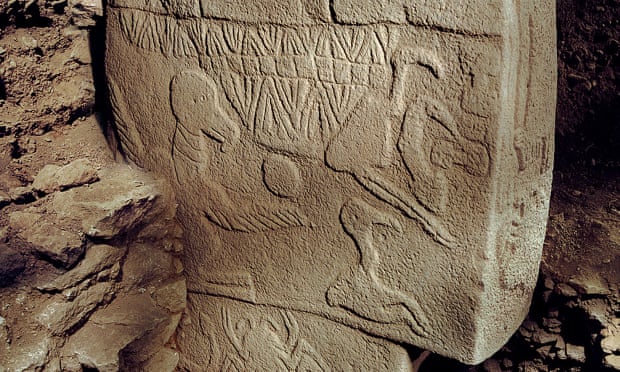
Doing my research regarding Gobekli Tepe site ,I cannot explain why some things especially symbols and signs are so close related to that sumerian ones.
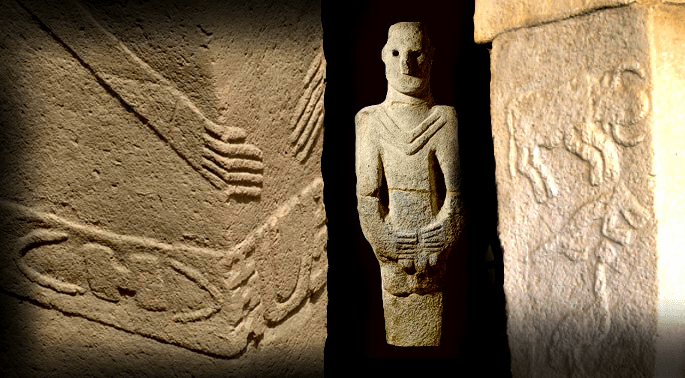
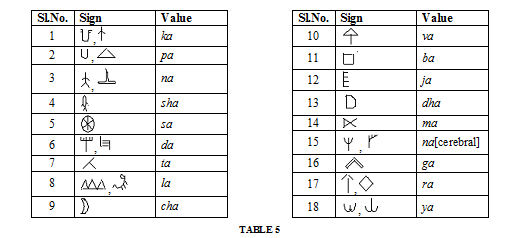
Despite great time span between this civilisations of 6,000 years,(from 9,600/Gobekli to 3,600/sumerian).I not comprehend how cultural achievent (symbols and marks) have been continously transmitted from generation to generation such a long time. As knowing well sumerian proto-cuneiform signs, I was shocked finding some of them at Gobekli Tepe. There are many of them, e.g. those handbags,sign T,sign H, and so on. In my mind aroused a quick explanation, as Gobekli Tepe not beeing so old or was in contact /visited by (proto?) sumerians a long time period. Very interesting, as allmost all scientists are for very old dates (level III, beginning at PPNA)
https://www.researchgate.net › 3189…(PDF) Gobekli Tepe, Tell Qaramel, Tell Es-Sultan – Research Gate — 10th millennium BC PPNA down to the 7th millennium BC late PPNB
https://www.researchgate.net/publication/352881173_MORE_ON_CARBON-14_EVIDENCE_AND_GOBEKLI_TEPE Another same opinion: https://such.forumotion.com/t9998-to-the-archaeologically-curious-a-comment-on-the-ancient-gobekli-tepe-in-turkey 《Furthermore, since the site (“temples” for example ) at GT required cutting and shaping of huge stone pillars etc. (weighing in tons, as much as 50 tons), that type of enormous task would not have been carried out by builders without the help of metallic tools (made from copper, bronze or iron etc.) or at least until 5000 BC (7000 years ago) when humans first learnt the use of metals (or perhaps even as late as 4000 BC when the use of metallic tools became common). Thus the GT site, rather than being of a Pre Pottery Neolithic era, appears to be much younger, belonging probably to the post-metallic age and coming after 4000 BC (perhaps even as late as 1900 BC, after making corrections to the apparent radiocarbon date of 10000 BC).》
https://www.eupedia.com › index.phpAncient Egyptian dna-Kraus et al [Archive] – Eupedia Forum –Natufian comprises basal European ancestry and the Neolithic expansion with megalithic
========== – I will be not happier if the site is in reality younger. – On some points, Mr.Dendrinos is right (what samples were age-determined, comparison with other Natufian sites) – If wonder why not found pottery: https://such.forumotion.com/t9998-to-the-archaeologically-curious-a-comment-on-the-ancient-gobekli-tepe-in-turkey 《Considering humans have used pottery (including clay pots and pans) since prehistoric times (well before 15000 BC), the association with PPN for GT (with questionable radiocarbon date 10000 BC) is quite preposterous 》 – Gobekli Tepe society was at least as highly organised as that sumerian, (taking account how much earlier was). -As sumerians received sets of divine decrees, sets of Me, possible hunter-gatherers tribes received also sets of instructions. – Gobekli Tepe was later Du–Ku “sacred mound” ! – Gobekli saman was later Ur-Bau, Ur-Meme, divine-healer goddess Gula ? – Periodically Gobekli gatherings for keeping fertility feasts and festivals continued with annual sumerian festivals.
https://second.wiki › wikiArchaic Spirituality in Systematized Religions – second.wiki 《The most original cult forms of the pre-Hittite period, in which Semitic and Indo-European populations mixed, were found in Göbekli Tepe in southern Anatolia and in Çatalhöyük》
From https://en.m.wikipedia.org/wiki/Nostratic_languages 《The hypothetical ancestral language of the Nostratic family is called Proto-Nostratic.Proto-Nostratic would have been spoken between 15,000 and 12,000 BCE, in the Epipaleolithic period, close to the end of the last glacial period.
The Sumerian and Etruscan languages, usually regarded as language isolates, are thought by some to be Nostratic languages as well. Others, however, consider one or both to be members of another macrofamily called Dené–Caucasian.》 ========== https://en.m.wikipedia.org/wiki/Natufian_culture 《The view that the Natufians spoke an Afroasiatic language is accepted by Vitaly Shevoroshkin. Alexander Militarev and others have argued that the Natufian may represent the culture that spoke the proto-Afroasiatic language, which he in turn believes has a Eurasian origin associated with the concept of Nostratic languages. The possibility of Natufians speaking proto-Afroasiatic, and that the language was introduced into Africa from the Levant, is approved by Colin Renfrew with caution, as a possible hypothesis for proto-Afro-Asiatic dispersal. .. Within this group, Ehret, who like Militarev believes Afroasiatic may already have been in existence in the Natufian period, would associate Natufians only with the Near Eastern pre-proto-Semitic branch of Afroasiatic 》
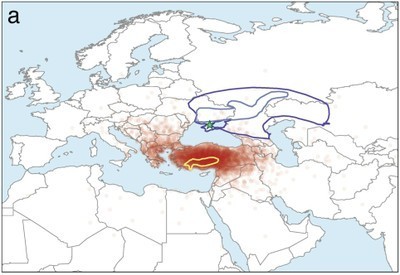
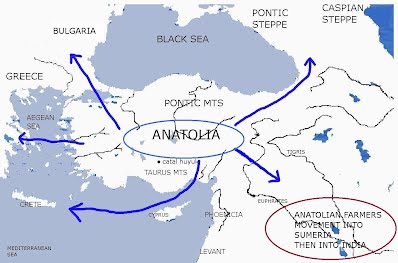
========= I.E. and sumerian, originated not in the same place, but close one of another ? E.g. I.E. in Central Turkey and Sumerian in South- Eastern Turkey ?https://images.app.goo.gl/rXfMfxBGokP3AazL7
=== Mapping the Origins and Expansion of the Indo-European Language Family === REMCO BOUCKAERTPHILIPPE LEMEYMICHAEL DUNNSIMON J. GREENHILLALEXANDER V. ALEKSEYENKOALEXEI J. DRUMMONDRUSSELL D. GRAYMARC A. SUCHARDAND QUENTIN D. ATKINSON https://www.science.org/doi/abs/10.1126/science.1219669?doi=10.1126/science.1219669A Family of Languages English is part of the large Indo-European language family, which includes Celtic, Germanic, Italic, Balto-Slavic, and Indo-Iranian languages. The origin of this family is hotly debated: one hypothesis places the origin north of the Caspian Sea in the Pontic steppes, from where it was disseminated by Kurgan semi-nomadic pastoralists; a second suggests that Anatolia, in modern-day Turkey, is the source, and the language radiated with the spread of agriculture. Bouckaert et al. (p. 957) used phylogenetic methods and modeling to assess the geographical spread of the Indo-European language group. The findings support the suggestion that the origin of the language family was indeed Anatolia 7 to 10 thousand years ago—contemporaneous with the spread of agriculture. Abstract There are two competing hypotheses for the origin of the Indo-European language family. The conventional view places the homeland in the Pontic steppes about 6000 years ago. An alternative hypothesis claims that the languages spread from Anatolia with the expansion of farming 8000 to 9500 years ago. We used Bayesian phylogeographic approaches, together with basic vocabulary data from 103 ancient and contemporary Indo-European languages, to explicitly model the expansion of the family and test these hypotheses. We found decisive support for an Anatolian origin over a steppe origin. Both the inferred timing and root location of the Indo-European language trees fit with an agricultural expansion from Anatolia beginning 8000 to 9500 years ago. These results highlight the critical role that phylogeographic inference can play in resolving debates about human prehistory.
The majority view in historical linguistics is that the homeland of the Indo-European language family was located in the Pontic steppes (present day Ukraine) around 6000 years ago. The evidence for this comes from linguistic paleontology: in particular, certain words to do with the technology of wheeled vehicles are arguably present across all the branches of the Indo-European family; and archaeology tells us that wheeled vehicles arose no earlier than this date. The minority view links the origins of Indo-European with the spread of farming from Anatolia 8000-9500 years ago. The minority view is decisively supported by the present analysis in this week’s Science. This analysis combines a model of theevolution of the lexicons of individual languages with an explicit spatial model of the dispersal of the speakers of those languages.》
<<This note follows up on the conclusions at the end of my 1996 paper on “The Proto-Sumerian Language Invention Process”.
After the proto-Sumerians made the conceptual breakthrough of mapping important things in the world to vocalic symbols, i.e., inventing spoken language, the concept spread to other nearby cultures.
Archaeologists now describe the very early megalithic temple site of Göbekli Tepe in south-eastern Turkey/Anatolia as an important supra-regional pilgrimage site, whose “rich and varied material culture suggests its visitation by peoples from three distinct cultural regions: Upper Mesopotamia, the Zagros and the southern Levant” (where proto-Sumerian arose to the east in the Zagros mountains and proto-Semitic arose down in the southern Levant). “Research indicates the site was created by hunter-gatherers, rather than farmers, who came from across a large area to build and then visit the site for religious purposes.” In an informative program for the National Geographic Channel called Cradle of the Gods, archaeologist Dr. Jeff Rose devoted an hour to exploring what the site of Göbekli Tepe might have been used for and where its builders might have lived.
In parallel with the archaeology, language studies are increasingly indicating that it was these same inhabitants of southeastern Anatolia who created and perfected the Proto-Indo-European (PIE) language, the ancestor of English, Russian, Sanskrit, Persian, Latin, Greek, Hittite, Armenian, Kurdish, etc. According to an article in the August 23, 2012 issue of the journal Science, an evolutionary biologist, Quentin Atkinson of the University of Auckland in New Zealand, and a large international team have adapted a technique normally used to study the evolution and spread of disease (Bayesian phylogeographic analysis) to analyze the existing vocabulary and geographical range of 103 Indo-European languages and computationally walk them back in time and place to their statistically most likely origin. The result is that “we found decisive support for an Anatolian origin over a steppe origin.” Both the timing and the root of the tree of Indo-European languages “fit with an agricultural expansion from Anatolia beginning 8,000 to 9,500 years ago“.
The creators of PIE did not originate the concept of spoken mouth gestures for communication, but living at the center of a vibrant multi-cultural community, they probably had extensive experience in communicating using bodily gestures. They applied that background to develop what in effect was an improved Language 2.0, versions of which then spread far and wide from the Göbekli Tepe pilgrimage site.
In an episode of the TV sit-com Two and a Half Men from 2003, Jon Cryer’s character Alan says, “I mean, why doesn’t anyone speak Sumerian anymore?” Compared to the other languages that it inspired, Sumerian had a more primitive design structure. You might as well ask why computer programmers no longer write code directly in machine assembly language, preferring instead one of the more modern high-level programming languages, which are conceptually flexible and user-friendly.Notes
R. Bouckaert, P. Lemey, M. Dunn, S. J. Greenhill, A. V. Alekseyenko, A. J. Drummond, R. D. Gray, M. A. Suchard, Q. D. Atkinson. “Mapping the Origins and Expansion of the Indo-European Language Family”. Science, 2012; 337 (6097): 957 DOI: 10.1126/science.1219669 >>
Ancient DNA available from this time in Anatolia shows no evidence of steppe ancestry similar to that in the Yamnaya (although the evidence here is circumstantial as no ancient DNA from the Hittites themselves has yet been published). This suggests to me that the most likely location of the population that first spoke an Indo-European language was south of the Caucasus Mountains, perhaps in present-day Iran or Armenia, because ancient DNA from people who lived there matches what we would expect for a source population both for the Yamnaya and for ancient Anatolians. If this scenario is right the population sent one branch up into the steppe-mixing with steppe hunter-gatherers in a one-to-one ratio to become the Yamnaya as described earlier- and another to Anatolia to found the ancestors of people there who spoke languages such as Hittite.
eugenrau: Armenia Turkey Iran ….rather than Steppes From https://en.m.wikipedia.org/wiki/Proto-Euphratean_language 《Proto-Euphratean is a hypothetical unclassified language or languages which was considered by some Assyriologists (for example, Samuel Noah Kramer) to be the substratum language of the people who introduced farming into Southern Iraq in the Early Ubaid period (5300-4700 BC). …. A related proposal by Gordon Whittaker[3] is that the language of the proto-literary texts from the Late Uruk period (c. 3350–3100 BC) is an early Indo-European language that he terms “Euphratic“.》
The Urheimat of the Nostratic Languages Valentin Stetsyuk https://www.v-stetsyuk.name/en/Alterling/Nostratic.html 《The later speakers of this parent language could move to other places, but there was the ancestral home of their descendants. H.Birnbaum expressed this most accurately: And probably, if the main spreading space of the Nostratic language – as intended – should be really identified with the South Caucasus, the eastern (and southern) Anatolia and upper course of the Tigris and Euphrates, it is natural to assume that the later areas of the spread of the Proto-Indo-European language was closer to the Black Sea – the Pontic steppe areas in northern and western Anatolia…(BIRNBAUM H. 1993: 16)》 ======= Eurasiatic > prot.-Afro-Asiatic > (prot.)-Sumerian From same Eurasiatic >Anatolian- I.European
Kültürler ve medeniyetler alanında aktarım olgusu bilinmektedir. Örneğin, Neolitik çağın veya tarımın Orta Doğu’dan Avrupa’ya geçişi. Bu demik ve/veya kültürel olarak ortaya çıkabilir. Burada ikisiyle de uğraşıyoruz. ——— Önceki gönderilerde, sütunların yapımında kullanılan kutsal sembol T’nin anlamı ile ilgili bir hipotez ileri sürdüm. Özetle, esas olarak şunlara güvendim: – Sümer işareti T’nin daha sonra kabulü: “Ben”. Karmaşık bir anlamı vardı, İnanna ve Enki Mitinde ME Listesi – Angelfirehttps://www.angelfire.com › tintirbabylon › ME <> Rus araştırmacı V.V.’nin çıkardığı etimolojiye güvendim. Emelianov, yani “yaşama iradesi” – Göbekli Tepe nüfusunun olduğu dinin gelişme aşamasının paganizm olduğu gerçeği. Paganizm büyük ölçüde doğaya tapınma anlamına gelir. ekliyorum ve hayat. – Yukarıdakiler göz önüne alındığında, T sembolü için önerdiğim anlam “HAYATIN RUHU”dur. Umarım, daha sonra tapınakların ve kiliselerin Rab’bin meskeni olduğu gibi, T sütununun, içinde yaşam ruhuna sahip olduğu tapınak olduğu belirtimi ile geri dönmeye gerek yoktur. ————————————— ————– The T sign is found in a more or less close form in different areas, with meanings related to life:
— ME olarak adlandırılır ve şu değerleri temsil eder: išib, ma ve me — Sümer dilinde “olmak” fiilinin köküdür. Tek başına veya ME işaretiyle birlikte yazılan logografik kelimeler ve bileşikler, “varlık” kavramı, yani bir şeyin doğuştan gelen özü ile ilgilidir.>>
Ben (mitoloji) – Wikipediahttps://en.wikipedia.org › wiki › Me_(mitoloji)Sümer mitolojisinde, bir ben bu sosyal kurumların, dini uygulamaların, teknolojilerin temelini oluşturan ilahi hükümlerden biridir.
The Mes…Antik Sümer Planları … – Okar Research http://balkhandshambhala.blogspot.com › 2013/09 › th…8 Eylül 2013 — “Mes, medeniyetin planları olan belgeler veya tabletlerdi
Somut Bir Nesne Olarak Sümer Ben – De Gruyterhttps://www.degruyter.com › aofo.1997.24.2.211 › pdf, J KLEIN · 1997 · 13 tarafından alıntılanmıştır — ben “olmak”2 fiili, temel anlamı ile: “öz”, yani “bir şeyin ilahi olarak belirlenmiş özü” veya “bir şeyin ne olması gerektiği”
https://www.sumerian.org/prot-sum.htm << ben, mì; e: n., işlev, ofis, sorumluluk; ideal norm; bir tanrının gücünün olağanüstü alanı; ilahi hüküm, kehanet; kült. v. olmak; Sümer kopulası; söylemek, anlatmak. eki, bizim. ben3,6,7,9: savaş. me6: hareket etmek, davranmak. >>
Nostratik Makro Ailesi (Indo’ya özel referansla …https://www.tandfonline.com › doi › pdfby AR Bomhard · 1992 · Alıntı 66 — Hint-Avrupa (IE) karşılaştırmasının en eski günlerinden … Proto-Uralik *ben 1. tekil şahıs şahıs zamiri kökü: ‘1, ben’:
2 MISIR
Ankh işareti hayatın tüm çirkinliklerinde farklı anlamlar taşır, örneğin “SONSUZ YAŞAM”. Döngünün sonsuzluğu ve çapraz hayatınızı temsil edeceğini buldum. Aslında döngünün ek bir ikincil anlamı olabilir ve T işaretinin bir tutamacı olabilir. Https://store.signsofspirit.com/ankh-egyptian-eternal-life- Ancient-septre-of-the-firavun-tau /? fbclid = IwAR09urjMxPmABFsZZmcUPwTUpYRUPhcYkS_n9YWPQFBmkJhjzYAxE3cQEec << Ebedi Yaşamın Mısır hiyeroglifi, Eylül’ün Che’si, F, N ve Che’nin N ve Che’si olarak bilinir, Bu sembol veya “hayatınızın” çaprazını birleştiren “sonsuzluğu” ve dişil enerjiyi temsil eden döngü veya daire ile eril enerji. >> also in Egypt, this could be a gate to future life:
Her şeyden önce, Tha, tüm varlıkların doğal olarak oluştuğu, içsel yasalarla gelişen ilkel kalıp olan Sözü veya kozmik Yasayı (Khy) ürettiğini ifade eder. Erkekler için aydınlanma, Tha Yasasının anlaşılmasına karşılık gelir. Tha, yaratılışında her yerde mevcuttur (pıhtılaşma); Adıge kozmolojik metinlerine göre “ruhu uzaya dağılmıştır”.>>
Açıklıkların T şeklinden başka ortak noktaları olup olmadığını merak ediyorsunuz. Daha önceki yazılarımda M.Ö. 9500-8.000 yıllarında varsayımımı açıklamıştım. orada, Göbekli Tepe’de insanlar pagan evresindeydiler, insan figürlerini/insan gövdelerini andıran T sütunları, aslında hayatın ruhlarını simgeliyordu. Ruhların genellikle somut bir şekli yoktur ve yoktur, bu T-şekli bir stilizasyondur, özdür. Görünüşe göre ataların ruhlarının T-şekli diğer kültürlere yayılmış. Diğer dünyaya geçmek için ruhların bir açıklığa, geçide ihtiyacı vardı ve mantıksal olarak kapının aynı şekle sahip olması gerekirdi. Bu benim hipotezim olurdu. Tabii ki, herhangi birine sorması gerekir (ve tam bir destek için tercih ederdim): – Neden diğer kısımlarda (T açıklığının olduğu yerlerde) yaşamın ruhları (veya ne olacak) T şeklinde görünmüyor? ve – Anadolu’da neden T-açıklığımız yok?
In the field of cultures and civilizations, the phenomenon of transmission is known. For example, the transmission of the Neolithic or agriculture from the Middle East to Europe. This can occur demically and / or culturally. Here we are dealing with both. ——— In the previous posts I advanced a hypothesis regarding the meaning of the sacred symbol T used in the construction of the pillars. In summary, I relied mainly on: – the subsequent acceptance of the Sumerian sign T: “Me”. It had a complex meaning, The List of MEs in the Myth of Inanna and Enki – Angelfirehttps://www.angelfire.com › tintirbabylon › ME <<ME is a Sumerian word (probably pronounced “May”) that has no exact English equivalent >> – I relied on the etymology deduced by the Russian researcher V.V. Emelyanov, namely the “will to live” – the fact that the stage of development of the religion in which the population of Gobekli Tepe was was that of paganism. Paganism largely means the worship of nature. I add, and life. – Given the above, the meaning I proposed for the symbol T is “THE SPIRIT OF LIFE”. I hope that it is no longer necessary to return with the specification that the T pillar was the temple, in which the abode had the spirit of life, similar to how later the temples and churches are the Lord’s abode. ————– The T sign is found in a more or less close form in different areas, with meanings related to life:
— called ME and representing the values: išib, ma, and me — is the root of the verb “to be” in the Sumerian language. Logographic words and compounds, written alone or in conjunction with the ME-sign, deal with the concept of “being,” i.e. a thing’s innate essence.>>
Me (mythology) – Wikipediahttps://en.wikipedia.org › wiki › Me_(mythology)In Sumerian mythology, a me is one of the decrees of the divine that is foundational to those social institutions, religious practices, technologies The Mes…Ancient Sumerian Blueprints to … – Okar Researchhttp://balkhandshambhala.blogspot.com › 2013/09 › th…Sep 8, 2013 — “The Mes were documents or tablets which were blueprints to civilization The Sumerian me as a Concrete Object – De Gruyterhttps://www.degruyter.com › aofo.1997.24.2.211 › pdf by J KLEIN · 1997 · Cited by 13 — the verb me “to be“,2 with the basic meaning: “essence,” i.e. “a thing’s divine- ly ordained essence,” or “what a thing should be From https://www.sumerian.org/prot-sum.htm << me, mì; e: n., function, office, responsibility; ideal norm; the phenomenal area of a deity’s power; divine decree, oracle; cult. v., to be; the Sumerian copula; to say, tell.poss. suffix, our. me3,6,7,9: battle. me6: to act, behave. >> The Nostratic Macrofamily (with special reference to Indo …https://www.tandfonline.com › doi › pdfby AR Bomhard · 1992 · Cited by 66 — From the very earliest days of Indo–European (IE) comparative … Proto-Uralic *me 1st person sg. personal pronoun stem: ‘1, me‘: Hardly could be explained a continous transmission 6 000 years through generations (from 9,600 to 3,600 B.C.), but possible if the site could be not so old: From https://www.researchgate.net › 3174…(PDF) Dating Gobekli Tepe – ResearchGate — Dating Gobekli Tepe: the evidence doesn’t support a PPNB date, but instead a possibly much later one. Dimitrios S. Dendrinos Ph.D.,
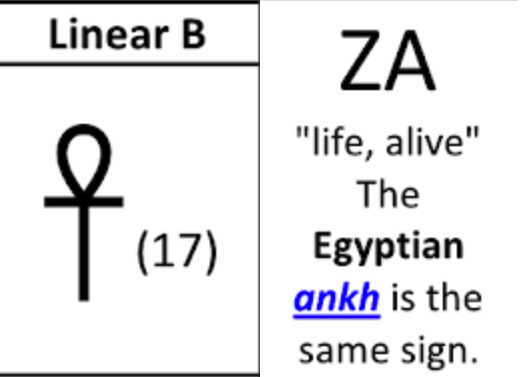
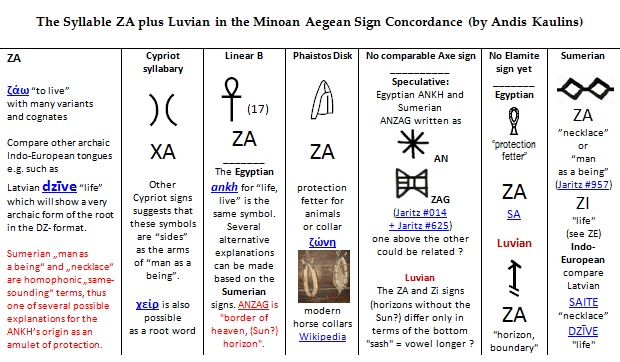
2 EGYPT The sign Ankh has different meanings all in the ugliness of life, for example “ETERNAL LIFE”. I found that the loop would represent eternity and your cross life. In fact the loop can have an additional secondary meaning and can be a handle of the T sign. Https://store.signsofspirit.com/ankh-egyptian-eternal-life- ancient-septre-of-the-pharaoh-tau /? fbclid = IwAR09urjMxPmABFsZZmcUPwTUpYRUPhcYkS_n9YWPQFBmkJhjzYAxE3cQEec << Egyptian hieroglyph of the Eternal Life, known as the Che of the Sept, N and Che of the F, N and Che, This symbol combines “yours” or the T-shaped cross, which means “life” and masculine energy, with the loop or circle representing “eternity” and feminine energy. >>
also in Egypt, this could be a gate to future life:
First of all, Tha expresses himself generating the Word or cosmic Law (Khy), the primordial pattern from which all the beings form naturally, developing by internal laws. Enlightenment for men corresponds to an understanding of Tha’s Law. Tha is omnipresent in his creation (coagulation); according to Adyghe cosmological texts, “his spirit is scattered throughout space”.>>
You wonder if the openings may have anything in common other than the T-shape. In my previous posts I explained my assumption that at 9,500-8,000 B.C. people there, at Gobekli Tepe were in the pagan phase, the T-pillars resembling human figures/human trunks, signified in fact the spirits of life. Spirits generally did not have and do not have a concrete shape, this T-shape being a stylization, essence. Well, it seems that the T-shape of the ancestral spirits spread to other cultures. To pass to the other world the spirits needed an opening, passage, and logically it would be that the gate had the same shape. This would be my hypothesis. Of course anyone it is ustified to ask, (and I would have preferred for a full support): – Why do not appear in other parts (where we have T openings) the spirits of life (or what will be) T-shaped? and – Why don’t we have T-openings in Anatolia?
In domeniul culturilor si civilizatiilor este cunoscut fenomenul transmisiei.Exemplu, transmisia neoliticului sau agriculturii din Orientul Apropiat in Europa.Aceasta se poate produce pe cale demica si/sau culturala.Aici avem de-a face cu ambele. ————————- In postarile precedente am avansat o ipoteza privind semnificatia simbolului sacru T folosit in constructia pilonilor. In rezumat, m-am bazat in principal pe: – acceptia ulterioara a semnului sumerian T:”Me”.Acesta avea o semnificatie complexa,
The List of MEs in the Myth of Inanna and Enki – Angelfirehttps://www.angelfire.com › tintirbabylon › ME << ME este un cuvânt sumerian (probabil pronunțat „mai”) care nu are un singur echivalent în engleză exact >>
– Eu m-am sprijinit pe etimologia dedusa de cercetatorul rus V.V. Emelyanov si anume “vointade a trai“ – faptul ca etapa de dezvoltare a religiei in care se afla populatia de la Gobekli Tepe era aceea de paganism. Paganismul inseamna in mare venerarea naturii. Adaug eu, si a vietii. – Avand in vedere cele de mai sus, semnificatia propusa de mine pentru simbolul T este “SPIRITUL VIETII“.
Sper ca nu mai este necesar sa revin cu precizarea ca pilonul T era templul, in care isi avea salasul spiritul vietii, asemanator cum ulterior templele si bisericile sunt lacasul Domnului. —————– Semnul T se regaseste sub o forma mai mult sau mai putin apropiata in diferite arii, avand semnificatii legate de viata:
— called ME and representing the values: išib, ma, and me — is the root of the verb “to be” in the Sumerian language. Logographic words and compounds, written alone or in conjunction with the ME-sign, deal with the concept of “being,” i.e. a thing’s innate essence.>>
https://www.sumerian.org/prot-sum.htm << me, mì; e: n., function, office, responsibility; ideal norm; the phenomenal area of a deity’s power; divine decree, oracle; cult. v., to be; the Sumerian copula; to say, tell.poss. suffix, our. me3,6,7,9: battle. me6: to act, behave. >>
Este extrem de greu de explicata transmisia din generatievin generatie timp de 6.000 de ani a unor simboluri (de la 9.600 la 3.600 I.E.N.) Insa s-ar putea cumva explica dacacsitulnnu este chiar asa vechi, cum mi-actrecut mie prin cap si cum de exemplu se sustine aici
https://www.researchgate.net › 3174…(PDF) Dating Gobekli Tepe – Research Gate – Dating Gobekli Tepe: the evidence doesn’t supporta PPNB date, but instead a possibly much later one. Dimitrios S. Dendrinos Ph.D.,
EGIPT Semnul Ankh are diferite semnificatii toate in urul vietii, exemplu “VIATA VESNICA”. Am gasit ca bucla ar reprezenta vesnicia iar crucea tau viata.De fapt bucla poate avea o semnificatie de ordin secundar in plus putand fi un maner al semnului T. https://store.signsofspirit.com/ankh-egyptian-eternal-life-ancient-septre-of-the-pharaoh-tau/?fbclid=IwAR09urjMxPmABFsZZmcUPwTUpYRUPhcYkS_n9YWPQFBmkJhjzYAxE3cQEec << Hieroglifă egipteană a Vieții Eterne, cunoscută și sub numele de Septra Antică a Faraonului, cheia vieții, cheia Nilului sau crux ansata. Acest simbol combină „tau” sau crucea în formă de T, care înseamnă „viață” și energia masculină, cu bucla sau cercul care reprezintă „eternitatea” și energia feminină. >>
https://www.ancient-symbols.com/symbols-directory/tau.html << The ancient Greek considered Tau to be symbolic of life and resurrection, while ‘theta’, the 8th letter of the alphabet was used to denote death. In ancient Egypt, the Tau symbol was thought to represent a phallus and was also regarded as the marker for holy waters. Ancient mythology associates the symbol with the Greek deity Attis and the Roman god Mithra or Mithras.>>
MENORCA, SPANIA
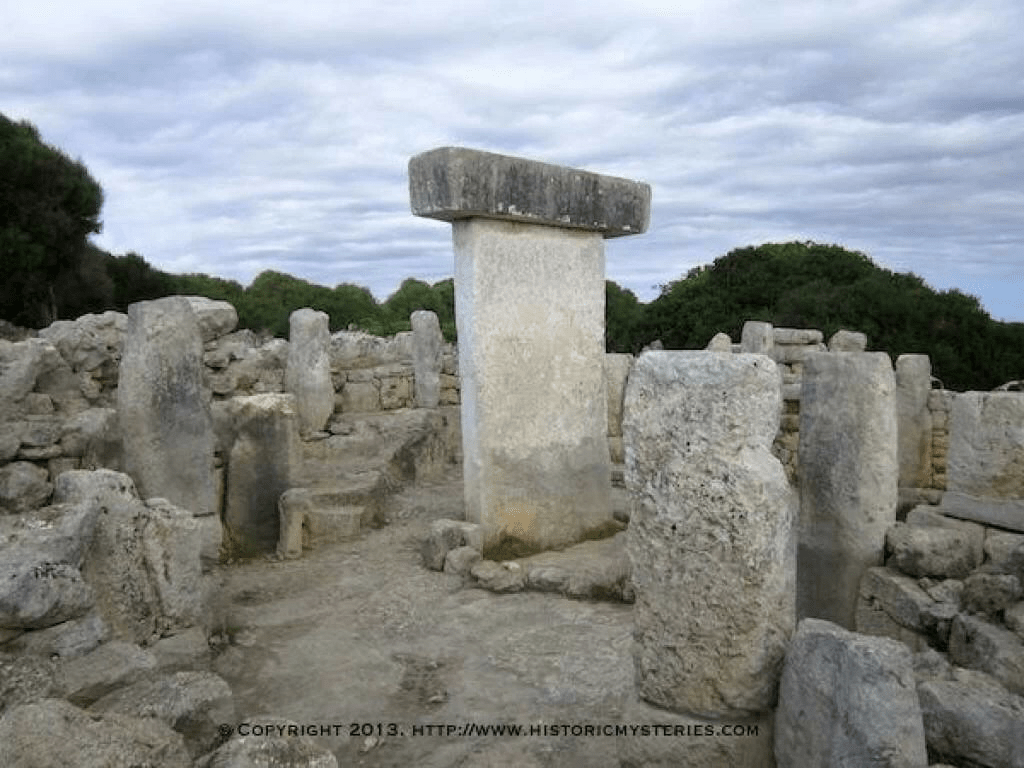
Taulas of Menorca. The Torralba d’en Salort. Image: Historic Mysteries.
wikipedia: Arheologul Michael Hoskin a sugerat ca taulele ar fi putut fi parte a unui vechi cult de vindecare. In acest sens putem asocia desigur vindecarea cu viata.
În primul rând, Tha se exprimă pe sine generând Cuvântul sau Legea cosmică (Khy), tiparul primordial din care se formează în mod natural toate ființele, dezvoltându-se prin legi interne. Iluminarea pentru oameni corespunde unei înțelegeri a Legii lui Tha. Tha este omniprezent în creația sa (coagulare); conform textelor cosmologice adyghe, „spiritul său este împrăștiat în spațiu” >> ======= I P O T E Z A =======
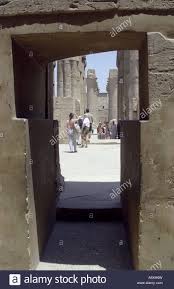
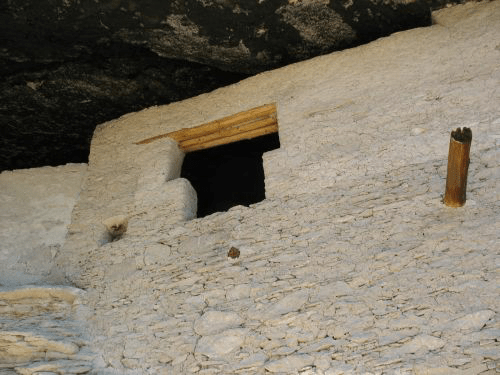
USI, PORTI cu forma T
Am intalnit in Egipt si la Civilizatiile precolumbiene deschizaturi ori intrari in temple in forma de T. https://www.alamy.com/stock-photo/t-shaped-doorways.html
Va intrebati daca deschiderile pot avea ceva in comun inafara de forma T. In postarile mele anterioare am explicitat ipoteza mea, conform careia la 9.500-8.000 B.C. in faza paganista, pilonii T asemanatori unor trunchiuri umane, semnificau spiritul vietii.Spiritele in general nu aveau si nu au o forma concreta, acesta forma in T fiind o stilizare, esenta. Ei, se pare ca forma T a spiritelor stramosilor a difuzat si in alte culturi.Pentru a trece in cealalta lume spiritele aveau nevoie de o deschizatura,trecere, si logic ar fi ca poarta sa aiba aceeasi forma.Cam aceasta ar fi ipoteza mea.Desigur oricine se poate intreba, si as fi preferat si eu pentru o completa sustinere: – De ce nu apar si in alte parti (acolo unde avem deschizaturi T) spiritelle vietii (sau ce or fi) cu forma T? si – De ce nu avem in Anatolia deschideri in T ?
   Tsütunları ve H/I sembolleri
 Daha önceki gönderilerde T şeklindeki sütunların ilahi, kutsal semboller olduğuna dair somut kanıtlar vermiştim. Sütunlar tapınaklardır, aslında Yaşam Ruhu'nun yaşadığı evlerdir. T şekli Sümer proto-çivi yazısı işareti Ben ise ve karmaşık bir anlama sahipse: "ilahi güçler - ilahi karar - (ilahi) arı - ayin - yaşama iradesi", çünkü Göbekli Tepe'nin insanları da karmaşık bir anlama sahipti, ancak esas olarak "Yaşam Ruhu". "Ray Urbaniak, "H" sembolünü çift T şekli olarak yorumluyor. ... Ayrıca Tau'nun yarısının manevi alemde olduğunu da söylüyor." . Daha sonra Urbaniak'tan sonra, H'nin iki T'den oluştuğunu vurgulasaydım, H'nin ve I'nin işaretlerinin aynı zamanda iki T'den oluştuğunu, yine iki Sümer proto-çivi yazılı Me işaretinden oluştuğunu bulan tek kişi bendim!  https://en.m.wikipedia.org/wiki/Me_(mythology)                     https://www.researchgate.net › 3305...
Paradoxes of the Idea of Progress and Cultural ... - ResearchGate
С. 150-174 [Yemelianov V.V. On the Original Meaning of Sumerian ME (Images of ... [Emelyanov V.V. An Answer to the Paper by I.A.   《me:"will to live"》                              "Me", "ilahi güçler = yaşam ruhu" gibi, H ve I'in çok karmaşık semboller olduğunu, yaşam veren İlahi Kozmik Güçlerin sembolleri olduğunu ileri sürdüm.                   Eğer Özgür Barış Etli : "..Yani gizemli "me" sembolünün "Cennet (Gökyüzü) - Dünya bağlantısı: yani hayat var olabilir" ile ilgili olduğunu söyleyebilirim. Şamanik inanışta Dünya yaşam gücünü, Göbekli Tepe bu nedenle önemli bir yer olarak görülmelidir. "               ÷÷÷÷÷÷                   Barış Etli'ye somut deliller (varsayım değil) ve H/I'nin ilahi güçlerin sembolleri olduğu hipotezim var. Gökyüzü ve Dünyayı birbirine bağlayan                       ÷÷÷÷÷÷÷                                  Yani, H ve I sembolleri de 2xT =Me-Me'dir; Meme (Ur-Meme), Gula'nın şifa veren Tanrıçasıydı.        http://oracc.museum.upenn.edu › gu...
Gula/Ninkarrak (goddess) - Oracc 《Relatively minor goddesses such as Nintinugga, Meme and Baba are also identified with Gula/Ninkarrak.》                     Dolayısıyla H ve ben, Onun sembolleri veya onunki gibi ilahi/iyileştirici güçlere sahip şaman sembollerinin ilahi güçleri olabilirdik.
https://aratta.wordpress.com › nippu…
Nippur (E-kur/Duranki): Sümerlerin omphalo'su < Duranki (Dur.An.Ki), Tanrıları tarafından yaratılan insanlar için Sümer terimiydi. Dur, Bond'a çevirir, An gökyüzüdür ve Ki topraktır>
Am gasit o serie de propuneri, una mai nastrusnica ca alta. Par mai degraba neserioase si nu prea par sa aiba legatura cu realitatea.Bine ca gasira țop, mai lipsea țoapa. Din http://enciclopediaromaniei.ro/wiki/Mo%C5%A3i 《 O altă enigmă rămasă fără o explicaţie este originea numelui de “moţ”. Cele mai multe explicaţii privind acest nume indică faptul că românii din munte purtau părul strâns în chică (“moţ”), lăsată să cadă de obicei pe umărul drept. Alţi autori consideră că numele vine de la cuvântul latin “motus”, care înseamnă “răzvrătit”, “rebel”, dacă fiind puternica înclinaţie spre libertate a moţilor. Denumirea de “ţop” are cam aceeaşi explicaţie a părului strâns în chică, numai că acest cuvânt ar putea proveni din limba germană (“tzopf” = chică). Austriecii îi numeau pe moţi “tzopfiger wallachische”, adică “valahi cu moţ”. O explicaţie puţin plauzibilă a numelui de “ţop” ar fi aceea că se zice că moţii nu ar şti să danseze, astfel că la auzul muzicii ei “ţopăie” ca ursul. Acest fapt nu e adevărat, moţii ştiind să danseze la fel de bine ca oricine altcineva.》 — Bine ca gasira țop, mai lipsea țoapa. Uite o tampenia maxima: https://ro.m.wikipedia.org › wiki Țara Moților – Wikipedia 《 „Moți” poate fi o deformare a cuvintelor „munți” (romanic) sau „moji” (slav, care înseamnă « bărbați »; a dat și cuvântul „moși”)》
—-Apoi a inceput sa se faca lumina cand am gasit in doua surse, cumva in doua familii lingvistice acelasi inteles: Proto-Basque:moc Meaning: short Bizkaian:motz Gipuzkoan:motz, motx High Navarrese:motz Low Navarrese:motz Salazarese:motz Lapurdian:motz Baztanese:motz Aezkoan:motz Zuberoan:mutz Roncalese:motz Comments:This word is generally believed to be from Romance (cf. Span.mocho’cut off’, Ital.mozzo, etc.), ult. < an unrecorded Latin mutium(REW 5792). From https://www.wordsense.eu/mozza/ mozzare (Italian) Origin & history From mozzo (“cut off, docked”).verb mozzare1.(transitive) to cut off (the head)
2.(transitive) to dock (the tail) From https://en.m.wiktionary.org/wiki/mozzo Italian Etymology 1mozzo first-person singular present indicative of mozzare Etymology 2 From Vulgar Latin *mutius, from Latin mutilus. Cf. also French mousse, Spanish mocho. mozzo(feminine mozza, masculine plural mozzi, feminine plural mozze)1. cut off (head)2.docked (tail)Etymology 3 Borrowed from Spanish mozo, possibly from Latin musteus.mozzo m (plural mozzi 1.(nautical) ship’s boy 2.boy, lad Etymology4 From latin modium.Doublet if moggio mozzo m (plural mozzi)1.hub, nave 2.boss (of a screw) Picture, https://images.app.goo.gl/Jw42pgM3DuJbVkNu7
Ma gandeam ca poate exista legatura cu “scurt” devreme ce moții par a fi scunzi: Din https://cluj24.ro › inaltimea-romanil… Înălţimea românilor acum 100 de ani. Înalţii moţi erau mici. 1,67 m …
Limba basca nu face parte din nici-o familie lingvistica, dar a existat si exista pe teritoriul celtic. Dar daca motii ar putea avea legatura cu celtii, nu vad cum ar putea sa se exprime depreciativ fata de ei insisi, ca ar fi scurti. Am gasit undeva ca ramurile italica si celtica s-au contopit si astfel s-a format limba latina.Nici nu mai este nevoie sa amintesc ca din latina latina vulgara este de fapt amestecul tuturor limbilor din arealul european si mediteranean din est pana la vest.Mozzo inseamna taietor. Ma gandeam ca majoritatea moților ocupanduse cu taiatul lemnelor, un moț a fost numit de cei din exterior (romani?) “taietor” ..sau “butuc” in sensul de butucanos.
Dinlerin gelişmesinde Göbekli Tepe paganist aşamadaydı, son aşamada tanrılara tapmaya başlamanın delili olmaya başladı. Gelişme şu sırayla her yerde başarılı oldu: animizm, totemizm, samanizm, paganizm. Animizm, tarih boyunca en eski ve en uzun olanıdır, bazı yönleri günümüzde bile mevcuttur. Totemizm varsa, Göbekli Tepe’de en görünür ve hamile olan animizmdi. Şaşırmamak için, animizm sadece ruha tapınmak ya da yeniden başlamak demek değildir, DOĞAYA İBADETLE İLGİLİDİR. İLAHİ VARLIKLAR ARACILIĞIYLA İLAHİ DOĞA ! (… herhangi bir varlık, tanrılar, ruhlar veya iblisler olabilir) Sütunlar cansız taşlar değildi, insanlar veya antropomorfik tanrılar değildi, avcı-toplayıcılar taşları kişiler olarak kavrarlar. Çünkü taşlar, kişilikleri olan ruhları barındırıyordu. İnsan olmayan varlıklar, ruhlar içlerinde yaşar. Çok daha sonra, bir huwasi taşı bir tanrı için kutsalsa ve genellikle bir tapınakta bulunuyorsa, o zaman bu tür yönler daha önce mevcuttu. Sütunları taş insanlarla eşitlemek için sütunların yalnızca minimal antropomorfik özelliklere sahip olması gerekmez. Aksi takdirde (daha fazlaysa, vurgulayarak) önerilen güç ve manevi karakter azalır! Orada Kutsal Höyükte (Sümer Du-Ku) G.T. insanlar bilgi setlerini şamanlar aracılığıyla İlahi güçlerden (Sümer En-lil, efendi-hayalet) alırlar. Ayrıca daha önce (Sümer benzeri) doğaya tapan bereket şenlikleri tutulurdu. T şeklindeki sütunlar, yaşamla doğrudan ilişkili “arı” ve “yaşama iradesi” olan Sümer proto-çiviyazısı işareti Me ile aynı şekle sahiptir.Ama hayat dolu sütunlardan başlayarak, çeşitli yontulmuş canlı hayvanlar ve Kızılcık heykeli ve Urfa-adamı gibi totem-direkler aracılığıyla, hepsi tanrılarla ilk ilişkide değil, yaşamla yakın bağda ışık saçar.
In fact, the topic is animism and sacred stones. Definitions and some exemples throughout history: ANIMISM From https://en.wikipedia.org/wiki/Animism《 Animism (from Latin: anima, ‘breath, spirit, life‘) is the belief that objects, places, and creatures all possess a distinct spiritual essence. … Religious studies scholar Graham Harvey defined animism as the belief “that the world is full of persons, only some of whom are human, and that life is always lived in relationship with others”. … For the Ojibwe encountered by Hallowell, personhood did not require human-likeness, but rather humans were perceived as being like other persons, who for instance included rock persons and bear persons. …. For the Ojibwe, these persons were each wilful beings who gained meaning and power through their interactions with others; through respectfully interacting with other persons, they themselves learned to “act as a person”. … Various animistic cultures also comprehend stones as persons. Discussing ethnographic work conducted among the Ojibwe, Harvey noted that their society generally conceived of stones as being inanimate, but with two notable exceptions: the stones of the Bell Rocks and those stones which are situated beneath trees struck by lightning, which were understood to have become Thunderers themselves.》
From Types of Religions | Boundless Sociology – Lumen Learning …https://courses.lumenlearning.com › chapter › types-of-… 《Animism is the belief that non-human entities are spiritual beings, either intrinsically or because spirits inhabit them.》
From The Vulnerable (Post) Modern Self and the “Greening” of Spiritual Personhood through Life in the Spirit Mary Frohlich https://www.mdpi.com › <<In a much-discussed essay, anthropologist Irving Hallowell recounts asking an Anishinaabe elder about whether all the stones around them are alive. The elder answered “No, but some of them are.” (Hallowell 1960, p. 24) >>
“The most original cult forms of the pre-Hittite period, in which Semitic and Indo-European populations mixed, were found in Göbekli Tepe in southern Anatolia and in Çatalhöyük”
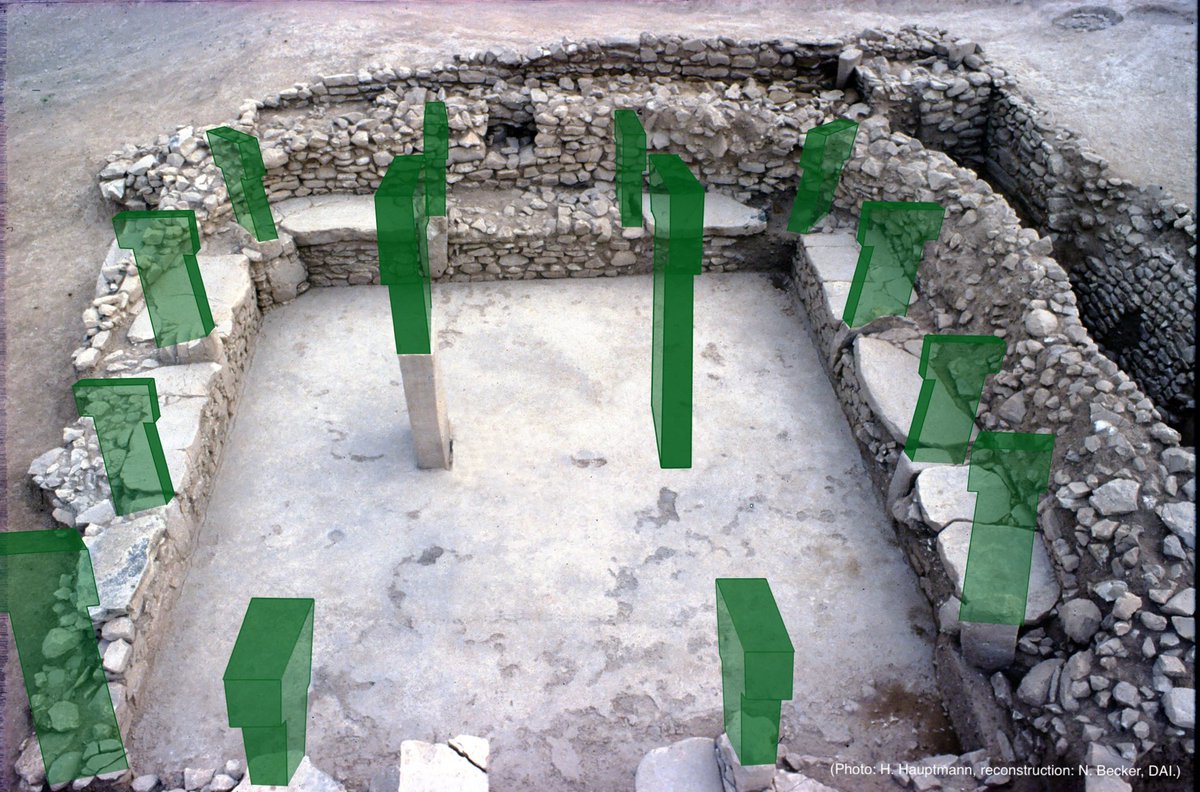
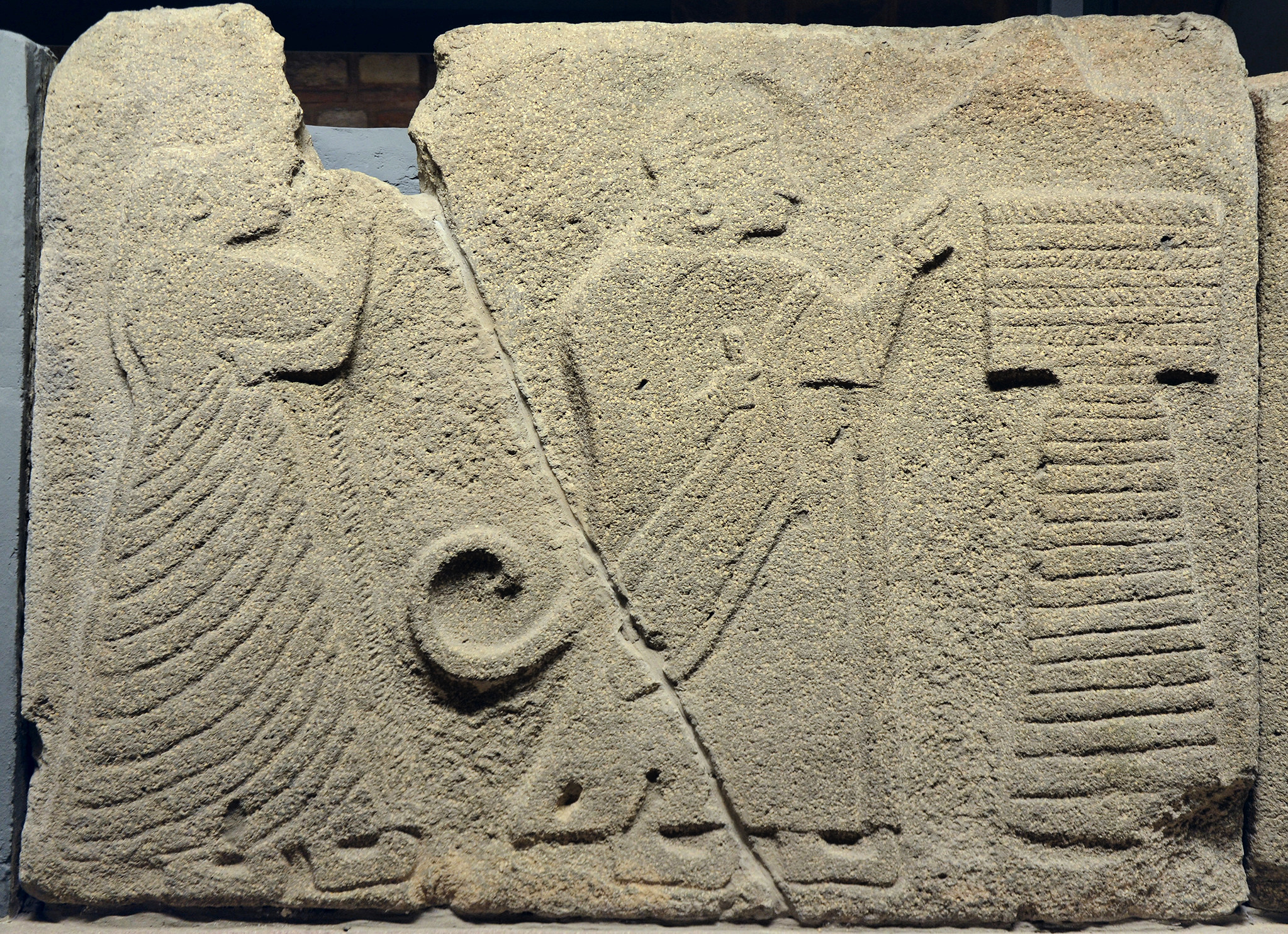
eugenrau: Huwasi stone situated in temple (!?) …. as T-pillars situated in Gobekli Tepe temple/ritualic complex. See folowing picture: Hittite orthostat relief from Alacahöyük depicting a king and a queen in front of the altar. The King carries the kingdom sceptre (lituus) in his right hand and extends his left hand forward for worship. 14th century BCE. Museum of Anatolian Civilizations, Ankara (Turkey).
From https://worddisk.com › wiki › Hittite… Hittite mythology and religion – Wikipedia | WordDisk … for the Hittites often worshipped their gods through Huwasi stones,
From https://www.cambridge.org › part-i Part I – The Cambridge Companion to Ancient Mediterranean Religions In other cases, inanimate objects or fetishes could stand in for the deity, so the cult image might be a stela (huwasi), a weapon (mountain..”
eugenrau:T-shaped Gobekli Tepe pillars/stelae <visa> HUWASI=hittite STELAE ? From https://books.google.ro › books Hittite Texts and Greek Religion: Contact, Interaction, and Comparison Ian Rutherford — 2020 · Religion Huwasi is often translated as ‘ stela ‘ , but they may have varied in shape and .. From https://books.google.ro › books The “Other” Psychology of Julian Jaynes: Ancient Languages, Sacred … Brian J. McVeigh — 2018 · Psychology (NA4) huwasi– grindstone; ritual monument, ritual stone 42. idālawah- to make … lord 45. istanana- a kind of altar 46. iya- to do; to realize; eugenrau: Sumerian and Hittite festivals were continuing Gobekli Tepe’s people feasts and festivals ? From https://books.google.ro › books The Oxford Illustrated History of the Holy Land Robert G. Hoyland, H. G. M. Williamson — 2018 · History 《 The nearly contemporary West Semitic ceremonial texts from Emar, on the Euphrates, as well as texts describing the huwasi festival 》 From https://books.google.ro › books Time at Emar: The Cultic Calendar and the Rituals from the … Daniel E. Fleming — 2000 · Religion Archi concludes that the fundamental celebration of the spring festivals consisted of procession to a huwasi stone and offering that —————– Excerpts from ——— (PDF) ‘Stones with character : animism, agency and megalithic monuments.’, in Materialitas: working stone, carving identity Chris Scarre …https://www.researchgate.net › publication › 279444394_’.. << Some later monuments too have carved motifs, and those motifs may imply they were thought to embody ‘human’ qualities. An ‘animistic’ or ‘anthropomorphic’ reading of these blocks may provide additional insights into the social practices and beliefs which lay behind the construction of megalithic monuments. … Ethnography suggests that prominent landscape features were invested with special significance by prehistoric communities, as sites of mythological or sacred importance. … If those sources were already considered places of power in the landscape, the use of largely unworked blocks may have been a means of visibly appropriating those powers of place. … These are standing stones of north-west France, systematically felled and incorporated into passage graves during the later 5th millennium or early 4th millennium BC. It is clear, however, that they were originally erected in the open air during the 5th millennium BC (Scarre 2007) Far from being ‘brute’ blocks, these stones appear to have been fashioned specifically to evoke elements of the human form. … A good example is provided by the decorated stone immediately inside the entrance to the Ile Longue passage grave (Péquart et al. 1927, pl. 65, 66) (Fig. 3a). … What unites these divergent interpretations is the notion that the representation is in some way anthropomorphic. … Equally, it is important to recognise that stones need have no resemblance to the human form in order to represent humans. … Standing stones may hence in some, and perhaps many, cases represent people. It must be observed, however, that only a minority of them incorporate active representations of the human form. … In a much-quoted study, Alfred Gell drew attention to the way in which inanimate objects, notably ‘idols’, are considered to possess animacy and agency by those who worship them. … Was that agency brought into being only by the act of carving, or did the motif merely strengthen and make manifest a quality of agency that was already immanent in the block before it was carved? … In explaining the agency of idols, Gell provides several descriptions of the actions or ceremonies by which images (which may be only vaguely anthropomorphic in their basic form) can be consecrated, brought to life or renewed (Gell 1998, 144-153). … Yet the aniconic nature of the slabs on which they were carved, the presence of disembodied human features, and the fact that very few of the slabs which make up these tombs are decorated in this way, together suggest that the imagery itself is only a clue to a deeper meaning. We have already mentioned the power and prevalence of anthropomorphism – the tendency to ‘humanise’ objects in the world around us. … More recent studies have redefined animism as the anthropomorphisation of apparently inanimate things (along with animate plants and animals) in the specific sense of social interaction (Bird-David 1999). … There is indeed a major methodological problem, since the attribution of life to an inanimate object would be difficult to determine unless that object were modified in some way. … The key feature of megalithic blocks is their size, and it is by their size that they communicate power and fix the attention. … Mircea Eliade emphasised the cross-cultural ‘power’ that stones exercise on the human imagination, observing that “[m]en have always adored stones simply in as much as they represent something other than themselves” (Eliade1949, 216). Eliade saw those stones that are associated with burial as serving as a prison or dwelling for the souls of dead, who might otherwise trouble the living (Eliade 1949, 219). It is clear that among many traditional societies, individual stones are considered to enclose human-like identities or life-forces. … Were these blocks considered to contain forces or qualities that were conceptualized partly in anthropomorphic terms? In some cases, it may have been those special qualities that were made manifest through shaping or the addition of carvings. Such modifications would have accentuated the active character of the block; but the scarcity of more naturalistic human representations indicates that it was felt sufficient merely to suggest. … It may be misleading to draw a sharp distinction between those stones which to our eyes are clearly anthropomorphic, and those which are not. It is the carving and shaping of megalithic blocks, however, that suggests most clearly that they may have been endowed with human-like qualities, or that the powers they incorporated were thought of in at least partly human terms. That in turn implies that they possessed agency, the perceived ability to act upon and interact with the world of the living. … Nonetheless, the possibility exists that some of these stones relate to a world of animistic powers that were conceptualised in human form. >> – – – – – – C O N C L U S I O N S – – – – – In developement of religions, Gobekli Tepe was in paganist stage, at the last stage, beeing evidences to begin to turn to gods worshiping. Developement succeded everywhere in the folowing order: animism, totemism, samanism, paganism. Animism is the oldest and longest throughout history, some aspects beeing present even nowdays. If totemism was present, animism was the most visible and pregnant at Gobekli Tepe. Not to be confused, animism does not mean only or resume to spirit- worship, IT IS ABOUT NATURE WORSHIPING. DIVINE NATURE THROUGH DIVINE ENTITIES ! (… whatever entities could be, gosths, spirits or demons ) Pillars were not lifeless stones, nor humans or antropomorphic gods, hunter-gatherers comprehend stones as persons. Because stones were inhabiting spirits, wich had personality. Non-human entities, spirits inhabits them. If much later, a huwasi stone is sacred to a deity and is usually situated in a temple, then the more such aspects existed earlier. To equate pillars with stone persons, pillars does not need to have only minimal antropomorphic traits. Otherwise (if more, by accentuation) sugested power and spiritual character would diminish ! There at the Holy-Mound (sumerian Du-Ku) G.T. people receive from Divine powers (sumerian En-lil, lord-ghost) through shamans the sets of knowledge. Also there were kept earlier (sumerian-like) nature worshiping fertility festivals. T-shaped pillars, has the same shape as sumerian proto-cuneiform sign Me, wich ment “beeing” and “will to live” so direct related to life. But beginning with pillars full of life through various sculptured living animals and totem-poles like Kilisik-Adiyaman sculpture with a hole and child in front and Urfa-man,
So-called Urfa Man is considered the oldest known life-sized sculpture of a man (Photo: J. Notroff, DAI).
…all not induce awe or reflect in the first time relation to divinities but rather a close connection with life.Also composite sculpture with two childs in front:
..Urfa-man, quite common, ordinary looking person at best some local Ensi(sumerian for ruller..see collar) or respected ancestor. … If somebody is no convinced how could be related stones to life, here you have nowdays: https://teara.govt.nz/en/photograph/11584/mauri-stone
This mauri stone depicts Horoirangi, a female ancestor in the Rotorua area. Such stones were believed to maintain mauri (life force) in areas which provided food. Horoirangi was carved into a cliff face to preserve the fertility of her people’s lands. Later the stone was removed from the cliff so it would not be stolen.
Semnul iese la suprafată doar din preistorie si mult mai frecvent în timpurile ulterioare, când a fost folosit în scris. Destul de ciudat, apare frecvent pe pilonii in T de la Gobekli Tepe în două forme, H si I. Eu nu mi-am putut explica cum ar putea sa fie transmise niste simboluri timp de 6.000 de ani din generatie in generatie? (de la 9.600 la 3.500 zI.E.N.) Numai (ma gandeam) daca situl de la Gobekli Tepe nu este chiar asa de vechi, dupa cum sustine profesorul Dimitrios Dendrinos: https://www.researchgate.net › 3174…(PDF) Dating Gobekli Tepe – ResearchGate — Dating Gobekli Tepe: the evidence doesn’t support. a PPNB date, but instead a possibly much later one./ Dovezile nu sustin o datare PPNB, dar în schimb una posibil mult mai târzie
Dacă încercați să găsiți originea sau cel puțin o sursă de inspirație pentru semnul H pe Pământ și pe Cer, va fi foarte greu de găsit, mai ales într-un trecut atât de profund. Nu ar putea fi un fosfen sau o ieșire instantanee din mintea cuiva. Au existat alte propuneri si explicații pentru semnele H la Gobekli Tepe: – Fiind o pereche, doi oameni uniți; – H compus din două semne T (Ray Urbaniak). – Acesta de mai sus, în opinia mea, înseamnă si două semne proto-cuneiforme sumeriene T = eu, eu-eu (sub + deasupra = cosmos). – Simbolul Luwian în formă de „H” este logograma pentru PORTA („poartă”; Petra Goedegebuure, comunicare personală). Nu atât de multi semeni dtiu că strămosul literei H latine / grecești erau următoarele semne: – semne elamite liniare da,
H, Heth și Ku au toate aceeasi schiță, în funcție de modul în care se unesc 6 puncte.
alphabet_chart_hhet_2.jpg
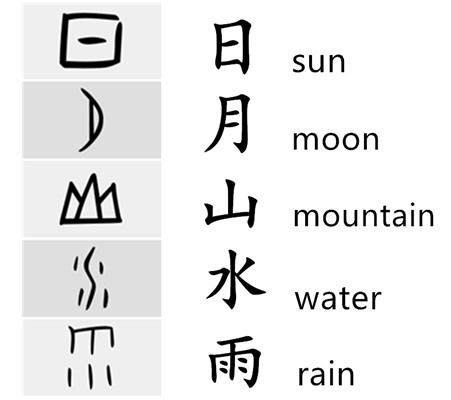
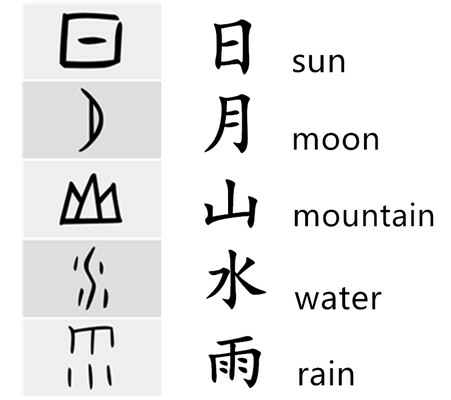
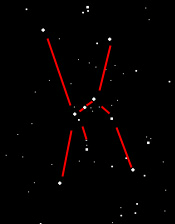
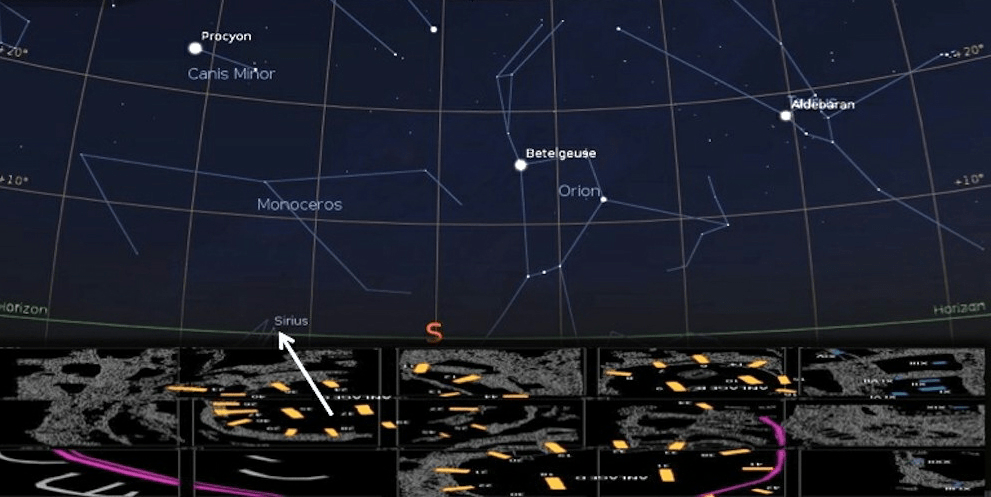
Dar ceea ce este mult mai important este faptul că acesta este aspectul pătrat al formei constelației Orion. Această formă asemănătoare „scării” este legată în tradiția egipteană cu cerul / viața viitoare De la https://en.m.wikipedia.org / wiki / Osiris “Prin speranța unei vieți noi după moarte, Osiris a început să fie asociat cu ciclurile observate în natură, în special vegetația și inundațiile anuale ale Nilului, prin legăturile sale cu creșterea heliacală a Orionului și a lui Sirius la începutul noului an. ” În vechea scriere chineză este legată de strălucire și lumină (vezi forma veche a ideogramelor soarelui și lunii). Să nu treacă neobservat ideogramele „de sus” și „sub” care sunt jumătate de semn H! ——– Nu este de mirare că forma H / Ku a apărut în cultura PPNA a lui Gobekli Tepe în două cazuri: ca simboluri H pe stâlpi și ca semnele Ku / Ladder / gate în așa-numitele găuri de hublou.
—— Indiferent ce a fost prima: cea mai mare pe cer, constelația Orion; „lumina” ur sumeriană (Uru-An-Na, lumina cerului), sau vreun semn antic pentru ușă, poartă / poartă
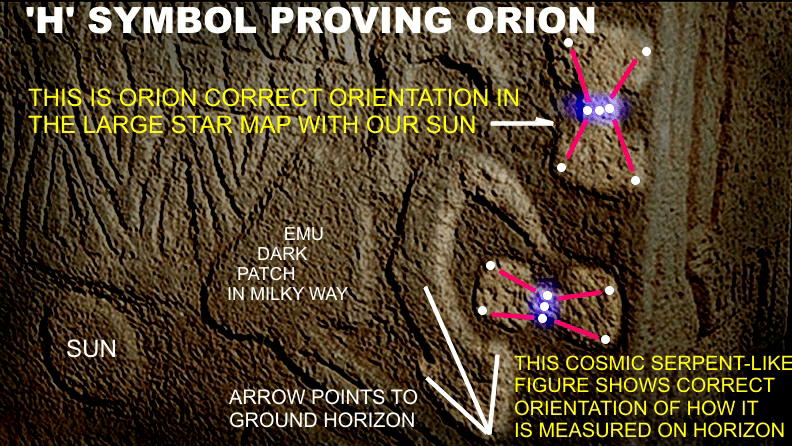
Din https://ttlawson.com › in-plain-sight-…In Plain Sight: The identity of the Twin Pillars of Göbekli Tepe << Mă aventurez ca, la fel cu „O” și „C”, „H” reprezintă, de asemenea, o figură cerească și, în plus, un candidat probabil ar fi Orion – o constelație extrem de vizibilă și recunoscută pe scară largă. Orion poate fi vizualizat ca un „H.” Un rând de trei stele strălucitoare, „centura lui Orion” ușor identificabilă, ar constitui traversa, cele mai strălucitoare patru stele din constelație servind în perechi drept montanți, formând, aproximativ în paralel, două linii drepte imaginare. o serie de interpretări tehnice ale configurațiilor cerești având legătură cu Göbekli Tepe, multe cu privire la poziționarea structurilor în sine în raport cu evenimentele cerești. Acestea au sprijin în orientarea Stonehenge și a altor monumente ale epocii de piatră în ceea ce privește solstițiile. Găsirea „H” a emblemei lunii pentru a reprezenta Orion este de un alt fel, dar prezintă o nedumerire legată de timpul și locul observatorului. Așa cum se întâmplă, datorită precesiunii echinocțiilor, în 9000 î.Hr. Orion ar fi fost vizibil pe cerul sudic la Göbekli Tepe doar de la centură în sus. Cu toate acestea, acest lucru nu trebuie neapărat să stea în calea interpretării. Constelația ar fi fost vizibilă în întregime în sudul Mesopotamiei.Și au intrat în joc la sfârșitul paleoliticului superior și neoliticului niveluri ridicate de comunicare și schimb intergrupal în întreaga regiune: „Aceasta era o lume extrem de conectată. Au existat mai multe canale de comunicare de-a lungul cărora un repertoriu simbolic s-ar fi putut răspândi și reînnoi ”(Hodder și Meskell, 2011, p. 259). Prin urmare, nu este deloc plauzibil ca constelația în întregime să fi devenit un element fix în imaginația umană în întreaga regiune, chiar dacă Orion era vizibil în întregime doar într-o parte a acesteia. Mai mult, o figură atât de strălucitoare și distinctivă pe cerul nopții, precum Orion, ar invita la interpretare. Luați în considerare faptul că cineva de astăzi, ridicându-și privirea spre Orion, nu ar fi, fără a fi explicat într-un fel sau altul, să evoce imaginea unui vânător puternic.Că constelația este văzută ca atare, totuși oferă un alt motiv pentru ideea lui Orion: Orion este descris în mit ca un tovarăș de vânătoare al Marii alte zeițe Artemis – a cărei emblemă era semiluna – și care era, de asemenea, zeița vânătoarea. O altă stea deosebit de strălucitoare, Sirius, este direct asociată cu Orion, care apare în linie dreaptă din centura distinctivă a lui Orion. Numit „Steaua câinelui”, este legat în legendă de Orion ca unul dintre câinii săi de vânătoare. Luate, aceste conexiuni ar trebui să justifice un tratament provizoriu al „H” ca simbol pentru Orion, cel puțin până când se poate prezenta o explicație mai sigură.Semiluna lunii care se ridică recent înainte de zori este orientată spre orizontul estic din care se naște, așa cum ar putea fi un arc îndoit pentru a trimite o săgeată înapoi în acea direcție. Prin contrast, arcul semilunii lunii în creștere văzut înainte de apusul soarelui indică în direcția opusă, spre orizontul vestic în care se scufundă. Cele două „C” care încadrează figura „H” de pe centura stâlpului lunii ar replica cu acuratețe, prin urmare, poziționarea unei figuri astrale precum Orion – sau alta, Calea Lactee, de exemplu – ca fiind în picioare între semilunile opuse. deoarece ar putea fi meditați la răsăritul zilei și la amurg de către scanere antice ale cerului de noapte. >> eugenrau: Legat de extinderea vizibilității Orion, culturile Kebaran și Natufian s-au extins în principal în sudul Mesopotamiei. Din Gobekli Tepe and rebirth of Sirius http://www.andrewcollins.com
PROTOTIPUL SUMERIAN, VECHI CHINES, FENICIAN, LINEAR A ȘI TOATE SEMNELOR ASEMĂNĂTOR H (CARE MENTĂ STRĂLUCEȘTE, LIGT) SE GĂSEȘTE LA GOBEKLI TEPE 9.600 î.Hr. ! Legat de scopul și semnificația semnului, presupun că: – a fost folosit în ritualurile moartii, ritualuri legate de cultul strămoșilor (seelenloch = gaura sufletului; vezi hublourile templului) și posibil în astronomie / calendare. – semnificația exactă era posibilă, chiar de atunci. Cel puțin nu era un nume pentru Orion. Dacă ghiciți o semnificație a semnului, acesta ar putea fi: „strălucitor, ușor” … (poarta cerului?) În timp ce vânătorii-culegători Gobekli Tepe practicau înmormântarea cerului, este firesc să ne așteptăm să caute viața de apoi în cer. Orion, cea mai mare constelație vizibilă ar fi putut fi poarta, portalul prin care trebuiau să treacă. Documentație https://symbolsage.com/sumerian-gods-list/ “Gula, cunoscută și sub numele de Ninkarrak, a fost zeița vindecării, precum și patronul medicilor. Era cunoscută sub mai multe nume, inclusiv Nintinuga, Meme, Ninkarrak, Ninisina , Și „doamna lui Isin”, care au fost inițial numele altor zeițe. ” * Că semnele H și I ar putea fi văzute ca fiind compuse din două semne T, nu am nicio prioritate pentru ideea Puterea cosmică a șamanului și simbolurile la Göbekli Tepe – Partea II De Özgür Etli OZGUR BARIS ETLI << Sunt Ozgur Baris Etli, m-am născut în EskiÅŸehir, Turcia. Am finalizat atât programul meu de licență, cât și programul de masterat în astronomie și științe spațiale la Universitatea Ege, Äzmir, Turcia. Teza mea de licență a fost despre exoplanete și teza de masterat despre căutarea bio-moleculelor în … Citește mai mult >> Din https://www.ancient-origins.net/opinion-guest-authors/cosmic-power-shaman-and-symbols-g-bekli-tepe-part-ii-005194?fbclid=IwAR3VFECUBQyfaWWEbsgMCgaYCMwDHEwJ87PsWcyzfJABMtoLDe0qynAWGDYPuterea cosmica a samanului …… Simbolul „H” nu este doar un simbol monolitic în sine. Se compune din două părți, pe care le putem defini ca Tau … Ray Urbaniak interpretează simbolul „H” pentru a însemna forme duble T. Două forme de T unite formează un T. dublu. El mai spune că Tau reprezintă jumătate din lumea spirituală. Deci, ne putem imagina că simbolul „H” constă din două simboluri Tau. În opinia mea, ambele simboluri laterale de lângă simbolul „H” reprezintă soarele care răsare și apune. … Utilizarea pe scară largă printre popoarele americane indigene a formei Tau inversate și verticale ca embleme ale celor de sus și de jos este dovedită din abundență și a apărut, fără îndoială, la fel de natural ca și caracterele chinezești „Shang: Deasupra”, folosite ca simbol pentru cer, și „Lea: dedesubt sau sub”, folosit ca simbol pentru pământ. Conexiunea dintre Cer și Pământ reprezintă creația inocenței și acest lucru este reflectat de linia centrală. …. Așadar, pot sugera că misteriosul simbol „H” este despre o legătură „Cer (Cer) – Pământ: deci viața ar putea exista”. În credința șamanică, Pământul își ia forța vieții din cer prin cordonul ombilical. Din acest motiv, Göbekli Tepe ar trebui văzut ca un site important. (Interesant este că în turcă „Göbek” înseamnă „Buricul”). …. Se crede că forța vieții este întotdeauna acolo, dar nu întotdeauna vizibilă. Se crede că este vizibil în anumite zile ale anului. Aceste zile sunt echinocțiul și zilele solstițiului. Pe de altă parte, simbolul „H” sau „Me” înclinat poate fi legat de conexiunile Est-Vest, Femeie-Om sau Zeiță-Dumnezeu. …. În acest caz, șamanul poate fi servit și ca o punte ritualică între pământ și cer. >>
Contribuția mea la dezvoltarea științei, pentru care nu am găsit ideea altcuiva, a fost că am afirmat ca FORMA T A FOST LA ORIGINEA SEMNULUI SUMERIAN PROTO-CUNEIFORM ULTERIOR : ME=„PUTERI DIVINE” Deci, două semne T combinate dând formă lui H și I, care este puterea divină multiplicată și semnifică legatura intre sus si jos, PUTEREA TOTALĂ, ȘAMANICĂ = PUTEREA COSMICĂ
Interesant este ca sumerienii aveau cunostinta de o asemenea legatura: https://aratta.wordpress.com › nippu… Nippur (E-kur/Duranki): The Omphalo of the sumerians < Duranki (Dur.An.Ki) a fost termenul sumerian pentru oamenii care au fost creați de zeii lor. Dur se traduce prin Bond, An este cer și Ki pământ>
…… Pământul a fost imaginat plat in acele timpuri, iar cerul ca un acoperiris plat, nu curbat. Cerul și Pământul au fost unite printr-o legatura in mijlocul semnelelor H și I, ca un mat de buric. Gobek / lb.turca = “buric”
Notă. 1. MeMe este Me reduplicat, iar dacă Me este putere divină, meme va fi pluralul, puteri divine. A existat o divinitate feminină sumeriană Bau, Baba, Ur-Bau sau Ur-Meme cunoscută și sub numele de Gula. Gula este în sumeriană “putere” (aproape de Gyula maghiară). De la https://www.worldhistory.org/Gula/ <<Gula (cunoscută și sub numele de Ninkarrak) este zeița babiloniană a vindecării și patronă a medicilor, a artelor vindecătoare și a practicilor medicale. Ea este atestată pentru prima dată în perioada Ur III ( 2047-1750 î.Hr.) unde este menționată ca o mare zeiță a sănătății și bunăstării …. Numele ei (Gula) înseamnă „Mare” ..>> „Deci vedeți acel semn H, compus din două T = eu = putere divină este meme care înseamnă Gula, puteri. 2. Ur-Meme a fost un fel de medic, om-medic(al) = șaman Din https://cz.stories-college-science.rest ›… Citește online Zeița vindecătoare Gula către o înțelegere … << Vindecarea – vindecarea sufletului sau corpului cuiva spre sănătate, șaman, om medicinal, … Gula / ninkarrak este o zeitate vindecătoare ..>> “Forma” T “și pilonii T a fost asociată și chiar mai mult, identică cu sacrul. Aproape același lucru a fost adevărat pentru simbolurile H și I, erau simboluri sacre.
 Despite great time span between this civilisations of 6,000 years,(from 9,600/Gobekli to 3,600/sumerian).I not comprehend how cultural achievent (symbols and marks) have been continously transmitted from generation to generation such a long time. As knowing well sumerian proto-cuneiform signs, I was shocked finding some of them at Gobekli Tepe. There are many of them, e.g. those handbags,sign T,sign H, and so on. In my mind aroused a quick explanation, as Gobekli Tepe not beeing so old or was in contact /visited by (proto?) sumerians a long time period. Very interesting, as allmost all scientists are for very old dates (level III, beginning at PPNA)







 e: n., function, office, responsibility; ideal norm; the phenomenal area of a deity’s power; divine decree, oracle; cult. v., to be; the Sumerian copula; to say, tell.
 poss. suffix, our. me3,6,7,9: battle. me6: to act, behave. >> The Nostratic Macrofamily (with special reference to Indo …
 https://en.m.wikipedia.org/wiki/Me_(mythology) https://www.researchgate.net › 3305...
Paradoxes of the Idea of Progress and Cultural ... - ResearchGate
С. 150-174 [Yemelianov V.V. On the Original Meaning of Sumerian ME (Images of ... [Emelyanov V.V. An Answer to the Paper by I.A. 《me:"will to live"》 "Me", "ilahi güçler = yaşam ruhu" gibi, H ve I'in çok karmaşık semboller olduğunu, yaşam veren İlahi Kozmik Güçlerin sembolleri olduğunu ileri sürdüm. Eğer Özgür Barış Etli : "..Yani gizemli "me" sembolünün "Cennet (Gökyüzü) - Dünya bağlantısı: yani hayat var olabilir" ile ilgili olduğunu söyleyebilirim. Şamanik inanışta Dünya yaşam gücünü, Göbekli Tepe bu nedenle önemli bir yer olarak görülmelidir. " ÷÷÷÷÷÷ Barış Etli'ye somut deliller (varsayım değil) ve H/I'nin ilahi güçlerin sembolleri olduğu hipotezim var. Gökyüzü ve Dünyayı birbirine bağlayan ÷÷÷÷÷÷÷ Yani, H ve I sembolleri de 2xT =Me-Me'dir; Meme (Ur-Meme), Gula'nın şifa veren Tanrıçasıydı. http://oracc.museum.upenn.edu › gu...
Gula/Ninkarrak (goddess) - Oracc 《Relatively minor goddesses such as Nintinugga, Meme and Baba are also identified with Gula/Ninkarrak.》 Dolayısıyla H ve ben, Onun sembolleri veya onunki gibi ilahi/iyileştirici güçlere sahip şaman sembollerinin ilahi güçleri olabilirdik.
https://aratta.wordpress.com › nippu…
Nippur (E-kur/Duranki): Sümerlerin omphalo'su < Duranki (Dur.An.Ki), Tanrıları tarafından yaratılan insanlar için Sümer terimiydi. Dur, Bond'a çevirir, An gökyüzüdür ve Ki topraktır>
https://en.m.wikipedia.org/wiki/Me_(mythology) https://www.researchgate.net › 3305...
Paradoxes of the Idea of Progress and Cultural ... - ResearchGate
С. 150-174 [Yemelianov V.V. On the Original Meaning of Sumerian ME (Images of ... [Emelyanov V.V. An Answer to the Paper by I.A. 《me:"will to live"》 "Me", "ilahi güçler = yaşam ruhu" gibi, H ve I'in çok karmaşık semboller olduğunu, yaşam veren İlahi Kozmik Güçlerin sembolleri olduğunu ileri sürdüm. Eğer Özgür Barış Etli : "..Yani gizemli "me" sembolünün "Cennet (Gökyüzü) - Dünya bağlantısı: yani hayat var olabilir" ile ilgili olduğunu söyleyebilirim. Şamanik inanışta Dünya yaşam gücünü, Göbekli Tepe bu nedenle önemli bir yer olarak görülmelidir. " ÷÷÷÷÷÷ Barış Etli'ye somut deliller (varsayım değil) ve H/I'nin ilahi güçlerin sembolleri olduğu hipotezim var. Gökyüzü ve Dünyayı birbirine bağlayan ÷÷÷÷÷÷÷ Yani, H ve I sembolleri de 2xT =Me-Me'dir; Meme (Ur-Meme), Gula'nın şifa veren Tanrıçasıydı. http://oracc.museum.upenn.edu › gu...
Gula/Ninkarrak (goddess) - Oracc 《Relatively minor goddesses such as Nintinugga, Meme and Baba are also identified with Gula/Ninkarrak.》 Dolayısıyla H ve ben, Onun sembolleri veya onunki gibi ilahi/iyileştirici güçlere sahip şaman sembollerinin ilahi güçleri olabilirdik.
https://aratta.wordpress.com › nippu…
Nippur (E-kur/Duranki): Sümerlerin omphalo'su < Duranki (Dur.An.Ki), Tanrıları tarafından yaratılan insanlar için Sümer terimiydi. Dur, Bond'a çevirir, An gökyüzüdür ve Ki topraktır>




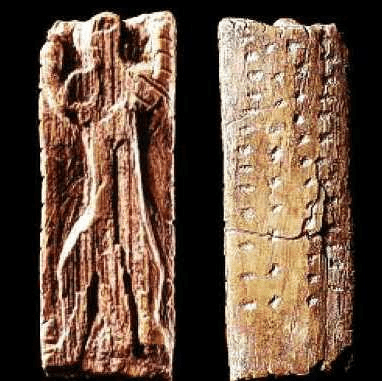


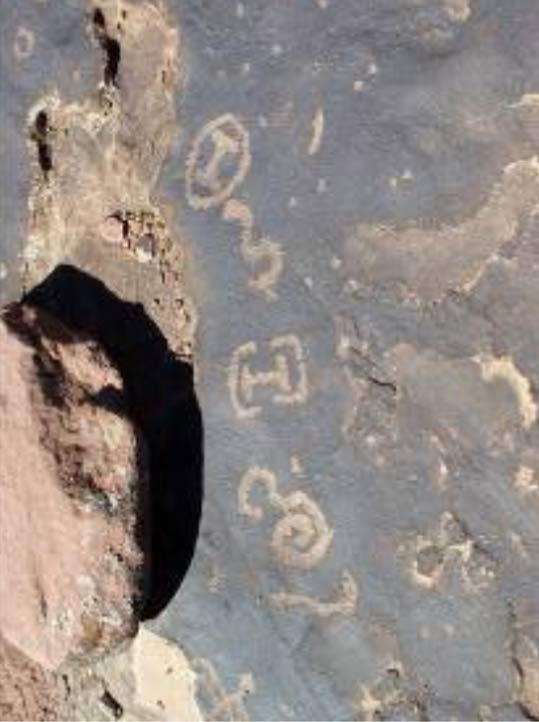
 Tartaria tablets