Archive for the ‘Tartaria tablets’ Category

Symbols T,H,I close meanings in Gobekli Tepe and Mesoamerica /South-West North-America

December 5, 2021

I found two papers in wich are discussed T-glyphs/symbols and T-doors in America: America’s T-doors. Between the Sumerians, Egyptians, Mayans and ancient Japanese – deciphering the IK glyph Matthias Ifejika https://www.academia.edu/resource/work/19045742 and: Ik’ WAY: The Mayan Origin of T-Shaped Doors in the North American Southwest Mark Callis https://www.academia.edu/resource/work/44957771
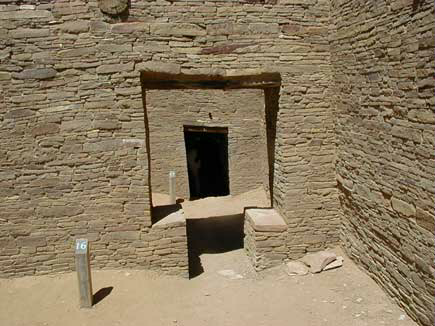
Interesting enough despite the scientists are sure that T-symbol is “Iku“, also sure that is related to wind,soul,life. If there are hundred of T-doors, the authors not made any connection of the soul with the door. Nor with the afterlife. Only tangential with death. “As for Mesoamerican, all I know is that in the Maya case it may have something to do with the written representation of the word ” ik’ ” which means wind, breath, or life.”

https://www.jstor.org › stableSome Observations on T585 (Quincunx) of the Maya Script – jstor 《 Abstract .The Maya glyph IK (ik’) is found in structurally similar positions to the Maya quincunx glyph, which is known to have a phonetic value bi or be. Since ik’ is life, spirit, breath, wind in Mayan languages, it is noteworthy that bi/be means life, breath, spirit in Zapotecan languages, possible descendents of the language of Monte Alban in the Valley of Oaxaca, where the quincunx glyph is found quite early. Thus, it is conceivable that the Maya quincunx glyph with its sound value be was borrowed in both form and sound value from Zapotecans, suggesting that be is also the sound value of that glyph in the “Zapotec” script. It is further suggested that in Zapotec the quincunx was a logogram representing be life, breath, wind whose meaning carried over into at least the quincunx part of a “death” expression in the Maya inscriptions, and perhaps elsewhere in the Maya script. Additional connections of the quincunx and IK glyphs are pursued.》

In fact that doors were made and intended for exit (in the case of houses), passing the souls through them. Wikipedia/ soul hole :<<…an “entrance and exit opening for the soul of the deceased”. … the opening made in the locking stones of so many megalithic graves .” …. megalithic graves were “heavy spell housings against the demonic power of the living corpse and at the same time seats of the separated souls, for which a small opening – the so-called soul hole – was left in the stone structure, where the anima could secretly slip in and out. ” The term was used in archeology and ethnology , but is considered out of date. The German word “Seelenloch” is also used in English-language publications. >>
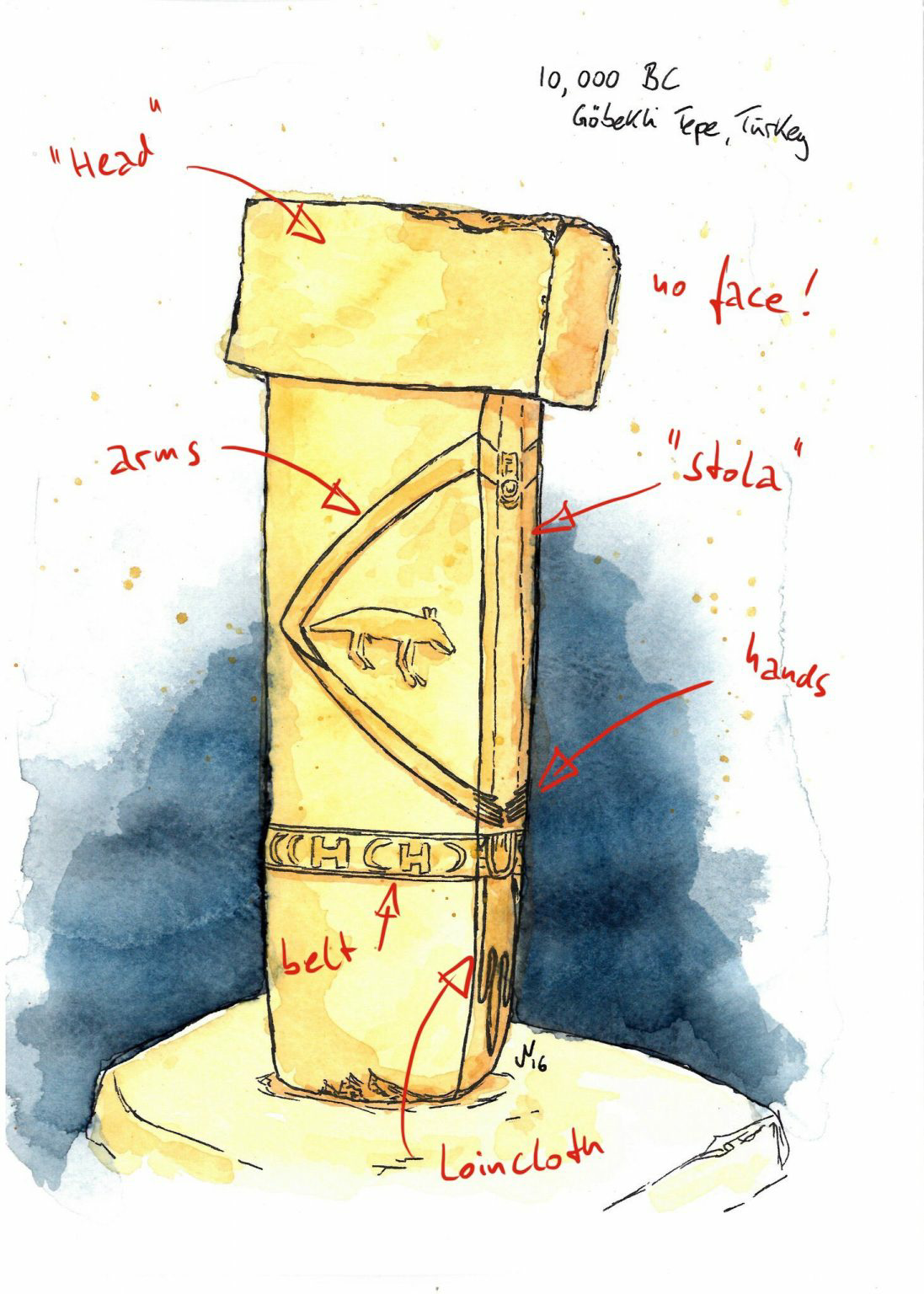
The shape is an abstraction of human torso because the hole must to acomodate the passing of something close to human body.Probably the spirit of the dead was amorphe, only by far ressembling the shape of human body. Very interesting, Gobekli Tepe T-pillars (upon scientists are abstract reflections of human body. As a result of my extensive study are related to sumerian proto-cuneiform sign Me:”to be,being”. Pillars were inhabiting life spirits, (as if they had souls).
I must explain that nowdays the spirit is equated with soul.I propose to consider spirit more as an essence, the abstract aspect. Soul, close to our senses and physiology, everyday life, breath. As animists consider that everything (living or objects) has its spirit but only animated,living beings has souls. I sustain that the American T-doors have the function of seelenloch=soul holes, present in many megalithic constructions throughout the World. Doors were thought as for exit, passage of the souls to the othe World. ====== From angelfire.com zThe breath of life symbol of the Maya I’K zthe T shaped symbol

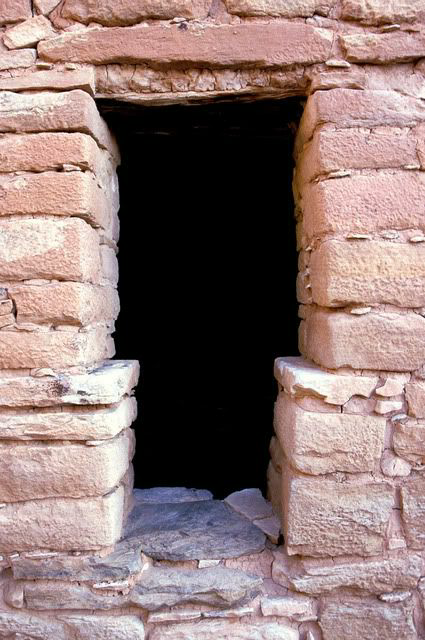
“T” Shaped Window at Palenque

<< In the Mayan tradition, “I’q” is the Breath, the Air, the Spirit.The symbol of “I’q” is drawn as a T, representing a doorway into the spirit world and other dimensions. The T forms half of a cross (the World Tree) and the other half lies in the spirit world.Many of the Mayan temples have windows and doorways in the shape of a T. They are not only physical doorways but are also spiritual doorways (a portal into the spirit world).

Just as air is exchanged in the lungs, so our consciousness exchanges thoughts, ideas and experiences with the spirits by going through the zero point. Through the breath, we can gain a clearer perspective of reality, create a state of serenity and peace and journey through the corridor of our consciousness.>>

T-SHAPED DOORWAYS, BALLCOURTS, PIPETTES, AND THE WIND: Peter Faris Aurora Colorado https://rockartblog.blogspot.com/2021/08/t-shaped-doorways-ballcourts-pipettes.html?m=1
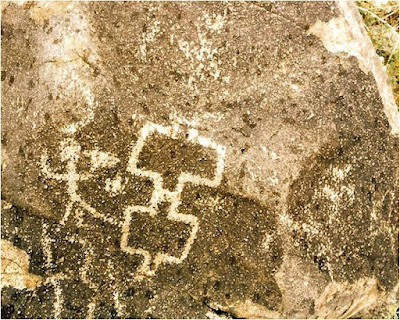
Pipette, Cochise County, Arizona. Photograph from Arizona Memory Project.

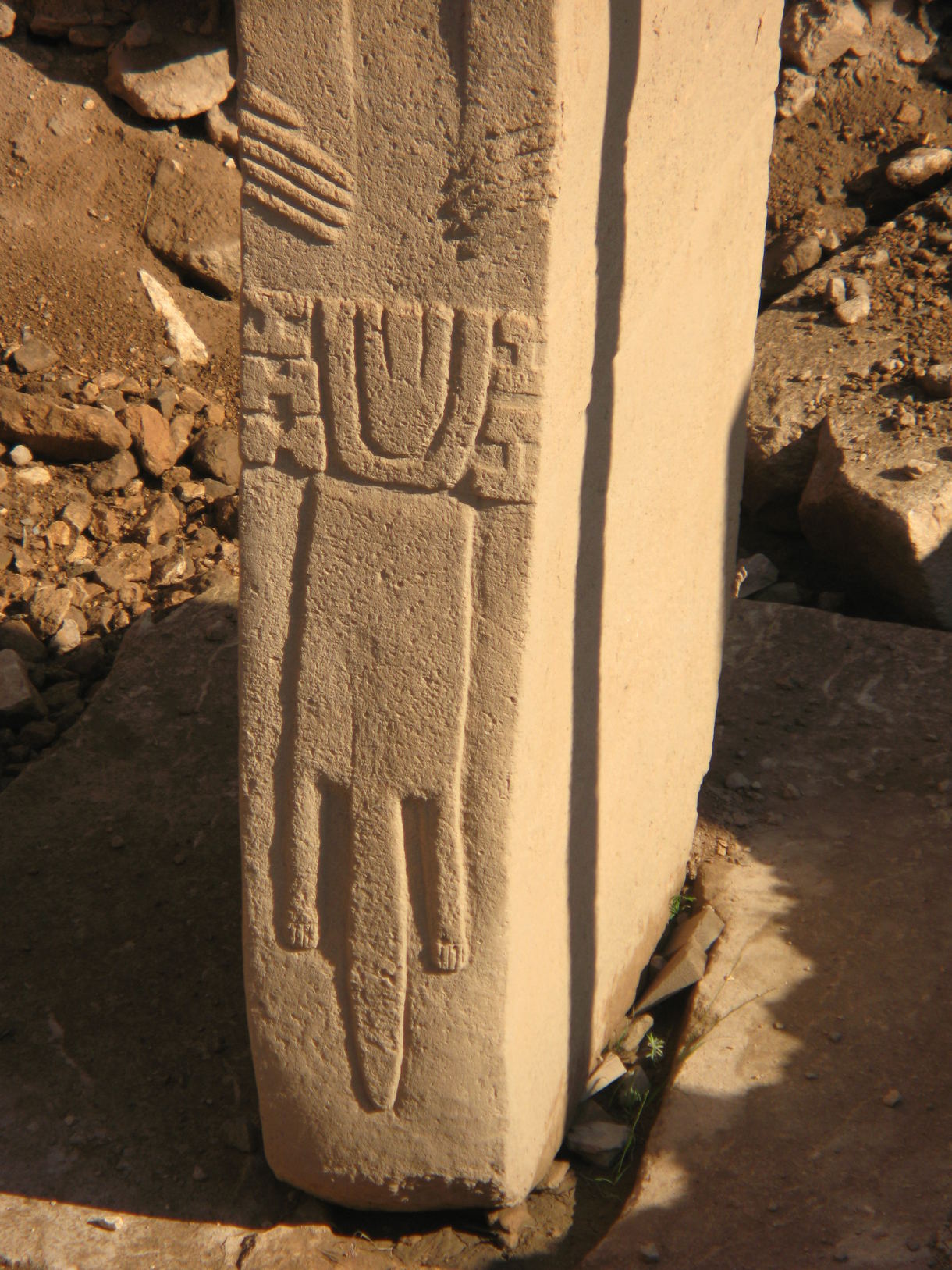
Symbols H and I are the same basic shape, one is another turned 90deg. In America’s the above author name them “ballcourts” and “pipettes”.From above paper: <<  Wright and Russell (2011)  illustrate approximately 60 pipettes from rock art sites in their paper (incidentally they also include five T-shapes, supposedly as half pipettes,  We submit that the compartmentalization of the cosmos into containers was  a conceptual metaphor of the tiered cosmos. This metaphor was embedded in the Uto-Aztecan language shared across Mesoamerica and the Greater Southwest and materialized in pipette symbolism. … In other words Wright and Russell are suggesting that the pipette symbol represents tiers of the cosmos with a passage up through them (for the entry of humans).  >> So the author, Faris connects pipettes wth cosmos. In my before posts I showed that H is a double T(sumerian Me) and could mean the connexion of below with above, or whole below and above, then Cosmos. Maybe Faris chain-pipettes are the symbol of soul passing stages=rungs, up to the sky.For the ballcourt he said: “One of the iconic features of Mesoamerican urban sites is the ballcourt. Many of these were formed in the shape of the capital letter “I”. … While these are named Ballcourts, and we certainly believe that the Mesoamerican ball games were conducted in them, they are also believed to have served a number of other functions, ritual and otherwise. ” And finaly no definite conclusion: “So is the T-shape half of an I-shaped ballcourt? Is a two-lobed pipette a I-shaped ballcourt, or two T-shapes together end to end? Is a three-lobed pipette a ballcourt and a T-shaped doorway connected? I really cannot say, although I do believe that those more conversant with Hohokam than I should take a detailed look at it ” Good enough, despite he knows that T symbol is for ik, “spirit,soul” and realised that pipettes and ballcourts shapes are connected T’s(Ik’s) at least he realise and become aware that of a relation of humans with cosmos and soul rising to sky.(“tiers of the cosmos with a passage up through them (for the entry of humans“)

Some questions remain, e.g. why a nail, hammer symbol for breath,soul ? But if we are seeing from the perspective of divine power of life the World is not longer upside-down..
Further, Göbekli Tepe H and I symbols.

November 29, 2021

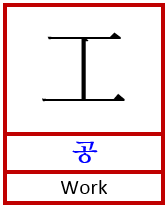
All begun when reading: https://www.ancient-origins.net › co…Cosmic Power of the Shaman and Symbols at Göbekli Tepe – Part II < The H Symbol Ray Urbaniak interprets the “H” symbol to mean double T shapes. Two T shapes butted together form a double T. He also says that Tau represents half of which is in the spiritual world. So, we can imagine that the “H” symbol consists of two Tau symbols The I Symbol The “I” symbol of ancient Mexican mythology not only exhibits a single Tau of two forms, but in different positions, as well as two double-headed figures joined in one, which illustrates the duality, above and below, or heaven and earth. … ….. In Proto-Turkish culture the “I” symbol was called as the “ON: Cosmos”. Interestingly, In Chinese culture “I” symbol represents the shaman or spirit intermediary, so-called Wu. The widespread usage amongst indigenous American peoples of the inverted and upright Tau shape as emblems of the above and below is abundantly proven and doubtlessly arose as naturally as the Chinese characters “Shang: Above”, employed as a symbol for heaven, and “Lea: Below or Beneath”, employed as a symbol for earth. The connection between Heaven and Earth represents the creation of innocence and this is reflected by the central line. … So, I can suggest that the mysterious “I” symbol is about a “Heaven (Sky) – Earth connection: so the life could exist”. In shamanic belief, Earth takes its life force from the sky via the navel cord. Göbekli Tepe should be seen as an important site for this reason. (Interestingly, In Turkish “Göbek” means “The Navel”). In this, creative powers unite for birth or rebirth. Therefore, some specific days are vital for taking life energy from the sky or heaven. Life force is believed to be always there, but not always visible. It is believed to be visible on specific days of year. These days are the equinox and solstice days. On the other hand, the “H” or slanted “I” symbol may be about East-West, Woman-Man or God-Goddess connections.> Mr. Özgür!: H character is not Wu but Gong “work” ! ========= H AND I ARE VARIATIONS OF THE SAME BASIC SHAPE ! Mr. Urbaniak and Özgür reasonings are consistent with my findings: proto-sumerian sign “T”=”Me” in my opinion means Proto-Sumerian/Euphratic “life spirit”, sumerian “divine power, being, ancestor”.

Sumerian Cuneiform English Dictionary 12013CThttps://ia801408.us.archive.org › items › Sumerian …PDFMay 5, 2000 — And the MUGSAR is proudly, and primarily, a Sumerian dictionary of the first … ME, àm = I am, to be (is / was) | [750x] being

H is composed of two T, so Meme could be related to: – “all divine powers=cosmos” , (2×Me,plural Meme)…or – sumerian healing goddess (shaman?) Ur-Meme, Meme=Gula ===========

It is supposed that at Gobekli Tepe practiced paganist, shamanic rituals. Related to H/I symbols, interesting enough the chinese character for shaman is containing an H character. https://en.m.wikipedia.org/wiki/Wu_(shaman) The contemporary Chinese character 巫 for wu combines the graphic radicals gong 工 “work” and ren 人 “person” doubled (cf. cong 从). This 巫 character developed from Seal script characters that depicted dancing shamans, which descend from Bronzeware script and Oracle bone script characters that resembled a cross potent.>

https://hanjatime.wordpress.com/2015/05/31/18-it-takes-work-%E5%B7%A5/am

You see we are encountering in H/I shape, twice “shaman” (1.as sumerian Meme,Gula and 2.with chinese character Wu=shaman) !and also Twice “Life” : (1.Özgür “Life force” and 2. twice Me, Me+Me, twice “life spirit, being“) See Wikipedia Wu(shaman) Work Ethics and Work Valuations in a Period of Commercialization: Ming China, 1500–1644*

Published online by Cambridge University Press

“Labour” is expressed by the term lao

, which has the connotation of “toil”, “pain”, and “exhaustion”, or qin

, which implies diligent or industrious work. Both refer mainly to physical work, especially in agriculture. Another designation for work is gong

Since this character is derived from a tool-like object, probably a carpenter’s square, it is predominantly associated with craft or proto-industrial production. …..Wu: female shamans in ancient China <Ancient oracle bone inscriptions use wu most frequently in relation to spirit sacrifices and for calls to “bring the wu.”….The oldest Chinese dictionary, Shuowen Jiezi, equates wu with zhu, a ritual invocator, and with ling, “spiritual, divine.” It underlines the female signification of wu: “wu is a zhu (invoker or priest), a woman who is able to render [herself] invisible, and with dance to invoke gods to come down.. Anciently, men and spirits did not intermingle. At that time there were certain persons who were so perspicacious, single-minded, and reverential that their understanding enabled them to make meaningful collation of what lies above and below, and their insight to illumine what is distant and profound. Therefore the spirits would descend upon them. The possessors of such powers were, if men, called xi (shamans), and, if women, wu (shamanesses). It is they who supervised the positions of the spirits at the ceremonies, sacrificed to them, and otherwise handled religious matters. As a consequence, the spheres of the divine and the profane were kept distinct. The spirits sent down blessings on the people, and accepted from them their offerings. There were no natural calamities. [Bodde, 390-1] >

÷÷÷÷÷÷÷÷÷÷÷÷÷

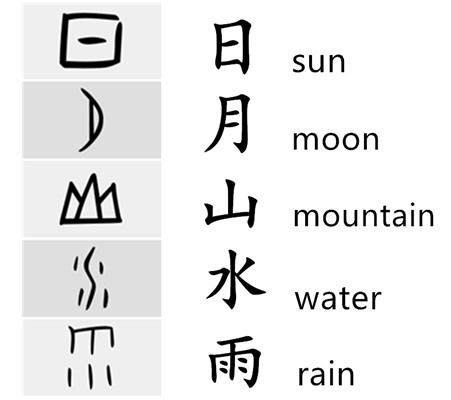
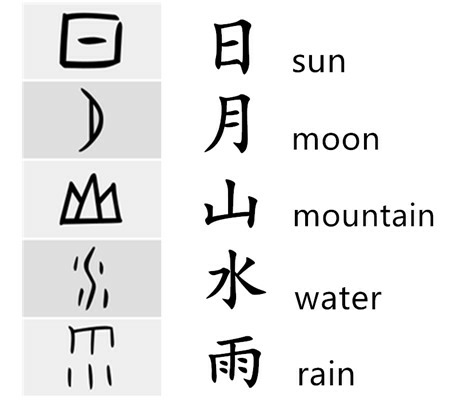
Also interesting, the porthole shape is identical with old chinese characters for sun “ri” (and moon “yue”)

Sumerian culture.The society based on “Me”

November 22, 2021

From https://en.wikipedia.org/wiki/Metavirus Metavirus is a genus of viruses in the family Metaviridae.[1] They are retrotransposons that invade a eukaryotic host genome and may only replicate once the virus has infected the host.[2] These genetic elements exist to infect and replicate in their host genome and are derived from ancestral elements unrelated from their host. From https://assuefazione.wordpress.com/2007/04/22/sumerian-me-memes-and-neurolinguistics/ The Sumerians developed a set of rules and regulations called me that encompassed every aspect of life, belief, technology, behaviour and human conditions. They were early code, memes codified for human perusal and to pass themselves on. It was an attempt to neurolinguistically program a whole population. From https://me.me/i/neal-stephenson-snow-crash-sumerian-culture-the-society-based-on-me-quote-5e51c8cedf84436eb8d73366f67c6451 From https://me.me › neal-stephenson-sno…Sumerian Culture — The Society Based on Me – MEME

https://me.me/market?s=pop

Note: sumerian proto-cuneiform sign “me” has the same shape as Gobekli Tepe’s T-pillars

CRITICISM, COMMENTS

Let’s admit that me’s had the characteristics of viruses. But I do not agree with the statements: – “That’s all those people were: ears with bodies attached. Passive receivers of information.” They were far from passive receivers. They were an industrious population and very intellectually gifted and inventive. Nor with this: “But Enki was different. Enki was a guy who happened to be particularly good at his job. He had an unusual ability to write a new me – he was a hacker. He was, in fact, the first modern man, a fully conscious human being, just like us. At one point, Enki realized that the Sumer was stuck in a routine. People were always doing the same old mees, not new ones. they didn’t think for themselves.” No!: Enki was a deity, or if Stephenson really wanted a smart leader who shared people’s mees. These would have had a divine origin but we know that this is a myth, the Sumerians (a hardworking and gifted people) created the me’s and continuously had the ability to create new ones. And I say strongly : they think for themselves ! “I suspect he was alone, being one of the few – perhaps the only – conscious human being in the world. He realized that in order for the human race to advance, it had to be freed from the grip of this viral civilization.” So he created Enki’s Nam-Shub, an antivirus that spread on the same routes as me and the metavirus, and went into the deep structures of the brain and reprogrammed them.” “perhaps the only conscious human being in the world!” Shame on you ! It was no grip of a viral civilization. Nam-shub: “shining”, was not created by Enki and was: Wikipedia Asaruludu 《In Sumerian and Akkadian mythology, Asaruludu is one of the Anunnaki. His name is also written Asarludu, Asarluhi and Namshub. The etymology and meaning of his name are unclear. Asaruludu served as an exorcist in Sumerian religious rituals. As Namshub (shining), he is considered a protective deity, “the shining god who lights our way.” …. Asaruludu, as the patron deity of Kuara, may have been incorporated into the pantheon of Eridu (Enki’s city) and thus acquired the role of god of incantations. Asalluhi sometimes plays an intermediate role, introducing the patient to Enki / Ea. Subsequent texts describe Asaruludu as the son of Enki / Ea, who shares Enki / Ea’s qualities of intelligence, advice and “broad reason”, as well as expertise in incantations.>> Enki was a god not an inhabitant of Sumer and the depositor of me’s, he also distributed them to the people and did not create anything (like “metavirus”) against me’s; that would have been the culmination! As such, there was nothing to reprogram the deep structures of the brain! “From now on, no one could understand the Sumerian language, or any other language based on a deep structure.” Get up, the Sumerian language is not based on a deep structure, on the contrary language structure is extremely simple and logical. See John Halloran Proto-Sumerian language invention process. <<Diakonoff wrote in 1983, “I shall define as ‘archaic’ any language which, on the lexical level, has no or only poorly developed means of expressing abstract ideas, and on the grammatical level, is based on the opposition ‘action vs. state’.” “In an archaic language there are no adequate means, either lexical or grammatical, to express such abstract ideas as ‘time’, ‘space’, ‘subject’, ‘object’, ’cause’, ‘beauty’, ‘liberty’, ‘invention’, ‘multiplication’, ‘division’ and many others, some of which appear to us elemental, as, e.g., the distinction between ‘darkness’, ‘calamity’, ‘illness’, and ‘pain’, etc., or between ‘good’, ‘enjoyable’, ‘kind’, ‘happy’, ‘useful’, ‘lucky’, etc. However, human thought is impossible without inductive thinking, i.e., thought which proceeds from particular facts to a generalization.”Diakonoff continues, “Sumerian is an archaic language in which abstract ideas were in the making: this is why both Sumerian language and Sumerian mythology are so interesting. It has no means to express a subject-object relation, and very inadequate means to express the idea of time etc. >> “Cut off from our deep common structures, we began to develop new languages ​​that had nothing in common with each other. The me no longer worked and it was not possible to write new me’s. ” Eugenrau: ?????? The new languages ​​and languages ​​have more in common than Mr. Neal Stephenson that he has no knowledge of. There is clearly a connection and parentage. “So you could say that Enki’s Nam-Shub was the beginning of human consciousness – when we had to think for ourselves. It was also the beginning of rational religion, the first time people started thinking about abstract issues. like God and Good and Evil, hence the name Babel, literally meaning “Gate of God.” It was the gate that allowed God to reach the human race.Babel is a gate in our minds, a gate that was opened by Enki’s nam-shub that freed us from the metavirus and gave us the ability to think – moved us from a materialistic world to a dualistic world – a binary world. a physical as well as a spiritual component.” “No !: The beginning of human consciousness when Mr. Stephenson was willing to date and certify it !? “Rational religion” ?? https://en.wikipedia.org/wiki/Faith_and_rationalitythe first time people started thinking about abstract issueshttps://bc805.medium.com/abstract-thought-how-is-it-significant-and-how-does-it-define-the-basis-for-modern-humanity-a98a5b92fb9f <<There are some clues in the tool discoveries of the Palaeolithic archaeological record that abstract thought is developing.>> Abstract symbols at Gobekli Tepe 9,600B.C.

First of all, I have the impression that the author mixes superficial knowledge from the fields of anthropology, psychology, archeology, linguistics and computer science, resulting in a hallucination that took shape in the author’s mind. It is a pity that we are witnessing the rape and perversion of a historical and cultural reality, we who still live in a partially alienated world. Certainly the first greatest civilization of mankind does not deserve such an easy and superficial approach and no such treatment.

Cultura sumeriana.Societatea bazata pe “me”

November 22, 2021

Wikipedia: Metavirusul este un gen de virusuri din familia Metaviridae. Acestea sunt retrotranspozonii care invadează un genom gazdă eucariotă și se pot reproduce numai după ce virusul a infectat gazda. 

https://assuefazione.wordpress.com/2007/04/22/sumerian-me-memes-and-neurolinguistics/ <<  Sumerienii au dezvoltat un set de reguli și reglementări numite me care a cuprins fiecare aspect al vieții, credințe, tehnologie, comportament și condiții umane. >>

https://www.goodreads.com › quotesQuote by Neal Stephenson: “Sumerian culture – Goodreads Neal Stephenson

Cultura sumeriană — societatea bazată pe me — a fost o altă manifestare a metavirusului. Cu excepția faptului că, în acest caz, a fost mai degrabă într-o formă lingvistică decât în ​​ADN.” – „Scuzați-mă”, spune domnul Lee. „Spuneți că civilizația a început ca o infecție?” – „Civilizația în forma ei primitivă, da. Fiecare me era un fel de virus, dat afară de principiul metavirusului. Luați exemplul me-ului pentru coptul pâinii. Odată ce a intrat în societate, a fost o informație care se autosusținea. Este o chestiune simplă de selecție naturală: oamenii care știu să coacă pâine vor trăi mai bine și vor fi mai predispuși să se reproducă decât cei care nu știu cum. Desigur, ei vor răspândi me-ul, acționând ca gazde pentru această informație care se auto-replicheaza. Asta îl face să fie un virus. Cultura sumeriană — cu templele pline de me-uri — era doar o colecție de viruși de succes care se acumulaseră de-a lungul mileniilor. Era o operațiune de franciză, cu excepția faptului că avea zigurate în loc de arcade de aur și tăblițe de lut în loc de lianți cu trei inele. „Cuvântul sumerian pentru „minte” sau „înțelepciune” este identic cu cuvântul pentru „ureche”. Atât erau acei oameni: urechi cu corpuri atașate. Receptori pasivi de informații. Dar Enki era diferit. Enki era un tip care se întâmplase să fie deosebit de bun in meseria lui. Avea abilitatea neobișnuită de a scrie un me nou — era un hacker. El a fost, de fapt, primul om modern, o ființă umană pe deplin conștientă, la fel ca noi. „La un moment dat, Enki și-a dat seama că Sumerul era blocat într-o rutină. Oamenii înfăptuiau tot timpul același me-uri vechi, nu veneau cu altele noi, nu gândeau singuri. Bănuiesc că era singur, fiind una dintre puținele — poate singura – dintre ființe umane conștiente din lume. Și-a dat seama că, pentru ca rasa umană să avanseze, trebuia să fie eliberată din strânsoarea acestei civilizații virale. „Așa că a creat Nam-Shub-ul lui Enki, un contravirus care s-a răspândit pe aceleași rute ca me și metavirusul. A intrat în structurile profunde ale creierului și le-a reprogramat. De acum înainte, nimeni nu a putut înțelege limba sumeriană, sau orice alt limbaj bazat pe o structură profundă. Despărțiți de structurile noastre profunde comune, am început să dezvoltăm noi limbaje care nu aveau nimic în comun unul cu celălalt. Me-ul nu mai funcționa și nu a fost posibil să scriem noi me-uri. Transmiterea ulterioară a metavirusul a fost blocată. – „De ce nu au murit toată lumea din cauza lipsei de pâine, pierzându-mă pe mine care făceam pâine?” spune unchiul Enzo. – “Unii probabil că au făcut-o. Toți ceilalți au trebuit să-și folosească creierul in mod superior și să-și dea seama. Așa că ați putea spune că Nam-Shub-ul lui Enki a fost începutul conștiinței umane — atunci când a trebuit să gândim pentru noi înșine. A fost și începutul religiei raționale, prima dată când oamenii au început să se gândească la probleme abstracte precum Dumnezeu și Bine și Rău. De aici provine numele Babel. Literal înseamnă „Poarta lui Dumnezeu”. A fost poarta care a permis lui Dumnezeu să ajungă în rasa umană. Babel este o poartă în mintea noastră, o poartă care a fost deschisă de nam-shub-ul lui Enki care ne-a eliberat de metavirus și ne-a dat capacitatea de a gândi — ne-a mutat dintr-o lume materialistă într-o lume dualistă — o lume binară. Lume — atât cu o componentă fizică, cât și una spirituală

C R I T I C I

Sa admitem ca me-urile au avut caracteristicile virusilor. Insa nu sunt de acord cu afirmatiile: “Atât erau acei oameni: urechi cu corpuri atașate. Receptori pasivi de informații.” Nu erau nici pe departe receptori pasivi. Erau o populatie harnica si deosebit de dotata intelectual si inventiva. Nici cu aceasta: “Dar Enki era diferit.Enki era un tip care se întâmplase să fie deosebit de bun in meseria lui. Avea abilitatea neobișnuită de a scrie un me nou — era un hacker. El a fost, de fapt, primul om modern, o ființă umană pe deplin conștientă, la fel ca noi. La un moment dat, Enki și-a dat seama că Sumerul era blocat într-o rutină. Oamenii înfăptuiau tot timpul același me-uri vechi, nu veneau cu altele noi, nu gândeau singuri.” Enki era o zeitate, sau daca vrea neaparat Stephenson un conducator destept care impartea me-urile oamenilor. Acestea ar fi avut origine divina insa stim ca acesta e un mit, sumerienii (un popor harnic si dotat) au creat me-urile si au avut incontinuu capacitatea de a crea unele noi. Nu !: “Bănuiesc că era singur, fiind una dintre puținele — poate singura – dintre ființe umane conștiente din lume. Și-a dat seama că, pentru ca rasa umană să avanseze, trebuia să fie eliberată din strânsoarea acestei civilizații virale. „Așa că a creat nam-shub-ul lui Enki, un contravirus care s-a răspândit pe aceleași rute ca me și metavirusul. A intrat în structurile profunde ale creierului și le-a reprogramat. “Poate singura-dintre fiintele umane constiente din lume”!? Să vă fie rușine ! Nu a fost nici-o stransoare a unei civilizatii virale.Nam-shub:”stralucitor”, nu a fost creat de Enki și era :

Wikipedia Asaruludu《În mitologia sumeriană și akkadiană, Asaruludu este unul dintre anunnaki. Numele său este scris și Asarludu, Asarluhi și Namshub. Etimologia și semnificația numelui său sunt neclare.Asaruludu a servit ca exorcist în ritualurile religioase sumeriene. Ca Namshub (strălucitor), el este considerat o zeitate protectoare, „zeul strălucitor care ne luminează calea”. …. Asaruludu, ca zeitate patroană a lui Kuara, este posibil să fi fost înglobat în panteonul Eridu (orașul lui Enki) și astfel și-a dobândit rolul de zeu al incantațiilor. Uneori, Asalluhi joacă un rol intermediar, prezentând pacientul la Enki/Ea.Textele ulterioare îl descriu pe Asaruludu ca fiind fiul lui Enki/Ea, care împărtășește calitățile lui Enki/Ea de inteligență, sfat și „rațiune largă”, precum și expertiza în incantații.》

Enki era zeu nu locuitor si depozitarul me-urilor, tot el le și distribuia si nu a creat nimic (gen “metavirus”)contra me-urilor asta ar fi fost culmea ! Ca atare nu a existat nici ceva sa reprogrameze structurile profunde ale creierului! “De acum înainte, nimeni nu a putut înțelege limba sumeriană, sau orice alt limbaj bazat pe o structură profundă.” Limba sumeriana nu se bazeaza pe o structura profundă, dimpotrivă structurs este extrem de simpla si logica.Vezi John Halloran Proto-sumerian language invention process. << Diakonoff scria în 1983: „Voi defini ca „arhaica” orice limbă care, la nivel lexical, nu are mijloace de exprimare, sau doar slab dezvoltate a ideilor abstracte, iar la nivel gramatical, se bazează pe opoziția „acțiune vs. stare.” „Într-o limbă arhaică nu există mijloace adecvate, fie lexicale, fie gramaticale, pentru a exprima idei abstracte precum „timp”, „spațiu”, „subiect”, „obiect”, „cauză”, „frumusețe”, „libertate”, „invenție”, „înmulțire”, „împărțire” și multe altele, dintre care unele ni se par elementare, cum ar fi, de exemplu, distincția dintre „întuneric”, „calamitate”, „boală” și „durere” etc., sau între „bun”, „plăcut”, „bună”, „fericit”, „util”, „norocos” etc. Cu toate acestea, gândirea umană este imposibilă fără gândirea inductivă, adică gândirea care trece de la fapte particulare la o generalizare. ” … Diakonoff continuă: „Sumerianul este o limbă arhaică în care ideile abstracte se dezvoltau: de aceea atât limba sumeriană, cât și mitologia sumeriană sunt atât de interesante. Nu are mijloace de a exprima o relație subiect-obiect și mijloace foarte inadecvate. pentru a exprima ideea de timp etc.”>>

Despărțiți de structurile noastre profunde comune, am început să dezvoltăm noi limbaje care nu aveau nimic în comun unul cu celălalt. Me-ul nu mai funcționa și nu a fost posibil să scriem noi me-uri. ” Eugenrau: ?????? Noile limbi si limbaje au mai multe in comun decat se face Dl. Neal Stephenson că nu are cunoștința. Exista in mod clar o legatura si filiație. “Așa că ați putea spune că Nam-Shub-ul lui Enki a fost începutul conștiinței umane — atunci când a trebuit să gândim pentru noi înșine. A fost și începutul religiei raționale, prima dată când oamenii au început să se gândească la probleme abstracte precum Dumnezeu și Bine și Rău. De aici provine numele Babel. Literal înseamnă „Poarta lui Dumnezeu”. A fost poarta care a permis lui Dumnezeu să ajungă în rasa umană. Babel este o poartă în mintea noastră, o poartă care a fost deschisă de nam-shub-ul lui Enki care ne-a eliberat de metavirus și ne-a dat capacitatea de a gândi — ne-a mutat dintr-o lume materialistă într-o lume dualistă — o lume binară. Lume — atât cu o componentă fizică, cât și una spirituală. ” Nu!: Inceputul constiintei umane atunci cand a binevoit Dl.Stephenson să-l dateze si certifice !? Religie raționala?? https://en.wikipedia.org/wiki/Faith_and_rationality Au inceput să se gândeasca la probleme abstracte

Abstract thought’ -How is it significant and how does it define …https://medium.com › abstract-thought-how-is-it-signifi… Există câteva indicii în descoperirile uneltelor din documentarile arheologice paleolitice pe care le dezvoltă gândirea abstractă.

…Apoi de la poarta lui Dumnezeu deraiază complet.Cum ar fi : – o poartă care a fost deschisă de nam-shub-ul lui Enki care ne-a eliberat de metavirus și ne-a dat capacitatea de a gândi ?? Si inainte nu exista capacitatea de a gandi ?? – la sumerieni la un moment dat (și deloc inainte) “au inceput să existe simultan componentele fizică si cea spirituală“.

In primul rand am impresia ca se amesteca cunostinte superficiale din domeniile antropologiei, psihologiei, arheologiei, lingvisticii si informaticii, rezultand o nalucire care a prins contur in mintea autorului. Este pacat ca asistam la siluirea si pervertirea unei realitati istorice si culturale, noi cei cei care si asa traim intr-o lume partial alienata. Cu siguranta prima cea mai mare civilizatie a omenirii nu merita o asemenea abordare facila si nici un asemenea tratament.

Kutsal sembol T’nin Göbekli Tepe’den iletilmesi ve genişletilmesi

November 1, 2021

Kültürler ve medeniyetler alanında aktarım olgusu bilinmektedir. Örneğin, Neolitik çağın veya tarımın Orta Doğu’dan Avrupa’ya geçişi. Bu demik ve/veya kültürel olarak ortaya çıkabilir. Burada ikisiyle de uğraşıyoruz. ——— Önceki gönderilerde, sütunların yapımında kullanılan kutsal sembol T’nin anlamı ile ilgili bir hipotez ileri sürdüm. Özetle, esas olarak şunlara güvendim: – Sümer işareti T’nin daha sonra kabulü: “Ben”. Karmaşık bir anlamı vardı, İnanna ve Enki Mitinde ME Listesi – Angelfirehttps://www.angelfire.com › tintirbabylon › ME <> Rus araştırmacı V.V.’nin çıkardığı etimolojiye güvendim. Emelianov, yani “yaşama iradesi” – Göbekli Tepe nüfusunun olduğu dinin gelişme aşamasının paganizm olduğu gerçeği. Paganizm büyük ölçüde doğaya tapınma anlamına gelir. ekliyorum ve hayat. – Yukarıdakiler göz önüne alındığında, T sembolü için önerdiğim anlam “HAYATIN RUHU”dur. Umarım, daha sonra tapınakların ve kiliselerin Rab’bin meskeni olduğu gibi, T sütununun, içinde yaşam ruhuna sahip olduğu tapınak olduğu belirtimi ile geri dönmeye gerek yoktur. ————————————— ————– The T sign is found in a more or less close form in different areas, with meanings related to life:

1 SÜMER

https://cdli.ucla.edu/tools/SignLists/protocuneiform/archsigns.html

This image has an empty alt attribute; its file name is ME~a.jpg
https://cdli.ucla.edu/tools/SignLists/protocuneiform/archsigns/ME~a.jpg

Platonik formlar vs. Sümer ME? https://www.reddit.com/r/pagan/comments/c0pumf/platonic_forms_vs_sumerian_me/?utm_source=amp&utm_medium=&utm_content=post_body << Çivi yazısı işareti

This image has an empty alt attribute; its file name is ME~a.jpg

— ME olarak adlandırılır ve şu değerleri temsil eder: išib, ma ve me — Sümer dilinde “olmak” fiilinin köküdür. Tek başına veya ME işaretiyle birlikte yazılan logografik kelimeler ve bileşikler, “varlık” kavramı, yani bir şeyin doğuştan gelen özü ile ilgilidir.>>

Ben (mitoloji) – Wikipediahttps://en.wikipedia.org › wiki › Me_(mitoloji)Sümer mitolojisinde, bir ben bu sosyal kurumların, dini uygulamaların, teknolojilerin temelini oluşturan ilahi hükümlerden biridir.

The Mes…Antik Sümer Planları … – Okar Research http://balkhandshambhala.blogspot.com › 2013/09 › th…8 Eylül 2013 — “Mes, medeniyetin planları olan belgeler veya tabletlerdi

Somut Bir Nesne Olarak Sümer Ben – De Gruyterhttps://www.degruyter.com › aofo.1997.24.2.211 › pdf, J KLEIN · 1997 · 13 tarafından alıntılanmıştır — ben “olmak”2 fiili, temel anlamı ile: “öz”, yani “bir şeyin ilahi olarak belirlenmiş özü” veya “bir şeyin ne olması gerektiği”

https://www.sumerian.org/prot-sum.htm << ben, mì; e: n., işlev, ofis, sorumluluk; ideal norm; bir tanrının gücünün olağanüstü alanı; ilahi hüküm, kehanet; kült. v. olmak; Sümer kopulası; söylemek, anlatmak. eki, bizim. ben3,6,7,9: savaş. me6: hareket etmek, davranmak. >>

Nostratik Makro Ailesi (Indo’ya özel referansla …https://www.tandfonline.com › doi › pdfby AR Bomhard · 1992 · Alıntı 66 — Hint-Avrupa (IE) karşılaştırmasının en eski günlerinden … Proto-Uralik *ben 1. tekil şahıs şahıs zamiri kökü: ‘1, ben’:

2 MISIR

Ankh işareti hayatın tüm çirkinliklerinde farklı anlamlar taşır, örneğin “SONSUZ YAŞAM”. Döngünün sonsuzluğu ve çapraz hayatınızı temsil edeceğini buldum. Aslında döngünün ek bir ikincil anlamı olabilir ve T işaretinin bir tutamacı olabilir. Https://store.signsofspirit.com/ankh-egyptian-eternal-life- Ancient-septre-of-the-firavun-tau /? fbclid = IwAR09urjMxPmABFsZZmcUPwTUpYRUPhcYkS_n9YWPQFBmkJhjzYAxE3cQEec << Ebedi Yaşamın Mısır hiyeroglifi, Eylül’ün Che’si, F, N ve Che’nin N ve Che’si olarak bilinir, Bu sembol veya “hayatınızın” çaprazını birleştiren “sonsuzluğu” ve dişil enerjiyi temsil eden döngü veya daire ile eril enerji. >> also in Egypt, this could be a gate to future life:

3 EGE ALANI

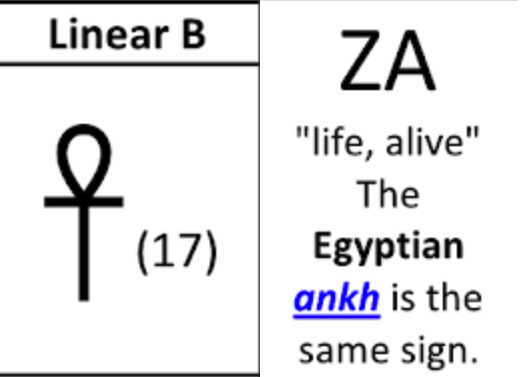
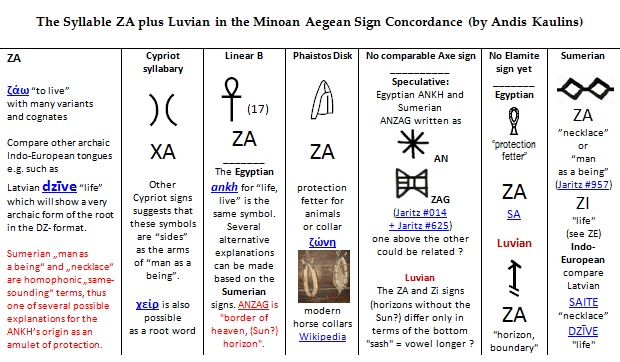
Doğrusal İşaret B “Za” https://images.app.goo.gl/tfWdQ77mLzASMsBR7

oldeuropeanculture בטוויטר: "And it looks like Egyptian Ankh could have  come from Sumerian An+Ki = Sky+Earth = Sky Father+Earth Mother = Life.  From: https://t.co/VM6XSserM1… https://t.co/9l8VlRtt4f"
This image has an empty alt attribute; its file name is Syllable+ZA+Luvian+update+Minoan+Aegean+Sign+Concordance.png
Eski Yazıların Hece Tablosu: ZA Luvian’ın Minos Ege İşareti Uyumuna Luvian Güncellemesi Andis Kaulins tarafından MinAegCon https://lh3.googleusercontent.com/-G0auyIJyaWc/TXUSnF0B8nI/AAAAAAAABB0/D3r9ZrKL1ME/s1600/Syllable+ZA+Luvian+update+Minoan+Aegean+Sign+Concordance.png

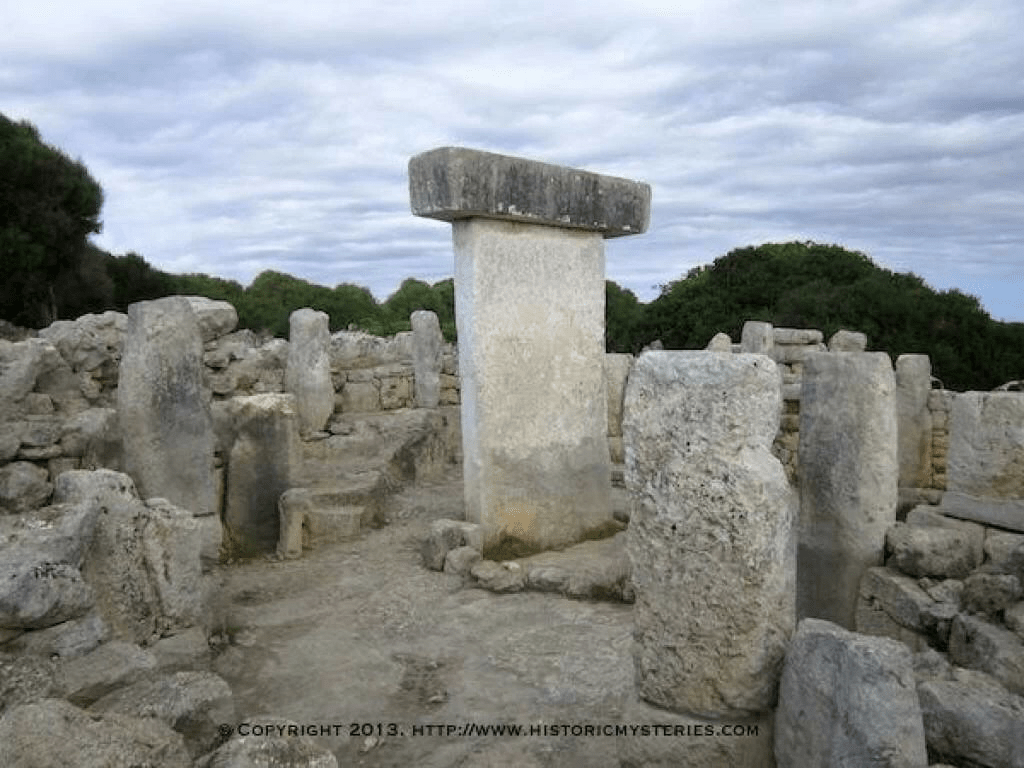
4 MENORKA, İSPANYA

This image has an empty alt attribute; its file name is image-3.png
Taulas of Menorca. The Torralba d’en Salort. Image: Historic Mysteries.

Wikipedia: “Arkeolog Michael Hoskin, taulaların eski bir şifa kültünün parçası olabileceğini öne sürdü.” Şifa aslında yaşamla ilgilidir.

5 CIRCASSIA/ADYGHE

Adige / Çerkes Habze https://aratta.wordpress.com/2013/10/16/adyghe-circassian-habze/?fbclid=IwAR3W4VOJxDgVOvAfPLQ1b0KHzbrKXuLBFp9JgPq3cBg ayrıca “veya Hahabze”, Habze”, Habze” Habzism olarak da adlandırılan, Adıge veya Çerkeslerin Pagan etnik dinini, felsefesini ve dünya görüşünü tanımlar.

File:Kors, Antoniuskors, Nordisk familjebok.png
Tanrı Tha’yı temsil eden Adige “çekiçli haç”. http://upload.wikimedia.org/wikipedia/commons/4/46/Kors%2C_Antoniuskors%2C_Nordisk_familjebok.png

Her şeyden önce, Tha, tüm varlıkların doğal olarak oluştuğu, içsel yasalarla gelişen ilkel kalıp olan Sözü veya kozmik Yasayı (Khy) ürettiğini ifade eder. Erkekler için aydınlanma, Tha Yasasının anlaşılmasına karşılık gelir. Tha, yaratılışında her yerde mevcuttur (pıhtılaşma); Adıge kozmolojik metinlerine göre “ruhu uzaya dağılmıştır”.>>

===== A S U M P T I O N ======

AÇILIŞLAR, KAPILAR, T-şekilli KAPILAR ?

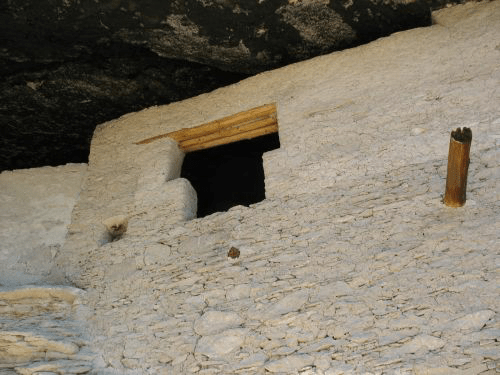
Mısır’da ve Kolomb öncesi uygarlıklarda T şeklindeki tapınakların açıklıklarını veya girişlerini buldum. Bakınız: https://www.alamy.com/stock-photo/t- shape-doorways.html Pueblo Bonito: https://www.abrock.com/InterimReports/Chaco1/Chaco1.html

This image has an empty alt attribute; its file name is image-5.png

https://gamblershouse.wordpress.com/2011/09/06/the-gila-cliff-dwellings/amp/

This image has an empty alt attribute; its file name is image-7.png
T Şeklinde Kapı, Gila Cliff Konutları Ulusal Anıtı

Antik Amerika: Hovenweep http://nativeamericannetroots.net/diary/967

This image has an empty alt attribute; its file name is image-8.png

Açıklıkların T şeklinden başka ortak noktaları olup olmadığını merak ediyorsunuz. Daha önceki yazılarımda M.Ö. 9500-8.000 yıllarında varsayımımı açıklamıştım. orada, Göbekli Tepe’de insanlar pagan evresindeydiler, insan figürlerini/insan gövdelerini andıran T sütunları, aslında hayatın ruhlarını simgeliyordu. Ruhların genellikle somut bir şekli yoktur ve yoktur, bu T-şekli bir stilizasyondur, özdür. Görünüşe göre ataların ruhlarının T-şekli diğer kültürlere yayılmış. Diğer dünyaya geçmek için ruhların bir açıklığa, geçide ihtiyacı vardı ve mantıksal olarak kapının aynı şekle sahip olması gerekirdi. Bu benim hipotezim olurdu. Tabii ki, herhangi birine sorması gerekir (ve tam bir destek için tercih ederdim): – Neden diğer kısımlarda (T açıklığının olduğu yerlerde) yaşamın ruhları (veya ne olacak) T şeklinde görünmüyor? ve – Anadolu’da neden T-açıklığımız yok?

Göbekli Tepe taş sütunlarından Kabe taşına.Göbekli Tepe’de Din.Sonuçlar.

October 7, 2021

Sonuçlar
  • Dinlerin gelişmesinde Göbekli Tepe paganist aşamadaydı, son aşamada tanrılara tapmaya başlamanın delili olmaya başladı. Gelişme şu sırayla her yerde başarılı oldu: animizm, totemizm, samanizm, paganizm. Animizm, tarih boyunca en eski ve en uzun olanıdır, bazı yönleri günümüzde bile mevcuttur. Totemizm varsa, Göbekli Tepe’de en görünür ve hamile olan animizmdi. Şaşırmamak için, animizm sadece ruha tapınmak ya da yeniden başlamak demek değildir, DOĞAYA İBADETLE İLGİLİDİR. İLAHİ VARLIKLAR ARACILIĞIYLA İLAHİ DOĞA ! (… herhangi bir varlık, tanrılar, ruhlar veya iblisler olabilir) Sütunlar cansız taşlar değildi, insanlar veya antropomorfik tanrılar değildi, avcı-toplayıcılar taşları kişiler olarak kavrarlar. Çünkü taşlar, kişilikleri olan ruhları barındırıyordu. İnsan olmayan varlıklar, ruhlar içlerinde yaşar. Çok daha sonra, bir huwasi taşı bir tanrı için kutsalsa ve genellikle bir tapınakta bulunuyorsa, o zaman bu tür yönler daha önce mevcuttu. Sütunları taş insanlarla eşitlemek için sütunların yalnızca minimal antropomorfik özelliklere sahip olması gerekmez. Aksi takdirde (daha fazlaysa, vurgulayarak) önerilen güç ve manevi karakter azalır! Orada Kutsal Höyükte (Sümer Du-Ku) G.T. insanlar bilgi setlerini şamanlar aracılığıyla İlahi güçlerden (Sümer En-lil, efendi-hayalet) alırlar. Ayrıca daha önce (Sümer benzeri) doğaya tapan bereket şenlikleri tutulurdu. T şeklindeki sütunlar, yaşamla doğrudan ilişkili “arı” ve “yaşama iradesi” olan Sümer proto-çiviyazısı işareti Me ile aynı şekle sahiptir.Ama hayat dolu sütunlardan başlayarak, çeşitli yontulmuş canlı hayvanlar ve Kızılcık heykeli ve Urfa-adamı gibi totem-direkler aracılığıyla, hepsi tanrılarla ilk ilişkide değil, yaşamla yakın bağda ışık saçar.

Göbekli Tepe, the power of life, the will to live.

September 22, 2021

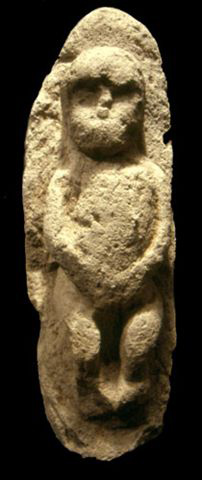
There were a number of ideas and proposals regarding the role and purpose of the Gobekli Tepe cult complex and the significance of the T-pillars. I also searched trying to understand the meaning of the T-shaped pillars, sinthesysed as follows: – the pillars have the shape of Tau-cross or capital letter T. – the sign T had in the Sumerian (proto-cuneiform) writing, a complex meaning, summarized in the word Me: “divine powers”. I cannot explain myself how some symbols could be transmitted from generation to generation 6 000 years (from 9,600 B.C. to 3,500 B.C.) in a continous way. Possible I thought if the site is not so old as is sustained by schollar Dimitrios S. Dendrinos: https://www.researchgate.net › 3174…(PDF) Dating Gobekli Tepe – ResearchGate9 iun. 2017 — Dating Gobekli Tepe: the evidence doesn’t support. a PPNB date, but instead a possibly much later one. Dimitrios S. Dendrinos Ph.D., … – Russian schollar V. Yemelianov showed that the etymology of the word Me leads to the end meaning of “will to live” From https://www.researchgate.net › 3305…Paradoxes of the Idea of Progress and Cultural … – ResearchGateС. 150-174 [Yemelianov V.V. On the Original Meaning of Sumerian ME (Images of … [Emelyanov V.V. An Answer to the Paper by I.A. 《me:”will to live“》https://en.m.wikipedia.org/wiki/Will_to_live – ​​My conclusion was that the T-shaped pillars, (and maybe even the small stone statuettes), mean “power, spirit, essence of life” . The stone pillars were the house where the spirit of life lived. Proof that there is a real chance that my hypothesis will be confirmed is found in the old religion of the Maori people in New Zealand. From https://maoridictionary.co.nz/word/3960?fbclid=IwAR3II_gTZJcv7N9pccLW_IsTi5oI2pfRAQEXMTlQIw6q-y2yE6RmwnDumDg << Mauri 1. (noun) principle of life, life force, vital essence, special nature, material symbol of a principle of life, source of emotions – the quality and essential vitality of a being or entity. It is also used for a physical object, individual, ecosystem or social group in which this essence is located. >> From a previous post of mine: Regarding the T-shaped pillars, “anthropomorphic” is perhaps a little too much for the name. Because the T-pillars did not represent a deity or a man. The people of Gobekli Tepe were animists. In general, temples are houses of the gods. The shape of the pillars is abstract, because it is a house, temple and not the divinity itself. At the same time it is temple and spirit, idol. A stone idol that is inhabited by a spirit, so largely “alive”. tartariatablets.com From https://books.google.ro › booksMythical Stone “It is not the stones per se that are worshipped in these cases, but the spirits inhabiting them.” From Mauri, mana and nature as an ancestor – Sustainable … https: //sustainable.org.nz ›SBN News << Mana refers to an extraordinary power, essence, presence and charisma. It is an ever-present energy and applies to humans, the cosmos and the natural world. When this supernatural force is allowed to flow, all life is improved and invigorated. However, without the Mauri/ life force, the hand cannot flow into a person or object. Mauri is the energy of life that connects and animates all things in the physical world. Without Mauri or the essence of life, the hand cannot flow into a person or object. The actions we take can improve or diminish the Mauri in the same way that caring for our health improves and neglects our health, degrades it. >> From https://teara.govt.nz/en/speech/14063/mauri-stone << Te Ara Mauri stone – Te ngahere – forest lore – Te Ara Encyclopedia of New Zealand This Moorish stone was found on Moutohorā (Whale Island) in the Gulf of Plenty. Māori believed that the principle of life or the mauri of a forest, tree or waterway could be concentrated in a stone or other object of protection. >>
Mauri stone – Te ngahere – forest lore – Te Ara Encyclopedia of New Zealand
https://teara.govt.nz/files/large_images/p-14063-ar.jpg

From https://teara.govt.nz/en/photograph/11584/mauri-stone << This Moorish stone depicts Horoirangi, a female ancestor from the Rotorua area. It was believed that such stones kept the Mauri (life force) in the areas that provided food. Horoirangi was dug into a rock to preserve the fertility of her people’s lands. The stone was later removed from the rock so that it would not be stolen. >>

Mauri stone – Kaitiakitanga – guardianship and conservation – Te Ara  Encyclopedia of New Zealand
https://teara.govt.nz/files/p-11584-ar.jpg

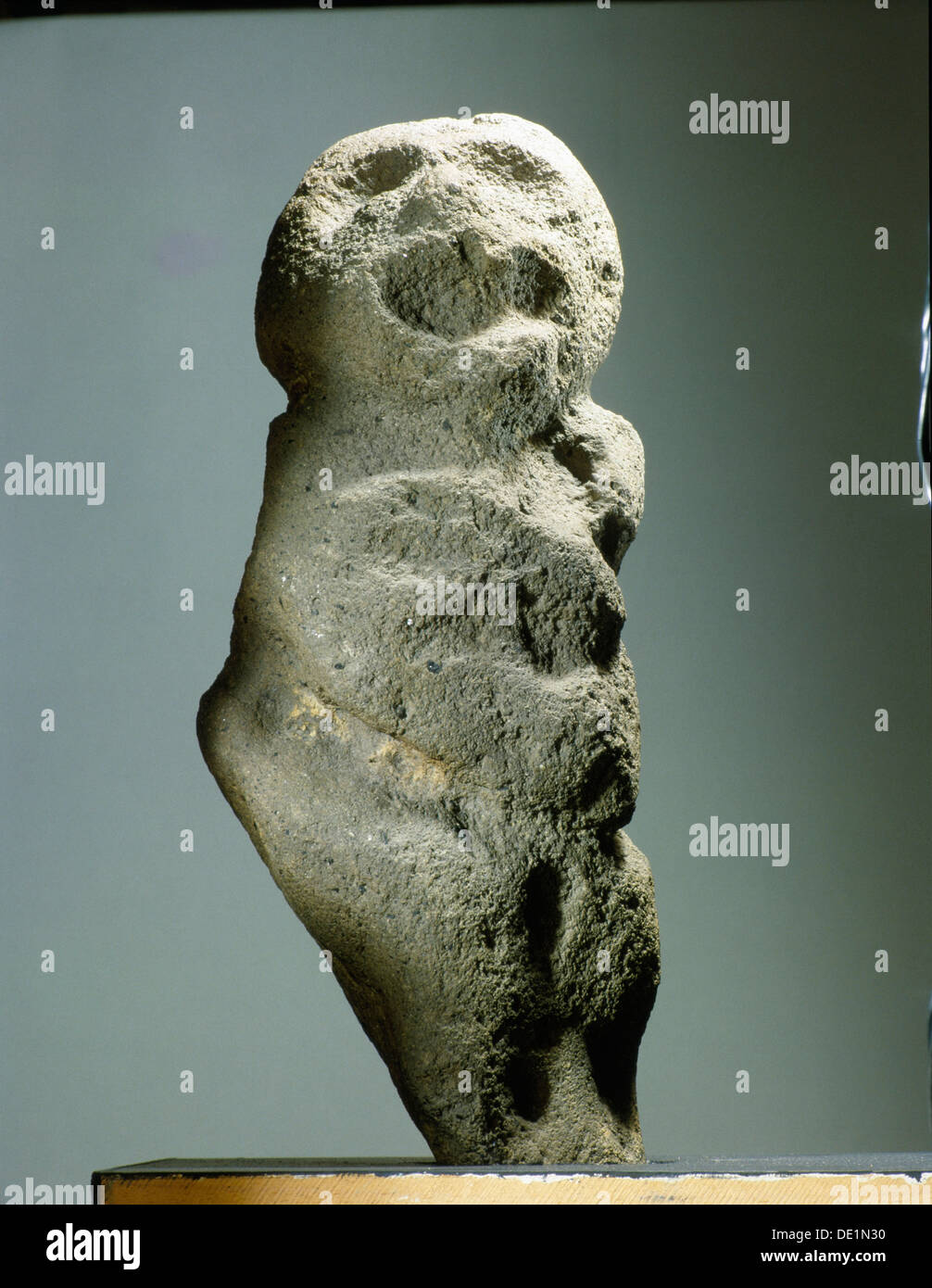
From https://www.alamy.com/a-stone-mauri-probably-placed-by-growing-sweet-potatoes-or-groups-image60274788.html << A stone Mauri, probably placed by cultivating sweet potatoes or groups of trees in the forest, to maintain the life force of the plants >>

A stone mauri, probably placed by growing sweet-potatoes, or groups of  forest trees, to hold the life-force of the plants Stock Photo - Alamy
https://c8.alamy.com/comp/DE1N30/a-stone-mauri-probably-placed-by-growing-sweet-potatoes-or-groups-DE1N30.jpg

From Gobekli Tepe: http://thehiddenrecords.com/gobekli-tepe-taurus-bull

Wayne Herschel - Author - The Hidden Records - discovered 35 ancient star  map cases around the world showing human origins from one of three sun  stars near the Pleiades
http://thehiddenrecords.com/images/gobekli-tepe-orion-star-map.jpg

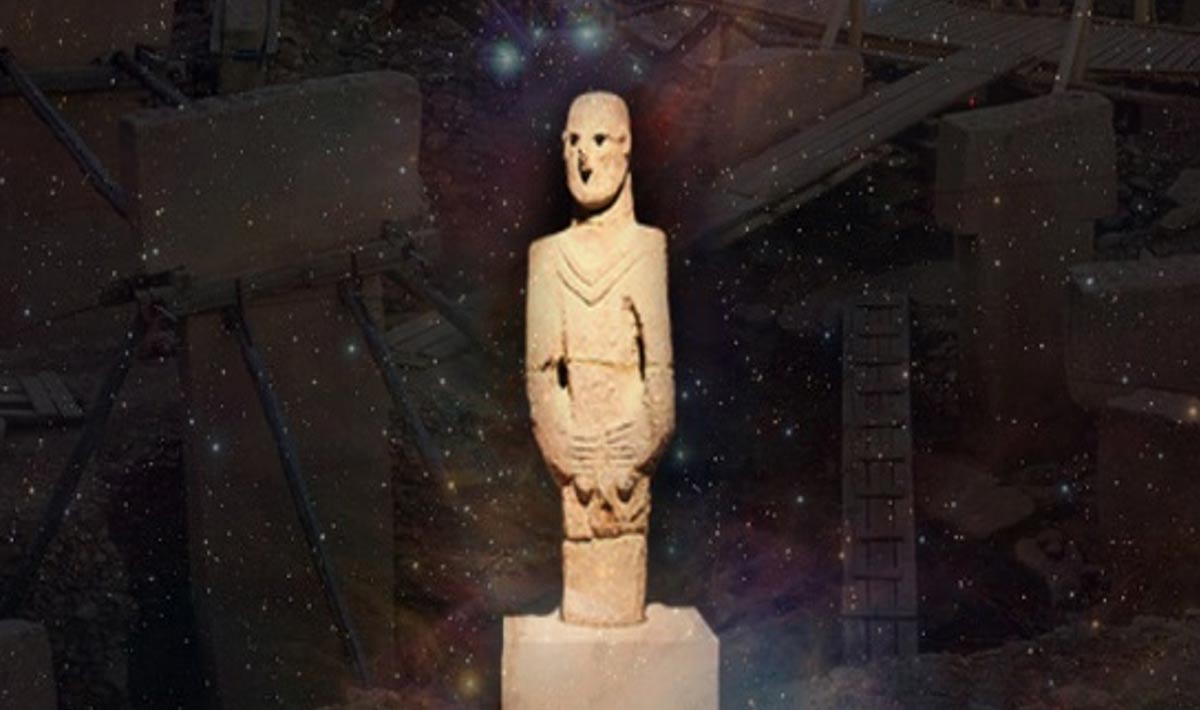
… see same position of the hands on belly.. From Quora Is Gobekli Tepe older than Jericho? – Quora

Is Gobekli Tepe older than Jericho? - Quora
https://qph.fs.quoracdn.net/main-qimg-edf44670971a2d6645364fd66ffaabaa-mzj

From Ancient OriginsGöbekli Tepe Shamans and their Cosmic Symbols – Part I | Ancient Origins

Göbekli Tepe Shamans and their Cosmic Symbols – Part I | Ancient Origins
https://www.ancient-origins.net/sites/default/files/field/image/Gobekli-Tepe-Shamans.jpg
Mauri (Stone Talisman)
https://view.taurangaheritagecollection.co.nz/objects/15690/mauri-stone-talisman
Mauri Stones – Lux Deluxe
https://cocalux.files.wordpress.com/2014/06/bes01maor305ah280.jpg

At Gobekli Tepe :

First Pictorial Representation of Gobekli Tepe Found | Ancient Origins |  Ancient aliens, Ancient civilizations, Ancient humans
https://i.pinimg.com/originals/28/8e/78/288e78d6a8b80c437b204660c36be338.jpg http://www.andrewcollins.com/pics/7.%20stone%20ring%20GT.jpg

From Gobekli Tepe Pillar 43 – Vulture Stone

Facebook
https://encrypted-tbn0.gstatic.com/images?q=tbn:ANd9GcT_9yVXdNz4w_La1XD21UeLAeMZ7u6qG8U34XYzGxzPkeb8W1eJLz_Yc_Ebt2ByVf9Xht0&usqp=CAU

From https://tepetelegrams.wordpress.com/2016/05/05/losing-your-head-at-gobekli-tepe/

Losing your head at Göbekli Tepe | The Tepe Telegrams
https://tepetelegrams.files.wordpress.com/2016/05/figure-8.jpg?w=1040

Göbekli Tepe, puterea vietii, vointa de a trai.

September 21, 2021

Au existat o serie de idei si propuneri privind rolul si scopul complexului cultic de la Gobekli Tepe si a semnificatiei pilonilor T. Am cercetat si eu incercand sa deslusesc semnificatia stalpilor in forma de T. Am facut o serie de observatii si cercetari rezumate in pasii dupa cum urmeaza: – pilonii au forma crucii Tau sau literei T . – semnul T a avut in scrierea sumeriana, o semnificatie complexa, rezumata la Me: “puterile divine“. Din https://cdli.ucla.edu › tools › archsigns proto-cuneiform signs

– Cercetatorul rus V.Yemelianov a aratat ca etimologia cuvantului Me conduce la intelesul “vointa de a trai” Din https://www.researchgate.net › 3305…Paradoxes of the Idea of Progress and Cultural … – ResearchGateС. 150-174 [Yemelianov V.V. On the Original Meaning of Sumerian ME (Images of … [Emelyanov V.V. An Answer to the Paper by I.A. 《me:”will to live“》https://en.m.wikipedia.org/wiki/Will_to_live – Concluzia mea a fost ca pilonii in forma de T , dar poate si micile statuete de piatra, semnifica “puterea, spiritul, esenta vietii“. Pilonii de piatra au fost casa in care salasluia spiritul vietii. Dovada ca sunt sanse reale ca ipoteza mea sa se confirme se gaseste in vechea religie a poporului maori din Noua Zeelanda. Din https://maoridictionary.co.nz/word/3960?fbclid=IwAR3II_gTZJcv7N9pccLW_IsTi5oI2pfRAQEXMTlQIw6q-y2yE6RmwnDumDg << mauri 1.  (substantiv) principiu de viață, forță de viață, esență vitală, natură specială, simbol material al unui principiu de viață, sursă de emoții – calitatea și vitalitatea esențială a unei ființe sau entități. De asemenea, este utilizat pentru un obiect fizic, individual, ecosistem sau grup social în care se află această esență.>> Dintr-o postare de-a mea anterioara: În ceea ce privește stâlpii în formă de T, „antropomorf” este poate puțin prea mult pentru denumire. Deoarece stâlpii în T nu reprezentau o divinitate sau un om. Oamenii Gobekli Tepe-ului erau animiști. in general, templele sunt case ale zeilor. Forma pilonilor este abstractă, deoarece este un templu și nu divinitatea în sine. În același timp templu și spirit, idol. Un idol de piatră care este locuit de un spirit, deci în mare măsură viu . tartariatablets.com Din https://books.google.ro › booksMythical Stone “Nu pietrele per se sunt venerate in aceste cazuri, ci spiritele pe care le salasluiesc. “

Din Mauri, mana and nature as an ancestor – Sustainable …https://sustainable.org.nz › SBN News <<Mana se referă la o putere, esență, prezență și carismă extraordinare. Este o energie mereu prezentă și se aplică oamenilor, cosmosului și lumii naturale. Când această forță supranaturală este lăsată să curgă, toată viața este îmbunătățită și revigorată. Cu toate acestea, fără mauri / forța vieții, mana nu poate curge într-o persoană sau obiect. Mauri este energia vieții care leagă și animă toate lucrurile din lumea fizică. Fără mauri sau esența vieții, mana nu poate curge într-o persoană sau obiect. Acțiunile pe care le întreprindem pot îmbunătăți sau diminua mauri în același mod în care grija pentru sănătatea noastră o îmbunătățește și ne neglijează sănătatea, o degradează.>>

Din https://teara.govt.nz/en/speech/14063/mauri-stone << Te AraMauri stone – Te ngahere – forest lore – Te Ara Encyclopedia of New Zealand Această piatră mauri a fost găsită pe Moutohorā (Insula Balenelor) în Golful Plenty. Māori credeau că principiul vieții sau mauriul unei păduri, copaci sau căi navigabile ar putea fi concentrat într-o piatră sau alt obiect de protecție.>>

Mauri stone – Te ngahere – forest lore – Te Ara Encyclopedia of New Zealand
https://teara.govt.nz/files/large_images/p-14063-ar.jpg

———-

Din https://teara.govt.nz/en/photograph/11584/mauri-stone << Această piatră de mauri îl înfățișează pe Horoirangi, un strămoș feminin din zona Rotorua. Se credea că astfel de pietre mențin mauri (forța vieții) în zonele care furnizau hrană. Horoirangi a fost săpată într-o stâncă pentru a păstra fertilitatea ținuturilor poporului ei. Mai târziu piatra a fost scoasă de pe stâncă, astfel încât să nu fie furată. >>

Mauri stone – Kaitiakitanga – guardianship and conservation – Te Ara  Encyclopedia of New Zealand
https://teara.govt.nz/files/p-11584-ar.jpg

Din https://www.alamy.com/a-stone-mauri-probably-placed-by-growing-sweet-potatoes-or-groups-image60274788.html << Un mauri de piatră, probabil plasat prin cultivarea de cartofi dulci sau grupuri de copaci din pădure, pentru a menține forța vieții plantelor>>

A stone mauri, probably placed by growing sweet-potatoes, or groups of  forest trees, to hold the life-force of the plants Stock Photo - Alamy
https://c8.alamy.com/comp/DE1N30/a-stone-mauri-probably-placed-by-growing-sweet-potatoes-or-groups-DE1N30.jpg

—————– De la Gobekli Tepe: Din http://thehiddenrecords.com/gobekli-tepe-taurus-bull

See the same hands position on belly as on mauri stone. Din Quora Is Gobekli Tepe older than Jericho? – Quora

Wayne Herschel - Author - The Hidden Records - discovered 35 ancient star  map cases around the world showing human origins from one of three sun  stars near the Pleiades
Is Gobekli Tepe older than Jericho? - Quora
https://qph.fs.quoracdn.net/main-qimg-edf44670971a2d6645364fd66ffaabaa-mzj

Din Ancient OriginsGöbekli Tepe Shamans and their Cosmic Symbols – Part I | Ancient Origins

Göbekli Tepe Shamans and their Cosmic Symbols – Part I | Ancient Origins
https://www.ancient-origins.net/sites/default/files/field/image/Gobekli-Tepe-Shamans.jpg

Mauri (Stone Talisman)
https://view.taurangaheritagecollection.co.nz/objects/15690/mauri-stone-talisman
Mauri Stones – Lux Deluxe
https://cocalux.files.wordpress.com/2014/06/bes01maor305ah280.jpg

—— Gobekli Tepe:

First Pictorial Representation of Gobekli Tepe Found | Ancient Origins |  Ancient aliens, Ancient civilizations, Ancient humans
https://i.pinimg.com/originals/28/8e/78/288e78d6a8b80c437b204660c36be338.jpg http://www.andrewcollins.com/pics/7.%20stone%20ring%20GT.jpg

Din Gobekli Tepe Pillar 43 – Vulture Stone

Facebook
https://encrypted-tbn0.gstatic.com/images?q=tbn:ANd9GcT_9yVXdNz4w_La1XD21UeLAeMZ7u6qG8U34XYzGxzPkeb8W1eJLz_Yc_Ebt2ByVf9Xht0&usqp=CAU

Din https://tepetelegrams.wordpress.com/2016/05/05/losing-your-head-at-gobekli-tepe/

Losing your head at Göbekli Tepe | The Tepe Telegrams
https://tepetelegrams.files.wordpress.com/2016/05/figure-8.jpg?w=1040

Revederea vârstei și autenticității tabletelor Tartaria.

September 16, 2021

Chiar eram pe punctul de a scrie un articol cu intentia de a demonstra ca autenticitatea tabletelor de la Tartaria nu se susține, având mai mult de 50 de argumente pentru aceasta, contra numai 10 împotrivă. Dar recitind articolul profesorului iesean Attila Laslo: “Cui bono? Gândul pentru reconsiderarea tabletelor de la Tartaria” în care acesta răspunde acuzațiilor asiriologului Erika Qasim cu privire la arheologi și tabletele în sine.   Qasim, Erika: Die Tărtăria-Täfelchen – eine Neubewertung. In: Das Altertum, ISSN 0002-6646, vol.58, 4 (2013),p. 307–318 Vedeti: ACADEMIE ROUMAINE INSTITUT D’ARCHEOLOGIE « V. PARVAN » DACIA REVUE D’ARCHEOLOGIE ET D’HISTOIRE ANCIENNE NOUVELLE SÉRIE LX 2016 Cui bono? THOUGHTS ABOUT A “RECONSIDERATION” OF THE TĂRTĂRIA TABLETS ATTILA LÁSZLÓ* http://www.daciajournal.ro › …PDF Rezultate de pe web of the Tărtăria tablets – Dacia

Pasajele (dintre cele referitoare la semne) care m-au convins: << În opinia ei (Masson, E. 1984 L ‘écriture dans les civilisations danubiennes néolithiques. Kadmos 23, 2, 89-123. Berlin & New York.), <<…chiar dacă locația, data și condițiile descoperirii tabletelor rămâne nesigura până la clarificări suplimentare, examinarea atentă a tabletelor, existența urmelor de uzura pe suprafața lor, de exemplu, atestă faptul că nu erau falsuri: „… Pe tabletele 1 și 2, observăm semne speciale de uzură, părți ale semnelor puțin decolorate sau frecvente fisuri în jurul gravurilor. Astfel de fenomene mărturisesc vechimea; dacă ar fi falsuri, fabricarea lor ar fi atribuită unui mare expert în domeniu, în același timp o înțelegere fină a scrierilor arhaice pe care România nu le are la cunoștința mea ”53. Un alt fapt poate fi adăugat la aceste observații: în cazul unui fals, falsificatorul s-ar fi străduit să producă un obiect cât mai fidel posibil modelului mesopotamian pe care dorea să-l imite, ar fi avut grijă să aleagă materie primă de calitate, și să respecte formatul tabletelor (care nu ar fi trebuit perforate și arse), să aplice tehnicile de scriere corespunzătoare (prin impresie) și să reproducă unele dintre cele mai caracteristice semne. De asemenea, el ar fi avut grijă să asigure documentația de excavare adecvată pentru a preveni suspiciuni ulterioare cu privire la circumstanțele descoperirii.
Dincolo de aceste argumente logice, observațiile de fapt care atestă autenticitatea (caracterul antic) al
tabletelor, dintre care unele au fost deja menționate mai sus, sunt decisive. De asemenea, trebuie remarcat faptul că existența unei acoperiri calcaroase pe suprafața tabletelor, care a trebuit îndepărtată pentru a face vizibile semnele, a fost o dovadă reală a faptului că obiectele au rămas sub pământ o suficienta de lunga perioada, de timp pentru a putea forma acumularea de calcar. ….. Până la efectuarea unor astfel de analize, observația rezultată din investigațiile microscopice recente pe suprafața tabletelor, conform căreia, în conturul canelat al unora dintre semnele de pe tablete, s-au găsit urme de sol, rămâne decisiv: „Examinarea atentă a tabletelor indică rămășițe de
sol în conturul mai multor semne
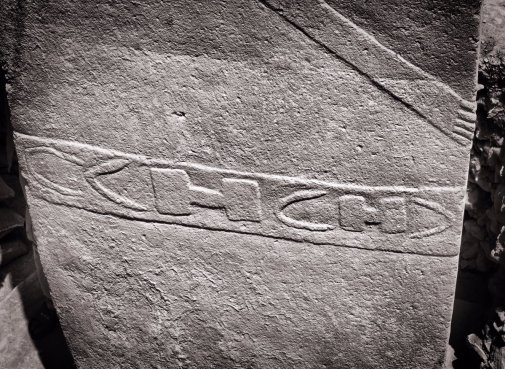
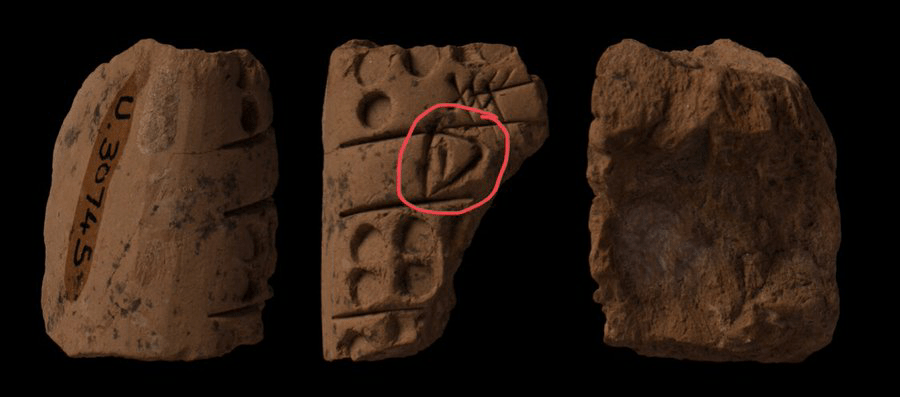
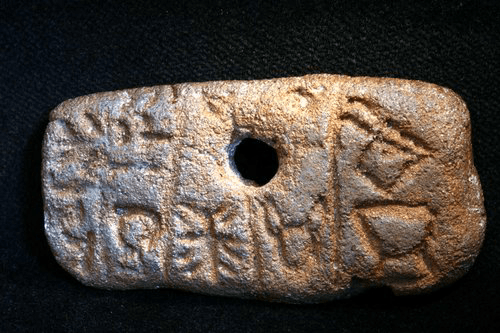
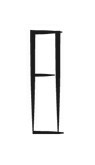
[…] Solul amestecat cu roci și minerale poate proveni doar din groapa ritualică. Acesta este un alt element faptic în favoarea afirmației privind autenticitatea artefactelor inscripționate. Prezența solului încapsulat exclude acuzațiile că sunt un fals modern neidentificat de N. Vlassa sau doar un „joc” al descoperitorului ” (sublinierea mea, A. L.). >> eugenrau: A. Laszlo a fost prezent la săpături chiar în ziua în care au fost găsite tablete, dar ciudat, total inexplicabil, nu le-a văzut (!?). Argumentele sale din articolul Qui bono? ….. mi-au schimbat din nou părerea și m-au convins că tabletele nu sunt contrafăcute. (M-am răzgândit înainte, alternativ de mai multe ori, pana a fi convins ca tablitele sunt autentice și nu contrafăcute.) Ca sa fiu sincer, articolul său ar putea fi în principal o reacție reflexă de aparare. Pentru apărarea și susținerea întregii activități a arheologilor participanti atunci la sapaturile sitului Tartaria-Lunca, lucrări care au fost criticate fără milă și au fost avansate grave acuzații.Tabletele nu sunt contrafăcute, dar în același timp nu sunt sumeriene originale, foarte vechi. Tabletele sunt reale, au fost inscriptionate de cineva și în această perspectivă sunt „autentice”. De obicei, un scrib folosea de obicei semnele folosite uzual în timpul și zona sa, ceea ce cu siguranță nu este cazul aici. Dar vă voi arăta dovezile că tablitele nu sunt mai vechi de 2.000 î.e.n. ! Un scrib nu poate nici cunoaște și nici utiliza la un moment dat semne care au fost inventate sute de ani mai târziu. ! … Cum este cazul aici, unde pe tableta rotundă, întregul rând superior conține semne surprinzator de noi : pe partea stângă, un tip de H (o scară cu 3 trepte) și în dreapta, unele D-uri și O-uri. ————- Semne cu exact această formă nu exista printre semnele proto-cuneiforme sumeriene. Sumerienii foloseau semnul proto-cuneiform Ku care are o formă „încasetata”. Din From https://cdli.ucla.edu/tools/SignLists/protocuneiform/archsigns.html

This image has an empty alt attribute; its file name is image-13.png
https://cdli.ucla.edu/tools/SignLists/protocuneiform/archsigns/KU~a.jpg

Semnul următor este GAR, adică ninda = “rație, pâine”

This image has an empty alt attribute; its file name is image-14.png
https://cdli.ucla.edu/tools/SignLists/protocuneiform/archsigns/GAR.jpg

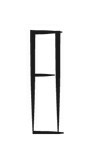
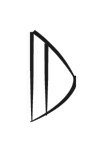
———- Deci, dacă consideram ca avem de-a face cu tablete de factura sumeriana, aceste semne nu ar trebui să fie prezente pe tablete. Rețineți faptul că pe tablita, „H” are o formă „deschisă” și bare verticale decalate, iar D este litera noastră /latina de tipar D.

This image has an empty alt attribute; its file name is image-10.png
https://neptest1.files.wordpress.com/2015/03/imagine-mare.jpg

Prima oara acest semn “H” apare exact în aceeași formă în scrierile hieroglifica Cretana și Lineare A si B (2.000 î.Hr. ca semn Pa3) și mai târziu în vechea scriere canaanita/ feniciana, ca semn Cheth / Heth (1.500 î.Hr.).

This image has an empty alt attribute; its file name is image-1.png
https://linearbknossosmycenae.wordpress.com/2017/08/27/so-called-cretan-hieroglyphs-are-not-hieroglyphs-at-all-example-2/amp/
This image has an empty alt attribute; its file name is image-7.png
Above, Linear A sign PA3
This image has an empty alt attribute; its file name is image-11.png
alphabet_chart_hhet_2.jpg

Privitor la semne cu forma D, cel mai vechi semn cu forma asemanatoare este:

This image has an empty alt attribute; its file name is image-4.png
Comparați semnul cuneiform ninda, o logogramă care reprezintă cuvântul sumerian pentru „mâncare” sau „pâine”. Prima imagine este de ninda într-o tabletă din Ur ~ 3000 î.Hr., în timp ce celelalte sunt de ninda într-un fragment al unui text medical din Ninive ~ 650 î.Hr. Mare diferență. https://mobile.twitter.com/Moudhy/status/1160935592420663296/photo/2

Unii cercetători au spus că „scribul” a imitat semnele sumeriene pentru numere (A.Falkenstein: D = 1 și o = 10), iar alții au spus că semnele D imita reprezentarea rațiilor, pâinilor sau ca secventa DDoc reprezinta fazele lunii (M.Merlini).

This image has an empty alt attribute; its file name is image-2.png
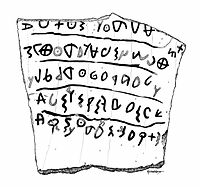
Khirbet Qeiyafa Ostracon (Iron Age I–II transition) 10 century B.C.
See https://kids.britannica.com/students/article/D-d/273894
This image has an empty alt attribute; its file name is image-3.png

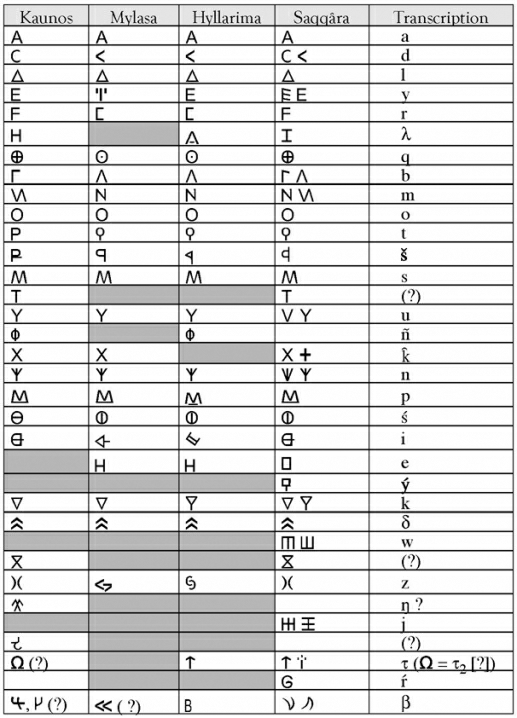
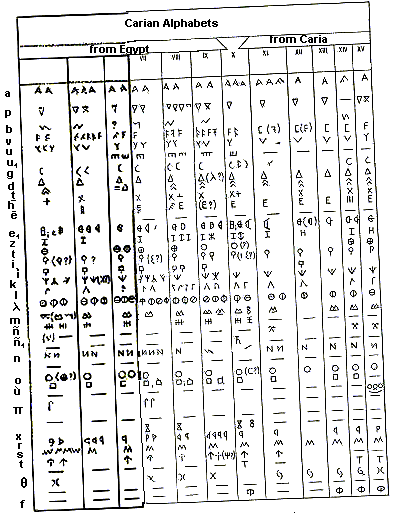
Oricum, scribul cunostea bine semnele care se foloseau deja în jurul său, nu trebuia să inventeze niciunul dintre aceste semne asa, instantaneu „pe loc”. Semnul D a fost folosit pentru litere (D si R) mai târziu în greacă arhaică (850 î.e.n.) și puțin mai târziu in alfabetele Anatoliene. Din Chapter 8 Europe-II – The Unicode Standard, Version 13.0 << Vechile alfabete anatoliene Lycian, Carian și Lydian datează toate din primul mileniu î.e.n. și au fost folosite pentru a scrie diferite limbi indo-europene antice din vestul și sud-vestul Anatoliei >> ———– Deci, semnele de pe tablete nu trebuie să aibă o origine obligatoriu sumeriană și nici scribul să fie un sumerian nativ. Pentru ca altfel, multe din semnele de pe tablete pot fi găsite în toate scrierile Egeene și în scrierile Anatoliene. Deci, locul și timpul originii ar putea fi mai degrabă zona Egee (Creta? 2.000 -500 î.e.n.) sau Anatolia. (200 î.e.n.-500 d.Hr.)

This image has an empty alt attribute; its file name is image-5.png
https://books.openedition.org/ausonius/2732
https://tied.verbix.com/project/script/asiam41.gif

AVEM MULTE SEMNE PE TABLETE DIN ALFABETELE ARHAICE GRECEȘTI ȘI ANATOLIENE, INCLUSIV FOARTE PROBLEMATICE, AMBELE SEMNE H si D ! Mă întreb dacă unele pictograme și ideograme (de origine sumeriană) ar fi putut fi transmise de-alungul timpurilor, chiar cu semnificații pierdute dar poate utilizate în ritualuri?

This image has an empty alt attribute; its file name is image-12.png
http://www.visitalbaiulia.city/worlds-oldest-writing-system IMG_1895low.jpg

———— Dacă nu luam semnele „H” și D-s ca fiind arhaice Grecești sau Anatoliene, ci ca semne ce le imita pe cele proto-cuneiforme sumeriene, atunci întregul conținut al tabletelor pare pe de-antregul sumerian. De aceea savanții A.Falkenstein, A.A.Vaiman și R.Kolev le-au interpretat ca si cum ar fi sumeriene. Primii doi, au realizat de la bun inceput că scribul este ezitant, iar semnele nu sunt sumeriene propriu-zis, ci ca-si-sumeriene. Chiar și titlul uneia din lucrări expliciteaza acest aspect: http://www.archeo.ru ›izdaniya-1Археологические вести. Спб, 1994. Вып. 3. Аннотации.A. A. Vaiman. On the Quasi-Sumerian tablets from Tartaria. Cu această înțelegere au interpretat tabletele ca fiind sumeriene. A. Falkenstein a remarcat faptul că unele semne nu sunt exact precum cele proto-cuneiforme, ci doar imitat-sumeriene, asemănător-sumeriene. Semnele proto-cuneiforme sumeriene au fost utilizate pentru o perioadă de timp relativ scurtă (3.500-3.000 î.Hr.), apoi de la 3.000 î.Hr. până în 1935 niciun ochi uman nu le-a văzut. Pentru că au stat ascunse privirii, îngropate la câțiva metri sub pământ (sub templu Eanna, Uruk). Astfel, difuzarea acestor semne a fost cumva limitată. Vedeti expansiunea culturii Uruk: https://www.researchgate.net/figure/Expansion-territorial-de-la-cultura-de-Uruk-aubet-2007_fig2_269696365 Pe harta se vede ca cultura Uruk, descoperitoarea scrisului, nu s-a extins pana in interiorul Anatoliei ori ariei Egeene. ——- Scribul cu siguranță nu era sumerian, mai degrabă negustor din Marea Egee sau Anatolia, (…sau poate cineva dintr-un loc foarte apropiat ?). Falkenstein si Vaiman dar si eu, toti am constatat ca interpretarea semnelor nu conduce la un mesaj consistent; unele semnificații sunt unice, semnificatia reieșind din semnele în sine. – Nu am nicio explicație pentru intenția scribului de a arăta semne asemănătoare celor sumeriene. Sau: – Nu voi înțelege niciodată motivația, ce l-a determinat, ambitia scribului de a arăta cuiva cum a evoluat scrisul de-a lungul timpului sau să arate câte semne sumeriene știe. ——– Am căutat în amanunt, suspectand o multime de persoane, continuand să cercetez în detaliu, și după ce le-am tot cantarit, am ajuns în cele din urmă la aceeași concluzie cu Emilia Masson: „Dacă ar fi fost falsuri, fabricarea lor ar fi fost atribuită unui mare expert în domeniu. , în același timp, un bun cunoscător al scrierilor arhaice pe care, după știința mea, România nu ii are „ eugenrau: … Dacă am cauta cai verzi pe pereti, atunci desigur, putem vedea inclusiv fazele lunii, dar un epigrafist trebuie să respecte niste principii si reguli și să caute semne apartinand unor sisteme de scriere. Așa cum au si făcut în mod firesc savantii Adam Falkenstein și Aizik Abramovich Vaiman.
WRITING: DEMIC AND CULTURAL DIFFUSION

September 14, 2021

To see how powerful and extended is demic and cultural difussion, I bring it to your attention the sumerian proto-cuneiform sign “ladder with 3 rungs”, Ku: “shine of metals, sacred,silver, precious metal, noble..”

This image has an empty alt attribute; its file name is image-6.png
https://cdli.ucla.edu/tools/SignLists/protocuneiform/archsigns/KU~a.jpg

wich was probably at the origin of other signs: minoan/linear B sign for bronze

This image has an empty alt attribute; its file name is image-8.png
https://drdudsdicta.com/2014/09/28/linear-b-decipherment-credit-where-credit-is-due/

 From http://people.ku.edu/~jyounger/LinearA/&nbsp;                      *140 [] AES bronze/copper ,and chinese signs for sun/moon:

This image has an empty alt attribute; its file name is image-9.png
https://www.digmandarin.com/wp-content/uploads/2018/06/htw4.jpg

Note: Our “ladder” sign on Tartaria round tablet has exact PA3/ cheth shape and not sumerian proto-cuneiform sign Ku shape.Using that sign, the scribe disclosed (intentionally or not) that not used sumerian 3.000B.C. sign(s).

This image has an empty alt attribute; its file name is image-10.png

https://eastasiastudent.net › japan › j…Japan in Japanese: Nihon · にほん · 日本 | East Asia StudentSo that’s how you write the ni from Nihon in hiragana. … This character

literally means ‘sun’.

? ? ? ? ? ? ?

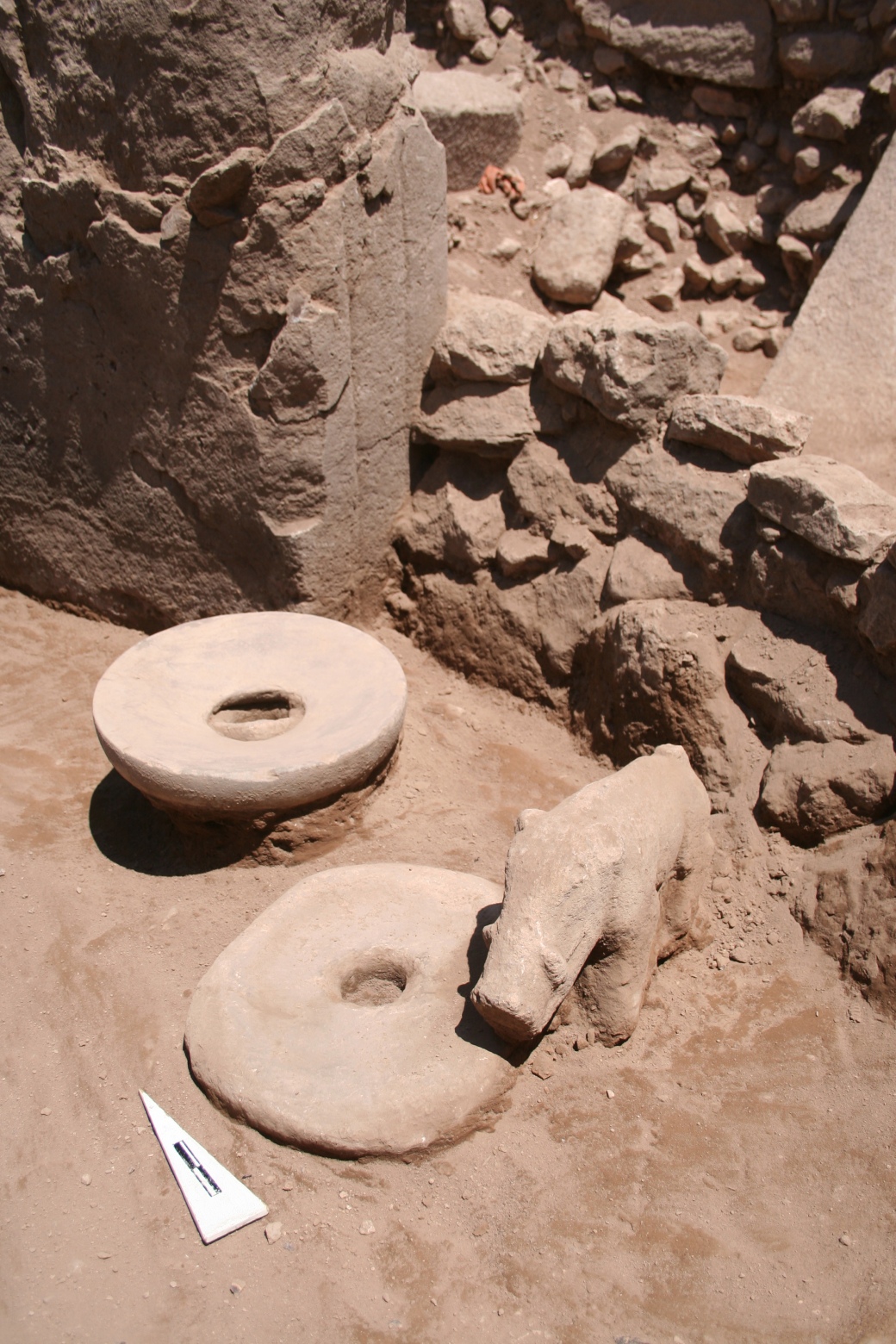
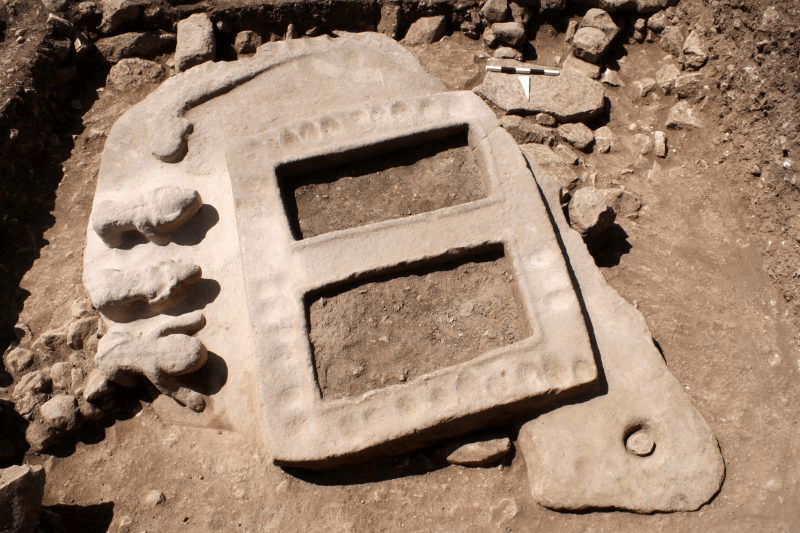
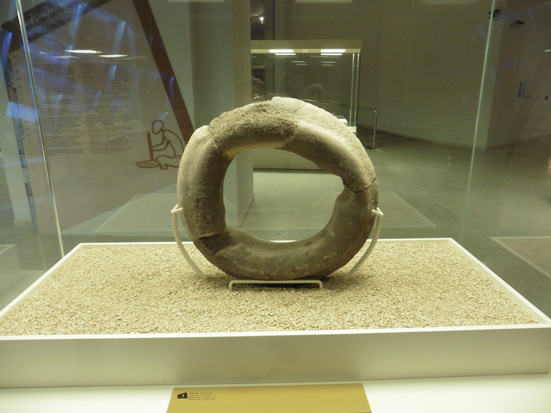
From https://www.dainst.blog › 2017/03/20 Guarded by beasts: a porthole stone from Göbekli Tepe

Göbekli Tepe. A monumental porthole stone from the northwestern hilltop areas (Photo O. Dietrich).

? ? ? ? ? ? ?

One sign wich could be related to the shape of Orion constellation: proto-cuneiform https://cdli.ucla.edu › tools › archsigns sign gar

https://en.m.wiktionary.org › wiki𒃻 – Wiktionary Sumerian g̃ar, “to place”.

….or to sign Zag:”limit,border,boundary”