Archive for the ‘Gobekli Tepe’ Category

Göbekli Tepe before Gods

July 5, 2021

ALL Göbekli Tepe STONE MONUMENTS: PILLARS, SCULPTURES OR POLES REFLECT EARLY RELIGION DEVELOPEMENT STAGES, BEFORE INVENTING GODS. ANY OF THEM REPRESENT GODS PROPER. I AM REFFERING TO THE PLACES IN AND NEAR GOBEKLI TEPE AND TO CLOSE CORESPONDING TIME SPAN. It reflects animist, totemist, shamanist and paganist stages, and presents corresponding aspects in different measures.

Understanding Religion Evolution: Animism, Totemism, Shamanism, Paganism &  Progressed organized religion | Damien Marie AtHope

Damien Marie AtHope
Understanding Religion Evolution: Animism, Totemism, Shamanism, Paganism & Progressed organized religion | Damien Marie AtHope

Be aware, animism does not mean that evrything has souls ! From Video: We Have Always Been Animists: November 7, 2019

Graham Harvey
Graham Harvey, professor of religious studies at The Open University (UK), discusses animism and how our relations are damaged by ongoing efforts to separate (human) culture from ‘nature’ and humans from other species. 

From https://cswr.hds.harvard.edu/news/2019/11/07/video-we-have-always-been-animists <<So in a significant moment in Hallowell’s 1960 article, Hallowell asks an elder– unnamed in that article, but revealed elsewhere as Kiwich– he asks this man, are all the rocks we see around us here alive? And the old man says– wonderful answer– no, but some are.>>

To be clear, not to be taken ancient people as undeveloped or naive !. Only some natural, raw rocks or megaliths, due of their particular characteristics could be for them animated (had souls, but most frequently host spirits).

From https://books.google.ro › books Silver, Sword, and Stone: Three Crucibles in the Latin American Story Marie Arana — 2020 · History The Mayans, so populous in that verdant, rain- rich terrain, made stone images of the dead and believed their souls inhabited them.

FOCUSSING ON T-PILLARS

T-Pillars reflecting animism:

From https://en.wikipedia.org/wiki/Animism << Animism (from Latinanima, ‘breathspiritlife‘) is the belief that objects, places, and creatures all possess a distinct spiritual essence. … Animism encompasses the beliefs that all material phenomena have agency, that there exists no categorical distinction between the spiritual and physical (or material) world and that soul or spirit or sentience exists not only in humans but also in other animals, plants, rocks, geographic features such as mountains or rivers or other entities of the natural environment: water spritesvegetation deitiestree sprites, etc.>>

THIS IS THE CASE WITH T-SHAPED PILLARS, CONTAIN AND REPREZENTS SPIRITUAL ESSENCE, IN MY OPINION (see other related posts) LIFE ESSENCE / “DIVINE LIFE POWER”

T-pillars – Tepe Telegrams
https://www.dainst.blog/the-tepe-telegrams/wp-content/uploads/sites/8/2019/03/D1Js5VPWoAA0bxt.jpg-large-571×800.jpg

From Mythical Stone – Page 246 https://books.google.ro › books Mythical Stone << It is not the stones per se that are worshipped in these cases, but the spirits inhabiting them. In other cases it is not a deity’s spirit but the spirit of an ancestor, a hero, or a sacrificial victim that inhabits the stone in order to be … >>

From https://sciencepress.mnhn.fr › …PDF Animals in the symbolic world of Pre-Pottery Neolithic Göbekli … de J PETERS · Citat de 219 ori — rich in animal depictions — stone figurines, sculptures and megalithic pillars decorated … Göbekli people once used to live. … stone spirits or perhaps even demons ?

T-Pillars as idols: I not agree with Klaus Schmidt : “(T-pillars) areantropomorphic idols” but agree “(T-pillars) are idols” From https://www.researchgate.net › 2710… Rezultate de pe web (PDF) The ” Hanging Gardens ” of Göbekli Tepe – ResearchGate Figures – uploaded by Constantinos Ragazas … Klaus Schmidt and others believe these are anthropomorphic religious. idols

See: https://siberiantimes.com/other/others/features/f0264-siberias-stone-idols/ Modern idol !? From The Black Stone… An Idol? | About Islamhttps://aboutislam.net › counseling › black-stone-idol

  1. <<When a Muslim prays 5 times a day he should direct himself toward the Black Stone of the Kabah in Makkah. This is while in pilgrimage everyone …>>
  2. The word ṣlm/ṣnm and some words for “statue, idol … – JSTORhttps://www.jstor.org › stable
  1. <<by F Scagliarini · 2007 · Cited by 4 — The word slm/snm and some words for “statue, idol” … Jähiliyyah during their pilgrimage to Mecca. In the … pl. asnăm) and a wooden or stone idol {watan, pl.>>

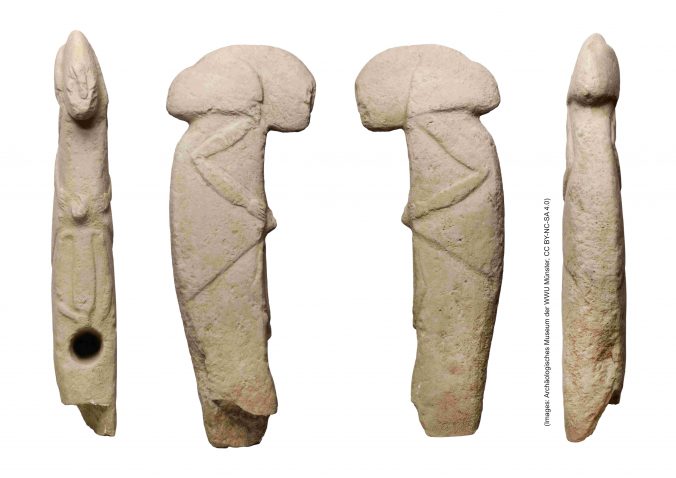
I believe T-pillars represent something different: From https://sciencepress.mnhn.fr › …PDF Animals in the symbolic world of Pre-Pottery Neolithic Göbekli … de J PETERS · Citat de 219 ori — rich in animal depictions — stone figurines, sculptures and megalithic pillars decorated … Göbekli people once used to live. … stone spirits or perhaps even demons ? T-Pillars close or even totem poles: From https://en.wikipedia.org/wiki/Totem_pole <<Totem poles (Haidagyáaʼaang)[1] are monumental carvings, a type of Northwest Coast art, consisting of poles, posts or pillars, carved with symbols or figures. … The word totem derives from the Algonquian word odoodem [oˈtuːtɛm] meaning “(his) kinship group”. The carvings may symbolize or commemorate ancestors, cultural beliefs that recount familiar legends, clan lineages, or notable events>> This is our case: represents or comemorate ancestors ! From https://books.google.ro › books Silver, Sword, and Stone: Three Crucibles in the Latin American Story Marie Arana — 2020 · History The Mayans, so populous in that verdant, rain- rich terrain, made stone images of the dead and believed their souls inhabited them LATER T-PILLAR/SCULPTURE ( not far to Gobekli Tepe, from Kilisik-Adıyaman ) COULD REPRESENT GODS: From https://www.dainst.blog/the-tepe-telegrams/2019/03/20/a-rather-odd-figure-the-so-called-kilisik-sculpture-from-adiyaman-turkey/ A rather odd figure: The so-called Kilisik Sculpture from Adıyaman, Turkey
A rather odd figure: The so-called Kilisik Sculpture from Adıyaman, Turkey  – Tepe Telegrams

Attention, the sculpture was not excavated by archaeologists, so the exact age of the sculpture is not known, (supposed PPNA-PPNB !? ) From https://www.cuyamungueinstitute.com/articles-and-news/gobekli-tepes-shamanic-birthing-temple/ <<The Kilisik Statue depicts the Birthing Posture with a hole for her vulva and her fetus ready to arrive! … Collins wonders about the significantly placed holed stone, “So if the abstract female form seen on the holed stone in Enclosure D symbolizes the Cosmic Mother, is the purpose of the synchronization between star and stone to indicate she is about to give birth?”>> From https://www.dainst.blog/the-tepe-telegrams/2019/03/20/a-rather-odd-figure-the-so-called-kilisik-sculpture-from-adiyaman-turkey/ << Hauptmann (2012, 22) even suggested to interpret this scene as a ‘mother and child’ motive (known i.a. from two of Nevalı Çori’s clay figurines). In this case the Kilisik example would represent the first female depiction to be associated with the T-shaped sculptures.>>


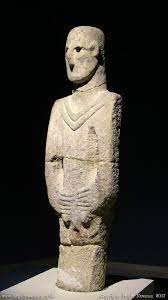
URFA-MAN WAS AN IDOL ? ( OR ANCESTOR/EARLY GOD ?)
https://www.facebook.com/MegalithomaniaOfficial/posts/1316007498448768/

From https://hi-in.facebook.com › GobekliTepeInfo › posts › c… Gobekli Tepe – Voices of the Dead: The Strange Origins of … <<Turning our attention to the strange, vaguely unsettling appearance of the face, Urfa man’s voiceless image cast by a conspicuously absent mouth and gazing obsidian-filled eyes is hauntingly enigmatic, but offers a link with another class of ancient statuary known as the eye idol.>> From https://www.sciencemag.org/news/2018/04/11000-year-old-statue-unearthed-siberia-may-reveal-ancient-views-taboos-and-demons https://www.dainst.blog › 2017/03/01 Rezultate de pe web The Göbekli Tepe ‘Totem Pole’ – Tepe Telegrams 1 mar. 2017 — It has the remarkable length of 1,92 metres. The pole features three main motives, one above another. The uppermost … From https://www.researchgate.net/publication/335716221_What_Does_Gobekli_Tepe_The_World’s_Oldest_Temple_Tell_Us_In_Terms_Of_Religion_And_Theology GOBEKLI-TEPE IS AN PROPER TOTEM POLE From https://www.dainst.blog/the-tepe-telegrams/2017/03/01/the-gobekli-tepe-totem-pole/ <<The sculpture had been set in the north-eastern wall of a rectangular room of Layer II and was not visible originally due to the wall completely covering it. It has the remarkable length of 1,92 metres. The pole features three main motives, one above another. >>
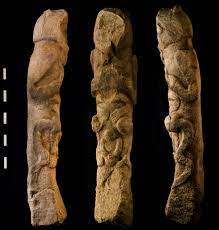
FERTILITY, FEMALE-related IDOL ? From NatureThe phallus of the greatest archeological finding of the new millenia: an untold story of Gobeklitepe dated back 12
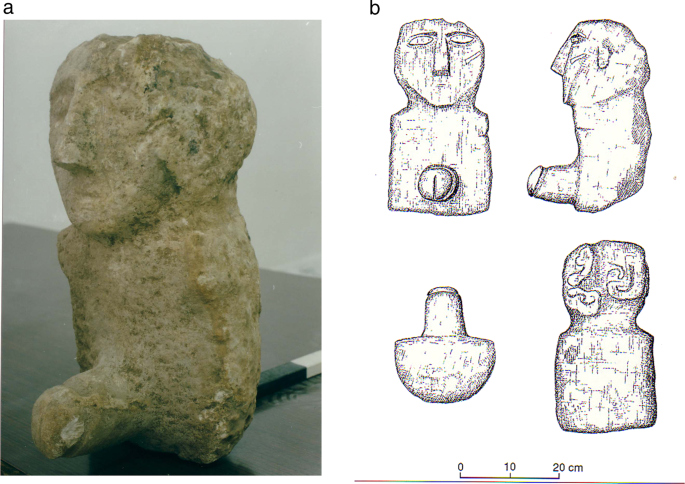
The phallus of the greatest archeological finding of the new millenia: an  untold story of Gobeklitepe dated back 12 milleniums | International  Journal of Impotence Research

From https://www.bibliotecapleyades.net/arqueologia/gobekli_tepe01.htm <<One site was Balikligöl, where the idol was discovered. It is a giant ithyphallic male (image left).
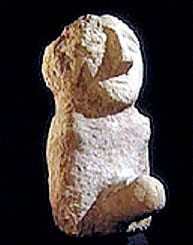
What it represents is anyone’s guess, although it has to be connected with fertility and fecundity of the land.>>

Göbekli Tepe.De ce gentute ?

June 18, 2021

Denumite generic “Gentute”, acestea apar in lume intr-un interval de timp extrem de larg, de aproape 10.000 de ani (9.600 IEN-400 EN).Ceea ce reprezinta trebuie sa fie ceva important, comun mai multor populatii, relativ independent de aria geografica, perioada si culturile concrete. Este posibil ca odata aparut simbolul ( la Gobekli Tepe) acelea aparute ulterior in lume sa aiba o legatura cu primele, sau o explicatie. Putem merge numai dinspre trecut spre prezent. Ceea ce au reprezentat gentutele ulterior nu poate justifica explicatii de ceea ce au reprezentat anterior. Un exemplu concret a ceea ce are rezultat aceasta asertiune: Nu este cel mai potrivit apelativ “gentute” pentru cele 3 figuri de la Gobekli Tepe intrucat nu sunt figurate ca fiind tinute in mana ! … si ca atare pot fi inafara de gentute, inca in plus multe altele. Pilonul 43 de la Gobekli Tepe :”Piatra Vulturului”:

Gobekli Tepe: Does the “Vulture Stone” Depict a Cataclysm 13,000 years ago,  and ANOTHER Due Approximately NOW? | END TIMES PROPHECY
https://endtimesand2019.files.wordpress.com/2018/12/gobekli-tepe-7-1.jpg

Atentie: faptul ca manerele nu sunt pozitionate cum ar trebui pentru galeti sau gentute, simetric se datoreaza posibil necesitatii existentei unui spatiu minim pentru figurarea acelor animale !

https://i.pinimg.com/originals/b7/75/96/b7759686c8fa69e6fea01bdb4e7c95c4.jpg

Aceste gentute de mana au fost si inca sunt un subiect mult discutat, subiect care a deschis chiar multe polemici. Fiecare cercetator a inceput prin a arata contextul in care au existat si au terminat cu interpretarea lor, de fapt aceasta fiind finalitatea cercetarii, singura si cea mai importanta. Sa nu mai spun ca natura a ceea ce ar reprezenta se aflat intr-o paleta extrem de larga. Incat privit din punctul de vedere al unui cercetator, unele din celelalte ar putea parea chiar rizibile. Multi cercetatori sau “autoblocat” singuri chiar avand o fixatie asupra ceea ce reprezinta ca obiect si nu a ceea ce autorul a vrut sa sugereze sau ceea ce contin. Unii au propus ca reprezinta: – constructii, acoperisuri boltite – capcane pentru animale – apusuri de soare, – cosmosul (!?) Exemplu de ipoteza nastrusnica: Din https://www.academia.edu › <<Uncovering the contents of the three bags and their power … In “The Shaman Phallus’ I have linked the ancestors of Gobekli Tepe to a fertility … In this paper and ‘The Shaman Phallus’ we have established the bags represent shamanic ancestors.>> “posetele reprezinta stramosi samanici”

Chiar arheologul care a descoperit monumentele, Klaus Schmidt in a carui interpretare mi-am pus aproape toate sperantele, as putea spune ca mai degraba ma dezamagit, spunand ca ar putea reprezenta cladirile de acolo (!?) Din https://www.researchgate.net › 2595… Rezultate de pe web (PDF) So Fair a House Gobekli Tepe and the Identification of Temples … 24 sept. 2015 — … or vaulted roofs. The small animals to the right of each “roof” could be clan or house emblems (vaulted roofs=acoperisuri boltite)

Din https://www.easternturkeytour.org › … Rezultate de pe web Göbekli Tepe – Eastern Turkey Tours 22 apr. 2019 — Each of these “bags” with an animal poised right by them, is a simple, but effective animal trap. (a nimal trap=capcane de animale) —————————– Personajele cu gentute in mana ilustreaza ceva de natura magica sau misterioasa. Misterul nu este obiectul tinut in mana ci ceea ce contine el. este clar ca e vorba de un obiect utilitar devreme ce are un maner. Este un obiect mai degraba de folosinta zilnica, vas, cos chiar obiect de cult, generic container.

“What is it with the handbags”? https://www.easternturkeytour.org/gobekli-tepe-what-is-it-with-the-handbags-ask-a-country-boy/ <<A huge amount of energy is expended on the subject of “bags” because this particular accessory seems to appear right across the world in ancient art and monumental sculpture. It transcends both geography and time. It is a ubiquitous feature and, as a result, has invited a huge amount of speculation and generated a huge amount of discussion, often quite heated discussion. The bags are frequently assigned a magical or mystical purpose and additionally, are cited as evidence supporting a range of diffusionist hypotheses.  I am not going to comment on this aspect of the phenomenon, other than to say that in my simple interpretation…..in a world with no pockets: bags. Lb.Romana: O cantitate uriașă de energie este cheltuită pe subiectul „genților”, deoarece acest accesoriu special pare să apară chiar în întreaga lume în arta antică și sculptura monumentală. Ea transcende atât geografia, cât și timpul. Este o caracteristică omniprezentă și, ca rezultat, a invitat o cantitate uriașă de speculații și a generat o cantitate uriașă de discuții, adesea discuții destul de aprinse. Pungilor li se atribuie frecvent un scop magic sau mistic și, în plus, sunt citate ca dovezi care susțin o serie de ipoteze difuzioniste. Nu am de gând să comentez acest aspect al fenomenului, decât să spun că, în simpla mea interpretare … într-o lume fără buzunare: genți. >>

Cu siguranta nu este vorba de manipularea unor bunuri de folosinta zilnica. Imaginea ascunde o naratiune, poveste si nu este vorba de aspectul sau fizic ci de cel spiritual. In container este ceva de o importanta extrema pentru o populatie, ceva destul de important incat sa nu conteze care este acea populatie in mod concret. ————————— Exista mituri comune si recurente mai multor civilizatii precum cel al potopului sau al unui personaj mitic civilizator, (pamantean zau zeitate). Acel personaj a venit cu cunostintele de baza necesare unei civilizatii, fiind inteligent si avand cunostintele in cap. Insa acest fapt nu se poate reprezenta plastic, astfel incat este intuitiv si mai usor de inteles daca a venit cu aceste cunostinte ca si cu un pachet sau cadou. Respectiv continute intr-un gen de container. Este adevarat ca acest continut poate fi unul de natura magica sau cunostinte concrete. Nu uitati ca la asirieni gentutele le tineau apkalu, un gen de intelepti. Din https://wp-en.wikideck.com/Apkallu <<Apkallu (Akkadian) and Abgal (Sumerian) are terms found in cuneiform inscriptions that in general mean either “wise” or “sage”.The term apkallu has multiple uses, but usually refers to some form of wisdom; translations of the term generally equate to English language uses of the terms “the wise”, “sage” or “expert” Apkallu (akkadian) și Abgal (sumerian) sunt termeni găsiți în inscripțiile cuneiforme care în general înseamnă „înțelept” sau “inteligent”.Termenul apkallu are multiple utilizări, dar de obicei se referă la o formă de înțelepciune; traducerile termenului echivalează în general cu utilizarea în engleză a termenilor „înțelept” sau „expert”.O altă utilizare a termenului Apkallu este atunci când se referă la figurine utilizate în ritualurile apotropaice; aceste figurine includ hibrizi om-pește reprezentând cei șapte înțelepți, dar includ și figuri cu cap de pasăre și alte figuri. >> La sumerieni, cunostintele (“Me“!) au fost furate de pasari, vulturi de la zeitatea Enlil apoi recuperate si date lui Enki, apoi populatiei. Observati cum pe stela (Vulture stelae) de la Gobekli Tepe unde sunt figurate gentutele nu intamplator avem figurati vulturi .

Gobekli Tepe | Michael Cope's Blog
https://mcopesblog.files.wordpress.com/2013/04/img_0129.jpg

Din http://oracc.museum.upenn.edu/amgg/listofdeities/enki/ <Tableta a fost furată de un demon rău asemănător unei păsări pe nume Anzu, dar eroul Ninurta a câștigat-o înapoi. > De notat ca in dreapta fiecarei gentute este figurata cate o vietate, animal. Acestea pot fi “animale de putere” sau de ajutor ale samanului dar pot fi si totemuri ale unor triburi principale. Din https://m.facebook.com › posts # 121 Solving the… – Gobekli Tepe Pillar 43 – Vulture Stone | Facebook With each bag or ”Shamanic Square’ representing an ancient shamanic ancestor with their corresponding power animals (Bird, Goat, Bee) . —————————————– Am remarcat un gen de legatura, posibila continuitate intre simbolurile folosite la Gobekli Tepe si semnele sumeriene proto-cuneiforme ulterioare. In cazul de fata, semnul de cos, container din forma pictografica prezenta la Gobekli Tepe a fost ulterior schematizat in forma cu aspect cuneiform, semnul Ga2.

TARTARIA TABLETS.VINCA-TURDAS CULTURE.PROTO-WRITING: Sumerian influence on  Aegean writing

Si din https://cdli.ucla.edu/tools/SignLists/protocuneiform/archsigns.html semnul Ga2~a1

 From Archaeology of Food: An Encyclopedia Karen Bescherer Metheny, ‎Mary C. Beaudry file:///C:/Users/User/Downloads/Vessels_and_other_containers_for_the_sto.pdf                         “This frame or container sign is reletad to a symilar basket or box, namely the sign GA2”  DECI SI PESTE MII DE ANI LA SUMERIENI FORMA A REPREZENTAT IN CONTINUARE COS/CONTAINER                                                                                                                                                              From  https://www.sumerian.org/sumerian.pdf&nbsp;                                                                              ” GA (pronounced nga,ñá): basket; house; stable (cf., ñar) [GA2 archaic frequency: 125; concatenation of 5 sign variants].
GA (nga,ñá): (cf., ñál, ñar, ñe26 and ma(3)) ”

(DOC) The Ruler as Possessor of Power in Sumer (draft copy …http://www.academia.edu › The_Ruler_as_Possessor_of…

  1. The main idea is that Sumerian ruler was only passive recipient of authority … which consists of three elements: GA2 ‘the container‘, ME and EN ‘governor’.

Apoi semnul proto-cuneiform DUB=”tableta” este identic cu cele de pe pilon. Din https://cdli.ucla.edu/tools/SignLists/protocuneiform/archsigns.html Semnul DUB~c

Tablet Entries – Cuneiform Digital Library Initiative – UCLAhttps://cdli.ucla.edu › cdlitablet › showcaseThis Sumerian cuneiform tablet records a list of medical practices and … and the sign DUB,Sumerian reading designating a clay tablet

Radacina lingvistica DUB este comuna limbii sumeriene si familiei I.E. si semnifica “stampilare, imprimare“.Deci acel semn a reprezentat sub forme apropiat-identice initial cos/container. Cand s-a pus problema ce semn sa fie folosit pentru scrib si tableta, desigur ca nu au cautat un semn nou. Au folosit semnul pentru container cu care se transportau tablete si cunostinte.

Archaic Bookkeeping: Early Writing and Techniques of …https://books.google.ro › booksHans J. Nissen, ‎Peter Damerow, ‎Robert K. Englund · <<The Education and Profession of the Scribe MAC CH4 Figure 83. … that the word DUB ( proto – cuneiform sign ) on its own designated the scribe during this early >>

Daca am asocia cele doua notiuni am avea “tablete in container” deci cunostinte. Nota Atentie, noi avem figurata ideograma container/tableta si nu cunostinte.Seturile de cunostinte erau “Me”-urile.(Forma grafica a lui Me este “T”) Din https://cdli.ucla.edu/tools/SignLists/protocuneiform/archsigns.html semnul Me~a

Sumer – Wikipediahttps://en.wikipedia.org › wiki › Sumer The story of the passing of the gifts of civilization (me) to Inanna, goddess of Uruk and of love and war, by Enki, god

Din https://5geo.ru/en/shumerskaya-kultura-drugie-vazhnye-bozhestva-v-kakom-smysle/ Some researchers believe that “me” are the prototypes of all living things, emitted by gods and temples, “Divine rules”.Unii cercetători cred că „Me” sunt prototipurile tuturor ființelor vii, emise de zei și temple, „reguli divine”.

DOCUMENTARE ADITIONALA

An introduction to the grammar of Sumerian – CORE de G Zólyomi · << Sumerian is a language isolate with no known ancient or modern relatives. … The reduction of Proto-Semitic gutturals in Akkadian at around this … dub-šen ➙ tupšinnu “treasury box”>>

https://ammost.info › dev › graham-… Graham Hancock Explains the Mystery of the Olmecs | Joe Rogan … Mesopotamia and Gobekli Tepe … what a WINDBAG Hancock can be … yes he … At 3:14 it makes sense that the bags represent knowledge for the reason that .

Din https://new-indology.blogspot.com/2015/05/sumerian-and-indo-european-surprising.html?m=1&fbclid=IwAR05wAhHzTlePe1fJCE5q8xUJx7j26bv1SC_omccSdxSO9G3XFeItff544M <<Sum. dub ‘tablet’dubsar ‘scribe’ (‘tablet-writer’), dub ‘to push away, down; to smash, abolish’ (Akkadian translation), ‘to hammer’ (Civil’s Glossary), dubdab-za ‘to make noise’ (PSD), ‘thud, batter’ (CG), PIE *(s)tup/tub/tubh ‘to hit, beat’, Greek typtein ‘to beat, strike’, typos ‘blow, impression of a seal, mould, engraving, engraved letters’, OCS tupati ‘heartbeat’, tuputu ‘noise’; *tap- ‘to press down’, Old Icelandic þefja ‘to stamp’, þóf ‘thronging, pressing’, Russian tópat’ ‘to stamp (one’s foot); *daph- ‘to push, stamp, thrust’, Arm. top’el ‘to beat (clothes)’, depiti ‘to beat, hit’, Polish deptać ‘to tread, trample’, *stab/stamb/stambh/stap- ‘to hit, press, stamp’, Greek steibein ‘to tread or stamp on’, Old Norse stappa ‘to stamp with the foot, beat, pound’, OHG stapho ‘step, footprint’, OCS stopa ‘step, pace’, stopiti ‘to tread’,Punjabi thappṇā ʻto beat, hammer, fixʼ, ṭhappṇā ʻto strike, close a book, stamp, printʼ, Kumaunī ṭhāp ʻthumb impression, sealʼ, Hindi ṭhappā m. ʻstamp, mouldʼ. Old Persian dipi- ‘writing’ is considered as coming from Elamite tippi, more ancient tuppi, supposed to be an evolution of Sum. dub itself. But in this context we can propose that the Elamite form is connected with a common root dub/tup- ‘to stamp, impress’.>>

Din https://books.google.ro › books Archaic Bookkeeping: Early Writing and Techniques of Economic … Hans J. Nissen, Peter Damerow, Robert K. Englund — 1993 · Foreign Language Study There is , however , a possibility that the word DUB ( proto – cuneiform sign ) on its own designated the scribe during this early stage

Archaic signs UCLA, proto-cuneiform sign DUB :

Tartaria tablets | Tartaria tablets | Page 10

What symbol for divinity is expected, or express better divinity sphere ?

May 11, 2021

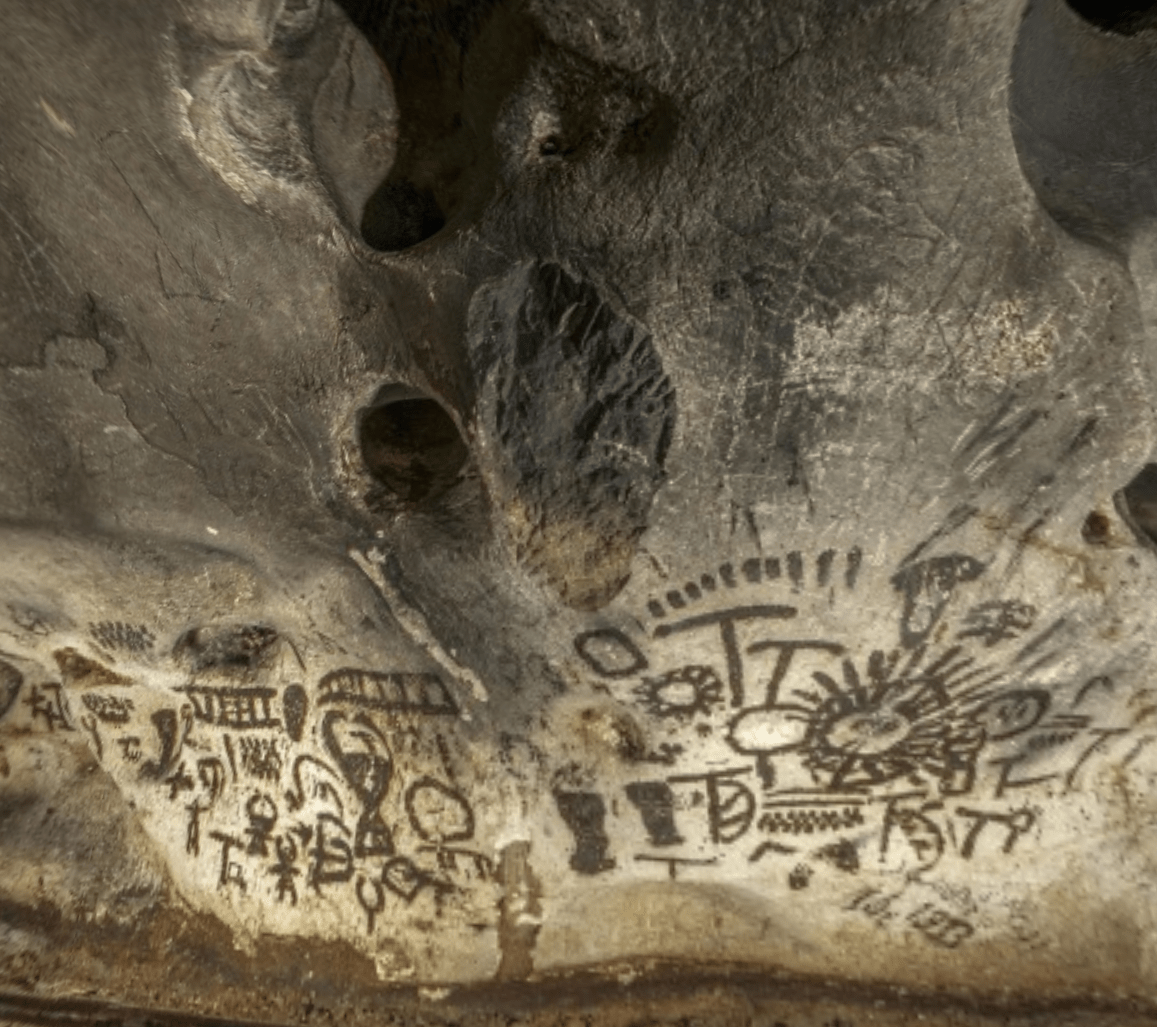
THE DIVINITY ICON IS NOT DIVINITY ITSELF ! It is only a reminder, a mnemonic sign. Exemple, nowday christian cross not represent god, it is only a sacred sign. We know our nowdays divinities wich must be antropomorphic, and expect the same for the civilisations of the past. But things not always worked so. Hunter-gatherers had no a very high complex and stratified society, to need an human-like ruller or superviser. They not needed a divinity wich regulate social life as much as divinities wich regulate natural enviroment.Their life passed largely in nature and depended on nature elements. They rely on rather on mountain, wood an animal spirits. Largely and far away, the sign for divinity is a matter of convention. In greatest measure, all processus happens in our minds. Much important is what we feel and think than what is the real picture or the sharp reality, because the spiritual reality is at human beeings one level above, “1-st degree reality”. Divinity is in fact cosmic powers and order. Image from Magura cave, Bulgaria (~10.000-8.000 B.C. ?)

https://www.facebook.com/AncientEnthusiast/photos/1657003154360211

Tau cross is not but a cross, one even much simplified. If try to simplify further cannot, cause obtei an turn, turning (L-shape). As divinity is allways right, the cross sign has vertical lane and right angles. Pillars are Orthostates – Wikipediahttps://en.wikipedia.org › wiki › Orthostates , upright stones. Thousend years lasting and directed toward sky. If horizontal part of + or T is the earth or sky, no matter, cause we have the vertikal line wich realise the connection. Tau shape/icon is related to: – Bucrania – human torso/body – hammer, ! all symbols of power !

From https://cdli.ucla.edu/tools/SignLists/protocuneiform/archsigns/ME~a.jpg

From https://www.sumerian.org/prot-sum.htm <<me, mì; gtildee: n., function, office, responsibility; ideal norm; the phenomenal area of a deity’s power; divine decree, oracle; cult. ; v., to be; the Sumerian copula; to say, tell. ; poss. suffix, our. ; me3,6,7,9: battle. >> Sumerian me, has also many other meanings :” ritual, to be, beeing, will to live..” From https://www.ancient-origins.net/opinion-guest-authors/cosmic-power-shaman-and-symbols-g-bekli-tepe-part-ii-005194 << One of the highly disputed symbols is the H-like symbol (and also “( H )” symbol) which is seen carved on  Enclosure D pillars. Some say this symbol emblematizes the Orion constellation. I think this is not true. Because, besides the “H “symbol, there is an “I-like” symbol, which can define as slanted “H”. Both of them are not related to Orion. To provide some intriguing and factual meanings based on cultural and archaeological datas: “H” symbol is not only a monolith symbol itself. It consists of two parts, which we can define as Tau. We encounter the same “H” symbol in Utah petroglyphs which are made by Anasazis. Indeed, we see the complete “( H )” symbol. Here the “H” symbol is not alone. On both sides there are other symbols.>> See chinese characters “above” and “down”:
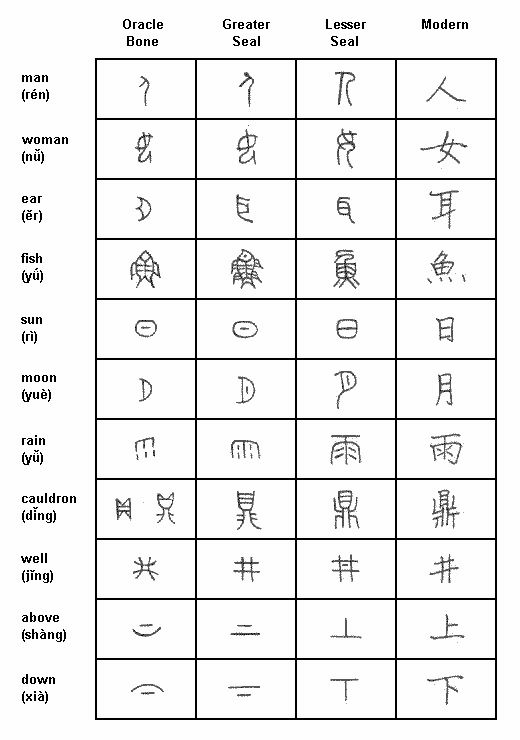
https://www.wildleaptravel.com/wp-content/uploads/2020/05/%E7%94%B2%E9%AA%A8%E6%96%87.png

From The Fundamental Principles of Old and New World Civilizationshttps://books.google.ro › books Zelia Nuttall <<The preceding data, which could be amplified, seem to show that the natives associated the tau-shape not merely with the idea of the Male and Female principles, but also with the Above and the Below, or Heaven (air and water) and Earth (earth and fire). ….. As I shall have occasion to demonstrate further on, the double tau signifies the Above and the Below and their union forming an integral whole. …. I venture to point out how obviously Thor’s hammer symbolizes the union of the Above and Below, the heaven represented by the horizontal line resting on the perpendicular support, symbolizing the sacred pole, column, mountain and tree intimately associated with Polaris, the world axis.>> Now see at Göbekli Tepe, double tau:
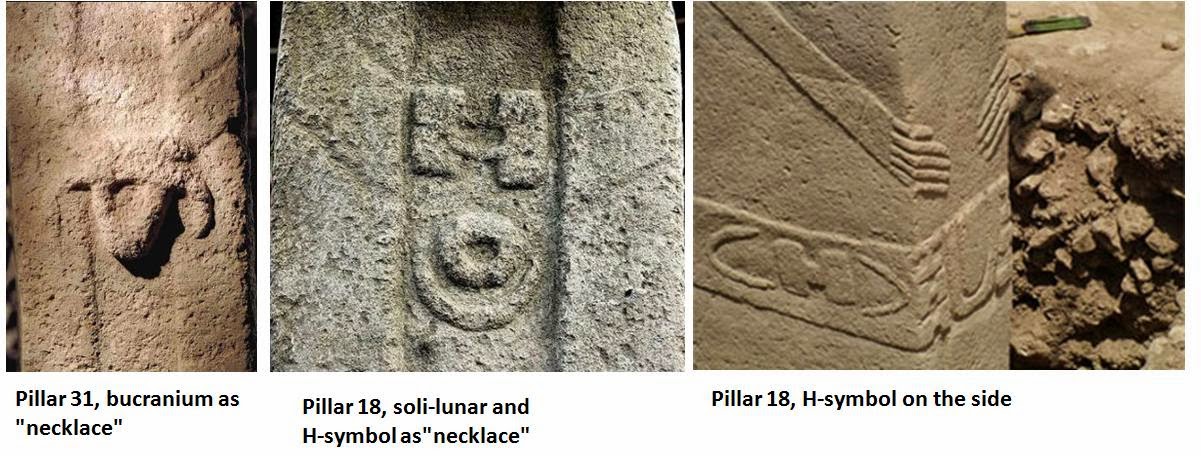
Cosmic Power of the Shaman and Symbols at Göbekli Tepe - Part II | Ancient  Origins
https://www.ancient-origins.net/sites/default/files/styles/large/public/pillars-at-Gobeklitepe_0.jpg?itok=Mk_kj418
http://thehiddenrecords.com/images/gobekli-tepe-h-symbol2.jpg

Circassian (adyghe) “god Tha cross”:

https://i0.wp.com/www.colmcille.org/files/argyll/lightbox/tory_tau_cross3.jpg

In a quite restraint area, (allmost the same that of haplogroup G2a) were used in the course of the history at least 3 “T” signs: Gobekli, Caucasus and Sumeria.

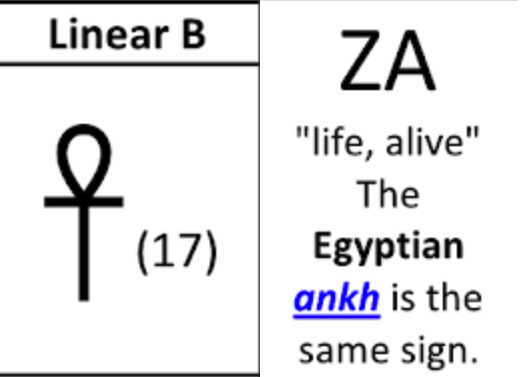
~~~~~~~~~~~~~~~~~~~~~~~~~~~~~~~~~~~~~~~~~~~ I searched and knocked the sumerian “me” sign all-around in order to find the mistery around it, and the resul was that represented esence of “LIFE“. Very interesting, the egyptian sign for life, “ankh” is very close, beeeng an T-sign and wich has attached an circle or drop-shape.

Originea Gherga: 44. Gherga în N Africii
https://tartariatablets.com/wp-content/uploads/2021/05/4cd3a-image158.jpg

So the meaning of the sign Ankh, really is “ETERNAL LIFE”, not simply life. Ankh – Wikipediahttps://en.wikipedia.org › wiki › Ankh The ankh or key of life is an ancient Egyptian hieroglyphic symbol that was most commonly … For this reason, the gods were often depicted in tombs giving ankh signs to humans, usually the pharaoh SO THE CIRCLE IS CLOSING: IN EGYPT AND ANATOLIA FROM EARLIEST TIME, HUMANS USED CLOSE-SHAPE SIGNS FOR LIFE, ETERNAL OR NOT. Now see a little surprise:

From Old European culture Breath http://oldeuropeanculture.blogspot.com/2018/03/breath.html <<Now have a look at this: Ancient Greek: ζάω (záō) – I live. This word is actually derived from Linear B “za” symbol which is in the shape of the Egyptian ANKH which means “life”.

oldeuropeanculture בטוויטר: "And it looks like Egyptian Ankh could have  come from Sumerian An+Ki = Sky+Earth = Sky Father+Earth Mother = Life.  From: https://t.co/VM6XSserM1… https://t.co/9l8VlRtt4f"
https://pbs.twimg.com/media/ERaZmB_X0AEX8HW.png

This symbol is traditionally transliterated as “za”, but some people suggest that the sign should be transliterated as “ka”.This is very interesting as it shows the antiquity of the “z” root for the word for life. .. So we could say that “breathing”, or “breath” is at the root of life.But I believe that we have even more proof that the “ži”, “dji” root is indeed the original root for the above cluster of words meaning life, living. Let me ask you this question: What does it mean to be alive? Some would say that to be alive means to have a soul still inhabiting your body. Interestingly, Hittite word “zi” meant “soul, spirit, seat of life, person“…At the same time in Sumerian language we find this word: “zi” (ži?) – breathing, breath (of life), life, throat, soul…>>

From https://www.academia.edu › HELLE… (PDF) HELLENIC ORIGIN OF EUROPE: Formation of the … The hieroglyphic sign No 18 = Egypt. ankh ‘life, to live’ = Lin. A, B za < Greek ζάω ‘to live’ < Indo – From https://hellas.bab2min.pe.kr/hk/za?l=en << ζά? ; Transliteration: za Principal Part: ζά Etym.: aeolic for διά>>
From https://en.m.wiktionary.org/wiki/%CE%B6%CE%AC%CF%89?fbclid=IwAR1QCEsJ5gniJQukLgZW-d3JD2RJ7PtUpRbD09yogb8sEDcs4lwEBdm8OmM << ζάω  (záō): ” I live”>> From https://books.google.ro › books Schrevelius’ Greek Lexicon translated into English … Third … Cornelis Schrevel — 1841 <<Zñlos , envy ; ZA ‘ , , to live , flourish , revive >>

From https://en.m.wikipedia.org/wiki/Dia_(mythology)?fbclid=IwAR28E53ZkAHghqnWnV5RaDRiMw0sHuXvoevcdxo5drrCOkPvRDIByz5kpd4 Dia (Ancient Greek: Δία or Δῖα, “heavenly”, “divine

9.000 B.C. Göbekli Tepe people’s genetics

May 5, 2021

Genetics reveal that Göbekli Tepe neolithic population had deepest origin between Levant (Natufian civilization?) and Caucasus (see G-M201haplogroup) . Northern Mesopotamia and Caucasus was the origin of Eastern Anatolia (Sanliurfa-Göbekli Tepe) people. (see G2a haplogroup) They gave life to central Anatolian neolithic agricultural cultures.(see spread of G2a haplogroup) From that ones agriculture spread in Europe. As nowdays one can see that in Caucasus there is no religion and gods as in developed stratified complex societies, but one “Habza-way”- understanding, of a type much close to nature than inner society life. From Caucasian neopaganism https://wikizero.com/en/Caucasian_neopaganism?fbclid=IwAR2XBry6IFzM3cF6dK99kXZ2PPUgrmv6_oto2BAUQw5CQPNMgReJUL6AqQU <<Circassian paganism, also called Khabzeism, is a pagan faith and one of the abandoned parts of Adyghe Xabze.An important element is the belief in the soul (psa) of the ancestors, who have the ability to observe and evaluate the affairs of their offspring. ……The souls of the ancestors require commemoration: funeral feasts are arranged (hedeus) and sacrifice or memorial meal preparations (zheryme) are practiced and distributed for the remembrance of the dead souls.The Habzist theology is monistic, with utmost prominence given to the god Tha …”his spirit is scattered throughout space”. …The material-manifested world is in perpetual change, but at the same time there is a foundation that always remains unshaken. That is the originating principle of the world and its Law.  Followers of this worldview, sometimes also Islamised, are found in modern day Turkey. The Xabze beliefs and Sufi-Islamic beliefs are seen as complementary philosophies by Circassians.The gods and goddesses are divided into two fundamentally different groups:

  1. Gods without image, cosmogonic (Tha, Uashkhue, Psetha, Schyble).
  2. Anthropomorphic (humanoid) gods (Mezytha, Tlepsh, Thagaledj, etc.). >>
  3. From Adyghe / Circassian Habzehttps://aratta.wordpress.com/2013/10/16/adyghe-circassian-habze/
The Adyghe “hammer cross” representing god Tha
Habzist wheel.png
A Xabze wheel, representing the articulation of the universe from the center, Tha

The same was in 9.600 B.C. there, at Gobekli Tepe were no proper gods as we are accustomed to see, but rather animistic entities/demons and totem animals wich were close to wild animals and people way of life. SO, I COULD HIPOTHESIS OF GENETIC AND CULTURAL-RELIGIOUS CONTINUITY IN NORTHERN MESOPOTAMIA (SOUTH-EASTERN ANATOLIA AND CAUCASUS). SOME COMMON CAUCASIAN-GOBEKLI-SUMERIAN TRAITS ARE: – Animist religion origin (a soul resided in every object, animate or inanimate, functioning as the motive force and guardian >> T pillars, alive ! Ghosts, demons, and deities inhabited allmost all objects !) Totemism (present at gobekli and Caucasus) – Gods without image – T(Tau) icon=God Tha icon Sumerian sign T=”ME”=”divine powers, essence, rite,beeing,will to live, etc etc” – Same genetic pool (haplogroup G2a) – Habze wheel spokes<12>Gobekli pillars =============================== From Origin & Evolution of a Family :The Y-DNA Story http://shissem.com/Hissem_DNA.html?fbclid=IwAR35Zlsuax0sbMk6h-hjWvt1xe-uUXyH3lPFHWW05XSW8lkJetUoHyo_-us << Over the next 20-30,000 years haplogroup descendants of haplogroup F arose in the Near East, history’s Fertile Crescent, then fanned out to populate the globe. These include all members of Haplogroups G through T, or 90% of the world’s population. The Origin of Haplogroup G ..haplogroup G, is defined by a mutation at the M201 site on the chromosome and is a widespread, but relatively uncommon type. Members of the haplogroup share a common ancestor who developed a mutation from the earlier haplogroup F about 45,000 years ago. The Upper Paleolithic The period from 50,000 to 10,000 years ago has been called the Late Stone Age or Uppler Paleolithic, and pre-dates the discovery of agriculture. It was in this period that anthropoligists believe mankind first began to demonstrate the ability to use complex symbolic thought and express cultural creativity, seen in cave paintings and the carving of voluptuous fertility figures.Exactly where in the Middle East haplogroup G may have originally emerged has been widely and fiercely debated. One group argues that it was somewhere in the region of the Caucasus mountains. This is the area of the greatest concentration of G haplotypes today. Haplogroup G is most common in North Ossetia and specifically, the town of Digora, with an average frequency of 74%. 29% of the Kabardinian and Balkarian peoples of the northwestern Caucasus are G types, and Azerbaijan and Armenia also have high concentrations of the haplogroup.

The other camp argues that it is a mistake to take this concentration of modern haplogroup G samples as proof of origin. They hold that the haplogroup arose, or at least had its population break-out, in the Levant of modern day Syria, Lebanon and Israel.

“Notice that while G-M201 reaches a high frequency (of about 50%) only in some areas of the Western and Central Caucasus, the variance of G for 8 (?!) STRs is highest in the Southern Levant.” – from the Facebook G-M201 webpage

So, in sum, haplogroup G’s origin was in the north or the south or in-between . . . Up until the last few years such theories were based on the use of DNA extracted from modern subjects and making assumptions based on current population densities. New techniques have since been developed that allow the use of DNA from ancient burial sites and these show little correlation with current dispersal patterns. One of the DNA field’s main researchers has said,

“. . . the homeland of this haplogroup [G] has been estimated to be somewhere nearby eastern Anatolia, Armenia or western Iran, the only areas characterized by the co-presence of deep basal branches as well as the occurrence of high sub-haplogroup diversity.”

So, perhaps we can agree to say that the locus of haplogroup G’s emergence was somewhere in the Fertile Crescent of the Middle East, but most likely at its extreme northern tip in south-eastern Turkey, or Anatolia. …. ….. Haplogroup G had a slow start, evolving in isolation for tens of thousands of years, with a small population. A smaller population meant fewer total mutations and a more homogeneous group. …. ….. Our earliest G-type ancestors would still have been Stone Age Hunter-Gatherers, organized into small bands of semi-nomadic people living off the land. Genetic researchers refer to them as Anatolian Hunter-Gatherers (AHG). That group makes up one of the three ancestral types to populate Europe. The others were Western Hunter Gatherers (WHG) who entered Europe during the Paleolithic and Ancient North Eurasians (ANE) who entered in the early Bronze Age. The Dispersal of Haplogroup G The G-type parent clade, G-M201, finally branched into G1 and G2 types about 23,000 years ago. The population holding the G1 mutation would migrate east, out of the Fertile Crescent, into Iran, crossing over the Zagros mountains. Later they also moved north into Kazakhstan and further east into western India. Haplogroup G2, a mutation at P287 [L89], would move west into Anatolia and Cyprus, and northeast into the Caucasus Mountains. As you’ll read, below, our ancestors were part of the group that moved west. However, it was the descendants of these two main branches that would migrate and none of these movements would begin until the greatest invention in man’s history had been made, that of agriculture. This inspiration ushered in the era of the Neolithic, or New Stone Age, but it wouldn’t begin until another 10,000 years had passed.

Early Farmers and the Neolithic Spread of Haplogroup G2a We’ve already said that our haplogroup probably arose at the northern end of the Ferile Crescent. That sounds like the headwaters of the Euphrates and Tigris rivers on or near the Armenian plateau in eastern Anatolia. The ancient city of Cayonu Tepesi, it dates to before 10,000 BC, is located there; see the map to the left. The people living in Cayonu are believed to be the first farmers of Anatolia. As far as I know, no usable DNA has been recovered from this site.

That singular source being the G2a farmers of Anatolia. Neolithic settlements identified in Anatolia include Catalhoyuk, Cayonu Tepesi, Nevali Cori, Asikli hoyuk, Boncuklu hoyuk, Hacilar, Gobekli Tepe, Norsuntepe, Kosk, and Mersin. Catalhoyuk, in Central Turkey, is considered the most advanced of these, and Cayonu Tepesi in the east, at the northern end of the Fertile Crescent, the oldest. Hacilar, in Western Turkey, followed Cayonu Tepesi and has been dated to 7,040 BC. – based on Wikipedia. These Anatolian farmers were the descendants of the Anatolan Hunter-Gatherers (AHG) mentioned earlier. …… Who were the ancestors of these Anatolian farmers?

“When it came to actually looking at the ancestral breakdown of Anatolians, Lazaridis et al. (2016) came up with a very solid model where Anatolians were a mix of lineages related to Ganj Dareh [Zagros mountains of Iran], Levant Neolithic, and WHG [Western Hunter Gatherer], with mixture proportions of 0.387, 0.339, and 0.274, respectively.” – from “The First Farmers, with a Focus on Anatolia” at populationgenomics.blog

So, while there had been little mixing of farmer populations at the extreme eastern and western ends of the Fertile Crescent, those to its north, who later found their way into Anatolia, were a mixture of both and of local hunter-gatherers. Trade was probably the driver of this intercourse.

…. It was during the Neolithic period that our ancestors, haplogroup G2a, entered Europe from Anatolia, moving up through Greece and the Balkans into central Europe. They found a countryside that was very lightly settled

======================== I found in Haplogroup G2a (in Y-DNA) https://www.eupedia.com/europe/Haplogroup_G2a_Y-DNA.shtml?fbclid=IwAR1hTVjGBWK6Wnd-7yPSBvGSwd6c1v_qdZGnzrXEz3yxxovvC-jci3MZiAs <<Distribution of haplogroup G in Europe, North Africa and the Middle East https://cache.eupedia.com/images/content/Haplogroup_G2a.gif

Distribution of haplogroup G in Europe, North Africa and the Middle East
Phylogenetic tree of haplogroup G2a (Y-DNA) - Eupedia

ORIGINS As of late 2016, there were 303 mutations (SNPs) defining haplogroup G, confirming that this paternal lineage experienced a severe bottleneck before splitting into haplogroups G1 and G2. G1 might have originated around modern Iran at the start of the Last Glacial Maximum (LGM), some 26,000 years ago. G2 would have developed around the same time in West Asia. At that time humans would all have been hunter-gatherers, and in most cases living in small nomadic or semi-nomadic tribes. Members of haplogroup G2 appear to have been closely linked to the development of early agriculture in the Fertile Crescent part, starting 11,500 years before present. The G2a branch expanded to Anatolia, the Caucasus and Europe, while G2b diffused from Iran across the Fertile Crescent and east to Pakistan. It is now found mostly among Lebanese and Jewish people, but also at low frequency in the Arabian peninsula, Syria, Iraq, Iran, Afghanistan and Pakistan. …… ….The highest genetic diversity within haplogroup G is found in the northern part of the Fertile Crescent, between the Levant and the Caucasus, which is a good indicator of its region of origin. History of haplogroup G2a Neolithic farmers and mountain herders The testing of Neolithic remains in various parts of Europe has confirmed that haplogroup G2a was the dominant lineages of Neolithic farmers and herders who migrated from Anatolia to Europe between 9,000 and 6,000 years ago. Cereal and legume farming first developed 11,500 years ago in the Fertile Crescent, in what is now Israel/Palestine, Jordan, Lebanon, Syria and Iraq, but did not expand much beyond this region for the first two and a half millennia. The reason for this delay was that early agriculture was too rudimentary to allow an independent subsistence and was merely a way of supplementing the diet of hunter-gatherers. Cultivation started with wheat, figs and legumes. The domestication of wheat and barley was a lengthy process that necessitated the selection of cultivars that possess mutations for larger, less brittle and nonshattering spikes. The flood plains of Mesopotamia were ideal for primitive cereal farming as they did not require irrigation. Pottery first appears in the Near East approximately 9,000 years ago in northern Mesopotamia. The development of pottery seems to coincide with the sudden expansion of G2a agriculturalists toward western Anatolia and Europe. Pottery allowed easy storing of cereals and legumes and could have facilitated trade with neighbouring ovicaprid and cattle herders, and pig farmers. Goats and sheep had first been domesticated some 11,000 years ago in the Zagros and Taurus mountains on the northern edge of the Fertile Crescent, but were not introduced to the Levant until approximately 8,500 years ago (see The development of goat and sheep herding during the Levantine Neolithic, A. Wasse, pp. 26-27), just after the appearance pottery. …….. The homeland of R1b1a1a2 (M269) and Pre-Proto-Indo-European speakers is presumed to have been situated in eastern Anatolia and/or the North Caucasus. The Caucasus itself is a hotspot of haplogroup G. Therefore, it is entirely conceivable that a minority of Caucasian men belonging to haplogroup G (and perhaps also J2b) integrated the R1b community that crossed the Caucasus and established themselves on the northern and eastern shores of the Black Sea sometime between 7,000 and 4,500 BCE.

From Circassians Religion and beliefs https://circassianidentity.blogspot.com/p/circassian-religoin-and-belief.html?m=1&fbclid=IwAR0vyEnjvmZlwNdXHDJXJjts7z8lIAAT4Y20sAk6ffit3jdSmze88ft6jDs <<FROM the cradle to the grave, the Circassian native creed, intertwined with the code of conduct, Adige Xabze.Nevertheless, religion and customs and traditions were two different entities. Considering the Adige Xabze as the traditional religion of the Circassians is a common mistake made even by the Circassians themselves. Whereas ancient religion regulated the spiritual and ritual domains, the Xabze regulated the day-to-day aspects of a Circassian’s life. Time-line of Faith
In order to appreciate the chronological dimension of the manifestations of religious beliefs and practices amongst the Circassians, a basic time-line of the progression of religious systems in Circassia is presented. Animism  Animism is probably the most ancient religion of the Circassians, and it was prevalent among all peoples of the North Caucasus. Its origin probably dates back to the Palaeolithic Age, or the Old Stone Age, more than 10,000 years ago. The basic tenet of animism was the belief that a soul resided in every object, animate or inanimate, functioning as the motive force and guardian. In animistic thought nature was all alive. In a future state the spirit would exist as part of an immaterial soul. The spirit, therefore, was thought to be universal. Ghosts, demons, and deities inhabited almost all objects, rendering them subject to worship.
Totemism, defined as the intimate relation supposed to exist between an individual or a group of individuals and a class of natural objects, i. e. the totem, is at the root of primitive religion and is intimately related with animism.
Paganism The path moved from animism and the associated totemism to paganism, the belief in the possession of some objects of nature of supernatural powers, and a primitive conception of deities and patrons. Perhaps paganism found origin in the Neolithic Age, more than seven millennia ago.
Polytheism It is thought that some time after the fifth millennium BC, the Circassians started on the path of transition to polytheism. >>

De ce piloni in forma de “T” !?

April 29, 2021

Evident, ma refer la pilonii din siturile religioase ale Estului Turciei, zona Sanliurfa/langa campia Harran (Tas Tepeler) .

Göbekli Tepe 12,000 years old T-shaped Pillars are not Alone (not Ancient  Aliens) | Damien Marie AtHope | Ancient aliens, Göbekli tepe,  Archaeological discoveries
https://i.pinimg.com/564x/d3/ec/33/d3ec33e828d009029ef92e386481cd65.jpg

Reprezentarile naturalistice de tip fotografic, ale lucrurilor care ne inconojara ne sunt foarte familiare si nu necesita vre-un efort de intelegere. Fie ca e vorba de imaginea mamei, a unui pom sau orice altceva. Insa cand este vorba de reprezentarea unor notiuni abstracte, atunci lucrurile nu mai sunt la fel de simple. Pentru ca in mod ideal imaginea trebuie sa fie atat sugestiva cat si sa reprezinte cat mai sintetic acel concept. Dificultatea devine evidenta si numai daca revenim la exemplul pe care l-am avut mai inainte ,mama. Nu cred ca sumerienii atunci cand au avut nevoie de un semn sa reprezinte puterile divine atunci, pe loc au imaginat unul. Cred ca au avut de unde alege, din infinitatea de semne preexistente in natura. Am observat ca semnele pictografice sumeriene (adica proto-cuneiforme) nu reflecta totdeauna cu fidelitate forma obiectului descris. Apoi poate ca sumerienii au preluat semnul de la civilizatiile precedente sau poate nu. Insa cu siguranta si culegatorii-vanatorii s-au confruntat cu o dilema asemanatoare: ce semn sa foloseasca pentru a exprima sentimentul de admiratie, evlavie si divinizare ? Nu o sa stim niciodata daca alegerea semnului a avut partial un caracter aleator sau a fost indelung gandita. Noi facem acum apropierea cu craniul de taur si silueta umana. Cumva ca o ironia a sortii, a siluetei umane fara cap ! Sigur ca silueta umana si taurul inspira forta si putere, dar cred ca exista inca multe alte simboluri care ar putea sugera la fel de bine forta si putere.Dar sa nu uitam ca noi interpretam din perspectiva omului modern care are o cu totul alta viziune asupra lumii. Inceputurile religiei in lume ca si populatia culturii neolitice pre-ceramice (PPN/ pre-pottery neolithic) nu a inceput cu divinizarea unor entitati antropomorfe.Parerea mea este ca spre exemplu in cazul Gobekli Tepe populatia a inceput cu divinizarea unor demoni si spirite. Asa cum eu sustin ca posibil primele monumente in T au reprezentat spiritul vietii. Posibil impreuna cu al stramosilor. Savantul rus Emelianov sustine ca sensul original al notiunii sumeriene “Me” care are forma literei tau, a fost “vointa de a trai”. Probabil va intrebati ce legatura poate fi intre doua civilizatii aflate la distanta de 5.000 de ani una de alta. Si eu m-am mirat observand unele legaturi. Este posibil vorba de un gen de continuitate in spatiu si timp a unor locuitori localnici. Din fericire mai exista si alti cercetatori care au remarcat asemenea similaritati: From the Treasures of Syria – NINO Leidenhttps://www.nino-leiden.nl › publication › from-the-tre… Localnicii culegatori-vanatori ai zonei Sanliurfa (campia Harran) traind si fiind total legati si dependenti de natura, au fost suficient de practici, modesti si lipsiti de orgoliu antropocentric ca sa nu-si gaseasca si sa se sprijine pe divinitati asemanatoare lor. Evolutia incepand de la divinizarea unor entitati spirit se poate observa in cea a aspectului pilonilor din stratul III de la Gobekli Tepe, trecand apoi la stalpii in T de la Adiyaman/Kilisik

https://www.dainst.blog/the-tepe-telegrams/wp-content/uploads/sites/8/2019/03/Kilisik-2-676×478.jpg

si terminand cu omul din Urfa. Desi as fi vrut sa gasesc urme si resorturile ultime al semnului T in faza pre-ceramica sau inainte, nu am gasit. Am gasit cate ceva pe teritoriul Armeniei, insa semnele par nu a fi destul de vechi (adica inainte de 9.600 IEN) si interpretarea lor se abate de la cea a expertilor sumerieni. https://www.academia.edu › The_La… Rezultate de pe web (PDF) The Land of the Celestial Gates | Hamlet Martirosyan … In future writings we will try to show that it is necessary to use the “passage, fissure, aperture, door, gate, way” meaning of the ME cuneiform . Din https://en.wikipedia.org/wiki/Adyghe_Xabze

The Adyghe “hammer cross” representing Xabze

A se vedea si religii autohtone ale popoarelor indigene din Caucaz: https://www.wikiwand.com/en/Caucasian_neopaganism <<Un element important este credința în sufletul strămoșilor, care au capacitatea de a observa și evalua treburile descendenților lor. Conceptul de durere fizică sau plăcere în (viata de) apoi este absent…. >> Nu am gasit semne T mai vechi decat cele de la Gobekli Tepe in arta si semnele rupestre ori cele ale epocii de piatra. Si chiar daca as fi gasit, este mai degraba imposibil de a extrage vre-o semnificatie clara a lor. Parerea mea este ca semnul fiind din categoria crucilor are legatura cu impactul, intersectia si traversarea, incrucisarea. Poate reprezenta legatura pamantenilor cu cerul si divinitatea, devreme ce semnul T in scrierea veche chineza reprezinta notiunea de JOS. Cumva este naturalistic, pentru ca cerul era imaginat de antici ca o sfera ce inconjoara Pamantul, deci oarecum tangibila. este reprezentat de partea de sus a T-ului.

kids chinese | Magikid - Apps for Kids. Discover the Magikid in every kid.
https://magikidapp.files.wordpress.com/2014/04/screen-chinese_characters.png

Oare doua T-uri alaturate:”H” Universul ?? Daca semnificatia semnului T=Me a ajuns sa fie atat de bogata si complexa, ma gandesc ca are o origine veche intr-o societate mai simpla si cu timpul, pe masura dezvoltarii a ajuns sa castige noi si noi semnificatii. Societatea si populatia ariei Sanliurfa de la 9.600 IEN a fost cel putin la fel de avansata si complexa pentru timpul sau ca si societatea ulterioara care ia urmat dupa mii de ani, cea sumeriana !

The mysterious H and I signs on Göbeklitepe pillars.

March 14, 2021

On independent ways and not much different reasoning I came to the close and same conclusions ..... as regarding these above mentioned signs.I am stressing that the signs are far from animal-related pictograms, I am shocked to have at that remote time so HIGH STILISED IDEOGRAMS.

From Cosmic Power of the Shaman and Symbols at Göbekli Tepe – Part II by OZGUR ETLI https://www.ancient-origins.net/opinion-guest-authors/cosmic-power-shaman-and-symbols-g-bekli-tepe-part-ii-005194?fbclid=IwAR3su5G7VhU0T8iOqxKp9Lmk5XTpsaiFG-nOMch3cE52vHClRWhahVkhge8 <<The H Symbol

The pillars at Göbeklitepe depict the “H” sign
Pillar-18, 

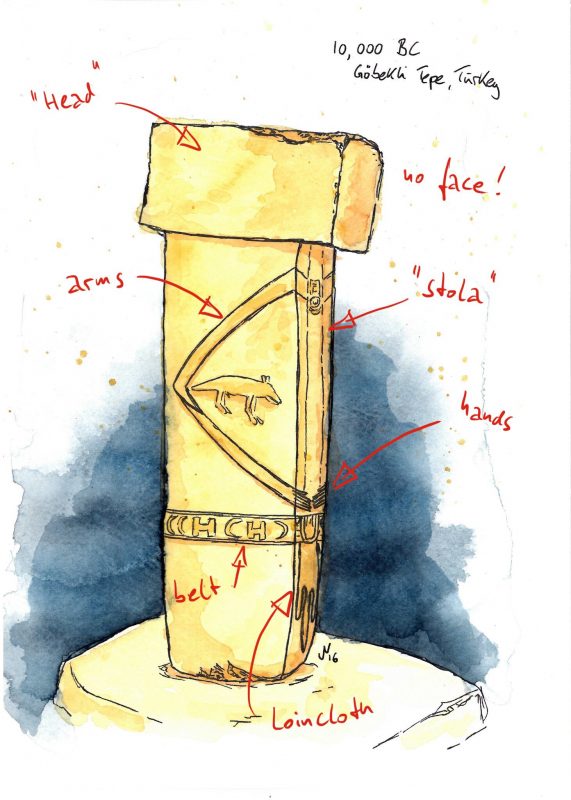
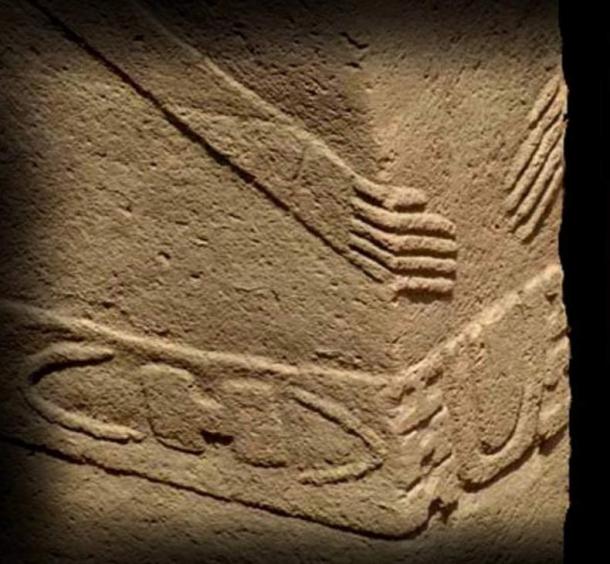
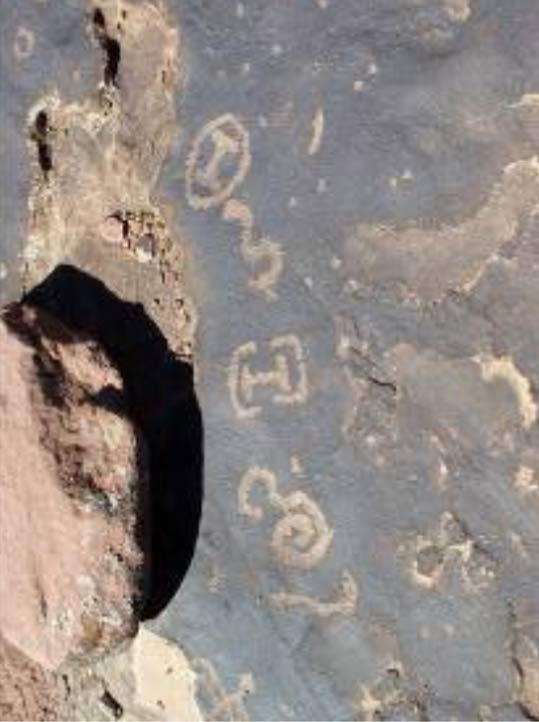
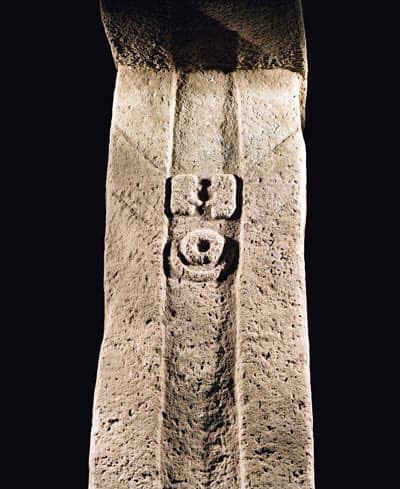
One of the highly disputed symbols is the H-like symbol (and also “( H )” symbol) which is seen carved on  Enclosure D pillars. Some say this symbol emblematizes the Orion constellation. I think this is not true. Because, besides the “H “symbol, there is an “I-like” symbol, which can define as slanted “H”. Both of them are not related to Orion. To provide some intriguing and factual meanings based on cultural and archaeological datas:“H” symbol is not only a monolith symbol itself. It consists of two parts, which we can define as Tau. We encounter the same “H” symbol in Utah petroglyphs which are made by Anasazis. Indeed, we see the complete “( H )” symbol. Here the “H” symbol is not alone. On both sides there are other symbols.

Utah petroglyphs
Utah petroglyphs

Ray Urbaniak interprets the “H” symbol to mean double T shapes. Two T shapes butted together form a double T. He also says that Tau represents half of which is in the spiritual world. So, we can imagine that the “H” symbol consists of two Tau symbols. In my opinion, both of the side symbols next to “H” symbol represent the rising and setting sun. This tripartite character matches a verbal expression of mythological ideas about the three states of sun throughout the day (or moon throughout the night). The Ancient Egyptian god says: I am Khepra in the morning, I am Ra at noon, I am Atum in the evening—the names of deities that represent the sun in its various states. The I Symbol The “I” symbol of ancient Mexican mythology not only exhibits a single Tau of two forms, but in different positions, as well as two double-headed figures joined in one, which illustrates the duality, above and below, or heaven and earth.Turkish rug motifs also contain “H” and “I” symbols. The meanings of these symbols are “marriage”, “unity of family” and “faithfulness of lovers”. Sometimes it represents “motherhood”, “fecundity” and “birth”. Among these rug motifs an important one, the so-called “Eli Belinde (Hand on belly)”, seems quite like Göbekli Tepe’s central pillars, upon which we see both hands on omphalos.In Proto-Turkish culture the “I” symbol was called as the “ON: Cosmos”. Interestingly, In Chinese culture “I” symbol represents the shaman or spirit intermediary, so-called Wu. The widespread usage amongst indigenous American peoples of the inverted and upright Tau shape as emblems of the above and below is abundantly proven and doubtlessly arose as naturally as the Chinese characters “Shang: Above”, employed as a symbol for heaven, and “Lea: Below or Beneath”, employed as a symbol for earth. The connection between Heaven and Earth represents the creation of innocence and this is reflected by the central line.

The Chinese characters “Shang: Above”, employed as a symbol for heaven, and “Lea: Below or Beneath”, employed as a symbol for earth

The Chinese characters “Shang: Above”, employed as a symbol for heaven, and “Lea: Below or Beneath”, employed as a symbol for earth. So, I can suggest that the mysterious “I” symbol is about a “Heaven (Sky) – Earth connection: so the life could exist”. In shamanic belief, Earth takes its life force from the sky via the navel cord. Göbekli Tepe should be seen as an important site for this reason. (Interestingly, In Turkish “Göbek” means “The Navel”). In this, creative powers unite for birth or rebirth. Therefore, some specific days are vital for taking life energy from the sky or heaven. Life force is believed to be always there, but not always visible. It is believed to be visible on specific days of year. These days are the equinox and solstice days. On the other hand, the “H” or slanted “I” symbol may be about East-West, Woman-Man or God-Goddess connections. The earth and sky motifs, and the rituals represented by these motifs, were probably linked together as a ritual duality. In a duality, neither earth nor sky can exist without the other, and both earth and sky-related rituals were necessary elements in the lives of people, such as seen in the Ho’e’ga; The Osage (Great Plains Native American) ritual name for earth: an enclosure in which all life takes on bodily form. Why can it not be the same in Göbekli Tepe? It is possible that the placement of the shaman is a reminder of the shaman’s roles as a ritual functionary and mediator between the natural and supernatural worlds. In this case, the shaman may have also served as a ritual bridge between earth and sky. >>

I found another opinion where T=below and upside T= above: From Gobekli Tepe: The Navel, The Center of the Earth Cliff Richey https://www.academia.edu/35934540/Gobekli_Tepe_The_Navel_The_Center_of_the_Earth

In order to understand, the Gobekli Tepe, Pillar 56 that is composed of, mostly, Birds and Serpents we need to understand what the (black) Pillar Form represents. The Large Size indicates, the great one,The Pillar is in the overall Form of a “T” shaped stone, that is based on the gesture sign for, below.6 In the gesture sign the two hands together indicate by a Straight Line, the surface, usually indicating, the land’s surface. Illustration 10: Composition of the “T” Form As a Form the “T” simply indicates, below. Additional meaning is obtained by dividing the Form into it
component, Gesture Sign, parts: The Top surface, The Horizontal Bar as the gesture sign for, a
horizontal-place, and the Stem, that means, a vertical-place. The Great Kiva in New Mexico is a below the surface structure like the one in Gobekli Tepe. The “T” shaped doorway has steps leading down into the circular excavation. The Kiva was probably, cosmological, and considered as within the underworld. The Kivs is a chamber, built wholly or partly underground, used by male Pueblo Indians for religious rites. …….. The Feet are in the Form of the upside-down the “T” Form (the opposite of the upright “T” Form) meaning,
above, on, the surface.
>>

My opinions: – H and I signs, beeing highly stilised signs, must represent rather complex abstract notions. – I was the first one wich associated Tau-shaped pillars with sumerian proto-cuneiform sign “Me”, where Me beeing a sign related to the divine/divinity, where that divine would be, on Earth or in the Sky. If somebody asking why such distant in time relation, I am remembering you that some signs as cross, swastica has a multiple thousend years long life. Some signs were used thousend years before the advent of writing ! – Double Tau=H/I=MeMe could be Ur-Meme

From Download PDF – Brillbrill.com › book › Bej.9789004173811.i-768_007.xmlNippur exemplars of the Sumerian King List32 begin with the first post- diluvian … Ur-Meme,” the aristocratic family which held some of the highest polit- ical and ..

From Dispute Resolution in the Provincial Courts of the … – Deep Bluedeepblue.lib.umich.edu › handle › leculber_1PDFby LE Culbertson · 2009 · Cited by 14 — Selected Neo-Sumerian Administrative Texts from the British Museum … and subordinates of a wealthy landholder, Ur-meme

From https://en.wikipedia.org/wiki/List_of_Mesopotamian_deities Gula, also known as Nintinugga, Ninkarrak, Meme, Bau, and Ninisina, is the Mesopotamian goddess of healing and the divine patroness of doctors and medicine-workers. – Or represented <ALL/WHOLE World, “Universe”>

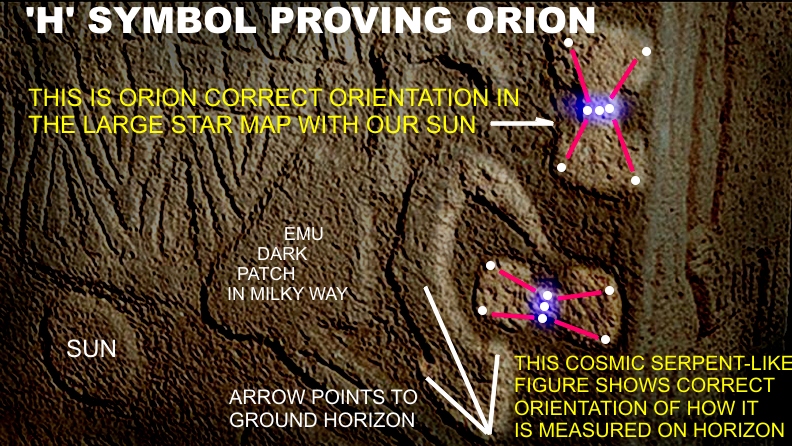
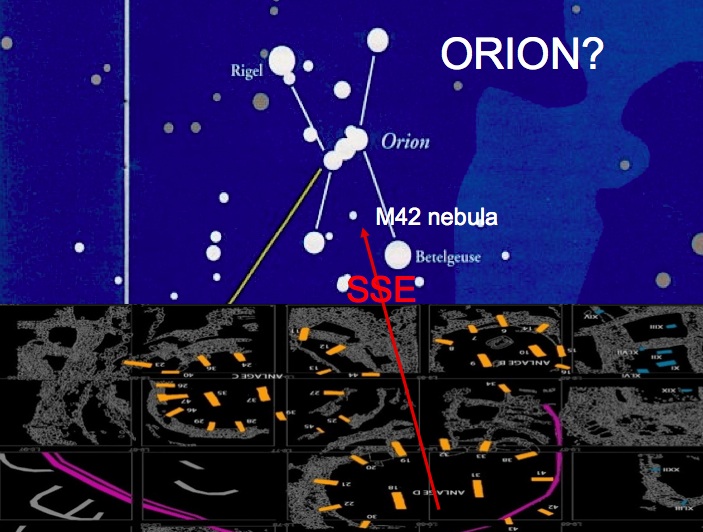
  • The H sign-Orion relation is old, consistent and very strong, as Orion beeing most visible constellation on sky. Orion would be in afterlife a GATE TO THE SKY/UNIVERSE ! I found separately the same chinese signs: EVOLUTION OF CHINESE CHARACTERS漢字發展 https://www.ocf.berkeley.edu/~wwu/chinese/handout.html
Do I need to learn Mandarin in order to start a business in Taiwan? - How  to Start a Business in Taiwan
https://startabusinessintaiwan.tw/book/faqs/language/do-i-need-to-learn-mandarin-in-order-to-start-a-business-in-taiwan/

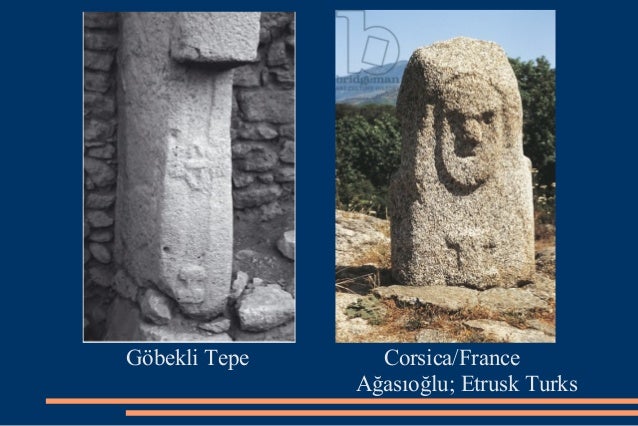
NOTE Upon chinese rendering, T-shaped pillars are related to “down” ,Earth. This is according to old stages of religion developement when lower (place, chtonic) gods preceded later high (Sky) gods. https://hraf.yale.edu/ehc/summaries/religion#gods-and-spirits << Animism was the first form, followed by belief in an afterlife, which, in turn, was followed by shamanism and ancestor worship. They found that ancestor spirits and/or high gods thought to be active in human affairs were probably absent among early humans perhaps reflecting a deep history of egalitarianism in hunter-gatherer groups.>> Out of Utah, such signs were used later in Corsica:

Gobekli tepe: A Proto-Turkish Temple?
Gobekli tepe: A Proto-Turkish Temple? https://pt.slideshare.net/zgrBarEtli/gobekli-tepe-a-prototurkish-temple/20?smtNoRedir=1

Rolul cu totul special al vulturului la civilizatia PPN Gobekli Tepe.

February 2, 2021

PPN vine de la Pre-Pottery Neolithic, adica neolitic pre-ceramic, care d.p.d.v. arheologic se imparte in perioadele A,B si C, A fiind cea mai veche. Asemenea procupari au avut foarte multe din marile civilizatii cunoscute, sau posibil aproape toate.Ma refer la civilizatiile Vinca-Turdas, Egipteana, Sumeriana, asiriana si cele Pre-Columbiene. Ca este vorba de Zeita Mama Pasare, Horus, Zu/Anzu, Quetzalcoatl (sarpele cu pene). Pe monumentele de la Gobekli Tepe sunt prezente mai multe specii de pasari, insa vulturul este figurat in numar mult mai mare.

Din https://en.wikipedia.org/wiki/Ninurta

Ninurta cu traznetele sale il urmareste pe Anzu , care a furat Tabletele Destinelor din sanctuarul lui Enlilwho (Austen Henry Layard Monuments of Nineveh, 2nd Series, 1853)
Ninurta - Wikipedia
Ninurta

Din http://www.brothersoftheserpent.com/2019/07/

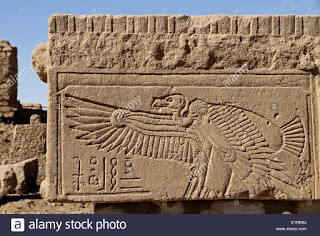
A “Vulture Stone” image from Elephantine, in Egypt

Populatia siturilor gen Gobekli Tepe, o populatie de culegatori-vanatori, avea preocupari mundane dar si de natura social-spirituala.In legatura cu viata de zi cu zi nu aveau mari necunoscute,cunoscand indeaproape tot ce este legat de natura si animale in manifestarile lor concrete. Dar cum este construit Universul, cum este articulat si functioneaza si daca si ce anume sta la baza si il misca, aici intrau intr-un taram absolut misterios si plin de secrete. Aveau cunostinta faptului ca partea consistenta a misterelor universului, si probabil si cea mai importanta este continuta in cer. Omul culegator-vanator avea mii de senzori si antene de o mare acuitate prin care percepeau realitatea terestra. datorita capacitatii crescute de a decela tipare, cautau tipare in orice din natura.Pentru ca voiau sa cunoasca mai mult, credeau ca cerul este un rezervor imens de secrete si tipare pe care incercau sa le desluseasca.

Pasarile erau vazute ca niste creaturi in buna masura fantastice care aveau legatura directa cu cerul si secretele lui incifrate in bolta instelata. Credeau ca pot fi sau chiar sunt mesageri, atat de sus in jos, in a aduce cunostinte de acolo, cat si de jos in sus a-i ajuta dupa moarte. Faptul ca vulturii sunt necrofagi i-a facut sa-i puna in relatie directe cu moartea in sine si concret cu mortii lor. Se pare ca e vorba de specia de vulturi plesuvi, care ca si condorul au gatul golas.

Din http://thehiddenrecords.com/gobekli-tepe-taurus-bull

Wayne Herschel - Author - The Hidden Records - discovered 35 ancient star  map cases around the world showing human origins from one of three sun  stars near the Pleiades

Dar legatura este si cu viata, atat timp cat o civilizatie nu cu foarte mult mai noua avea credinta ca stramosul lor este o creatura pasare. Asta pentru ca au pus i relatie directa ideea de reproducere cu cea de oul de origine si deci pasare.

Din GÖBEKLI TEPE’S VULTURE STONE: A WARNING ACROSS TIME OR SIGNPOST TO THE LAND OF THE DEAD? http://www.andrewcollins.com/page/articles/sagittarius.htm

Göbekli Tepe's Vulture Stone - A Warning Across Time or Signpost to the  Land of the Dead?

Parerea mea este ca nu s-ar fi gandit ca vulturul poate avea legatura cu mortii, eventual sa aiba un rol de transportatori sau alt rol necunoscut, daca nu vedeau cum cauta cadavre in general si astfel intelegeau un gen de apropiere sau relatie cu mortii.

Mai este o imagine care exemplifica si mai bine ritualul lor in care dupa cate s-a constatat pe de o parte lasau cadavrele sa fie descarnate de vulturi si pe de alta parte dezmembrau craniul:

Din

Semnele H de la Gobekli Tepe

January 31, 2021

Din New deciphering of Gobekli Tepe http://a9414495.eu5.org/origin/gobekli.html

New decoding of Gobekli Tepe temple

Aceste semne sunt prezente in numar relativ mare.Problema semnificatiei lor a mai fost dezbatuta si este in continuare.Eu am avut o sugestie de apropiere cu semnul sumerian proto-cuneiform PA. https://cdli.ucla.edu/tools/SignLists/protocuneiform/archsigns.html

Sumerian Lexicon – Sumerian Language Pagewww.sumerian.org › sumerian << Lexicul sumerian a beneficiat de mai multe … (ńiš) pa: frunze, muguri, germeni; ramură; aripă; pană >> semnul Pa este compus din 2 semne PAP

Sumerian Lexicon – IS MUNIis.muni.cz › jaro2013 › PAPVB_13 › Halloran_version_3 The Sumerian lexicon has benefitted from several classes … pab, pap, pa4: father; brother; man; leader [PAP]

M-am bazat pe faptul ca o serie de semne au fost folosite in Orientul Apropiat cu mult inainte de aparitia proto-scrierii.Altfel semnele au o istorie care nu are capat inapoi in timp.Nu am fost pe deplin multumit si acum reiau problema.Foarte interesant este faptul ca eu am facut apropierea acestui semn cu constelatia Orion si cu faptul ca ar putea fi o ligatura a doua semne Tau, dar cu surprindere am constatat ca si altii au facut-o.

Image result for gobekli tepe "orion"
Andrew Collins Gobekli Tepe’s Cosmic Blueprint Revealed Creator: Andrew Collins 

Am avut ideea sugubeata de a vedea daca sumerienii au folosit undeva doua semne Tau.Semnul T avand semnificatia “ME” .Am cautat sa vad daca au folosit doua semne ME.In monumente nu le-am gasit inca ligaturate sau nu, de fapt nici nu le-am prea cautat inca. In schimb le-am gasit in scris.Consider toate ipotezele ca fiind virtual valabile.Insa in prima parte o sa explicitez ipoteza mea “me-me” iar in a doua parte voi prezenta opiniile altora.

IPOTEZA MEA, 2T=H=”ME-ME

Din http://www.saradistribution.com/oldesttempleofworld.htm

The Oldest Temple in the World - Xirabresk, girê navokê, göbeklitepe

Vedeți mai bine Tau-ul ligaturat în semnele „I” ale GT, din următoarea imagine: http://thehiddenrecords.com/gobekli-tepe-taurus-bull sau de pe https://i.pinimg.com/564x/5c /d1/94/5cd194173a978386122812f338d685e8.jpg

Wayne Herschel - Author - The Hidden Records - discovered 35 ancient star  map cases around the world showing human origins from o… | The pleiades,  Star map, Ancient

Dublarea icoanelor este evidentă în existența stâlpilor principali dublati, altfel cei mai vechi ai G.T., stratul A. Dacă forma Tau ar putea fi relația cu viața și divinitatea, două Tau sunt un simbol nou; ce ar putea însemna? Să presupunem dublul aspect divin: relația cu viața de pământ și cu cerul. Atât a fost posibil sa fie cunoscut de ei si reprezentat întreg universul. Doar de câteva sute de ani umanii au aflat că cerul are de fapt o adâncime. Până atunci era imaginat ca un capac, acoperis al Pământului, care este figurat in portiunea liniei orizontale superioare a lui T. Deci T ar fi legatura vieții cu cerul și divinitatea și T-ul rasturnat legatura vieții cu Pământul. Rezulta ca prin pictograma H se realizeaza legatura vietii de pe Pamant cu Cerul, o poarta intre Cer si Pamant.

Din List of Mesopotamian deities – Wikipediahttps://en.wikipedia.org › wiki › List_of_Mesopotamian… << Deities in ancient Mesopotamia were almost exclusively anthropomorphic. They were thought … Both the Sumerian and Akkadian languages contain many words to express the … Ninkarrak, Meme, Bau, and Ninisina, is the Mesopotamian goddess of healing and the divine patroness of doctors and medicine-workers.>>

Din World’s First Known Written Word at Göbekli Tepe on T-Shaped Pillar 18 Means God Manu Seyfzadeh, Robert Schoch Institute for the Study of the Origins of Civilization, College of General Studies, Boston University, Boston, MA, USA https://www.scirp.org/html/1-1140123_90367.htm?fbclid=IwAR1kPHutMJikYFQzqFqkiI5-QIx_aKfA5-oB2_LoBOVksqVAPe5C64HjyFs <<Susținerea în continuare a unei conexiuni lingvistice între hieroglifele luwiene și imaginile de la Göbekli Tepe sunt până în prezent simboluri luwiene netraduse asemănătoare cu iconografia în formă de T a lui Göbekli Tepe și un simbol asemănător cu H, care a fost cuvântul luwian pentru „poartă” >> Inca si mai mult, in lucrarea de mai sus se afirma ca simbolul H cu 2 semilune de pe pilonul G.T. seamana cu logograma luwiana 360 pentru zeu si ca atare semnifica cuvantul “ZEU”

Laroche #360 Luwian hieroglyph denoting "god". From Laroche (1960: p. 187).

Pictograma reprezentand poarta catre Univers / intreg Universul, acea pictogramă a fost folosită pentru a împodobi diferite elemente de piatră, astfel fiind utilizate cu diferite orientări. În niciun caz nu ne așteptăm ca sumerienii să copieze cu exactitate icoanele celor de la G.T., așa că nu este de mirare să nu găsim acest semn în forma identica la sumerieni.

Din www.researchgate.net › publication Rezultate de pe web (PDF) Ancient Near Eastern Gods Enki and Ea: Diachronical … Enki-Ninki Deities and the God Enki in Old- Sumerian Sources 46. 3.5. Enki in Old- Sumerian … ME.ME the me-s. dEN.KI (of? / to?) Ea. AL6.

www.jstor.org › stable The Accounts of the Origin of Writing from Sumer, Egypt and China – JStor me me available, first to gods, and then through them to the human world. So, if me are of divine origin, we have to admit that “the scribal art

babylonian-collection.yale.edu › …PDF The Exaltation of Inanna, by William W. Hallo and J. J. A. van Dijk. Yale … true that the colophons of Sumerian and Akkadian literary series-which correspond to the … R-imin-bi, 5: “totality of me‘s”; me-zi, 60. me-zu

ore.ac.uk › download › pdfPDF Nippur Bibliography – CORE 1 ian. 1992 — Barton, G. A. Sumerian Business and Administrative … Zettler, R. L. ” The Genealogy of the House of Ur-me-me: A Second …

krieger2.jhu.edu › pdf › jcooper “Enlil and Namzitara” Reconsidered [“Enlil and Namzitara”] is a Sumerian variation of a well-known theme, … The Genealogy of the House of UrMe-me: a Second Look. AfO 31:.

hal.archives-ouvertes.fr › doc…PDF Masters’ Writings and Students’ Writings: School Material in … – HAL 7 apr. 2015 — learning cuneiform writing, Sumerian vocabulary and grammar, … The [ texts] in Sumerian and Akkadian, from A-A ME- ME.

etheses.bham.ac.uk › eprintPDF Stealing the Enemy’s Gods: An Exploration of the Phenomenon of … accompanied by recitations of incantations in Sumerian and Akkadian; the incantations and the ritual … 23. me-me-ni ina IGI LUGAL

etcsl.orinst.ox.ac.uk › cgi-bin › etcsl The Electronic Text Corpus of Sumerian Literature … udun-mah-e du8-a-zu. 20. zar gu2-nida-am3 si sa2-sa2-am3. 21. munu4 sahar jar-ra a sig9- ga-zu. 22. ur me-me nam gam-gam-ma-am3

escholarship.org › content Rezultate de pe web UNIVERSITY OF CALIFORNIA, SAN DIEGO Death… eScholarship.org The Electronic Text Corpus of Sumerian Literature, Black … me-me) noble guard (gam-gam- ma-am3) it even from the potentates (?)” ( ETCSL …

www.researchgate.net › publication (PDF) Ancient Near Eastern Gods Enki and Ea: Diachronical … Enki-Ninki Deities and the God Enki in Old- Sumerian Sources 46. 3.5. Enki in Old- Sumerian … ME.ME the me-s.

Daca la sumerieni exista semnul si notiunea ME, ei fac referire la faptul ca existau si foloseau mai multe, o multime de ME. Multimea cunostintelor, totalitatea lor reprezenta cunostintele lor despre intregul Univers, cel terestru, si cel ceresc, cu totul fiind demn de o adanca admiratie si respect, astfel de factura divina.

Din HAMLЕT  MARTIROSYAN. THЕ LION CHARACTЕR THЕ PETROGLYPHS OF SYUNIK AND THЕ ANCIENT WORLD https://www.academia.edu/12277907/Lion_Character_in_the_Petrogliphs_of_Syuniq_and_the_Ancient_World << Tot ce s-a spus mai sus cu privire la uși arată că, în percepțiile mitologice ale viziunii lumii antice, ușile care leagă diferite lumi erau printre cele mai importante elemente ale ordinii mondiale. Pe scurt, dacă nu există ușă, nu există nici o modalitate de a comunica cu Divinitatea. Acest simbol al viziunii mitologice a lumii a ușilor sau coloanelor care formează ușile a fost dezvoltat devreme și vedem cele mai vechi surse ale sale în complexul templelor de la Portasar (Göbekli Tepe) (X mileniu î.Hr.) și petroglifele Syunik (înainte de mileniul XIII î.Hr.) Anumite fapte indică faptul că diferiți zei aveau numere și forme diferite de porți. Am văzut mai sus că putem interpreta stelele  în formă de T de la Portasar (G.Tepe) [imaginea 61, prima imagine] ca ideograme obiective cu semnificația „deschidere, ușă, poartă. De asemenea, am văzut că mult mai târziu, ideograma a fost utilizată cu același sens atât în ​​Sumer, cât și în Egipt 82 ( Sumer., caracterul T = ME și Egipt. T = rw = „ușă hieroglifică). Aceste și alte fapte referitoare la Portasar/G.Tepe prezentate mai sus (cavitatea ușii sculptate din piatră monolită cu sculpturi de leu pe coloane, coloanele gemene ale templului subteran cu imagini de leu) atestă faptul că la Portasar/G.Tepe ușile aveau o semnificație ritual-religioasă importantă și erau legate la închinarea la niste zeitati specifice. >>