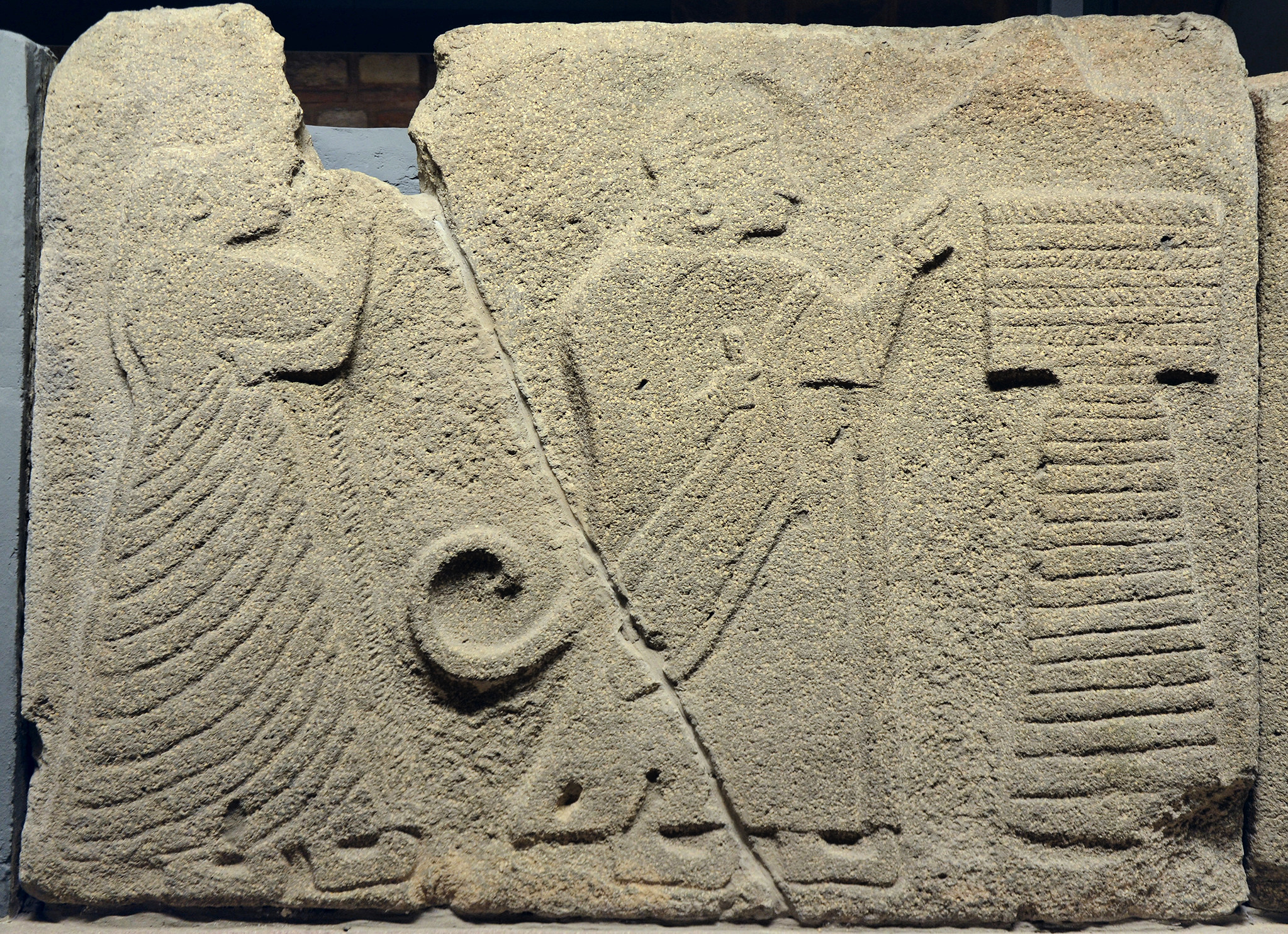
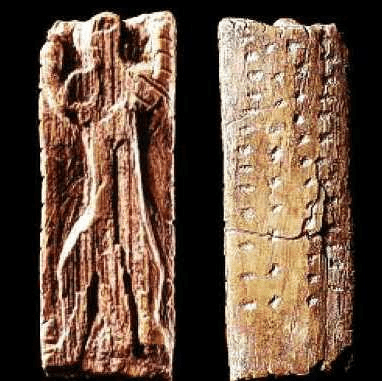
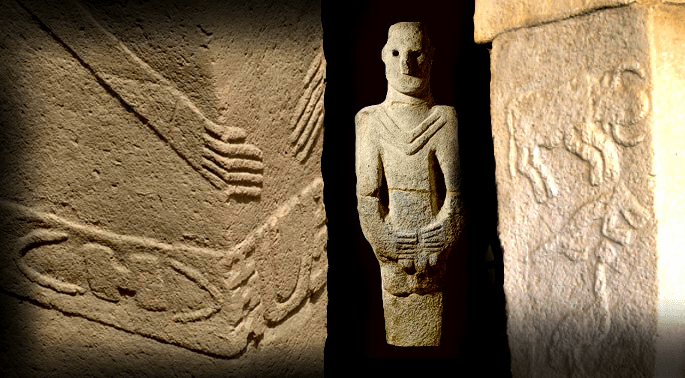
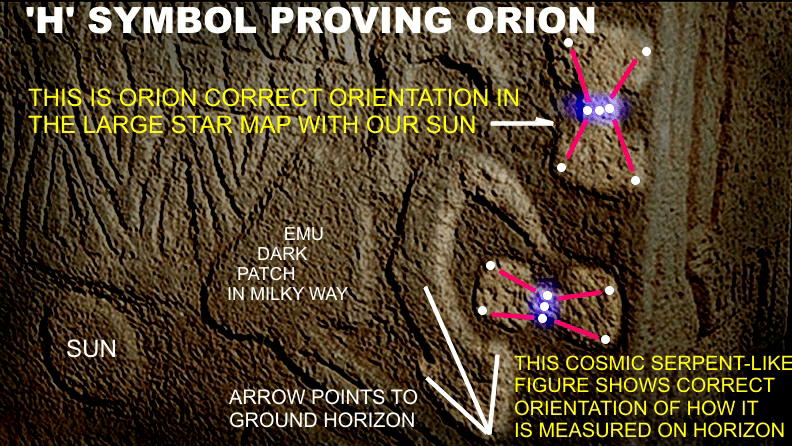
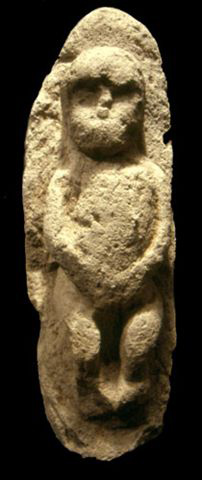
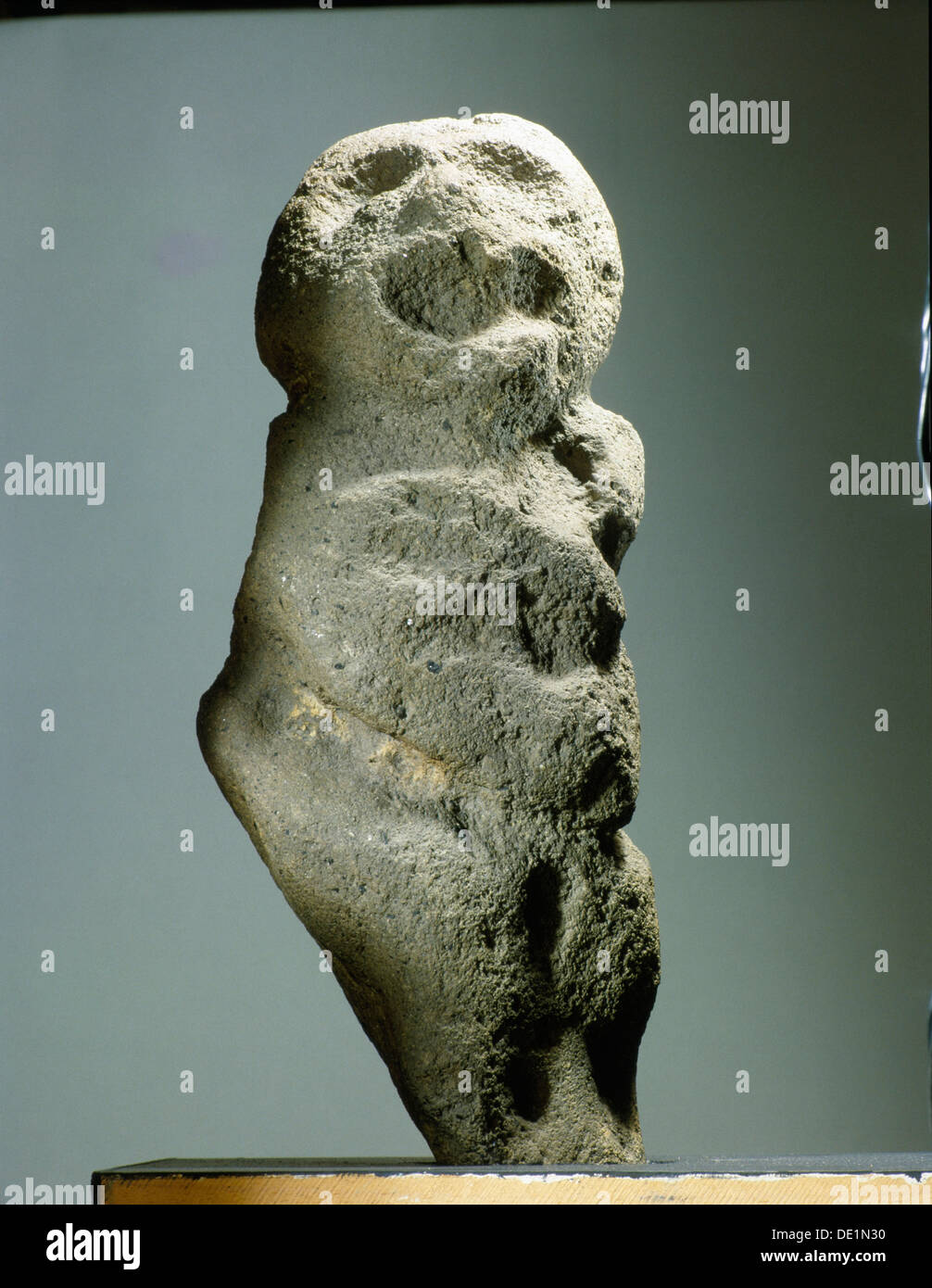
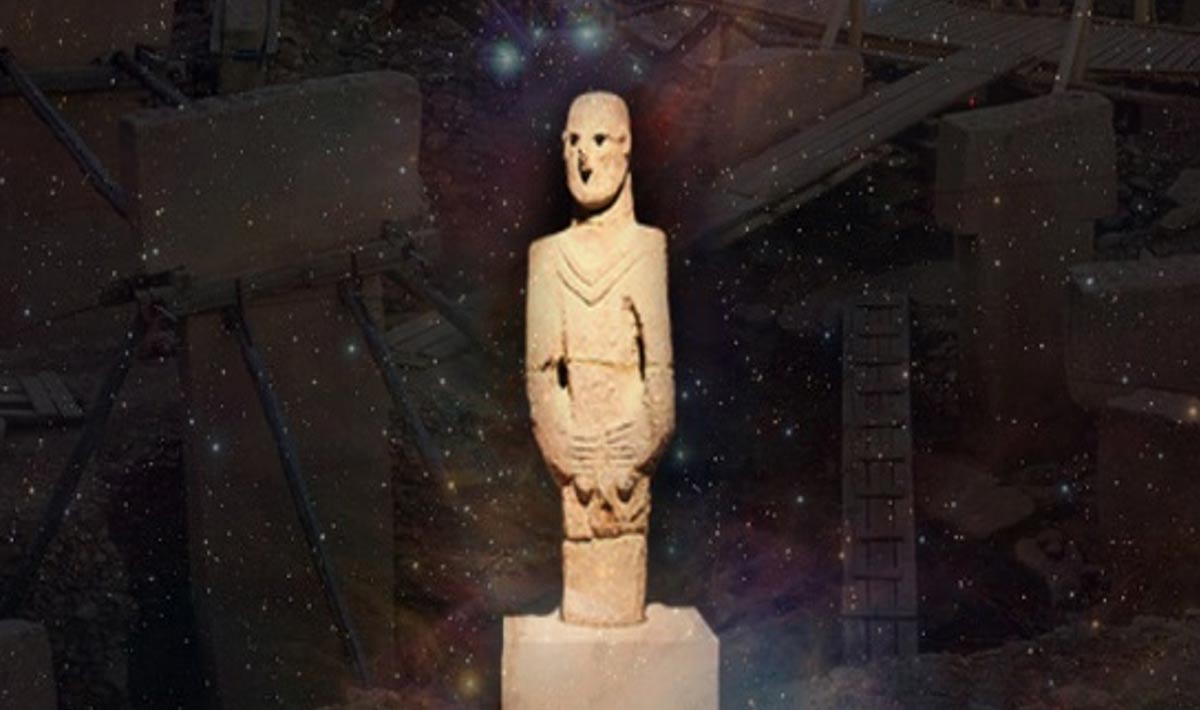
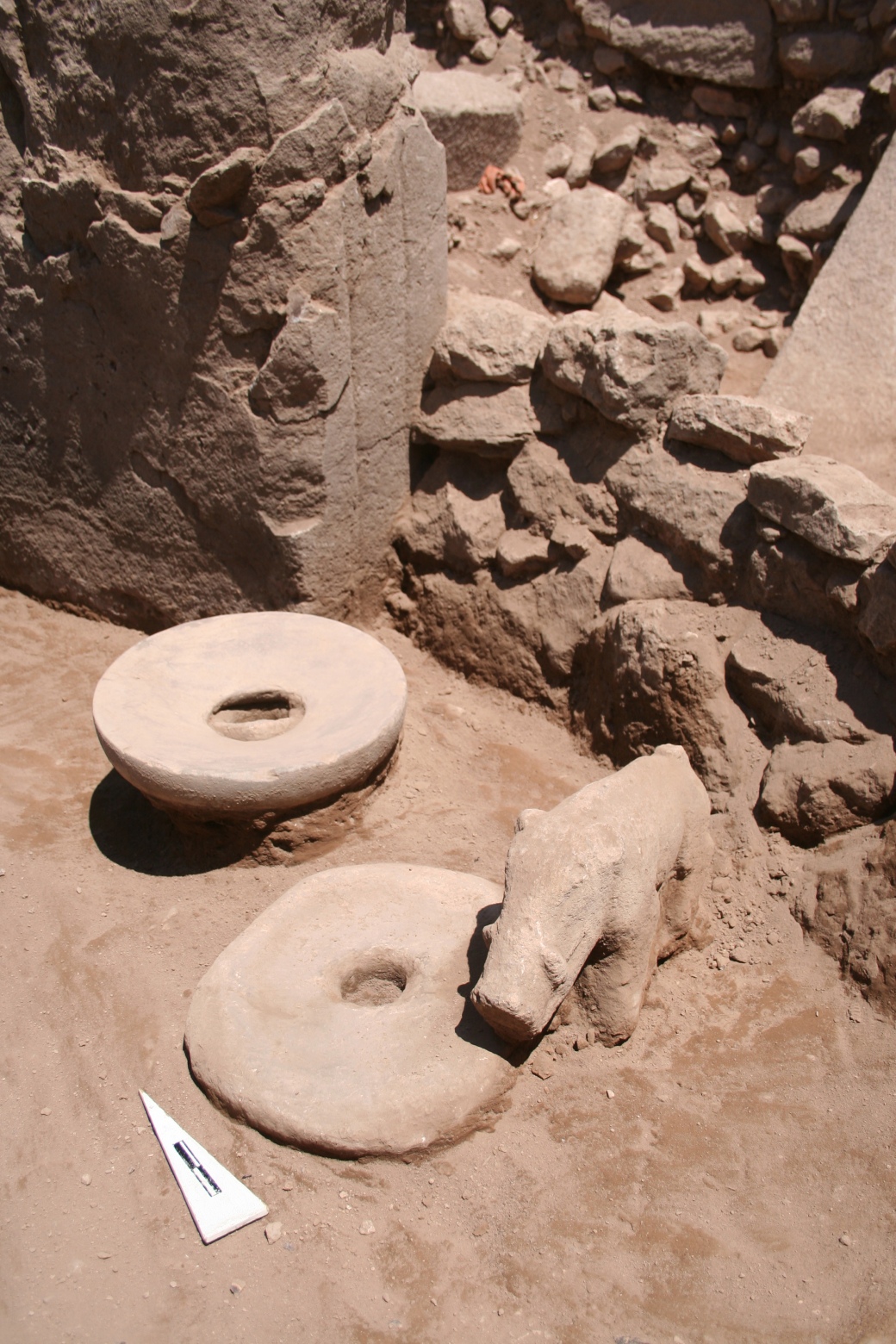
Du-Ku=Sacred place(pillar precinct), among E-kur complex in Hur-Sag. Pillar precinct among Göbeklitepe rituallic temple complex.

March 15, 2021

It seems that the place of origin of sumerian gods was Gobeklitepe. From https://en.wikipedia.org/wiki/Du-Ku Du-Ku or dul-kug [du6-ku3]  is a Sumerian word for a sacred place Divine The location is otherwise alluded to in sacred texts as a specifically identified place of godly judgement.The hill was the location for ritual offerings to Sumerian god(s). Nungal and the Anunna dwell upon the holy hill in a text written from Gilgamesh.

From https://en.wikipedia.org/wiki/G%C3%B6bekli_Tepe << Schmidt also engaged in speculation regarding the belief systems of the groups that created Göbekli Tepe, based on comparisons with other shrines and settlements. He presumed shamanic practices and suggested that the T-shaped pillars represent human forms, perhaps ancestors, whereas he saw a fully articulated belief in deities as not developing until later, in Mesopotamia, that was associated with extensive temples and palaces. This corresponds well with an ancient Sumerian belief that agricultureanimal husbandry, and weaving were brought to humans from the sacred mountain Du-ku/Ekur, which was inhabited by Annuna deities, very ancient deities without individual names. Schmidt identified this story as a primeval oriental myth that preserves a partial memory of the emerging Neolithic.>> From https://enenuru.proboards.com/thread/176/du-ku-cosmology << Next, Black addresses the ḫursag̃ and the Holy Mound (dul) and something new emerges in this excellent discussion: “Now the terms ḫursag̃ “hill” and dul “mound” are known from administrative field plans dating from the Third Dynasty of Ur, which conveniently demonstrate the use of these terms as part of the everyday vocabulary of vernacular speech, not restricted to a purely literary lexicon. The plans use ḫursag̃ for the “hilly” parts of fields, which are difficult to cultivate (so the ḫursag̃ can be translated as “hill(s)”), and dul for areas of fields which are unproductive because they are tell-ground (that is, ground untillable because it is the site of ruined habitations). The word translated here as “mound” is Sumerian dul, Akkadian tillu (which is, of course, Arabic tell). A hill known as the Holy Mound, then, was the birthplace if the Anuna, and the other gods, at the time before sky and earth were separated. They lived up on it, and mankind lived down below. The imagination stimulus for the idea of a single Holy Mound -a dul or tell– must have been the numerous ruin mounds that dot the surface of the Mesopotamian plain, with evidence of ancient habitation. Nobody lived on them, but you only have to investigate them cursorily- if your village is next to one and you stroll up there of an evening- to realize, from the ceramic remains and the occasional skull and bone, that they had been inhabited in the past. But by whom? The mythic imagination tells us that this is where the gods lived in the most distant past, with their feet on the ground but close to the sky. A mythic image or metaphor such as the Holy Mound, then, is a single cosmic location derivable from generalized elements of the landscape, such as uninhabited ruin mounds, that are multiple and ubiquitous. “ Summing: From a survey of different cosmological material we can see that the du-ku seems in large to be absent from Sumerian imaginings in regards creation. …….. Cohen on Sheep and Grain/ The author notes the occurrence in the debate poem Sheep and Grain of an instance of the cosmological du-ku as we have above – he briefly recaps the views of other scholars, namely van Dijk’s suggestions of a the du-ku (sacred mound) as situated on a sort of world mountain on which the gods come from (as Black said, hursag). He mentions Jacobsen’s n. 27 from page 371 from his “the Harps….”. This is an important hint Jacobsen contributes: “Duku, “the holy mound,” was a sacred locality. Originally and basically the term designated the plastered-over pile of harvested grain, but it was extended to underground storage generally. Enlil’s ancestors- powers for fertility in the earth- were located in Duku.” ….. En-me-šar2-ra “Lord All Essences” In the OB and later lists [Enmešara] is treated in the context of Enlil’s ancestors, but not as one of them. Very little is known about him from other late third and early second millennium sources, and the few facts there are must be enriched by scattered information from late cultic commentaries and theological texts heavily influenced by the mythology of Enūma Eliš. ….. The meaning of this conflict for cosmogony lies in the tension between essences, me, and divine government, nam-tar, “decreeing the fates”. The essences are by nature part of existence, they came into being with what was created, but they are not created themselves. Enlil, An and Enkig represent active rulership, they distribute the essences over the gods and assign each his task, nam-tar. The essences are made subservient to the purposes of just rule. The brainless old cosmos of essences had to go, but it did not give way without struggle, it rebelled: Enmešara, “Lord all Essences”, tried to know nam-tar and rule like Enlil, but he failed and was defeated. What there is was subordinated to divine government for good. Lb.Rom. Înțelesul acestui conflict pentru cosmogonie constă în tensiunea dintre esențe, Me și guvernul divin, nam-tar, „decretând soartele”. Esențele fac parte din natură a existenței, au apărut cu ceea ce a fost creat, dar nu sunt create ele însele. Enlil, An și Enki reprezintă o guvernare activă, distribuind esențele zeilor și atribuind fiecăruia sarcina sa, nam-tar. Esențele sunt subordonate scopurilor unei reguli juste. Vechiul cosmos fără esența esențelor a trebuit să meargă, dar nu a cedat fără luptă, s-a răzvrătit: Enmešara, „Doamna tuturor esențelor”, a încercat să cunoască nam-tarul și să conducă ca Enlil, dar a eșuat și a fost învinsa. Ceea ce există a fost subordonat guvernului divin pentru totdeauna. …….As well, a line from a hymn to Inanna also spells out the physical existence of the du-ku among the buildings of the E-kur temple complex: “Lady ……! Returning heroic youth, Inana ……. At the shrine, in Nibru, in the E-du-kug ……” M. Cohen, whose 1993 work Cultic Calendars of the Ancient Near East I will chiefly refer to below, adds that the du-ku is placed within the E-kur complex in 2 lamentations and also in an eršemma-hymn called “Dilmun”, which gives it as the du6-kù ki-kù “The Sacred mound, the sacred place.” He further isolates the du-ku as being positioned in whats known as the Tummal complex – a construct near the E-kur itself,>> From https://cdli.ucla.edu/tools/SignLists/protocuneiform/archsigns.html Sign ME

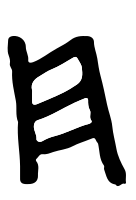
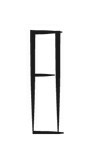
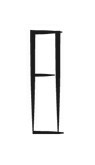
Sumerian proto-cuneiform sign KU:”sacredhttps://cdli.ucla.edu/tools/SignLists/protocuneiform/archsigns.html

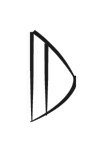
Sumerian proto-cuneiform sign Du:”mound

From Elementary Sumerian Glossary – Cuneiform Digital Library …cdli.ucla.edu › pubs › cdlp › cdlp0003_20160104 · Pennsylvania Sumerian Dictionary on the … agrun- the goddess Ninlil’s sanctuary at Ur (LU 16) … (g) (kug) to be sacred, holy; to sanctify

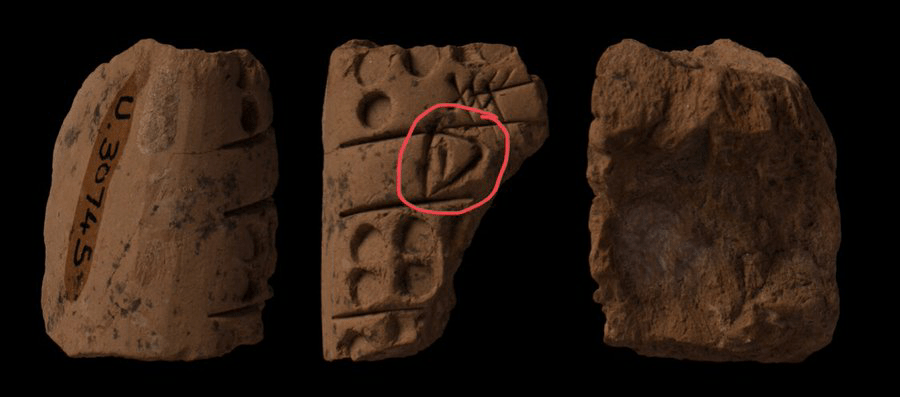
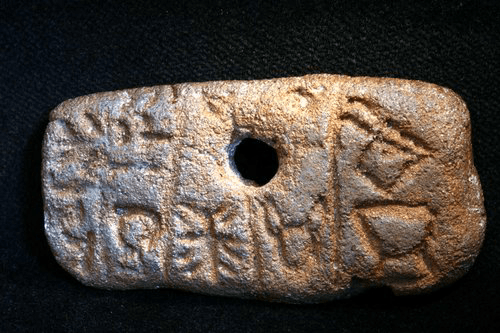
Gobeklitepe sign ?? “sacred” ??

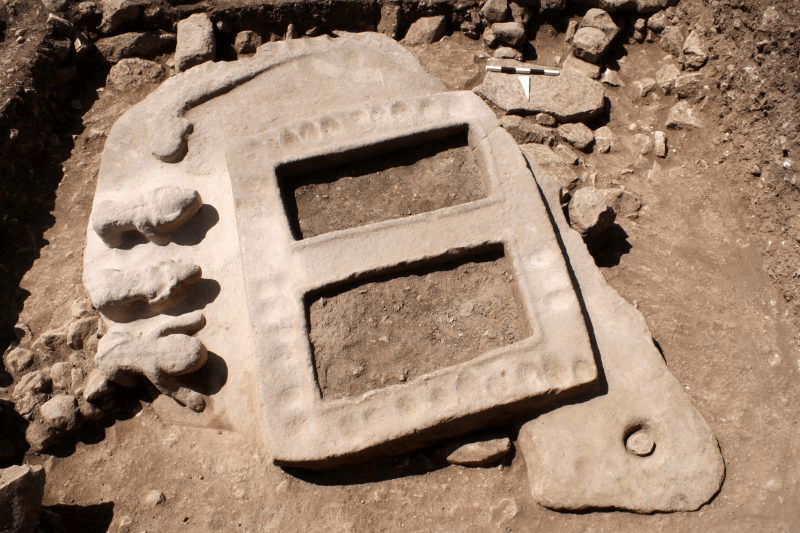
Portals at Gobekli Tepe | Göbekli tepe, Ancient civilizations, Ancient  mysteries
https://ro.pinterest.com/pin/353251164495504746/
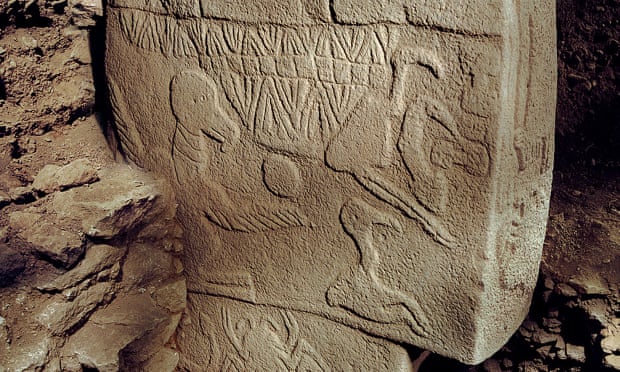
Guarded by beasts: a porthole stone from Göbekli Tepe | The Tepe Telegrams
https://tepetelegrams.wordpress.com/2017/03/20/guarded-by-beasts-a-porthole-stone-from-gobekli-tepe/

From https://www.facebook.com/TempleofSumer/posts/blessed-du-ku-from-temple-of-sumer-the-month-of-the-sacred-moundholy-hills-and-s/833633270129967/ Blessed Du-ku from Temple of Sumer! “The Month of the Sacred Mound” Holy Hills and Sacred Mountains – The Foundations of the Duku Festival Holy hills and sacred mountains permeate much of Ancient Near Eastern Literature, from the earliest cuneiform tablets, all the way to their central place in Biblical scripture. From the image of Moses, standing on top of Mount Sinai, receiving sacred cuneiform tablets from God, giving deified Hammurbian laws to mankind; to the image of the Prophet Elijah, standing on Mount Carmel, asking his God to prove himself more powerful than Baal; and all the way on to the image of Jesus giving the sermon on the Mount. Mountains have always had great significance in both Jewish and Christian literature, since they are seen as being “closer to God” who dwells where the Heavens meet the sky. As a result of this idea, we often see God bestowing his divine wisdom from a mountaintop in scripture. These are concepts and central motifs which stretch back to the earliest times, to long before the Bible was set to parchment, and long before the Patriarch Abraham first began his journey from the Sumerian City of Ur, all the way back to a time when civilization was just beginning. For it was said that upon this Scared Mound, “the ḫursag̃” (hill) of Heaven and Earth, that the ancestral Gods were created. In the earliest literature, the Sumerian poem ‘The Debate between the sheep and the Grain’, dated to the 3rd millennium BC, we are given the creation myth telling of the Sumerian ‘Edin’, meaning ‘steppe’, the place where the Anunna Gods were first created. This hill was situated at the point where the Heavens rested upon the Earth, and where mankind were given their first habitat. This sixty one line myth was set to stone over two thousand years before the Bible was even written, and before the “Garden of Eden” was even a concept. Later in time, from Third dynasty of Ur period (2200BC) onwards, we would find the term ‘Edin’ rephrased to ‘Hursag’ meaning ‘hill’, or in some cases ‘tillu’ in Akkadian, a term that was widely used to describe pre-historic tell mounds. In ‘Riches Hidden in Secret Places’ the acclaimed Assyriologist Jeremy Black noted that the Sumerians, unlike the scholars of today, had no interest in where their people had come from, and rarely wrote about it in their literature. Their Gods were Gods of civilisation, intent on bringing order to the universe, and civilisation to the society in which they served. Because of this, the Sumerians themselves were an incredibly forward looking people, focused on ingenuity and invention, and working towards a better tomorrow, rather than looking back to their past. On the other hand, the Sumerians knew they had not inhabited the earth since the very beginning of time, and that there had been a time before civilisation, when the very first men had lived in an uncivilised state like the animals, which was possibly the inspiration for Gilgamesh’s Enkidu. The Sumerians understood that civilisation had been a much later development, and it fascinated them to speculate on how the world had come into being, and how things has been at the beginning of time. In ‘The Debate between the sheep and the Grain” we see the Holy Mound take centre stage, as it was set as the birthplace Of the Anuna Gods at the time before sky and earth were separated. The Anuna Gods were ancient Gods from a time before recorded history. They were Gods that during the Sumerian period, and into the late Akkadian period were portrayed as seven judges who sit before the throne of Ereshkigal in the Underworld, their primary function is to decree the fates of humanity. During the Old Babylonian period, the Anuna were believed to be the chthonic deities of the Netherworld. In the ‘Curse of Akkad’ the Sacred Mound is also described as the resting place where the great ancestors of the Great God Enlil, En-duku-ga the Lord of the Sacred Mound and Nin-duku-ga the Lady of the Sacred Mound. These primordial gods even predated Enlil himself, and Enlil is the first born son of An and Ki. They may be the parents of one of Enlil’s parents, or they may go even further back. Jeremy Black theorised that at the time of writing this myth, the Sumerians lived in a land surrounded by these tell mounds, and knew they were the ruined habitation of their most ancient ancestors, and possibly even the Gods themselves ancestors, which fuelled their mythic imaginations. Although Sumer emerged as a complex civilisation between 5500BC to 4500BC, it is clear that there had been inhabitants in the land between the rivers long before that point back to Neolithic times. We call these early inhabitants the proto-Euphrateans, or Ubaidians, and they had left many markers behind. Many of these early inhabitants were probably very ancient ancestors of the Sumerians themselves, although before that point in time they were not classed as ‘civilisations’. The term ‘civilisation’ only comes into play with ‘recorded history’, and when characterized by a series of set markers, of which include urban development, social stratification imposed by a cultural elite, a perceived separation from and domination over the natural environment, and symbolic systems of communication such as complex writing systems. So, while the Sumerians were the first true civilisation to fit all of those criteria, their ancestors had probably already lived in this area, and its surrounding areas, for millennia before this point. Jeremy Black went on to state that: “The imagination stimulus for the idea of a single Holy Mound -a dul or tell- must have been the numerous ruin mounds that dot the surface of the Mesopotamian plain, with evidence of ancient habitation. Nobody lived on them, but you only have to investigate them cursorily- if your village is next to one and you stroll up there of an evening- to realize, from the ceramic remains and the occasional skull and bone, that they had been inhabited in the past. But by whom? The mythic imagination tells us that this is where the gods lived in the most distant past, with their feet on the ground but close to the sky. A mythic image or metaphor such as the Holy Mound, then, is a single cosmic location derivable from generalized elements of the landscape, such as uninhabited ruin mounds, that are multiple and ubiquitous.”The acclaimed German archaeologist and pre and proto-historian Klaus Schmidt firmly believed the original ‘Duku’ that was written of in ‘The Debate between the sheep and the Grain’ was none other than Göbekli Tepe, the ancient Neolithic mountain sanctuary dating back to around 9130BCE. He believed that the poem itself was a cultural memory of ancient site, and a mythohistorical narrative from the time when mankind moved from being predominantly hunter gatherers to a time of permanent settlement. It’s worth considering that the site of Göbekli Tepe is situated in what would one day be classed as Northern Mesopotamia, and the site itself was only seven days walk on foot from what would one day become the Sumerian City of Ur in Southern Mesopotamia, and even closer than that when travelling by donkey, or by boat down the River Euphrates. It’s probably no coincidence that this buried and abandoned “ancient city” was situated in a hilly and mountainous environment just like in the Sumerian myth, and being what many believe to be birthplace of animal husbandry from the archaeological evidence at the site, fits the myth perfectly too. What is even more compelling however is the creation of grain that takes place in the myth, especially when you consider the ancient einkorn wheat, found in the hills surrounding the Göbekli Tepe, just happens to be the single genetic ancestor of every strain of wheat grown and eaten across the earth today. During the Third Dynasty of Ur period, and over seven millennia later, the Sacred Mound had taken on a symbolic representation during the Duku Festival, as a likeness of it was built in harvested grain in the lead up to the religious holiday. This new meaning for the term ‘Duku’ seems to have caused confusion among scholars, as while most academics held to the Sacred Mound as a historic locality, others such as Thorkild Jacobsen, who read texts detailing the construction of this symbolic depiction saw its origin as a “plastered-over pile of harvested grain”, and concluded that the Duku must have been some sort of underground storage. However as practitioners of the Sumerian religion we sometimes have the luxury of seeing hidden meanings where perhaps the academics are too focused on literal depictions in the text, and as any who are well versed in the concepts of sympathetic magic will attest, in this case the laws of similarity are obvious in their apparency. We can see from the method of construction of the walls of this grain ‘Duku’ are incredibly similar to the construction of ancestral tells, together with the harvest it contains, the offerings of milk it is given, and offerings of dozens of lambs prepared, all tie in intimately with the myth ‘Debate between Sheep and Grain’ and it’s links to the mythic Sacred Mound, on which the Gods were given life. Because of this I would say this grain Duku came later, and was the development of a symbolic construction originally created to be as part of the cultic activities, which then later developed from there to the idea of grain silos.In the Nippurian Calendar the month of Duku begins properly with the sighting of the new moon on the 20th of September, with the first day of the month beginning properly on the 21th. At this time the preparations would just be beginning to take shape for the Duku festival, which didn’t actually take place until much later in the month. During this time, a symbolic Sacred Mound is constructed in Tummal, a “sacred city” located middle-way along the canal between Šuruppak and Nippur, suggesting a possible identification with the site of Tell Dlihim. The cult centre of Tummal is sometimes defined in texts as a primeval city, much like Eridu, connected to reeds and abundance. The Duku Festival itself actually takes place on the 27th and 28th day of the month, or the 17th and 18th of October, during the time of the dark moon. As the Festival of the Sacred Mound began, the cult statues of Enlil and Ninlil, accompanied by the King, along with the cult statues of other Nippurian Gods, were taken from the Ekur Temple in Nippur, and transported by boat to the Tummal where the elite had gathered to begin the ceremony. During the festival large quantities of food and drink were distributed to the people after the rituals and offerings. The festival itself takes place just a few days before the new moon appears on the 19th of October. The new moon’s appearance no doubt marking the end of the festival, and signalling that the month of Apin Du-a is about to begin.A good myth to read on this day would be ‘The Debate between Sheep and Grain’ for much of the reasons we have covered in this piece, because the myth is intimately linked with the Duku. Offerings appropriate for this holiday are milk and grains, and many Sumerian Reconstructionists will bake them into cupcakes. Bread making is a fundamental building block of civilization and demonstrates the cultivation and refinement of grain. Cooking it into a cake, and frosting it shows a mound of grain being symbolically plastered over. The cupcake recipe should include milk, as this was one of the most common offerings to the mound.Although the Festival of the Sacred Mound was generally seen as a great time of celebration and feasting, we must also be mindful that is had sombre undertones, as it was also a time when the Gods of the underworld were paid homage, and the ancestors were remembered, so we should also remember to pay our respects to those we have lost in the past, and in doing so pay tribute to their achievements. Though those memories, those we have lost will never leave us.>> Du-Ku=Sacred place, among E-Kur complex in Hur-sag. Sacred place(pillar precinct), among E-kur complex. Pillar precinct (circular enclosure) among Göbeklitepe temple complex. < Ekur (É.KUR) is a Sumerian term meaning “mountain house”. It is the assembly of the gods in the Garden of the gods, parallel in Greek mythology to Mount Olympus and was the most revered and sacred building of ancient Sumer. There is a clear association of Ziggurats with mountain houses. Duranki (Dur.An.Ki) was the Sumerian term for the people who were created by their Gods. Dur translates to Bond, An translates to Heaven or skies, Ki translates to Earth. >

The mysterious H and I signs on Göbeklitepe pillars.

March 14, 2021

On independent ways and not much different reasoning I came to the close and same conclusions ..... as regarding these above mentioned signs.I am stressing that the signs are far from animal-related pictograms, I am shocked to have at that remote time so HIGH STILISED IDEOGRAMS.

From Cosmic Power of the Shaman and Symbols at Göbekli Tepe – Part II by OZGUR ETLI https://www.ancient-origins.net/opinion-guest-authors/cosmic-power-shaman-and-symbols-g-bekli-tepe-part-ii-005194?fbclid=IwAR3su5G7VhU0T8iOqxKp9Lmk5XTpsaiFG-nOMch3cE52vHClRWhahVkhge8 <<The H Symbol

The pillars at Göbeklitepe depict the “H” sign
Pillar-18, 

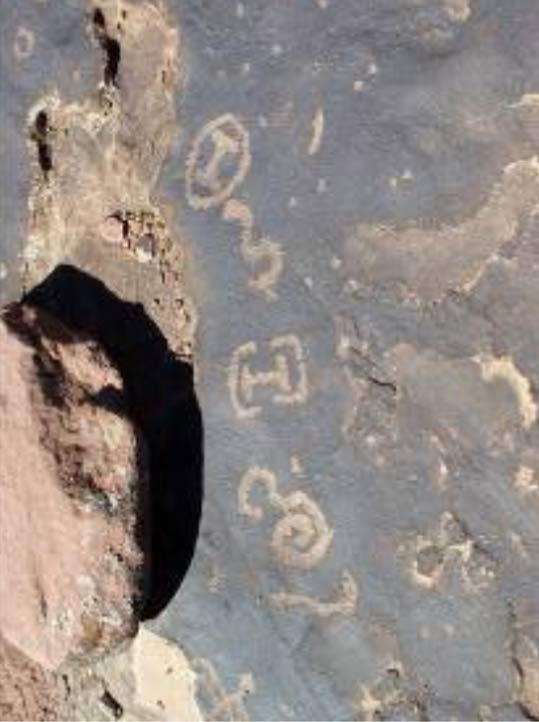
One of the highly disputed symbols is the H-like symbol (and also “( H )” symbol) which is seen carved on  Enclosure D pillars. Some say this symbol emblematizes the Orion constellation. I think this is not true. Because, besides the “H “symbol, there is an “I-like” symbol, which can define as slanted “H”. Both of them are not related to Orion. To provide some intriguing and factual meanings based on cultural and archaeological datas:“H” symbol is not only a monolith symbol itself. It consists of two parts, which we can define as Tau. We encounter the same “H” symbol in Utah petroglyphs which are made by Anasazis. Indeed, we see the complete “( H )” symbol. Here the “H” symbol is not alone. On both sides there are other symbols.

Utah petroglyphs
Utah petroglyphs

Ray Urbaniak interprets the “H” symbol to mean double T shapes. Two T shapes butted together form a double T. He also says that Tau represents half of which is in the spiritual world. So, we can imagine that the “H” symbol consists of two Tau symbols. In my opinion, both of the side symbols next to “H” symbol represent the rising and setting sun. This tripartite character matches a verbal expression of mythological ideas about the three states of sun throughout the day (or moon throughout the night). The Ancient Egyptian god says: I am Khepra in the morning, I am Ra at noon, I am Atum in the evening—the names of deities that represent the sun in its various states. The I Symbol The “I” symbol of ancient Mexican mythology not only exhibits a single Tau of two forms, but in different positions, as well as two double-headed figures joined in one, which illustrates the duality, above and below, or heaven and earth.Turkish rug motifs also contain “H” and “I” symbols. The meanings of these symbols are “marriage”, “unity of family” and “faithfulness of lovers”. Sometimes it represents “motherhood”, “fecundity” and “birth”. Among these rug motifs an important one, the so-called “Eli Belinde (Hand on belly)”, seems quite like Göbekli Tepe’s central pillars, upon which we see both hands on omphalos.In Proto-Turkish culture the “I” symbol was called as the “ON: Cosmos”. Interestingly, In Chinese culture “I” symbol represents the shaman or spirit intermediary, so-called Wu. The widespread usage amongst indigenous American peoples of the inverted and upright Tau shape as emblems of the above and below is abundantly proven and doubtlessly arose as naturally as the Chinese characters “Shang: Above”, employed as a symbol for heaven, and “Lea: Below or Beneath”, employed as a symbol for earth. The connection between Heaven and Earth represents the creation of innocence and this is reflected by the central line.

The Chinese characters “Shang: Above”, employed as a symbol for heaven, and “Lea: Below or Beneath”, employed as a symbol for earth

The Chinese characters “Shang: Above”, employed as a symbol for heaven, and “Lea: Below or Beneath”, employed as a symbol for earth. So, I can suggest that the mysterious “I” symbol is about a “Heaven (Sky) – Earth connection: so the life could exist”. In shamanic belief, Earth takes its life force from the sky via the navel cord. Göbekli Tepe should be seen as an important site for this reason. (Interestingly, In Turkish “Göbek” means “The Navel”). In this, creative powers unite for birth or rebirth. Therefore, some specific days are vital for taking life energy from the sky or heaven. Life force is believed to be always there, but not always visible. It is believed to be visible on specific days of year. These days are the equinox and solstice days. On the other hand, the “H” or slanted “I” symbol may be about East-West, Woman-Man or God-Goddess connections. The earth and sky motifs, and the rituals represented by these motifs, were probably linked together as a ritual duality. In a duality, neither earth nor sky can exist without the other, and both earth and sky-related rituals were necessary elements in the lives of people, such as seen in the Ho’e’ga; The Osage (Great Plains Native American) ritual name for earth: an enclosure in which all life takes on bodily form. Why can it not be the same in Göbekli Tepe? It is possible that the placement of the shaman is a reminder of the shaman’s roles as a ritual functionary and mediator between the natural and supernatural worlds. In this case, the shaman may have also served as a ritual bridge between earth and sky. >>

I found another opinion where T=below and upside T= above: From Gobekli Tepe: The Navel, The Center of the Earth Cliff Richey https://www.academia.edu/35934540/Gobekli_Tepe_The_Navel_The_Center_of_the_Earth

In order to understand, the Gobekli Tepe, Pillar 56 that is composed of, mostly, Birds and Serpents we need to understand what the (black) Pillar Form represents. The Large Size indicates, the great one,The Pillar is in the overall Form of a “T” shaped stone, that is based on the gesture sign for, below.6 In the gesture sign the two hands together indicate by a Straight Line, the surface, usually indicating, the land’s surface. Illustration 10: Composition of the “T” Form As a Form the “T” simply indicates, below. Additional meaning is obtained by dividing the Form into it
component, Gesture Sign, parts: The Top surface, The Horizontal Bar as the gesture sign for, a
horizontal-place, and the Stem, that means, a vertical-place. The Great Kiva in New Mexico is a below the surface structure like the one in Gobekli Tepe. The “T” shaped doorway has steps leading down into the circular excavation. The Kiva was probably, cosmological, and considered as within the underworld. The Kivs is a chamber, built wholly or partly underground, used by male Pueblo Indians for religious rites. …….. The Feet are in the Form of the upside-down the “T” Form (the opposite of the upright “T” Form) meaning,
above, on, the surface.
>>

My opinions: – H and I signs, beeing highly stilised signs, must represent rather complex abstract notions. – I was the first one wich associated Tau-shaped pillars with sumerian proto-cuneiform sign “Me”, where Me beeing a sign related to the divine/divinity, where that divine would be, on Earth or in the Sky. If somebody asking why such distant in time relation, I am remembering you that some signs as cross, swastica has a multiple thousend years long life. Some signs were used thousend years before the advent of writing ! – Double Tau=H/I=MeMe could be Ur-Meme

From Download PDF – Brillbrill.com › book › Bej.9789004173811.i-768_007.xmlNippur exemplars of the Sumerian King List32 begin with the first post- diluvian … Ur-Meme,” the aristocratic family which held some of the highest polit- ical and ..

From Dispute Resolution in the Provincial Courts of the … – Deep Bluedeepblue.lib.umich.edu › handle › leculber_1PDFby LE Culbertson · 2009 · Cited by 14 — Selected Neo-Sumerian Administrative Texts from the British Museum … and subordinates of a wealthy landholder, Ur-meme

From https://en.wikipedia.org/wiki/List_of_Mesopotamian_deities Gula, also known as Nintinugga, Ninkarrak, Meme, Bau, and Ninisina, is the Mesopotamian goddess of healing and the divine patroness of doctors and medicine-workers. – Or represented <ALL/WHOLE World, “Universe”>

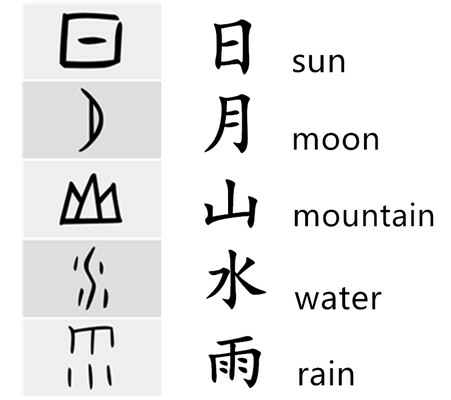
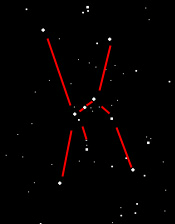
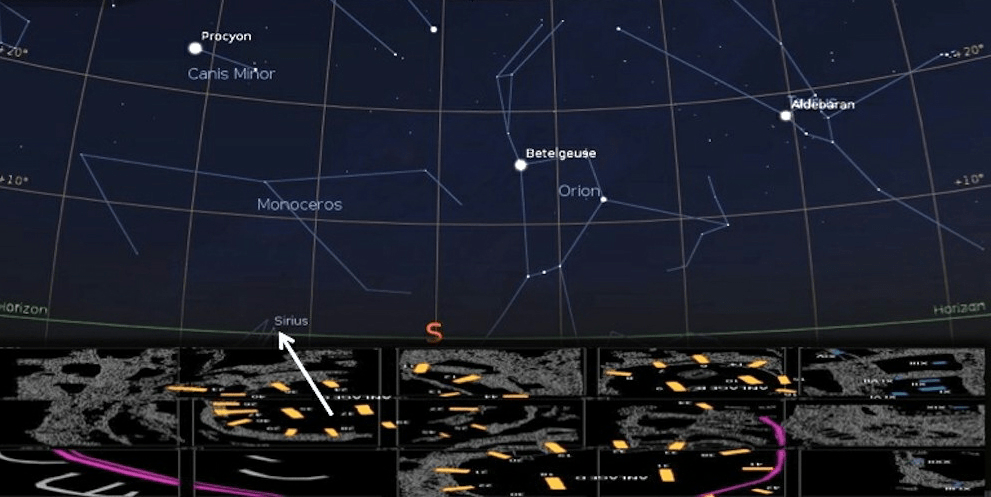
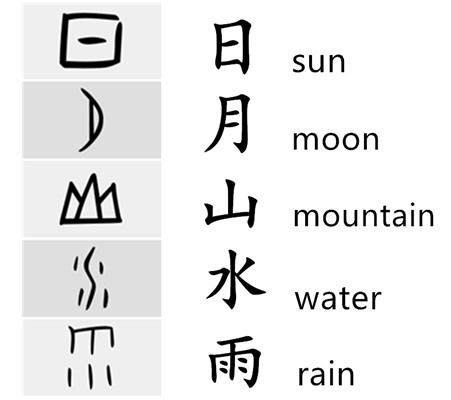
  • The H sign-Orion relation is old, consistent and very strong, as Orion beeing most visible constellation on sky. Orion would be in afterlife a GATE TO THE SKY/UNIVERSE ! I found separately the same chinese signs: EVOLUTION OF CHINESE CHARACTERS漢字發展 https://www.ocf.berkeley.edu/~wwu/chinese/handout.html
Do I need to learn Mandarin in order to start a business in Taiwan? - How  to Start a Business in Taiwan
https://startabusinessintaiwan.tw/book/faqs/language/do-i-need-to-learn-mandarin-in-order-to-start-a-business-in-taiwan/

NOTE Upon chinese rendering, T-shaped pillars are related to “down” ,Earth. This is according to old stages of religion developement when lower (place, chtonic) gods preceded later high (Sky) gods. https://hraf.yale.edu/ehc/summaries/religion#gods-and-spirits << Animism was the first form, followed by belief in an afterlife, which, in turn, was followed by shamanism and ancestor worship. They found that ancestor spirits and/or high gods thought to be active in human affairs were probably absent among early humans perhaps reflecting a deep history of egalitarianism in hunter-gatherer groups.>> Out of Utah, such signs were used later in Corsica:

Gobekli tepe: A Proto-Turkish Temple?
Gobekli tepe: A Proto-Turkish Temple? https://pt.slideshare.net/zgrBarEtli/gobekli-tepe-a-prototurkish-temple/20?smtNoRedir=1

Göbekli Tepe’deki o kurnaz tilkiler …

March 6, 2021

Itibaren https://azariablog.com/2015/06/05/is-there-evidence-of-domesticated-dogs-at-gobekli-tepe/

site_1327_3941

Itibaren http://isida-project.org/turkey_2018/gt_en.htm << Temel olarak, sütun üzerindeki kabartmalar, nadiren insan figürlerinin bölümlerinin yanı sıra çeşitli semboller ve ikonlar gibi hayvanların resimlerini içerir. Klaus Schmidt ve Joris Peters makalelerinde Animals in the symbolic world of Pre-Pottery Neolithic Göbekli Tepe, south-eastern Turkey: a preliminary assessment” Tapınakların kısmalarındaki (A-D) resimler hakkında istatistiksel veriler sağlar:

-Göbekli Tepe. Animal depictions on the T-shaped pillars in enclosures A to D. Caveat : enclosures A to D not completely excavated.

Itibaren Gobekli Tepe’s Pillars – Prehistory Decoded – blogger Pilonul 10:

This image has an empty alt attribute; its file name is 20182-p10.jpg
This image has an empty alt attribute; its file name is a7f95-portal.jpg

<< Portalın kuzey tarafındaki B bölmesindeki girişinde bir çift tilki ile çevrili bir boğa başı (bucraniu) vardır. Yine, bu muhtemelen Oğlak ve Kova takımyıldızlarını ve dolayısıyla Taurid göktaşlarının akışını gösterir. Bu yüzden tilkiler ve boğalar açıkça dini ikonografilerinde yer alırken, tilki ve boğa hakkında daha fazla Mezopotamya atasözü bulmak şaşırtıcı değil..>>

Itibaren The fox in Sumerian Proverbs – Foxes from the Gods /Sümer Atasözlerinde Tilki – Tanrılardan Gelen Tilkiler <<İlgili atasözleri şunlardır: Koleksiyon 2:65 Tilki vahşi boğanın toynağına bastı. Acıtmadı, dedi. Koleksiyon 8:21 Bir tilki vahşi bir boğanın testislerini açlıktan ölüyormuş gibi izledi >>

Itibaren http://martinsweatman.blogspot.com/2020/10/gobekli-tepes-pillars.html << Elbette pek çok kişi ilgilendi ve tilkilerin anıtlar üzerindeki motivasyon ve açıklamalarının neler olabileceğini araştırdı.Alanın en eski uygarlığı olan Sümer’de kaydedilen öykülere ve referanslara daha önce yaptığım gibi atıfta bulunacağım. atasözleri, boğayla (ısırmak istediği!?) ve daha sonra ana tanrıça Ninhursag’ın kutsal hayvanı olarak ilişkili göründüğü yer. Fox Mitolojisi | Mitoloji ve Kültürler Amino << Erken Mezopotamya mitolojisinde tilki, tanrıça Ninhursag’ın kutsal hayvanlarından biridir. Tilki, onun habercisi gibi davranır. >> Bu son olayda, tanrı Enki’nin hastalığı vesilesiyle, onu iyileştirebilecek tek kişi Ninhursag’dı. Ama bu bulunamadı, bir ödül karşılığında tilki onu ölüler dünyasından (kız kardeşi Ereskigal’e gittiği yer) getirmeyi teklif etti. Ereshkigal’den – Wikipediaen.wikipedia.org ›wiki› Ereshkigal << Mezopotamya mitolojisinde Ereshkigal (Sümer: 𒀭𒊩𒌆𒆠𒃲 EREŠ. KI. GAL, lafzen “Büyük Dünya Kraliçesi”), ölüler diyarı Kur’un tanrıçasıydı. ya da mitolojide yeraltı dünyası. Sümer. . >> Görünüşe göre tilki ölülerin dünyasına nasıl girip geri döneceğini biliyordu, bu nedenle ölülerin ve büyücülerin dünyasıyla ilgili rollere ve yeteneklere (tam olarak açıklığa kavuşmadı) sahipti.

Itibaren Www.diva-portal.org sitesinden ›getPDF Sümer Ana Tanrıçası Dünyası – DiVA << Anahtar Kelimeler: Sümer ana tanrıçası, Mezopotamya, mit,… tilkiye” bilge, büyücü “denildiğinde SÜMERLERDE TILKI’UN KADIN BİR TANRI İLE İLİŞKİLİ OLDUĞUNU UNUTMAYIN. GÖBEKLİ TEPE’DEN D TEMSİLCİLERİNİN MERKEZİNDE 2 DİREK; BİRİNİ BİR ERKEK TANRIMLA (P31, TOKA KOLYE OLAN) BAĞLIYORUM

Itibaren http://martinsweatman.blogspot.com/2020/10/gobekli-tepes-pillars.html

<< Sütun 31: Muhafazanın ikinci merkezi ayağı D, ‘erkek kardeş’ olan Sütun 18’e çok benziyor, ancak daha az süslü. Kemerdeki veya tokanın yanındaki H ve hilal sembolleri geride kaldı. Ve ‘tutulma’ broşu, bir bucranyum sembolü gibi görünen bir şeyle değiştirilir. >>

DİĞER PİLON (P18 DAHA ZENGİN SÖZLEŞMİŞSE),

Itibaren http://a9414495.eu5.org/origin/gobekli adresinden BİR KADIN ÖLÜMÜ İLE BAĞLANTILIYORUM .html? fbclid = IwAR0yYfLgecEbBFmu-aSKrPETQA3cdiOCc7dBV7ToeQsOwlTHREBxSX7pjAk

This image has an empty alt attribute; its file name is pfeiler-18-mit-podest-2.jpg

Bölge D’nin 18. Sütunu, tüm tapınak kompleksinin en önemlisi. Bu, cinsel ilişkiyi ve çocukların doğumunu simgeleyen bir kadındır. Gelecekteki aşk, seks, aile ve doğurganlık tanrıçalarının prototipi İnanna, İştar, İsis, Afrodit ve diğerleri. Ona tanrıça N diyelim. Sütunun altında yedi kanatsız kuş var. Bunlar onun çocukları. Kemerde, alternatif semboller C ve H, yeni ayın görüntüsüdür, H, cinsel ilişkinin sembolüdür (dikey çubuklar erkek ve dişidir, yatay stigma erkek organıdır ve H, erkeğin sembolüdür ve cinsel ilişkiye giren kadın). Kadının elleri karnının altına bastırılır ve dikkatinin yoğunlaştığı yeri gösterir. Hamilelik sırasında – rahimdeki bir çocuktur ve cinsel ilişki sırasında ona değer verir – duygusallık ve dikkatin merkezi. Kemerin önünde normal konumda 2 H sembolü ve döndürülmüş (yatık) konumda 3 H sembolü vardır. Sıradan H, ayakta pozisyonda cinsel ilişkiyi sembolize eder, yatar pozisyonda H – cinsel aktin yatar Tilki görüntüsü cinsel organları kapatır. Tilki, cinsel ilişkinin sembolüdür. Eski avcılar genellikle bir delikte saklanan bir tilki gözlemlediler. Bu eylem, cinsel ilişki görünümüne benzer bir forma sahiptir. Bu nedenle tilki, cinsel ilişkiyi sembolize ediyor (astronomların yazdığı gibi bir kuyruklu yıldız değil. Üzgünüz, bilim adamları, astronomlar da astronomiyi severler, ancak gerçek daha değerlidir)). Beş katlı bir tilkinin başı vajinayı, iki ayaklı kuyruk ise erkek cinsel organını tanımlar. Vajina ve erkek organın tek bir hayvanda tarif edilmiş olması, cinsel ilişkide birleşmelerini simgelemektedir. Bir kadının gövdesinde bir tilki resmi. Bu vücuttaki cinsel ilişkinin sembolüdür. Bu kadına ve bu mekana hâkim olan ana eylem olarak seks sembolüdür. Bu, verilen tanrıça H’nin gücü ve kabilelerinde cinsel olarak en yetenekli olan, ilk önce tanrıça H ve sütun 18 için bir imaj olarak hizmet eden ve daha sonra bu tanrıçanın rahibeleri ve hizmetkarları olan bazı Neolitik kadınların gücüdür. . Sütun 18, kadın cinsiyetini, doğumu temsil eder ve genel olarak onun sembolüdür. H sembolü, bir kadının boynundaki bir kolyede bulunan bir kolye gibidir. Bu kadının hayatının anlamı olarak seks sembolüdür. Kolyedeki bu H, bir yerine iki bağlantı çubuğuna sahip olması nedeniyle diğer H’den farklıdır. Üst çubuk bir öpücük, alt çubuk cinsel ilişki veya bağlı ellerdir. Bu zaten sadece cinsiyetin değil, aynı zamanda sosyal ve duygusal bir fenomen olarak sevginin de bir sembolü. Bir kadının boynundaki ikinci kolyede Ay üzerinde İnel. Adet döngüsünün sembolü ve bir kadının vücudunun aylık döngüye tabi olduğu gerçeği. Dolayısıyla, 18. sütunun sembolizmi açıkça ve açıkça kanıtlanmıştır. Tapınak kompleksindeki ana figür aşk tanrıçasıydı. Avcıların ve toplayıcıların göçebe kabilelerini çeken oydu, Taş Devri vahşilerine 20 ton megalitleri işlemek ve taşımak için ilham veren oydu. . O bir seks profesyoneliydi ve seks kültürü, iletişim kültürü, aile kültürünü vahşi avcılara ve toplayıcılara aktarıyordu. Medeniyetin başlangıcıydı. Bu bilgi ve beceriler tanrıça H’ye nereden geldi? Bu daha da karmaşık bir sorudur ve cevabı, Newton’un yerçekimi yasasını nasıl keşfettiği sorusuyla kabaca aynıdır. Yaradan Tanrı onu doğruya verdi,

EĞER TILKI ANA TANRIÇA NINHURSAG’IN KUTSAL HAYVANI OLDUĞUNDA, HANGİ PİLON TILKI, PİLON-TANRI VEYA PİLON-TANRI OLDUĞUNU merak ediyordum! Zirvedeki TILKI, SÜMERLERDE GİBİ “KADIN FATURASI” PİLONUNDA!

Acele vulpi hotomane de la Gobekli Tepe…

March 6, 2021

Göbekli Tepe

Din http://isida-project.org/turkey_2018/gt_en.htm << Practic, reliefurile de pe stâlp conțin imagini cu animale, rareori – părți ale figurilor umane, precum și diverse simboluri și pictograme. Klaus Schmidt și Joris Peters în articolul lor Animals in the symbolic world of Pre-Pottery Neolithic Göbekli Tepe, south-eastern Turkey: a preliminary assessment” oferă date statistice despre imaginile din basoreliefurile Templelor (A-D):

  • Snake-23 (and multiple images on one stone were considered as one)
  • Fox – 9
  • Boar – 7
  • Crane – 5
  • Bos taurus / bull – 3
  • Wild sheep – 2
  • Asian wild donkey – 1
  • Gazelle – 1
  • Leopard / Lion – 1
  • Bear – 1?

Vulpile apar pe pozitii fruntase atat in ceea ce priveste ramasitele gasite cat si in ceea ce priveste evidentierea lor pe monumente. Din ResearchGateGöbekli Tepe. Animal depictions on the T-shaped pillars in enclosures… | Download Table https://www.researchgate.net/figure/Goebekli-Tepe-Animal-depictions-on-the-T-shaped-pillars-in-enclosures-A-to-D-Caveat_tbl2_237785162

-Göbekli Tepe. Animal depictions on the T-shaped pillars in enclosures A to D. Caveat : enclosures A to D not completely excavated.

Din Gobekli Tepe’s Pillars – Prehistory Decoded – blogger Pilonul 10:

<< Intrarea portalului în incinta B de pe latura sa de nord prezintă un cap de taur (bucraniu) flancat de o pereche de vulpi. Din nou, acest lucru indică probabil constelațiile Capricornus și Vărsător și, prin urmare, fluxul de meteori Taurid. Așadar, nu este surprinzător să găsim mai multe proverbe mesopotamiene referitoare la vulpe și taur, în timp ce vulpile și taurii apar în mod evident în iconografia lor religioasă.>> Din the fox in Sumerian Proverbs – Foxes from the Gods << Proverbele relevante sunt: ​​Colecția 2:65 Vulpea a călcat pe copita taurului sălbatic. Nu a durut, a spus. Colecția 8:21 O vulpe urmărea testiculele unui taur sălbatic ca și când ar fi murit de foame.>>

=======================

Bineinteles ca multi au fost interesati si au cercetat care puteau fi motivatiile si explicatiile figurarii vulpilor pe monumente.Eu ma voi raporta cum am mai facut si altadata la relatarile si referintele consemnate in cea mai veche civilizatie din zona si anume cea sumeriana.Am gasit referinte in proverbe, unde apare asociata cu taurul (pe care urmareste sa-l muste !?) si mai apoi ca fiind animalul sacru al zeitei mama Ninhursag. Fox Mythology | Mythology & Cultures Amino << In early Mesopotamian mythology, the fox is one of the sacred animals of the goddess Ninhursag. The fox acts as her messenger.>> In aceasta ultima instanta, cu ocazia imbolnavirii zeului Enki, singura care-l putea tamadui era Ninhursag. Dar aceasta nu era de gasit.In schimbul unei recompense, vulpea s-a oferit sa o aduca, din lumea mortilor (unde era plecata la sora ei Ereskigal). Din Ereshkigal – Wikipediaen.wikipedia.org › wiki › Ereshkigal << În mitologia mesopotamiană, Ereshkigal (sumerian: 𒀭𒊩𒌆𒆠𒃲 EREŠ. KI. GAL, lit. „Regina Marelui Pământ”) era zeița lui Kur, țara morților sau a lumii interlope din mitologia sumeriană. .>>

Dupa cat se pare, vulpea stia sa patrunda in lumea mortilor si sa se intoarca, prin aceasta avand roluri si capacitati (nu pe deplin lamurite) legate de lumea mortilor si de vrajitorii. Din www.diva-portal.org › getPDF The World of the Sumerian Mother Goddess – DiVA << Cuvinte cheie: zeița mamă sumeriană, Mesopotamia, mit, … când vulpea este numită „înțeleptul, vrăjitorul”>>

DECI RETINETI CA LA SUMERIENI VULPEA ESTE ASOCIATA UNEI ZEITATI FEMININE. IN INCINTA D DE LA GOBEKLI TEPE SUNT IN CENTRU 2 PILONI; PE UNUL EU IL ASOCIEZ UNEI ZEITATI MASCULINE (P31, CEL CU COLIERUL BUCRANIU) Din http://martinsweatman.blogspot.com/2020/10/gobekli-tepes-pillars.html

<< Pillar 31: the second central pillar of Enclosure D is very similar to it’s ‘brother’, Pillar 18, but is less decorated. Gone are the H and crescent symbols on the belt or beside the buckle. And the ‘eclipse’ brooch is exchanged for what looks like a bucranium symbol.>> SI CELALALT PILON(P18 MAI BOGAT ORNAMENTAT), IL ASOCIEZ UNEI ZEITATI FEMININE Din http://a9414495.eu5.org/origin/gobekli.html?fbclid=IwAR0yYfLgecEbBFmu-aSKrPETQA3cdiOCc7dBV7ToeQsOwlTHREBxSX7pjAk

  1. Pilonul 18 al incintei D, cel mai semnificativ din întregul complex al templului. Acesta este o femeie care simbolizează actul sexual și nașterea copiilor. Prototipul viitoarelor zeițe ale iubirii, sexului, familiei și fecundelor Inanna, Ishtar, Isis, Afrodita și altele. Să o numim zeița N. În partea de jos a coloanei sunt șapte păsări fără aripi. Aceștia sunt copiii ei. Pe centură, simbolurile alternante C și H. C sunt imaginea lunii noi, H este simbolul actului sexual (bastoanele verticale sunt bărbat și femeie, stigma orizontală este organul masculin și H este simbolul bărbatului și femeii asociate în actul sexual). Mâinile femeii sunt apăsate pe fundul burții și indică locul de concentrare a atenției sale. În timpul sarcinii – este un copil în burtă și îl îngrijește, în timpul actului sexual – centrul senzualității și atenției. Pe partea din față a centurii există 2 simboluri H în poziția normală și 3 simboluri H în poziția rotit (culcat). H obișnuit simbolizează actul sexual în poziția în picioare, minciuna H – actina sexuală în poziția mincinoasă.Imaginea vulpii închide organele genitale. O vulpe este un simbol al actului sexual. Vânătorii antici au observat adesea cum o vulpe se ascunde într-o gaură. Această acțiune are o formă similară cu apariția actului sexual. Prin urmare, vulpea simbolizează actul sexual (și nu o cometă așa cum scriu astronomii. Ne pare rău, oamenii de știință, astronomii, iubesc și astronomia, dar adevărul este mai valoros)). Capul unei vulpi cu cinci pliuri descrie vaginul, iar coada cu două picioare este organele genitale masculine. Faptul că vaginul și organul masculin sunt descrise într-un singur animal simbolizează unirea lor în actul sexual. Imagine a unei vulpi pe trunchiul unei femei. Acesta este simbolul actului sexual pe corp. Este un simbol al sexului ca acțiune principală care este dominantă pentru această femeie și în acest loc. Aceasta este puterea zeiței date H și puterea anumitor femei neolitice care fiind cele mai abile în sex în tribul lor, au servit mai întâi ca imagine pentru zeița H și pentru stâlpul 18, iar mai târziu au fost preotese și slujitoare ale această zeiță. Pilonul 18 întruchipează sexul feminin, nașterea și este simbolul său în general. Simbolul H este ca un pandantiv pe un colier pe gâtul unei femei. Este un simbol al sexului ca sens al vieții acestei femei. Acest H de pe colier diferă de celălalt H prin faptul că are două bețe de legătură în loc de unul. Bastonul superior este un sărut, cel inferior este raportul sexual sau mâinile conectate. Acesta este deja un simbol nu numai al sexului, ci și al iubirii ca fenomen social și emoțional.Inel peste lună pe al doilea colier de pe gâtul femeii. Simbolul ciclului menstrual și faptul că corpul femeii este supus ciclului lunar. Deci, simbolismul pilonului 18 este clar și clar dovedit. Zeița iubirii a fost figura principală din complexul templului. Ea a fost cea care atrage triburi nomade de vânători și culegători, ea a fost cea care a inspirat oamenii sălbatici din epoca de piatră să proceseze și să mute megaliti de 20 de tone. Era o profesionistă în sex și a transmis cultura sexului, cultura comunicării, cultura familiei la vânători și culegători sălbatici. A fost începutul civilizației. De unde aceste cunoștințe și aceste abilități au venit la zeița H? Aceasta este o întrebare și mai complicată, al cărei răspuns este aproximativ același cu întrebarea despre modul în care Newton a descoperit legea gravitației. Dumnezeu Creatorul i-a dat-o în dreapta DACA VULPEA ESTE ANIMALUL SACRU AL ZEITEI-MAMA NINHURSAG, AM FOST CURIOS PE CARE PILON ESTE VULPEA, PE PILONUL-ZEU SAU PE PILONUL-ZEITA !? CULMEA, VULPEA ESTE PE PILONUL DE “FACTURA FEMININA” CA LA SUMERIENI !

Those cunning foxes from Gobekli Tepe.

March 4, 2021

From https://www.bibliotecapleyades.net/arqueologia/gobekli_tepe08.htm

Göbekli Tepe - Who Built It, When, and Why? - A Preview to Genesis of the  Gods
Fig. 10. Leaping fox bas-relief on the inner face of Enclosure B’s Pillar 10 (Pic credit: Andrew Collins). Astronomically, this turning mechanism of the heavens is identified with the seven stars of the Plough constellation, also known as the Big Dipper, or Ursa Major, the great bear, which is forever seen to turn about the celestial pole. One of its stars, the tiny Alcor, which lies close to a larger star named Mizar, is identified with the cosmic trickster, and even bears the name Fox Star or Wolf Star in various ancient astronomies (see Fig. 12).It was seen as a visible reminder of the sky-wolf or sky-fox who constantly tries to attack and bring down the sky-pole holding up the heavens.The only way of countering the baleful influence of the trickster was through the actions of the shaman. It was their duty to enter the sky-world, where the sky-fox or sky-wolf roamed freely, and here either appease it, or outwit it in some manner.So to find similar evidence emerging from Göbekli Tepe of ritual activity involving the fox should not be ignored.Is it possible that its stone temples were utilized by shamans entering the sky-world, via the Milky Way’s Great Rift sky-portal, to ensure that the sky-fox, or indeed the sky-wolf (3D carvings of wolves have been found at Göbekli Tepe), did not bring destruction to the world?

eugenrau: ?? !! ?? !!

https://www.pinterest.co.uk/pin/443815738277541972/
Pinterest
23 – left- fox, Nergal, Ninurta, Anu, Enlil, & Nuska; right- Ningishzidda, Enlil, Ishara, Bau,

From The World of the Sumerian Mother Goddess An Interpretation of Her Myths Therese Rodin http://www.diva-portal.org/smash/get/diva2:735198/FULLTEXT01.pdf <<4.13.2. The decreeing of destinies
When I discussed the concept “mother goddess” in the introductory chapter, I maintained that one of the tasks of the mother goddess was to decree fates at Enki because he is trying to usurp her role. However, other deities had the right to decree fates. If this is correct, one can suspect that Ninhursaga is angry at Enki because he is trying tu usurp her role. I shall use my method of investigating the constellation of ideas surrounding the concept of “decreeing destinies” to try to reach an understanding of Enki’s and Ninhursaga’s relations to this task. I will investigate who usually decrees destiny in the mythical world of the Mesopotamians. If this differs from case to case, I also have to discuss who is expected to decree on this occasion. In “Enki and Ninhuesaga” the word of decreeing destiny, nam—tar, occurs when the Anuna gods are the subjects of the verb. The object of the verb is not clear. Perhaps they decree the destiny that Enlil has promised the fox if it make Ninhursaga change her mind about the “death-sentence” on Enki. 4.14. The role of the fox 4.14.1. Contextualization of the fox
Although the part played by the fox in our myth is not a lengthy one, it is very important; it is the fox that succeds in apeasing Ninhursag so that she brings Enki back to life. …. The fox entering its lair could have been thought of as an ability to go to the netherworld, and this may be the explanation of why it was chosen by the mythographer for the role it has in “Enki and Ninhursag”. The reletaion to the netherworld is also found in several incantations where it is said of the lamented city that “Its lord … has gone to the netherworld. Its lady … has gone with him to the netherworld. The fox drags his tail there”. I suppose that the city is seen as abandoned and almost a parallel to the netherworld. The connection to the netherworld may also be seen in the above passage from “Ninurta’s exploits a šir-sud (?) to Ninurta”, where the cultic functionaries corresponding to the kurgarra and the galatura/the assinnu seem to be related to the cult of the dead. (To be noted though is that this reading is built upon a couple of restored signs; [ezen gidi]m”) In any case we already saw that they were related to the netherworld, and that suggests that the mistress of these creatures was also related to the realm of the dead. This assumption accords well with our findings on Ninhursaga; she is a mother goddess giving birth, but at the same time she is able to bring death. …..There is not only a similarity between the kurgarrû and assinnu and the fox, or Inana and the fox, but also between the fox and Enki. The cunning of the fox is according to Lambert “proverbial everywhere”, and cunning is an ability that is typical of Enki. That the fox resembles Enki is also seen when the fox is called “the wise one, the sorcerer” in the fable, which relates to Enki as magician. Further, just as kurgarra and galatura the assinnu, and perhaps also the fox travelled to the netherworld, Enki travels to the netherworld in “Gilgameš, Enkidu and the nether world”. A correspondence between the kurgarrû, the assinnu and Enki is that they all worked to heal people and thus tried to ward off death. This makes me believe that Enki is a deified shaman (the lord of the earth – en-ki) and originally had the same relation to the mistress of death and life as the kurgarrû, the assinnu and the fox. Regarding the fox, the same theme so many times referred to in this chapter is seen also in its role; at the same time as it is related to the netherworld it is also related to life, since it intervenes to bring Enki back to life. >> From https://en.wikipedia.org/wiki/Tablet_of_Destinies_(mythic_item) In Mesopotamian mythology, the Tablet of Destinies (Sumerian: 𒁾𒉆𒋻𒊏 dub namtarra; was envisaged as a clay tablet inscribed with cuneiform writing, also impressed with cylinder seals, which, as a permanent legal document, conferred upon the god Enlil his supreme authority as ruler of the universe. ===================== Intrarea vulpii in bârlogul său ar fi putut fi gândita ca o abilitate de a merge în lumea inferioară și aceasta poate fi explicația de ce a fost aleasă de mitograf pentru rolul pe care îl are în Enki și Ninhursag. Relația cu lumea inferioară este găsita și în mai multe descântece unde se spune despre orașul  deplâns că „Domnul său … a plecat în lumea inferioară. Doamna sa … a mers cu el in lumea de dincolo. Vulpea își târăște coada acolo ” …….Nu există doar o asemănare între kurgarrû și assinnu și vulpe, sau Inana și vulpe, dar și între vulpe și Enki. Viclenia vulpii este conform lui Lambert „proverbial, peste tot”, iar viclenia este o abilitate tipică lui Enki. De asemenea, se vede că vulpea seamănă cu Enki când vulpea este numită „înțeleapta, vrăjitoarea” din fabulă, care se referă la Enki ca magician. Mai departe, la fel cum kurgara și galatura / as-sinnu, și poate și vulpea au călătorit în lumea inferioară, Enki călătorește în lumea inferioară din „Gilgameš, Enkidu și lumea inferioară” și galatura as-sinnu, și poate și vulpea a călătorit în lumea inferioară, Enki călătorește în lumea inferioară din „Gilgameš, Enkidu și lumea inferioară”. O corespondență între kurgarrû, assinnu și Enki este că ei toți au lucrat pentru a vindeca oamenii și au încercat astfel să alunge moartea. Asta mă face cred că Enki este un șaman divinizat (stăpânul pământului – en-ki) și inițial avea aceeași relație cu amanta morții și a vieții ca si kurgarrû, assinnu și vulpea. În ceea ce privește vulpea, aceeași temă este așa de multe ori menționata în acest capitol este văzuta și în rolul său; în același timp deoarece este legat de lumea inferioară, este legat și de viață, deoarece intervine pentru a-l readuce la viață pe Enki.

Nu li se poate da de capat semnelor H de la Gbekli Tepe !?

February 28, 2021

O sa impart lucrarea in doua sectiuni: abordarea clasica si ipotezele mele. ABORDAREA CLASICA CURENTA In general se face legatura semnelor H cu semnul luvian/hitit pentru usa, poarta (de intrare) pe de o parte si cu constelatia Orion pe de alta parte. Din World’s First Known Written Word at Göbekli Tepe on T-Shaped Pillar 18 Means God Manu SeyfzadehRobert Schoch https://m.scirp.org/papers/90367?fbclid=IwAR3NaxYxX7x8YwwExdwp_ybzTX11VdD7oXsqpkBjPOzhzjhp6LE_mGFCIPE << The “H”-shaped Luwian symbol is the logogram for PORTA (“gate”; Petra Goedegebuure, personal communication) and is seen in detail for example in an inscription from Arslan Tepe (Figure 10).

Figure 11. Laroche #239, 261, 263, and 457. #457 (1) has the phonetic value of “li”. #239 translates into “Gate” and #263 and #457 (2) are unknown (Petra Goedegebuure, personal communication). #261 is uncertain. From Laroche (1960: pp. 129, 137, 237); modified.

1) the “H” symbols occur both as part of the belt bracketed by semi-circles on Pillar 18 of Enclosure D, as a part of an apparently purely symbolic element on the front of Pillar 18 along with a disk inside a crescent, alone on the front of Pillar 28 in Enclosure C bracketed by two semi-circles (Figure 3(i)), and as a focal point for the direction of where animals are heading as shown on Pillars 43 and 33 in Enclosure D (Figure 3(j), Figure 3(m) & Figure 3(n)), and 2) that this idea of a focal point is consistent with the concept of a gate, the meaning given to the “H”-shaped symbol in Luwian. Therefore, it is possible that the original meaning behind Göbekli Tepe’s iconography was verbally preserved in Anatolia’s prehistoric and ancient legends and myths until a written script was made incorporating those prehistoric symbols along with their archetypal meaning. >>

Sunt total de acord cu urmatoarele opinii ale altor cercetatori: – lumea de dincolo (a mortilor) “Kur”, a sumerienilor este legata de templul E-Kur – semnul H are legatura cu Orion – semnul H este legat de “poarta, intrare”

Din The World of the Sumerian Mother Goddess An Interpretation of Her Myths Therese Rodin << 5.4.1. The concept “door” as part of a constellation of ideas in Mesopotamian myths ….Table 11. Constellation of ideas associated with the concept “door”
door > netherworld > destiny > the first human being ….In this myth the gate belongs to the city of Nippur. We have the reference to the netherworld (kur) when we think of the name of Enlil’s temple: Ekur (é-kur) ….. In “Gilgameš, Enkidu and the nether world” we also meet the door of the netherworld. …… Regarding the idea “door”, the AHw and the CAD tell us that an Akkadian synonym list equals Harali with daltu, door, and as was pointed to earlier, the word is said to be Subaraic.1340 Komoróczy instead interprets the list as “Harali: Tür von Subartu”.1341 If the latter understanding is correct, the word seems to be a word for a place that was seen as an entrance to Subartu. As we saw Komoróczy saw Harali in the far east of Mesopotamia. Is this compatible with the statements that Harali is the “door of Subartu/a “Subaraic word for door”? to answer this question I shall try to locate the area of Subartu.The designation “Subaraic” corresponds to the region called Subartu.
There have been discussions among the scholars as to the location of this region. Some sources indicate that Subartu was located somewhere from the upper reaches of Tigris, stretching toward the west into the area later called Assyria, and perhaps further up to Syria,1343 whereas others locate it more to the east of the upper Tigris. …We saw that Komoróczy understood ېDUDOL as a mountain, being the “door of Subartu”, and that it was sometimes called “Gold Mountain” …. Archaeologists Cyril Smith and William Young have analyzed 125 of these gold objects, and they found that they had inclusions of platiniridium (PGE), similar to the gold of the Pactolus river in western Anatolia. Smith and Young concluded that the gold of Ur was derived from Anatolia.1350 Thus, the article of Smith and young states that there was gold in Anatolia, and it also points to a relationship between Mesopotamia and Anatolia regarding gold. The Fertile Crescent of northern Mesopotamia also stretches into the western parts of
Anatolia, i.e. towards the area of the Pactolus river. , Harali was seen as a door of Subartu one expects that it was situated somewhere on its border, and it might well have been in the western parts of Anatolia. ….To conclude, my understanding of the word Harali, the place where the minor gods work, is that it seems to refer to an area on the border of the Fertile Crescent, since it is called “the door of Subartu”. Further, since Harali was an origin of gold, it is more probable, as I see it, that it was situated somewhere in the area of Anatolia where gold came from, than, as Komoróczy argues, in the Far East.>>

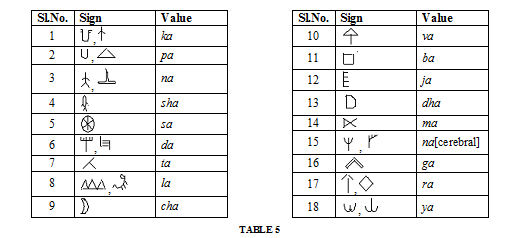
Am aratat cum mai tarziu au aparut semnele proto-cuneiforme Ga2 si Ku

https://cdli.ucla.edu/tools/SignLists/protocuneiform/archsigns.html
https://cdli.ucla.edu/tools/SignLists/protocuneiform/archsigns/KU~a.jpg

care reflecta posibil forma constelatiei Orion. Pe de alta parte, Orion este legat de vanatoare/vanator iar in Egipt este legat si de viata de apoi. Semnul Ga2 inseamna casa iar Ku inseamna stralucirea metalului.
www.constellation-guide.com › constellation-list › orion-c…
Orion Constellation (the Hunter): Stars, Facts, Myth, Location … << Sumerienii l-au asociat cu povestea eroului lor luptând cu taurul cerului, reprezentat de Taur. L-au numit pe Orion URU AN-NA, adică „lumina cerului”. Numele lor pentru constelația Taur era GUD AN-NA, sau „taurul cerului”.>> Sumerian Lexicon (2500 – 1800 BCE)www.naturepagan.com › …  KU: bases, foundation (SUS 10.3) · KUG, : to purify

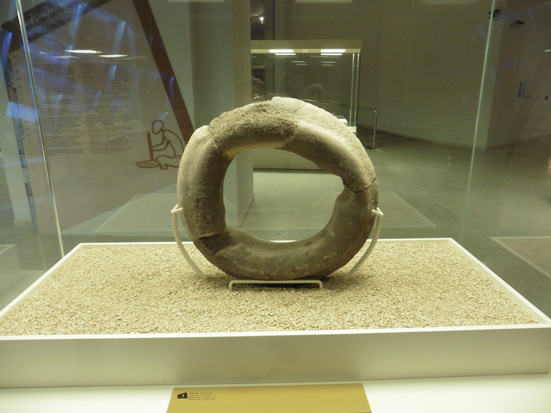
In scrierea Linear A semnul inseamna “bronz”. Fereastra de vitraliu de pe lespedea de mai jos are exact forma semnului Ku. Imagine, Porthole stone= piatra de HUBLOU

Portals at Gobekli Tepe | Göbekli tepe, Ancient mysteries, Ancient aliens
https://ro.pinterest.com/pin/353251164495504746/

ABORDAREA MEA. IPOTEZA

Din https://www.researchgate.net/figure/Goebekli-Tepe-2006-pillar-18-in-enclosure-D-foto-Berthold-Steinhilber_fig3_270030960

Göbekli Tepe 2006, pillar 18 in enclosure D (foto Berthold Steinhilber). |  Download Scientific Diagram

Din The Proto-Sumerian Language Invention Process by John A. Halloran https://www.sumerian.org/prot-sum.htm ka:  mouth [KA archaic frequency: 108; concatenates 2 sign variants]. gura ká:  gate [? KA2 archaic frequency: 11; concatenates 4 sign variants]. poarta ka5-(a): fox. vulpe

Posibil icoana vulpii sa faca trimitere la poarta ? …daca si vulpea si poarta se numeau la fel (KA sau altfel) si cu mii de ani inainte. Altfel lingvistii afirma ca dupa 1.000 de ani o limba sufera transformari majore si nu mai este recunoscuta; aici avem chiar mai mult de 2.000 de ani de la Gobekli Tepe 9.000 IEN si inceputurile scrierii sumeriene 3.500 IEN (diferenta 6.000 de ani)

Din http://www.foxesfromthegods.net/foxes.html?fbclid=IwAR1xYBZD9fcU3kN9R862ak5t4pWVe3gjEw0kj0Be8NTkGQ5g3lFTjlm7zQo << Vulpile sunt animale comune în zone întinse din Europa, Orientul Mijlociu și Asia și au interacționat cu rasa umană de mai multe milenii, în măsura în care imaginile și poveștile lor despre comportamentul lor reputat au devenit pe scară largă încorporate în cultura umană. Primele dovezi în acest sens provin de la Gobekli Tepe din sud-estul Turciei, unde reliefurile sculptate ale unei vulpi de câine sunt frecvente pe megalitii în formă de T datând de la 9000 până la 7500 î.Hr. Vulpea apare în literatura de înțelepciune sumeriană, dintre care o mare parte poate fi datată cel puțin în mileniul trei î.Hr. Este un jucător de frunte în mitul lui Enki și Ninchursag, unde salvează lumea de secetă și distrugere după o dispută între Dumnezeu și Zeiță cu privire la pierderea a opt plante speciale. Vulpea este cel mai des menționat animal sălbatic din Proverbele sumeriene unde apare de treizeci și șapte de ori. În literatura ulterioară akkadiană, acesta are un rol principal în Seria Vulpii, unde este implicat în dispute cu Lupul, Leul și Câinele.Analiza detaliată a acestor proverbe și a altor ziceri sumeriene și akkadiene despre vulpi duce la concluzia fermă că Vulpea a fost recunoscută ca o constelație de stele pe cerul nopții. Această constelație conținea cea mai strălucitoare stea variabilă pe perioadă lungă, Mira, a cărei luminozitate contrară a dus la acordarea vulpei de o personalitate incontestabilă.>> ATENTIE ! Din Gobekli Tepe’s Pillars http://martinsweatman.blogspot.com/2020/10/gobekli-tepes-pillars.html << Stâlpii 9 și 10: Stâlpii centrali ai incintei B, fiecare are câte o vulpe sculptată pe suprafața sa interioară. Pilonul 9 are un bol mic sculptat în piatră la piciorul său.Vulpea, reprezentând probabil constelația Vărsător, este unul dintre cele mai comune animale sculptate la Gobekli Tepe. Fluxul de meteori Taurizi a fost probabil centrat peste Vărsător în jurul anului 9.000 î.Hr., când această incintă era în uz. Eventual, simbolul vulpii de la GT este legat de setul zeității AE, zeul haosului și al furtunilor de deșert, care este adesea descris cu ceea ce pare a fi un cap de vulpe.

Intrarea portalului în incinta B de pe partea sa nordică prezintă un cap de taur (bucraniul) flancat de o pereche de vulpi. Din nou, acest lucru indică probabil constelațiile Capricornus și Vărsător și, prin urmare, fluxul de meteori Taurid. Așadar, nu este surprinzător să găsim mai multe proverbe mesopotamiene referitoare la vulpe și taur, în timp ce vulpile și taurii apar pregnant în iconografia lor religioasă.>>

http://www.foxesfromthegods.net/proverbs.html?fbclid=IwAR0TlVs5gGgE_iRwr3Ty4snypgqgHZL1pg47oceNI7VjeBg_LUbSyobbAeY

<< Multe proverbe sumeriene au fost recuperate și traduse din seturi de tăblițe cuneiforme datând din mileniul III î.Hr. În aceste colecții vulpea este cel mai comun animal sălbatic menționat. Dintre cele treizeci și șapte de proverbe cu vulpi din literatura sumeriană, câteva se remarcă prin descrierea unei relații între două forme animale. Cele mai ușor de înțeles dintre acestea implică Vulpea și Taurul sălbatic. Constelația Vulpea are o regiune distinctivă a capului care conține steaua Menkar, care se află chiar în spatele și sub colecția de stele, care a fost aproape universal cunoscută în cultura vest-asiatică sub numele de Taur >> http://www.foxesfromthegods.net/images/Fox%20and%20Bull.jpg

The Fox and Bull Constellations

Göbekli Tepe’deki “H” tabelasına kimse son vermiyor

February 26, 2021

The Secret of Gobekli Tepe: Cosmic Equinox and Sacred Marriage – Part II Göbekli Tepe’nin Sırrı: Kozmik Ekinoks ve Kutsal Evlilik – Bölüm II https://www.ancient-origins.net/opinion/secret-gobekli-tepe-cosmic-equinox-and-sacred-marriage-part-ii-002862

The center pillars at Göbeklitepe depict the “H” and sun-moon signs
Göbeklitepe’deki merkez sütunlar “H” ve güneş-ay işaretlerini gösteriyor

<< Güneş ve ay ikonografisi, zamanımızın en önemli arkeolojik alanlarından Neolitik tapınaklar olan Göbeklitepe’nin etkileyici ayakta sütunlarında bulunabilir. Konuk yazar Özgür Etli, antik inşaatçıların tapınakları kullanan insanlara hangi mesajları vermeye çalıştıklarını ve aynı zamanda tüm insanlığa iletmeye çalıştıklarını inceliyor. Bölüm I Oku Güneş-ay motifinin üzerinde yer alan “H” işaretinin erkek ve kadın birlikteliğini veya baharda tanrı-tanrıça evliliğini simgelediği tahmin edilebilir. Arkeolog Klaus Schmidt, bu motifin erkek ve dişi sembolize ettiğine inanıyor. Sütunun ayakta durma pozisyonu aynı zamanda daha önce de belirtildiği gibi “doğum” veya “yeniden doğuşu” sembolize eder.

Göbekli Tepe & The Great Year | Ancient Origins
Inanna and Dumuzi

Yazar ayrıca İnanna ve Dumuzi / Tamuz kutsal evliliğine ve ayrıca Kybele’nin doğurganlık kültüne yaklaşımlarda bulunur. << Arkeolojik araştırmalarda Anadolu’da çeşitli dönemlere ait çok sayıda çift başlı figürin bulunmuştur. Bu figürinlere ikiz tanrıça denir. Alim ve bilim adamı Cevat Şakir’e (Halikarnas Balıkçısı) göre bu figürler tanrıçayı ve kocasını simgelemektedir [5]. Görünüşe göre, dünya anneleri ilk uygarlık dönemlerinden beri saygı görüyor. Toprağın bereketi, yaşamın istikrarı için hayati öneme sahipti. O nedenle insan uygarlığımızın ilk dönemlerinde ölüm, doğum ve yeniden doğuş kavramları en önemlisi olmalıydı. Dolayısıyla insan uygarlığımızın çıkış noktası olan Göbeklitepe tapınaklarında da Sümer kutsal nikah törenlerinin yapıldığını düşünebiliriz. Klaus Schmidt’in görüşüne göre Göbeklitepe kültürü Sümer ve Mısır medeniyetlerini etkileyebilirdi. O halde saati geriye çevirerek Göbeklitepe neolitik kültüründe yerleşik kültürel Sümer unsurlarını da görmeliyiz. D Tapınağı’nın merkez direğinde tasvir edilen güneş-ay sembolünün veya güneş ile ayın kutsal buluşmasının ekinoks zamanını ve baharın başlangıcını temsil ettiğini tahmin edebilir miyiz? Çeşitli bulgular ve kanıtlarla yapabiliriz. >> Başka bir gönderide, H işaretinin iki Tau’dan (biri sola + biri sağda) oluştuğunu ileri sürdüm; Yani işareti T = “Ben”, H = Ben-Ben.

Şimdi Ur-Bau = Ur-MeMe’nin (Bau, Kybele’den daha yaşlı olan antik Tanrıça, (aslında geldiği zamandan)) https://en.wikipedia.org/wiki/List_of_Mesopotamian_deities Nintinugga olarak da bilinen diğer büyük tanrılar Gula’nın nasıl olduğunu görüyorsunuz. Ninkarrak, Meme, Bau ve Ninisina, Mezopotamya şifa tanrıçası ve doktorların ve ilaç işçilerinin ilahi koruyucusudur. ….. Eski Mezopotamya’daki tanrılar neredeyse tamamen antropomorfikti. Olağanüstü güçlere sahip oldukları düşünülüyordu ve çoğu zaman Muazzam fiziksel boyutta olduğu düşünülür. Tanrılar tipik olarak melam giyerlerdi, “onları dehşet verici bir ihtişamla kaplayan” ve ayrıca kahramanlar, krallar, devler ve hatta iblisler tarafından da giyilebilen belirsiz bir madde. Bir tanrının melamını görmenin etkisi bir insanda “bedenin fiziksel olarak sürünmesi” için bir kelime olan ni olarak tanımlanır. Hem Sümer hem de Akad dilleri birçok w “korku” anlamına gelen puluhtu kelimesi de dahil olmak üzere ni hissini ifade etmek için ords .

!! “melam” aslında “Me” idi !!

Sümer Dili – Bir anime’de (kader serisi), bir sohbet karakterinde … sumerianlanguage.tumblr.com ›post› in-an-anime-fat … Melam (aynı zamanda hecelenen melem veya melim) “ihtişam” anlamına gelen bir isimdir. ..

Sümer Sözlüğü – bulgari-istoria-2010.comwww.bulgari-istoria-2010.com ›Rechnici› Sümer _… … EMEURANNA = ANU’nun Kahramanı ME’lerin Evi … Nimbus = MELAM.

Olabilir, D muhafazasındaki DEMİR 18’İNE YARDIMCI OLABİLİRİZ, BU İŞARETLER ERKEN KADIN RUH-İLAHİ OLDUĞUNU GÖSTERİYOR

Nobody puts an end to the “H” signs from Gobekli Tepe

February 26, 2021

From The Secret of Gobekli Tepe: Cosmic Equinox and Sacred Marriage – Part II https://www.ancient-origins.net/opinion/secret-gobekli-tepe-cosmic-equinox-and-sacred-marriage-part-ii-002862

The center pillars at Göbeklitepe depict the “H” and sun-moon signs

<< Sun and moon iconography can be found on the impressive standing pillars of Göbeklitepe, the Neolithic temples that are among the most important archaeological sites of our time. Guest author Özgür Etli examines what messages the ancient builders might have been trying to impart to the people who used the temples, and what they might have also been trying to communicate to all of humanity.

Read Part I

It can be speculated that the H” sign located above the sun-moon motif symbolizes male and female togetherness, or a god-goddess marriage in spring. Archaeologist Klaus Schmidt believes this motif symbolizes male and female. The standing position of the pillar also symbolizes “birth” or “rebirth”, as mentioned previously.

Göbekli Tepe & The Great Year | Ancient Origins
Inanna and Dumuzi

>>

Further the author make approaches to Inanna and Dumuzi/Tamuz sacred marriage and further to fertility cult of Cybele. << In archaeological research, numerous double-headed figurines have been found belonging to various periods in Anatolia. These figurines are called twin-goddesses. According to scholar and scientist Cevat Şakir, ( Halikarnas Balıkçısı ), these figures symbolize the goddess and her husband [5]. Seemingly, earth mothers have been venerated since the first eras of civilization. Fertility of soil had vital importance for the steadiness of life. For that matter, death, birth and rebirth concepts should have been be the most important at the initial periods of our human civilization. Therefore, we can consider that Sumerian sacred marriage ceremonies were also performed in Göbeklitepe temples, the starting point for our human civilization. According to Klaus Schmidt’s opinion, Göbeklitepe culture could have affected the Sumerian and Egyptian civilizations. In that case, by turning the clock back, we should see established cultural Sumerian elements in Göbeklitepe neolithic culture as well. Can we speculate that the sun-moon symbol, or the sacred meeting of sun and moon, depicted on center pillar of Temple D represents equinox time and the beginning of spring? With various findings and proof we can. >>

In another post I advanced that sign H is composed of twoo Tau’s (one to left left+ one on right); So as sign T=”Me”, H= Me-Me.

Now you see how Ur-Bau =Ur-MeMe (Bau, ancient Goddess older than Cybele, (in fact from wich come) https://en.wikipedia.org/wiki/List_of_Mesopotamian_deities Other major deities Gula, also known as Nintinugga, Ninkarrak, Meme, Bau, and Ninisina, is the Mesopotamian goddess of healing and the divine patroness of doctors and medicine-workers. …..Deities in ancient Mesopotamia were almost exclusively anthropomorphic. They were thought to possess extraordinary powers and were often envisioned as being of tremendous physical size. The deities typically wore melam, an ambiguous substance which “covered them in terrifying splendor” and which could also be worn by heroes, kings, giants, and even demons. The effect that seeing a deity’s melam has on a human is described as ni, a word for the “physical creeping of the flesh“. Both the Sumerian and Akkadian languages contain many words to express the sensation of ni,[4] including the word puluhtu, meaning “fear”

!! “melam” was in fact “Me” !!

Sumerian Language — In an anime (fate series), a chatacter …sumerianlanguage.tumblr.com › post › in-an-anime-fat… Melam (also spelled melem or melim) is a noun meaning “splendor, …

Sumerian Dictionary – bulgari-istoria-2010.comwww.bulgari-istoria-2010.com › Rechnici › Sumerian_… … EMEURANNA = House of the ME’s of ANU’s Hero … Nimbus = MELAM.

MAYBE WE ASSIST ON PILLAR 18 in enclosure D , THAT H SIGNS ARE INDICATING AN EARLY FEMALE SPIRIT-DIVINITY

Göbekli Tepe. Possibly the greatest leap of mankind.

February 22, 2021

Gobekli Tepe, the World's Oldest Megalith and the World's First Temple
GOBEKLI TEPE, THE WORLD’S OLDEST MEGALITH AND POSSIBLY WORLD’S FIRST TEMPLE
https://unbelievable-facts.com/2018/03/gobekli-tepe.html

Yes, and we may not even know about this leap. We know some moments that we consider turning in the development of mankind, such as the discovery of fire, writing, the industrial revolution, the conquest of outer space. In each of these it is a question of having in fact made only a breach only in a certain field or sector. We are surprised and we have the impression that the Egyptians and the Sumerians had some civilizations apparently suddenly emerged from nothing. Is that so !? We forget that in the case of the Sumerians until the discovery of writing they used hundreds and thousands of years ago a rudimentary system of counting using tokens. In the Neolithic tools and constructions appeared, but we forget that thousands of years ago they used only stone tools. We have a reference moment in the development of the oldest known civilization, the Sumerian one. That would be when the divine knowledge from the gods was shared with the earthlings and thus known and used. This knowledge was called ME. The sign of ME (known only after the discovery of writing) is T / Tau and was known long before the discovery of writing.

https://cdli.ucla.edu/tools/SignLists/protocuneiform/archsigns.html Sign ME~a

Interestingly, mankind has noticed that there is a complicated connection and mechanism by which different components of nature are articulated, otherwise functioning as a kind of clock machine, so perfect. People have noticed cause and effect connections tens of thousands of years ago, but working in detail escapes their understanding. It was a mysterious and complex world whose signs could not be read. In the Neolithic, the Sumerians closely classified and ordered these legitimacies, in the form of MEs. Very interesting, that they realized that the material and the spiritual aspect, both good and bad, are the parts and facets of one and the same reality. Although this stage of human knowledge is known, I am surprised that its true importance is not realized, it is not analyzed and debated at length. Then how can I be surprised that another fact was not even realized. Now comes the shock element, the bomb bomb:

THE CIVILIZATIONS OF HUNTING CONNECTORS WHICH PRECEDED THE SUMERIAN CIVILIZATION (ATTENTION, THERE WERE MORE) THEY HAD A CLEAR VISION AND THEY WERE AWARE OF THE CLOSE CONNECTION BETWEEN ALL ASPECTS OF NATURE AND ACTION. LONG BEFORE AND OBVIOUSLY ON ANOTHER SCALE, THEY WERE AWARE OF THESE LEGITIES CALLED BY THE SUMERIANS “ME”.

In their religious system, different elements were connected to each other by invisible threads, all being interconnected. The mechanism in detail was not known to people or shamans or priests. The whole system was organized around a spiritual entity, the ME who was responsible and explained everything. A kind of essence of life. It doesn’t even matter what name or meaning that name had: being, power, will (to live), I / Me … In the Sumerian language, but also in Nostratica (the language from which theoretically everything is derived) It means “I, me, my “… so it shows that the man took his destiny with all his might in his own hands and decided to assert loudly, strongly even through these monuments, the place he hardly won.The fact that they gathered there for thousands of years, shows that that community was a success. And the success was measured by the effect and effectiveness of practical, but also social, group teachings and the ability to maintain community cohesion. difficulties found resources and strength to resume and continue life.That mythology as if the knowledge came from the gods by divine ordinances seems to have had a real precedent in Gobekli Tepe, long before, with the difference that that knowledge did not fall on their heads from heaven or from the god but were obtained and gathered with much effort through the practice of thousands of years. When we look in the dictionary or in the Sumerian writings what those ME were, we see that the swi pillars of the Gobekli Tepe monuments, if they were called Me, could gather and synthesize simultaneously: divine ordinances, priests, oracles, the essence of life, power, struggle and many more. I wonder, what religion in the world would not want to synthesize in a single word or notion and gather in a bundle everything that could be related to religion or divinity? Let us not forget that in our case what was deified was not a character but the wonderful nature itself in its immensity and complexity.

From https://www.sumerian.org/prot-sum.htm me, mì; gtildee: n., function, office, responsibility; ideal norm; the phenomenal area of a deity’s power; divine decree, oracle; cult. v., to be; the Sumerian copula; to say, tell.

Göbekli Tepe.Muhtemelen insanlığın en büyük sıçraması

February 22, 2021

Gobekli Tepe, the World's Oldest Megalith and the World's First Temple
GOBEKLI TEPE, THE WORLD’S OLDEST MEGALITH AND POSSIBLY WORLD’S FIRST TEMPLE
https://unbelievable-facts.com/2018/03/gobekli-tepe.html

Evet ve bu sıçramayı bile bilmeyebiliriz. Ateşin keşfi, yazı, sanayi devrimi, uzayın fethi gibi insanlığın gelişiminde dönmeyi düşündüğümüz bazı anları biliyoruz. Bunların her birinde aslında sadece belirli bir alanda ya da sektörde sadece bir gedik yapmış olma meselesi… Şaşırıyoruz ve Mısırlıların ve Sümerlerin bazı medeniyetlerin birdenbire yoktan ortaya çıktığı izlenimine kapılıyoruz. Böylece !? Sümerler söz konusu olduğunda, yüzlerce ve binlerce yıl önce yazının keşfine kadar, jeton kullanarak ilkel bir sayma sistemi olduğunu unutuyoruz.Neolitik alet ve yapılarda ortaya çıktı, ancak binlerce yıl önce sadece taş kullandıklarını unutuyoruz. araçlar. Bilinen en eski medeniyet olan Sümer medeniyetinin gelişiminde bir referans anımız var.Bu, tanrılardan gelen ilahi bilginin dünyalılarla paylaşıldığı ve böylece bilindiği ve kullanıldığı zamandı.Bu bilgiye ME deniyordu.

https://cdli.ucla.edu/tools/SignLists/protocuneiform/archsigns.html işaret ME

ME’nin işareti (yalnızca yazının keşfinden sonra bilinir) T / Tau’dur ve yazının keşfinden çok önce biliniyordu. İlginç bir şekilde, insanlık, doğanın farklı bileşenlerinin eklemlendiği karmaşık bir bağlantı ve mekanizma olduğunu, aksi takdirde bir tür saat makinesi olarak işlev gördüğünü, bu kadar mükemmel olduğunu gözlemlemiştir. İnsanlar neden sonuç ilişkilerini on binlerce yıl önce fark ettiler, ancak ayrıntılı çalışmak anlayışlarından kaçıyor. İşaretleri okunamayan gizemli ve karmaşık bir dünyaydı. Neolitik çağda Sümerler, bu meşruiyetleri ME’ler şeklinde yakından sınıflandırıp düzenlediler.İyi ve kötü maddi ve manevi yönün aynı gerçekliğin parçaları ve yönleri olduğunu anlamaları çok ilginçti. İnsan bilgisinin bu aşaması bilinmesine rağmen, gerçek öneminin anlaşılmamasına, uzun uzun analiz edilmemesine ve tartışılmamasına şaşırıyorum, o zaman başka bir gerçeğin bile gerçekleşmemesine nasıl şaşırabilirim. Şimdi şok unsuru, bomba bombası geliyor:

SÜMER MEDENİYETİNİ ÖNCELENEN AVCILIK KONEKTÖRLERİNİN UYGARLIKLARI (DİKKAT, DAHA FAZLASI) AÇIK BİR GÖRÜŞLERİ VARDI VE DOĞA VE AKSİYONUN TÜM YÖNLERİ ARASINDAKİ YAKIN BAĞLANTIDAN FARKINDALIKLARDIR.

Dini sistemlerinde, farklı unsurlar birbirine görünmez iplerle bağlıydı, hepsi birbirine bağlıydı, mekanizma detaylı olarak insanlar, şamanlar veya rahipler tarafından bilinmiyordu. Tüm sistem manevi bir varlık, sorumlu olan ve her şeyi açıklayan ME, bir tür yaşam özü etrafında örgütlenmişti. Bu ismin hangi isme veya anlama sahip olduğunun bile önemi yok: varlık, güç, irade (yaşamak), Ben / Benim … Sümer dilinde, ama aynı zamanda Nostratica’da (teorik olarak her şeyin türetildiği dil) “Ben, ben, benim” anlamına geliyor … bu yüzden adamın kaderini tüm gücüyle kendi eline aldığını ve bu anıtlar aracılığıyla bile kazanamadığı yeri yüksek sesle, güçlü bir şekilde ileri sürmeye karar verdiğini gösteriyor.Binlerce yıldır orada toplanmış olmaları, o topluluğun başarılı olduğunu gösteriyor. Ve başarı, pratik ve aynı zamanda sosyal grup öğretilerinin etkisi ve etkinliği ve topluluk uyumunu sürdürme becerisiyle ölçülüyordu. Tapınakların gömüldüğü zamanlar, bölgedeki topluluklar için aşırı zorluk dönemlerine denk geliyor gibi görünüyor. yaşamı sürdürmek ve sürdürmek için kaynaklar ve güç.Bu mitoloji, tanrılardan ilahi kurallarla gelmiş gibi mitolojinin, çok daha önce Göbekli Tepe’de gerçek bir emsali olmuş gibi görünüyor, bu fark, bu bilginin cennetten veya tanrıdan kafalarına düşmemesi, ancak elde edilmiş olması ve Binlerce yıllık uygulama ile büyük çaba sarf etti. Sözlüğe veya Sümer yazılarına baktığımızda, bu ME’nin ne olduğuna baktığımızda, Göbekli Tepe anıtlarının swi sütunlarının, eğer Me olarak adlandırılırlarsa, aynı anda toplanıp sentezlenebildiklerini görürüz: ilahi törenler, rahipler, kahinler, hayat, güç, mücadele ve çok daha fazlası. Merak ediyorum, dünyadaki hangi din tek bir kelime ya da kavramda sentezlemek ve din ya da tanrısallıkla ilgili olabilecek her şeyi bir araya toplamak istemez? Unutmayalım ki bizim durumumuzda tanrılaştırılan bir karakter değil, büyüklüğü ve karmaşıklığıyla harika doğanın kendisi idi.

From https://www.sumerian.org/prot-sum.htm me, mì; ge: n., function, office, responsibility; ideal norm; the phenomenal area of a deity’s power; divine decree, oracle; cult. v., to be; the Sumerian copula; to say, tell. <<işlev, ofis, sorumluluk; ideal norm; bir tanrının gücünün olağanüstü alanı; ilahi kararname, kehanet; kült. v. olmak>>