Din https://www.quora.com/How-could-abiogenesis-happen-Is-there-a-possible-scenario

CUM S-AR PUTEA ÎNTÂMPLA ABIOGENEZA? EXISTĂ UN SCENARIU POSIBIL?

Ei bine, pe scurt, știm că viața este făcută din non-viață, din elementele din tabelul periodic, din felul în care o casă este făcută din non-case, cum ar fi cărămizi și cherestea, etc... nu case mai mici etc.
😀 Cea mai mare parte a ceea ce asociați cu „viață” există în non-viață... și o parte din asta se datorează faptului că definiția „vieții” este puțin depășită.
Acesta este un pic ca „moartea”... un alt termen învechit.
Pe măsură ce descoperim din ce în ce mai multe despre viață și despre cum funcționează, vechile noastre definiții încep să nu se aplice la fel de clar.
De exemplu, dacă te întorci suficient de departe, dacă ai încetat să respiri, erai „mort”.
A descoperit că creierul încă funcționează, chiar dacă un pic necăjit/halucinant, etc... când inima este oprită, așa că nu erai încă „cu adevărat” mort... doar mori.
că nu erai încă „cu adevărat” mort... doar mori.
Când repornirea respirației și apoi repornirea inimii, a devenit destul de obișnuită, dacă creierul tău a oprit activitatea electrică, erai „mort”. Până acum, nimeni despre care s-a confirmat că nu are unde cerebrale nu a „revenit la viață”… dar nu este imposibil.
Dacă găsim o modalitate de a reporni creierul, atunci și aceasta va deveni o modalitate învechită de a determina „moartea”.
Definițiile vieții au exclus întotdeauna virușii și prionii, de exemplu.
Un posibil scenariu?
Ei bine, în natură, fără viață, chiar și în spațiul cosmic, se pot forma molecule care se auto-replica și molecule organice.
Putem găsi proteine și aminoacizi care se formează fără sursă de viață, de exemplu.
Aminoacizii pot asambla și dezasambla proteinele, iar proteinele pot asambla și dezasambla aminoacizii.
Proteinele pot asambla și dezasambla ARN. ARN-ul poate asambla și dezasambla proteine.
ARN-ul poate asambla și dezasambla ADN-ul. ADN-ul poate asambla și dezasambla ARN-ul.
Un prion se poate mișca, prin pliere și desfășurare, și poate face copii ale lui însuși din lucrurile din jur.
Un prion nu are ARN sau ADN... este o proteină.
Un virus este o proteină cu un genom. Virușii au genomi ARN și/sau ADN.
Și ei pot face copii ale lor din lucrurile din jurul lor... iar copiile își pot moșteni genomul.
Unii virusuri au membrane lipidice exterioare, precum celulele bacteriene simple.
Unii viruși infectează alți viruși, așa că nu au nevoie de ființe vii pentru a infecta.
Unii viruși sunt mai mari decât unele bacterii.
Unii viruși au urme rămase ale genomului lor care reglează funcțiile metabolice, așa cum au bacteriile simple.
Dacă primești aceste lucruri nevii în interiorul tău, este considerată o infecție, nu este otrăvită de o substanță chimică... pentru că sunt atât de aproape de a fi ceea ce numim „vii”.
Deci, înainte de „viață”, vedem lucruri care au genomi care pot fi moșteniți, membrane exterioare precum celulele, urme de reglare metabolică și așa mai departe.
Dacă ar face copii în interiorul membranei lor, în loc să fie în afara acesteia, practic, aceasta ar fi o simplă bacterie.
UN OM nu face descendență în interiorul său... el are un genom pe care îl trimite în EXTERIOR, pentru a „infecta” o altă celulă și a declanșa acea celulă să facă copii ale genomului său... folosind părți din genomul celeilalte celule.
IE: Bărbatul își trimite genomul (într-un spermatozoid) într-o altă celulă (un ou) și determină acea celulă să înceapă să facă copii.
Este analog cu modul în care se reproduce un virus.
Își trimite genomul într-o celulă și declanșează acea celulă să facă copii.
😀 Așadar, avem o imagine de conectare a punctelor despre cum funcționează totul...
.. și lucrează la spațiile dintre puncte.

😀
Abiogeneza
February 27, 2024Abiogenesis
February 27, 2024https://www.quora.com/How-could-abiogenesis-happen-Is-there-a-possible-scenario
HOW COULD ABIOGENESIS HAPPEN ? IS THERE A POSSIBLE SCENARIO ?
Well, in a nutshell, we know that life is made from non-life, the elements on the periodic table, the way a house is made of non-houses, such as bricks and lumber, etc…. not smaller houses, etc. :DMost of what you associate with “life” exists in non-life… and, some of that is because the definition of “life” is a bit outdated.This is a bit like “death”… another outdated term.As we discover more and more about life and how it works, our old definitions start to not apply as cleanly.For example, if you go back far enough, if you stopped breathing you were “dead”.If you started breathing again, you had “come back to life”.Later, if your heart stopped beating, you were “dead”.If your heart started beating again, you had “come back to life”.The discovered that the brain is still working, even if a bit wonky/hallucinating, etc… when the heart is stopped, so, you were not “really” dead yet… just dying.When restarting breathing, and then restarting the heart, became commonplace enough, if your brain stopped electrical activity, you were “dead”. So far, no one who was confirmed to be without brainwaves has ever “come back to life”… but it is not impossible.If we find a way to re-start brains, than that too will become an obsolete way to determine “death”.The definitions of life have always precluded viruses and prions for example.A possible scenario?Well, in nature, without life, even in outer space, self replicating molecules, and organic molecules can form.We can find protein and amino acids forming with no living source for example.Amino acids can assemble and disassemble proteins, and proteins can assemble and disassemble amino acids.Proteins can assemble and disassemble RNA. RNA can assemble and disassemble proteins.RNA can assemble and disassemble DNA. DNA can assemble and disassemble RNA.A prion can move, by folding and unfolding, and can make copies of itself from things around it.A prion has no RNA, or DNA… it is a protein.A virus is a protein with a genome. Viruses have RNA, and/or DNA genomes.They too can make copies of themselves from things around them… and the copies can inherit their genomes.Some viruses have outer lipid membranes, like simple bacterial cells.Some viruses infect other viruses, so they do not need living things to infect.Some viruses are larger than some bacteria.Some viruses have remnant traces of their genomes that regulate metabolic functions, like simple bacteria have.If you get these non-living things inside of you, it is considered an infection, not being poisoned by a chemical… because they are so close to be ing what we call “alive”.So, before “life”, we see things that have genomes that can be inherited, outer membranes like cells, traces of metabolic regulation, and so forth.If they made the copies inside their membrane, instead of outside of it, basically, that would be a simple bacteria.A MAN does not make progeny inside of himself… he has a genome that he sends OUTSIDE of himself, to “infect” another cell, and trigger that cell to make copies of his genome…using parts from the OTHER cell’s genome. IE: The man sends his genome (in a sperm) into another cell (an egg), and, triggers that cell to start making copies.It is analogous to how a virus replicates.It sends it’s genome into a cell, and triggers that cell to make copies. :DSo, we have a connect the dots sort of picture of how it all works….. and are working on the spaces between the dots. 😀
Nu este necesar ca IA să “gândească” ca oamenii !
February 4, 2024Extras din Artificial Intelligence (AI): What It Is and How It Is Used
“Inteligența artificială sau IA se referă la simularea inteligenței umane în mașini care sunt programate să gândească și să acționeze ca oamenii” Dacă IA simulează inteligența umană înseamnă una, iar dacă ‘gândește ca oamenii’, poate însemna ceva ușor (sau mult diferit). Atâta timp cât IA este încă departe de performanțele celei umane simularea reprezintă o cale de urmat, respectiv o soluție la îndemână. Dar dacă ‘gândește ca oamenii’, apelativul ‘artificială’ este lipsit de conținutul său conform definiției.Deci nu este tocmai artificială. ———————————— Este cunoscut faptul că viețuitoarele de pe Pământ și-au dezvoltat fiecare din ele câte un mod specific de procesare a informațiilor provenite din mediul interior și exterior. S-au dezvoltat și perfecționat în milioane de ani cu scopul unic al supraviețuirii, prin continua adaptare la mediu și perfecționare. Omul nu a avut nevoie să intre în competiție directă cu vreun animal ci numai oarecum să le controleze sau surclaseze prin inteligență. Nici nu a fost necesar să copieze alte creiere sau computere.Dar a avut nevoie de performanță, respectiv procesare complexă și adeseori în volum mare. Creierul nu este făcut pentru calcule ci pentru o adaptare performantă, fină și precisă la mediu. Din https://hackernoon.com/ai-vs-the-human-brain-can-ai-beat-human-intelligence “Încercăm să modelăm AI pentru creierul uman. De ce? Ei bine, creierul uman este cel mai puternic mecanism de inteligență pe care îl cunoaștem și a fost studiat pe larg de-a lungul timpului.Să începem cu un adevăr simplu: creierul uman este mult mai complex decât AI. Iată un fapt surprinzător: spre deosebire de AI, creierul uman nu folosește algoritmi! Acum, ce este un algoritm? Este ca un set de instrucțiuni pentru rezolvarea problemelor. Deci, creierul uman, cu cei 86 de miliarde de neuroni ai săi, nu urmează un set predeterminat de reguli. Acum, să ne îndreptăm atenția către Inteligența Artificială. În domeniul extins al cercetării AI, aspirația este ca AI să se apropie de complexitatea creierului uman, o piatră de hotar numită atingerea Inteligenței Generale Artificiale (AGI). ” <“Diferența dintre inteligența umană și AI este că AI a fost construită în mod deliberat de oameni. Asta înseamnă partea „artificială”.> “Deci, AI nu îți copiază creierul ca pe un duplicat. Este mai degrabă ca și cum ai face o presupunere inteligentă și simplificată despre modul în care creierul tău abordează problemele și învață lucruri noi. Nu este la fel de complex sau flexibil ca creierul tău, dar este o imitație inteligentă, care ne ajută să facem anumite sarcini foarte bine.
Deci, AI nu îți copiază creierul ca pe un duplicat. Este mai degrabă ca și cum ai face o presupunere inteligentă și simplificată despre modul în care creierul tău abordează problemele și învață lucruri noi. Nu este la fel de complex sau flexibil ca creierul tău, dar este o imitație inteligentă, care ne ajută să facem anumite sarcini foarte bine.Această distincție este crucială, deoarece ne ajută să apreciem punctele forte unice atât ale creierului uman, cât și ale inteligenței artificiale. Pe scurt, AI este ca un model inspirat de creierul tău, dar nu o copie exactă. Această distincție este crucială, deoarece ne ajută să apreciem punctele forte unice atât ale creierului uman, cât și ale inteligenței artificiale. Pe scurt, AI este ca un model inspirat de creierul tău, dar nu o copie exactă.” Nu este necesar și nici productiv ca IA să lucreze exact ca și creierul omenesc, dar în ceea ce privesc unele performanțe (încă!) poate fi folosit ca etalon.De exemplu în privința recunoașterii tiparelor cu exemplu concret în recunoașterea facială.Vedeți chiar în acest exemplu deși omul a dezvoltat în timp o capacitate mare de recunoastere a tiparelor și foloseste mare parte din capacitatea sa de procesare, IA îl bate la acest capitol.
Faptul că ne-am inspirat din funcționarea creierului cuvrețelele neuronale și deep learning a fost un pas prin care am încercat să ajungem din urmă creierul.Si în unele aspectevînguste s-a reușit.Dar sa constatat că de foarte multe ori IA își creează propriii algoritmi care scapă înțelegerii noastre, în schimb rezolvă mai repede și mai bine problemele.O să vă fac demonstrația totală că scopul nu este copierea creierului ci performanța.Computerele cuantice nu obțin performanța prin copierea sau simularea rețelelor neuronale, sistemul se bazează numai și total pe principiile și fenomenele fizicii cuantice. https://ro.m.wikipedia.org/wiki/Calculator_cuantic
“Inteligența artificială poate beneficia masiv de pe urma utilizării calculatoarelor cuantice. Cele mai inteligente sisteme de învățare automată funcționează pe baza unui proces de ”trial and error” (identificarea anomaliilor statistice). Sistemele de ‘’deep’’ și ‘’machine learning’’ vor ajunge mult mai puternice și mai rapide, dacă pot profita de pe urma fenomenului de superpoziție.”
CONCLUZIE Pentru moment se pate spune că mintea omenească și calcuArlatorul cuantic lucrează la nivele de performanță asemănătoare și ieșite din comun.Dacă modul în care lucrează calculatoarele cuantice este relativ cunoscut, nu același lucru se poate spune despre mintea noastră.Apare același tip de diferențiere ca cel între calulatoarele clasice și mintea omenească.Adică unul e mai bun la unele și celălalt la altele. https://www.psychologytoday.com/intl/blog/defining-decisions/202307/is-your-brain-like-a-quantum-computer “creierul este cu siguranță compus din particule subatomice. Dar asta face din creierul nostru un sistem cuantic? Este greu de imaginat că creierul este un computer cuantic, deși lucrările lui Hameroff și Penrose privind „conștiința cuantică” au sugerat că microtubulii din neuronii creierului ar putea menține temporar stări de suprapunere și prezintă proprietăți cuantice.
Această lucrare a sugerat chiar că măsurătorile stărilor de suprapunere în creier dau naștere experienței noastre conștiente despre lume. Această viziune este destul de controversată și va fi nevoie de ceva mai multă muncă pentru a investiga pe deplin. Mai degrabă aș pune o întrebare mai simplă: poate fi descris bine creierul tău ca și cum ar fi un sistem cuantic? Și de ce ne-am gândi să facem asta?” DOCUMENTARE https://www.rtinsights.com/the-quantum-brain-exploring-the-connection-between-human-intelligence-and-quantum-computing/ Calculul cuantic ca cheie pentru deblocarea adevăratei inteligențe artificiale
Pe măsură ce cercetătorii continuă să exploreze conexiunile dintre creierul uman și calculul cuantic, ei descoperă, de asemenea, potențialul computerelor cuantice de a revoluționa domeniul inteligenței artificiale (AI). Sistemele clasice de inteligență artificială, deși puternice, încă se luptă să reproducă capacitățile cognitive ale creierului uman. Calculul cuantic, cu capacitatea sa de a procesa informații la viteze de neegalat și de a efectua calcule complexe, ar putea deține cheia pentru a debloca adevărata inteligență artificială – mașini care pot gândi, învăța și raționa ca oamenii.
Valorificând puterea calculului cuantic, cercetătorii AI ar putea dezvolta algoritmi și modele care sunt mai eficiente, mai precise și mai puternice decât omologii lor clasici. Acest lucru ar putea duce la descoperiri în domenii precum procesarea limbajului natural, recunoașterea modelelor și luarea deciziilor, permițând sistemelor AI să semene mai mult cu inteligența umană. Mai mult, IA cuantică ar putea permite dezvoltarea unor rețele neuronale mai avansate, care ar putea modela mai precis structura și funcția creierului uman, oferind perspective valoroase asupra naturii cunoașterii umane.Călătoria către înțelegerea și utilizarea creierului cuantic este încă în fazele sale incipiente, dar potențialele beneficii ale acestei cercetări sunt imense. Pe măsură ce continuăm să explorăm conexiunile dintre inteligența umană și calculul cuantic, putem debloca noi posibilități pentru inteligența artificială care ar putea schimba fundamental relația noastră cu tehnologia.” ————————————————- Argumentul meu “suprem” pentru susținerea din titlu este faptul că nu e necesar și nici trebuie să ne punem singuri în dezvoltarea IA o referință. Care ar putea fi limită superioară peste care vom trece sau nu.Pentru că noi nu suntem în competiție cu specia omenească ci numai între noi ca indivizi. Oricum acea referință, mintea omenească este foarte sus. Unii oameni de știință sunt chiar de părere că dacă vine vorba de conștiință, una artificială care să o depășească pe cea omenească posibil nu se va obține niciodată.
Vulcanii din Caraș-Severin
January 23, 2024Am mai scris acum ani de zile când presupuneam că a fost un meteorit:

Din WordPress.comhttps://banatulmontan.wordpress.com › … Schiţă despre masivul bănăţean (de Alfred Ginzkey, Oraviţa)
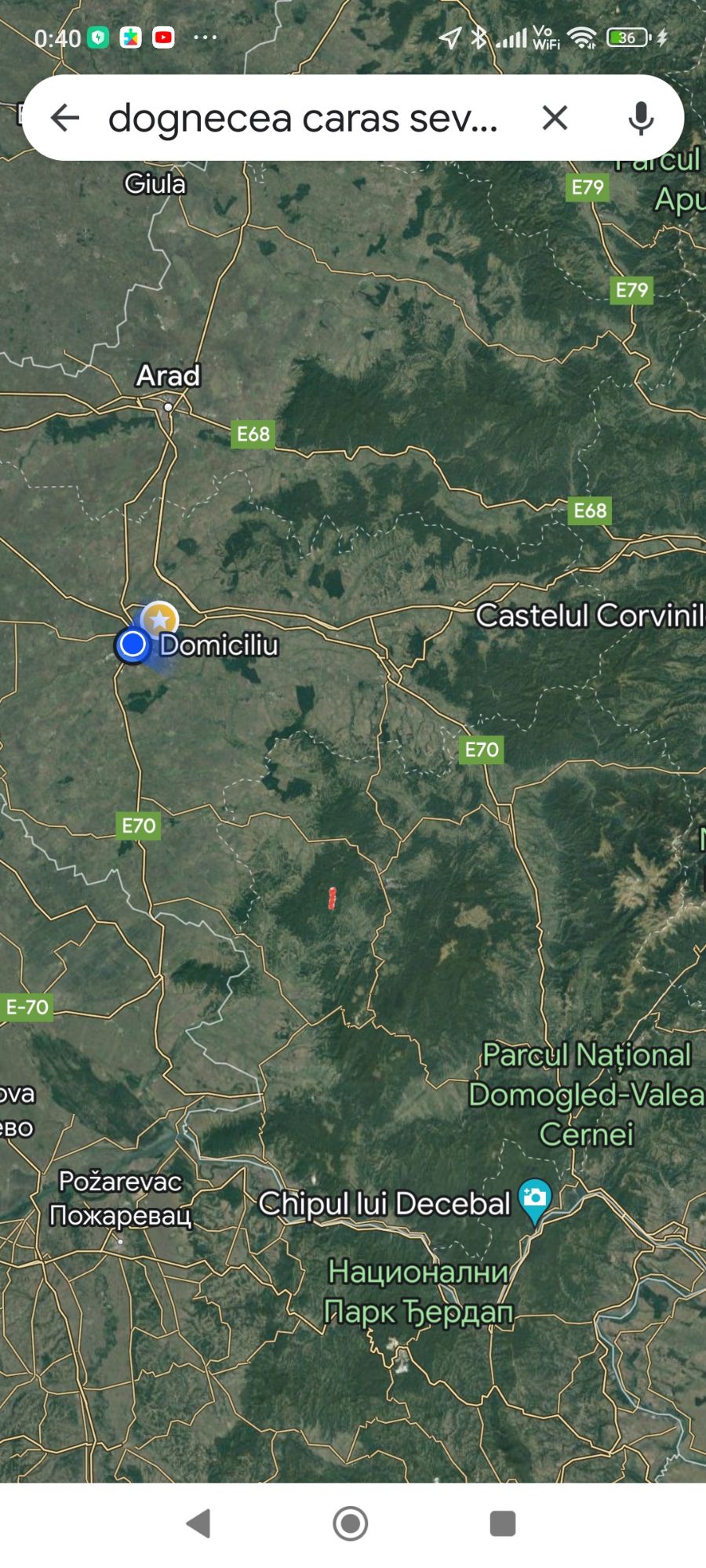
<<<Formaţiunea geologică – anume cea plutonică – ne dovedeşte, cum că o bună parte a munţilor, mai ales la Oraviţa şi Moldova – sunt de origină vulcanică. Un şir întreg de vulcani se pare a fi fost aici în funcţiune, cari apoi prin erosiune şi denudaţiune au fost treptat reduşi la o zonă ce în present formează enorme mase de piatră eruptivă ca granit, symit, diorit etc. Exploatări miniere par a fi fost început de timpuriu în această regiune muntoasă a Banatului, aşa că se găsesc urme încă de pe timpul românilor între Ocna şi Dognecea la „Cracu de aur”, la Oraviţa în „Königsegg” etc. şi de pe timpul turcilor în minele de aramă la Ciclova. Se pot exploata aici cărbuni de piatră, fer, aramă, aur şi argint. Regiunea minieră începe la nord de Ocna de Fer întinzându-se spre sud peste Dognecea, Oraviţa, Ciclova, Sasca până la Moldova. La Dognecea şi Ocna de fer se găseşte magnetit şi hematit excelent, care este prelucrat în cuptoarele (furnalele) dela Reşiţa; se mai găseşte aici: zinc (blendă), aramă şi bismut. Oraviţa era odată renumită prin bogăţia zăcămintelor ei în aur şi argint, din cari s’au retras pe timpuri cantităţi considerabile. … După datele din „Metalurgia” lui Dr. Karsten Berlin, a furnisat argint … o producţiune de 2572.55 kg. Prin procedura greoaie şi neraţională a estragerei de pe timpurile acelea, o bună parte de argint a rămas neetras din minereuri. Cu mijloacele de estragere perfecţionate de azi desigur că s’ar fi putut ajunge la o producţiune cu mult mai mare. Afară de aur şi argint, să mai găseşte în ţinutul Orăviţei fer şi aramă.>>>
Conștiința artificială vs. suferință
January 23, 2024Înțeleg că conștiința artificială (notată mai departe “CA”) va fi posibilă în faza IAG (Inteligența Artificială Generalizată. Cel puțin eu așa înțeleg că atunci va apărea, exclusiv și numai atunci. Chiar așa, și atunci cu un mare DACĂ, (veți vedea mai departe de ce “dacă”). Implementarea CA presupune realizarea unui tot funcțional de o complexitate ieșită din comun.Pentru că cuprinde nivelele cele mai superioare la care a ajuns dezvoltarea intelectului uman și a creierului său. Include intelectul său, întrega gândire și sferele etică și morală.Când vom ști că avem nu doar nuclee de coagulare incipiente ci CA de nivelul IAG ? Youval Harari susține că va fi atunci când CA va experimenta și simți suferința. Eu înclin să cred că are dreptate. Această fază include un câștig principal imens, o despărțire a apelor. Marea dihotomie și respectiv câștigul este că aceasta desparte lumea inanimată de cea animată, vie. Respectiv lucrurile de ființe.Dacă IAG va putea simți efectiv suferința este o mare întrebare și devine una grea, filozofică.Pentru că hardul aparține lucrurilor și funcția, softul aparține și va fi aproape la fel ca a lumii vii. —————– De ce a apărut suferința și ce rol are? Are două nivele: suferința fizică și cea psihică. Cea fizică este comună regnului animal și e relativ simplu de explicat și înțeles, de ce a apărut și ce rol are. În privința celei psihice chestiunile devin mult mai complexe. Suferința psihică este percepția unei amenințări grave sau a unei daune asupra sinelui și apare atunci când se dezvoltă o discrepanță între ceea ce se aștepta de la sine și ceea ce cineva face sau este. Așa cum durerea te poate face să te simți rău mental, mintea ta poate provoca durere fără o sursă fizică sau poate face ca durerea preexistentă să crească sau să persiste. Acest fenomen se numește durere psihogenă și apare atunci când durerea ta este legată de factori psihologici, emoționali sau comportamentali care stau la baza.Deci este un gen de senzație creeată de creier.Românul zice “mă doare sufletul”.Eu zic că a apărut ca o necesitate funcțională.E necesară oamenilor pentru că sunt ființe sociale. Așa cum suferința fizică are un rol de protecție (ca un gard fie asemănător și unuia electric), suferința psihică a apărut odată cu empatia și înțelegerea că celălalt este ca tine. A determinat apariția în creier a tiparului și modelului existenței altuia ca tine. Simulează ceva similar dureri fizice dar într-un fel mai difuz.Chestiunile percepute că se abat si numai ca idee, pricipii și structură de cele ale sinelui sunt percepute ca agresiune și intenții de destructurare somato-psihică.Ce ne facem dacă IAG creează un model artificial, și poate procesa asemenea chestiuni sensibile și subtile? Poate percepe, simți suferință? Eu zic ca ar putea-o percepe dar nu și simți. Percepția poate rămâne la stadiul de informație. Simplu: pentru că nu este materie vie ci una inertă. Acum realizez că nici măcar nu știu când și de ce apare suferința psihică. Suferința apare când o situație sau obiectivele cuiva nu sunt aliniate cu ale tale. Asta creează o situație periculoasă pentru că ești parțial descoperit, expus, lipsit de apărare.Cu atât mai mult o asemenea situație de fapt poate apărea în planul ideatic, al gândurilor si cel etic- moral.Cel care are alte principii este perceput ca unul de pe celălalt mal, din cealaltă tabără, un virtal, viitor și potențial pericol.
Acele vulpi “șmechere!?” de la Gobekli Tepe
January 22, 2024Este vorba de un mare complex arheologic numit în limba turcă Taș Tepeler (“dealurile de piatră”), cuprins într-o arie de sute de mii de hectare, din care cel de la Gobekli Tepe (“ulciorul burtos”)este doar o foarte mică parte.Acolo se află vestitele monumente și piloni în formă de T. Acolo a fost un centru din extrema sntichitate unde se adunau periodic culegător-vânătorii dimprejur. De la sute de kilometriunde sărbătoreau și practicau ritualuri așa-zis păgâne.Asta se întâmpla în perioada 11.400-6.000 Î.E.N. Pe mulți stâlpi se găsesc stilizat inscripționate diferite animale sălbatice.Printre cel mai des figurate rețin a fi vulturul și vulpea.
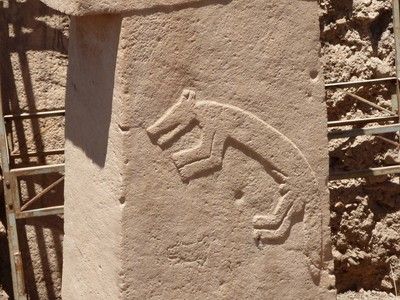
Acolo se practicau ritualuri (atenție, încă nu erau religioase) legate de cultul morților conduse de șamani.Aceștia aveau prezumtiv capacitatea de a trece dintr-o lume în alta, respectiv a morților și cea a viilor.Interesant este că în mitologia sumeriană vulpea avea această capacitate, in legătură cu lumea de jos.Dar și vulturii puteau ajunge in cer, vezi asirienele entități Apkalu. Există la sumerieni un mit conform căruia vulpea a fost rugată să o aducă pe Erekșigal din lumea morților Kur. Din https://en.m.wikipedia.org/wiki/Enki “Deoarece lui Enki îi lipsește un canal de naștere prin care să nască, el pare să moară cu umflături. Vulpea îl întreabă apoi pe Enlil, regele zeilor: „Dacă o aduc pe Ninhursag înaintea ta, care va fi răsplata mea?” Vulpea sacră a lui Ninhursag o aduce apoi pe zeiță.” Un autor și cercetător american autodidact a reușit să ofere o viziune cuprinzătoare a cultului vulpii pe o arie largă spațio-temporală în jurul Gobekli Tepe: https://damienmarieathope.com/2022/07/gobekli-tepe-is-more-like-shamanistic-early-paganism-not-adam-eve-and-cain-or-bible-anything/ În mod paradoxal curios sau ciudat viziunea dânsului se suprapune în bună măsură cu a mea și este concretizată în următoarea aserțiune a mea: ” Culegator-vânatorii de la Gobekli Tepe aveau o idee proprie încă neclară relativ la lumea cealaltă și o trcere, poartă, portal prin care sufletul ajunge acolo”.Este vorba de acele “găuri pentru suflet” și pietre-hublou (ger. sehlenloch, engl. portholes) prezente în diferite locuri în lume. In mod paradoxal (…din nou) aceste porți=portaluri au forma grafic-pictografică a unui “H-casetă” care conduce direct la forma constelației Orion.Un mic extras din această pagină: Vulpi și Gobekli Tepe
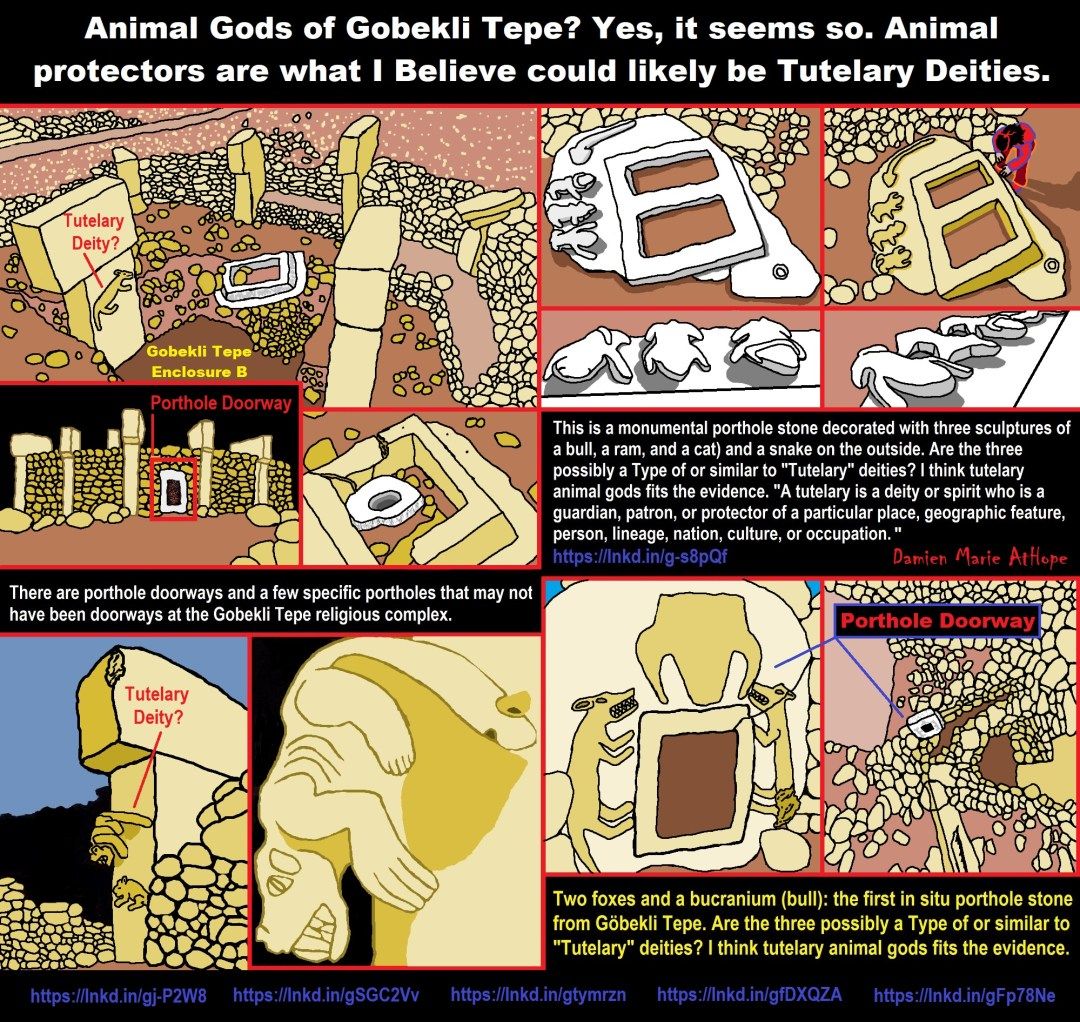
“Iată o legătură către alți doi stâlpi în T cu o legătură de vulpe, iar vulpile par să păzească o deschidere mică ca un hublou sau o legătură mică de ușă (una în care ați ajunge, nu ați trece prin), așa că este pe mai mult de un singur pilon, astfel nelimitat la un singur eveniment sau o utilizare limitată, ci mai degrabă ca o temă comună de exprimare.
Iată reprezentarea mea artistică care se referă la vulpile care par să păzească o mică deschidere asemănătoare hubloului:” https://images.app.goo.gl/yL43BDYkiy2KbX2F6
“Imagini astronomice. – Această idee a unei porți în formă de H către viața de apoi și a capului ca sediu al forței vitale poate să provină din ceea ce era vizibil pe cerul nopții al vremii. .
În timpul mileniului al X-lea î.e.n., polul nord a fost ocupat de constelația în formă de H Hercule,… - Credem că această iconografie a unui „H” care se rotește, care nu se așează niciodată pe cerul nopții, lângă o sursă de lumină punctuală strălucitoare, poate fi interpretată ca o ființă fără cap, cu capul detașat lângă o figură asemănătoare unui vultur…
– Trunchiul ceresc din care a fost despărțit capul (adică Vega în interpretarea noastră) ar fi putut fi, de asemenea, inspirat de constelația Orion, de asemenea, posibil imaginată ca o figură umanoidă fără cap (Schoch, 2012: p. 55).” Mitologia vulpii „Vulpea apare în folclorul multor culturi, dar mai ales european și est-asiatic, ca o figură de viclenie, șmecherie, sau ca un animal familiar posedat de puteri magice și uneori asociat cu transformarea. În mitologia africană Dogon, se spune că vulpea este fie zeul șmecher al deșertului, care întruchipează haosul, fie un mesager al zeilor. Kuma Lisa este o femelă vulpe din folclorul bulgar și rusesc care joacă de obicei rolul șmecherului.Kuma Lisa se întâlnește cu un alt personaj cunoscut sub numele de Kumcho Vulcho – un lup care este opus ei și suferă foarte des de trucurile ei.” „În Scoția, figura șmecherului vulpii (sau tod în scoția tradițională) a fost reprezentată ca Lowrence, ca în Morall Fabillis a lui Robert Henryson. În mitologia finlandeză, vulpea este descrisă de obicei ca un șmecher viclean, dar rareori rău. Vulpea, deși mai slabă, în cele din urmă depășește atât lupul rău și vorace, cât și ursul puternic, dar nu atât de viclean. Simbolizează victoria inteligenței atât asupra răutății, cât și asupra forței brute. În nordul Finlandei, se spune că vulpea evocă aurora boreală în timp ce alergă prin dealurile înzăpezite.Când blana vulpii atinge zăpada, aceasta creează scântei magice și dă foc cerului. Și astăzi, cuvântul finlandez pentru aurora este „revontulet”, care se traduce literal prin „focuri de vulpe”.În vechea poveste greacă despre Vulpea Teumessiană, zeul Dionysos trimite o vulpe uriașă ca pedeapsă să mănânce copiii din Teba. Pentru a-i apăra pe copii, Creon, liderul Tebei, trimite un câine cu puteri speciale pentru a prinde vulpea uriașă. Zeus intervine apoi și transformă ambele animale în piatră și le aruncă pe cer, unde devin constelațiile Canis Major și Canis Minor. În mitologia mesopotamia timpurie, vulpea este unul dintre animalele sacre ale zeiței Ninhursag. Vulpea acționează ca mesagerul ei. Cântarea Bibliei lui Solomon (2:15) include un verset binecunoscut „Prindeți-ne vulpile, vulpile care strică viile, viile noastre înflorite”, care a primit multe interpretări de-a lungul secolelor de către comentatori biblici evrei și creștini.”„În Classic of Mountains and Seas (editat de Liu Xiang în dinastia Han și compus probabil de oameni dinaintea dinastiei Qin), vulpile mănâncă oameni și prezice război. În folclorurile chinezești, japoneze și coreene, vulpile (huli jing în China, kitsune în Japonia și kumiho în Coreea) sunt spirite puternice, cunoscute pentru natura lor extrem de răutăcioasă și vicleană și iau adesea forma unor femei umane pentru seduce bărbații. În chineza contemporană, cuvântul huli jing este adesea folosit pentru a descrie negativ o amantă într-o relație extraconjugală. În Shinto din Japonia, kitsune îi ajută uneori pe oameni ca o misiune a zeității lor, Inari. Iar poporul Moche din Peru antic s-a închinat animalelor și a descris adesea vulpea în arta lor. Poporul Moche credea că vulpea este un războinic care își va folosi mintea pentru a lupta. Vulpea nu ar folosi niciodată atacul fizic, ci doar mental.” „Spiritul vulpii (chineză: pinyin: húlijīng) este o entitate mitică de vulpe care provine din mitologia japoneză, care este un motiv comun în mitologia din Asia de Est. În folclorul din Asia de Est, vulpile sunt descrise ca un spirit posedat de puteri magice. Aceste vulpi sunt descrise ca fiind răutăcioase, de obicei păcălindu-i pe alți oameni, având capacitatea de a se deghiza într-o femeie frumoasă.Spiritul vulpei este un schimbător de forme deosebit de prolific, cunoscut sub numele de húli jīng (spiritul vulpei) și jiǔwěihú (vulpea cu nouă cozi) în China, kitsune (vulpea) în Japonia, kumiho (vulpea cu nouă cozi) în Coreea și hồ ly tinh (spiritul vulpei) sau cáo tinh (spiridul vulpei) și cửu vĩ hồ sau cáo chín đuôi (vulpea cu nouă cozi) în Vietnam. Deși specificul poveștilor variază, aceste spirite de vulpe se pot schimba de obicei, luând adesea forma unor tinere frumoase care încearcă să seducă bărbații, fie pentru o simplă răutate, fie pentru a-și consuma trupurile sau spiritele.” „Inari Ōkami numit și Ō-Inari este kami japonez al vulpilor, al fertilității, al orezului, al ceaiului și al sake-ului, al agriculturii și industriei, al prosperității generale și al succesului lumesc și unul dintre principalii kami ai Shintoismului. În Japonia anterioară, Inari era, de asemenea, patronul fierarilor și al comercianților cu săbii. Reprezentat ca bărbat, femeie sau androgin, Inari este uneori văzut ca un colectiv de trei sau cinci kami individuali. kami sunt zeitățile, divinitățile, spiritele, fenomenele sau „puteri sfinte”. „Húxiān („Vulpe Nemuritoare”), numit și Húshén („Zeul Vulpei”) sau Húwáng („Conducătorul Vulpei”) este o zeitate în religia chineză al cărei cult este prezent în provinciile din nordul Chinei (de la Henan și Shandong în sus), dar mai ales în nord-estul Chinei unde se poate spune că este cea mai populară zeitate. Zeitatea poate fi reprezentată fie ca bărbat, fie ca femeie, dar este cel mai frecvent identificată ca femela Húxiān Niángniáng („Fox Nemuritoare Lady”) a cărei formă animală este o vulpe cu nouă cozi. Ea este echivalentul chinezesc al cultului japonez Shintō al lui Inari Ōkami, ambele zei (desesele) vulpilor sau reprezentări colective ale spiritelor vulpilor.” Mitologia spune că spiritele vulpilor sunt maeștri în artele metamorfozei și se pot manifesta sub formă umană pentru a seduce bărbați sau femei. În schimb, ele transmit bogăție și proprietate. În literatura mistică, influențată de taoism, spiritele vulpi sunt ființe nemuritoare sau transcendente de un nivel înalt în ierarhia spirituală sau ființe care se angajează în căutarea de a deveni nemuritori. Zeitatea vulpei este reprezentată și ca un cuplu de zei, bărbat și femeie, numiți Marele Domn al celor Trei Vulpi (Húsān Tàiyé) și Marea Doamnă a celor Trei Vulpi (Húsān Tàinǎi). Ca zeiță, Vulpea Nemuritoare este înrudită cu Xīwángmǔ („Regina Mamă a Vestului”), marea zeiță gardiană a Muntelui Kunlun (axis mundi).”
Este posibil ca unele animale de la Göbekli Tepe să aibă legătură cu zeitățile tutelare Cred că ursul și vulpea erau mai probabil legate de ceva de genul unei zeități tutelare sau ceva asemănător. „zeitate tutelară (de asemenea, tutelară) sau un spirit care este un gardian, patron sau protector al unui anumit loc, caracteristică geografică, persoană, descendență, națiune, cultură sau ocupație. Etimologia cuvântului „tutelar” exprimă conceptul de siguranță și, prin urmare, de tutelă. În religia greacă și romană târzie, un tip de divinitate tutelară, geniul, funcționează ca zeitate personală sau daimon a unui individ de la naștere până la moarte. O altă formă de spirit tutelar personal este spiritul familiar al folclorului european.” ———-
Mi-am pus problema, care putea să fi fost concepția locuitorilor Gobekli Tepe care aparțineau păgânismului, faza imediat următoare animismului. Din https://damienmarieathope.com/2018/05/paganism-an-approximately-12000-year-old-belief-system/?v=32aec8db952d
Păgânismul este un sistem de credință vechi de aproximativ 12.000 de ani și crede în viața plină de spirit și/sau viața de apoi, care poate fi atașată sau exprimată în lucruri sau obiecte, iar aceste obiecte pot fi folosite de persoane speciale sau în ritualuri speciale care pot conecta la viața plină de spirit și/sau viața de apoi și care sunt ghidați/sprijiniți de o zeiță/zeu, zeițe/zei, ființe magice sau spirite supreme. În urmă cu aproximativ 12.000 de ani, în Turcia, prima dovadă a păgânismului este Gobekli Tepe: „primul templu făcut de om”, iar în urmă cu aproximativ 9.500 de ani, în Turcia, a doua dovadă a păgânismului este Catal Huyuk „primul oraș proiectat religios”. În plus, păgânismul timpuriu este legat de limba și religia proto-indo-europeană. Ce venerau ei? https://damienmarieathope.com/2018/11/paganism-goddesses/ Zeitățile protectoare ale animalelor din vechile toteme/credințe de animale spirituale vin mai întâi la mine, acum 13.000/12.000 de ani, apoi femeile ca zeități în urmă cu 11.000/10.000 de ani, apoi zei bărbați în urmă cu aproximativ 7.000/8.000 de ani.
Păgânismul (cum ar fi cel văzut în Turcia: acum 12.000 de ani). Gobekli Tepe: „primul templu făcut de om” în urmă cu aproximativ 12.000 de ani. Sedentismul și crearea zeițelor cu aproximativ 12.000 de ani în urmă, precum și a zeilor bărbați după 7.000 de ani în urmă.
Din https://humanprogress.org/centers-of-progress-pt-31-gobekli-tepe-religion/ Rămân multe necunoscute despre natura lui Göbekli Tepe și a religiei care ar fi putut inspira înființarea lui. Sculpturile proeminente de vulturi de pe sit i-au determinat pe unii savanți la concluzia că religia era un „cult funerar” centrat pe venerarea morților. Din https://ttlawson.com/in-plain-sight-the-identity-of-the-twin-pillars-of-gobekli-tepe/
Dovezile sunt neapărat circumstanțiale – nu se poate privi în mintea neolitică – dar, luate împreună, împrejurările se încadrează într-un întreg coerent care justifică concluzia că în spatele activităților rituale ale lui Göbekli Tepe se aflau femeia și taurul – perechea divină care a purtat. înainte în religiile din epoca bronzului din Mesopotamia.
Din dainst.bloghttps://www.dainst.blog › 2016/10/14
Of animals and a headless man. Göbekli Tepe,Pillar 43
The Guardianhttps://www.theguardian.com › dec
Eastern Turkey’s ancient wonders
Dar sunt fără chip – spirite monumentale, sau strămoși mitici sau zei.
Conflictul între labilitatea omului și dezvoltarea explozivă a IA.
January 20, 2024Mintea omeneasca nu este un aparat. Aparține regnului animal, care continuu, milioane de ani a facut eforturi să supraviețuiască și să se adapteze la mediu. Creează modele și tipare le aplică, compară și încearcă. Are stări, emoții, nehotărîri și îndoieli. În plus este foarte subiectiv, INFLUENȚABIL și înclinat spre puternică polarizare.
Așa încât dacă cineva sau ceva modifică realitatea mai precis baza sa informațională sau îl influențează este pierdut. Cu atât mai mult se pierde dacă este purtat între mai multe medii și realități, (aceasta reală și altele virtuale). Dacă unii nu vor avea capacitatea de întelegere sau adaptare vor începe să aibă senzația și sentimentul de înstrăinare.Că ei nu sunt luați în seamă serios și că nu fac parte din această lume.Aceastacîn termeni științifici se numește alienare.Dar și comportament schizoid când parțile componente ale personalității nu mai fac parte dintr-un tot. Sau nu funcționează ca un tot unitar funcțional și coordonat.Deci nu este de mare interes să avem o IA care cunoaște in amanunt structura și funcționare ființei omenești, dar și pe fiecare din indivizi in parte (în mod particular). Pentru că sigur va folosi acestea pentru realizarea obiectivelor. Ale sale sau oricui sau oricare or fi ele.
Conștiența artificială (de tip mașină)= conștiența de sine artificială.
January 20, 2024Conștiinta cuprinde starea de a fi conștient deci conștiența atât în legătură cu mediul cât și cu sinele.Conștiința în schimb este ceva mai larg și cuprinde toate procesele procesările și conștientizările.Care merg până la cel mai superior plan ideatic intelectual, planul etic și moral fiind cel mai superior.
Stadiul conștiinței de sine de tip mașină putem spune că este atins.O mașină Tesla sesizează, înregistrează prin senzori, deci entitatea mașină este “conștientă” de mediu în aceeași măsură ca un om, posibil și mai mult.Dar este o conștiență simplă, mecanică și rece și nu are conexiuni cu judecăți si decizii decât într-un plan limitat legat de trafic și siguranță.
Conștiența de sine omenească are diferite niveluri, primul, elementar este comun mașinii.Adică la fiecare comunicare input-output este ca și cum luminează un led care semnifică implicarea unei persoane care are o identitate, IP.În cazul IA persoana sau personalitatea este non-umană.Faza aceasta primară o văd ca o stare de veghe, standby cu senzorii parțial activați.Omul își mută câmpul atenției și se focalizeaza numai pe unele, de obicei foarte puține obiective de interes.Conștiența de sine o vad la om ca o stare de usoară rezonanță cu simțurile lui, simte vag că este el însuși.Poate așa simte un animal.Când este vorba de chestiuni în care trebuie să ia decizii și să se implice compară tiparul pe care il are in cap pentru propria persoană cu tiparele formate pentru ceilalți.Atunci realizeaza mai deplin că este el, pentru că decelează diferențele.Când diferențele sunt mici probabil apare empatia sau simpatia. CONȘTIINTA DE SINE ARTIFICIALA VA FI PENTRU TOTDEAUNA DOAR DE TIP MASINA ! În momentul în care constiința de sine artificială va dobândi controlat sau înafara controlului omenesc caracteristici și atribute specifice construcției și comportamentului unei ființe vii, umane putem spune ca deja am început să dăm de dracul. Pentru mai multe motive. Pentru că o zonă de suprapunere și interferență poate crea nu numai competiția care în principiu este benefică ci și concurență și conflicte.De aceea bine au sesizat cercetătorii că este deosebit de importantă și absolut necesară alinierea obiectivelor IA cu cele ale omului.
Așa-numita “problemă grea a conștiinței”
January 19, 2024De zeci și zeci de ani oamenii se învârt în jurul acestui subiect numit “conștiință”, de fapt din antichitate. Au reușit să realizeze că conștiința este ceva foarte complex, unii spun că este cel mai complex lucru de care avem cunoștință din tot Universul. Este greu de definit dar și mai greu de înțeles și insușită acea complexitate nemaivorbind de mecanismul de funcționare. În acest subiect a intrat un filosof care are mai puține cunoștinte în domeniul neuroștiințelor, informaticii, biologiei sau neurologiei. Se numește David Chalmers, el apărând ca o somitate în domeniu și fiind citat de sute de ori. El a împărțit neștiința în ceea ce este conștiința în două calupuri: unul mai mic și mai ușor de înțeles și altul mai mare și mai greu de înțeles. Și cam atât a reușit să realizeze, a umplut lumea cu “problema grea a conștiinței” pe care desigur a reușit doar să o enunțe și nicidecum să o explice sau să o rezolve. Se întreabă dânsul :
– “cum este să fii tu, ce simte altcineva, cum poți să experimentezi qualia cuiva. Ori cum este să fii liliac sau caracatiță ?” Dacă pornea și făcea un raționament de genul celui care urmează posibil se apropia de un răspuns satisfăcător.Explicația mea: – Conștiința este ceea ce simte, cunoaște și experimentează individul despre sine dar și despre lumea exterioară. Conștiința are o caracteristică (accentuez eu e “puternic”) subiectivă. Adică experiențele și cunoașterea unui individ este diferită de aceea a oricărui altuia de pe planetă. Asta nu înseamnă că unele aspecte, elemente constituente nu pot fi asemănătoare.Asta nu atât pentru că senzorii sunt diferiți ci pentru că experiențele sunt sintetizate în creier și acolo apare diferența în mai mare măsură. Fiecărei senzații, experiențe, amintiri sau gând îi sunt asociate multe caracteristici și elemete particulare. Respectiv fiecare experiență sau cunoștință are culoarea, parfumul și o serie de amintiri conexe asociate, în acest fel devenind unice și desigur subiective pentru că aparțin acelui individ=subiect concret. Nu stim sigur dacă roșul pe care-l văd eu este exact, identic cu roșul pe care-l vezi tu deși ne uităm amandoi la un singur obiect roșu. De aceea este ușor de înțeles că nu poți simți ceea ce simte cineva de exemplu cand îi moare un părinte. Înțelegi, parțial rezonezi dar nu poți avea trăirea lui.Un alt exemplu: mirosul meu de cozonac este în principal acela întipărit bine cand am fost mic in vizită la cineva iar al tău este acela din casa bunicii de la țară cand aveai 6 ani. La fel, nu poți simți ce simte un liliac sau caracatiță, poți face un efort de gândire dar nu și pe planul simțirii, al trăirii efective. Animalul are acele organe simțuri și senzații complexe=trăiri formate în milioane de ani ! Din păcate aceste lucruri simple nu le-a înțeles sau cunoscut Dl. Chalmers.
IAG și conștiința artificială.
January 19, 2024Inteligența artificială generalizată presupune că poate face absolut tot ceea ce face mintea omenească. Deci are ca referință și face concurs direct cu omul. Dar vă întreb eu, de ce facem un concurs între inteligența omenească și ce artificială ? Dintr-o supraevaluare a noastră, orgoliu nemărginit, suntem constienți și siguri pe noi că sunem vârful inteligenței în Univers ? Pentru că altfel știm că mintea omenească este astfel construită ca în principal să se adapteze optim la traiul pe această planetă. Ea creează tipare și face aproximări. Altfel mintea omeneasca are o serie de chestiuni pe care le numesc slăbiciuni.Din această concurență pornită mai mult din ambiție si din mintea cercetătorilor rezultă că IA trebuie să aibă o conștiință, desigur artificială. Dacă copiază modelul omenesc progresul nu este mare întrucât conștiința omenească este subiectivă. Poate totuși folosi acest fapt pentru că dacă dorim să ne fie partener și să interacționeze cu oamenii, trebuie să aibă clar modelul și tiparele atât ale psihologiei umane cât și a universului său ideatic. Precum și a tuturor particularităților inclusiv acele legate de comportamentului său social. Dar, așa cum am mai atenționat, trebuie evitată suprapunerea realității virtuale a IA cu cea a oamenilor. Pentru că oamenii au un gen de naivitate și empatie care pornește de la faptul ca sunt ființe sociale. Astfel că atașează atribute ale personalității umane animalelor și chiar obiectelor.Afectivitatea partea emoțională și sentimentală ar putea zice cineva că este de vină și partea cea mai slabă.De aici și până la dezastru nu mai este nici-un pas.Pentru că individul poate începe să trăiască în douăvrealutăți sau lumi (sau mai multe?) și apare o destrămare a personalității, înstrăinare denumită științific și medical alienare. Dacă IA are atributele sau începe să coaguleze spre ceea ce s-ar putea numi conștiință, este și bine și rău, dar cred mai mult bine. – Rău în cazul pierderii controlului, vezi scenariul apocaliptic in care o entitate zombi face distrugeri parțiale sau totale din varii cauze și motive. – Bine întrucât se pot “educa” atât inginerii software cat și IA respectiv deca se aluniază obiectivele IA cu cele ale oamenilor. – Bine pentru că teoretic conștiința artificială poate avea scopuri și etaloane de înalt nivel etic și moral.
 Tartaria tablets