Executive Summary: A Paradigm Shift in the Interpretation of the Tărtăria Tablets
Title: Beyond Sumer: The Anatolian-Cycladic Cultic “Kit” and the Archaic Hera Monogram at Tărtăria.
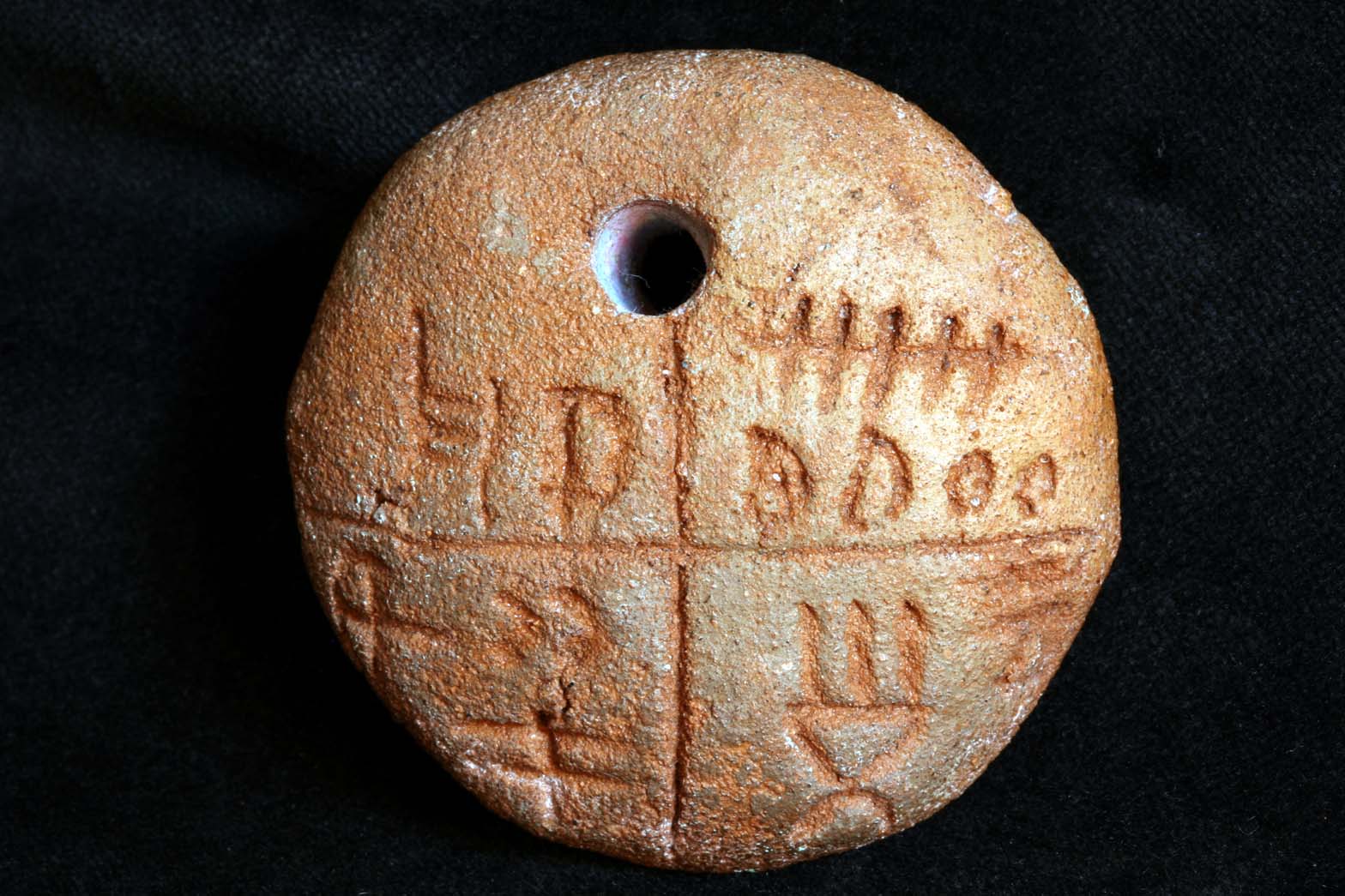
Core Thesis:
The long-standing “Sumerian/Proto-Cuneiform” hypothesis regarding the Tărtăria tablets is fundamentally flawed due to a failure in paleographic and contextual analysis. This research presents a new paradigm: the tablets, alongside their associated find-spot artifacts, constitute a coherent Anatolian-Cycladic ritual assemblage (7th–6th Century BCE), centered on the cult of the goddess Hera.
Key Evidence for the Shift:
1.The “Open-Eta” Fingerprint: The presence of the “three-rung ladder” Heta (Archaic Eta) with offset vertical pillars is a diagnostic marker. This specific, “clumsy” asymmetric form is an iconic feature of Archaic Greek/Anatolian scripts (Samos, Thera) and does not exist in the Proto-Cuneiform record.
2.Epigraphic Reality vs. Numerical Hallucination: Current scholarship misinterprets the sequence “DDoc” as Sumerian numerals (1+1+10+…). Paleographic analysis reveals these are linear-incised letters, not impressed tokens. The sequence corresponds to the lunar phases of the Hera cult and the imperative vocalization of the verb didomi (Didos/Didou — “Give/Grant!”), a standard votive invocation for fertility. Sign on the upper-right quarter
3.The Iconographic Syllabary: The round tablet features a stylized Tanit/Asasara icon, evolved from the primordial Aleph/Al (Bull) symbol. This links the tablets directly to the Aegean-Anatolian theological stratum (Minoan Linear A to Phoenician-Greek transition). (downside-right quarter, here on the right)
4.The Ritual “Kit” Context: The tablets were found with a Spondylus bracelet (Aegean), an Alabaster cup (Mediterranean), and a “Cycladic faceless” idol. Crucially, the presence of an “Anatolian Anchor” artifact identifies the owner not as a Mesopotamian prospector, but as a maritime migrant/priest from the Samos-Cyclades axis.
Conclusion:
The Tărtăria tablets are not accountant’s ledgers from Uruk; they are imported amulets of the Hera cult. The “clumsy” execution of peripheral signs suggests a “quasi-illiterate” practitioner who faithfully reproduced sacred monograms while mimicking formal Anatolian script. This discovery necessitates a complete chronological and cultural re-evaluation of the Transylvanian-Aegean trade and cultic routes.
 Tartaria tablets
Leave a comment